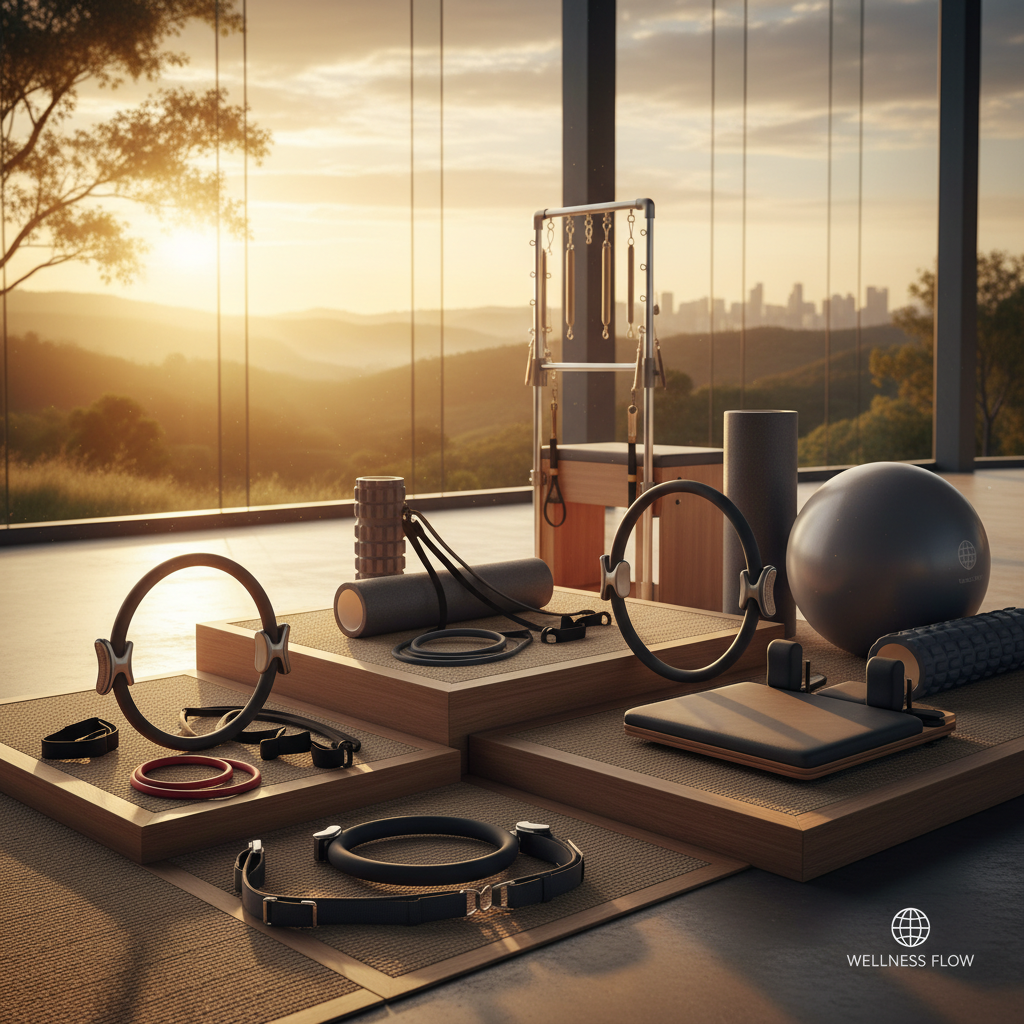
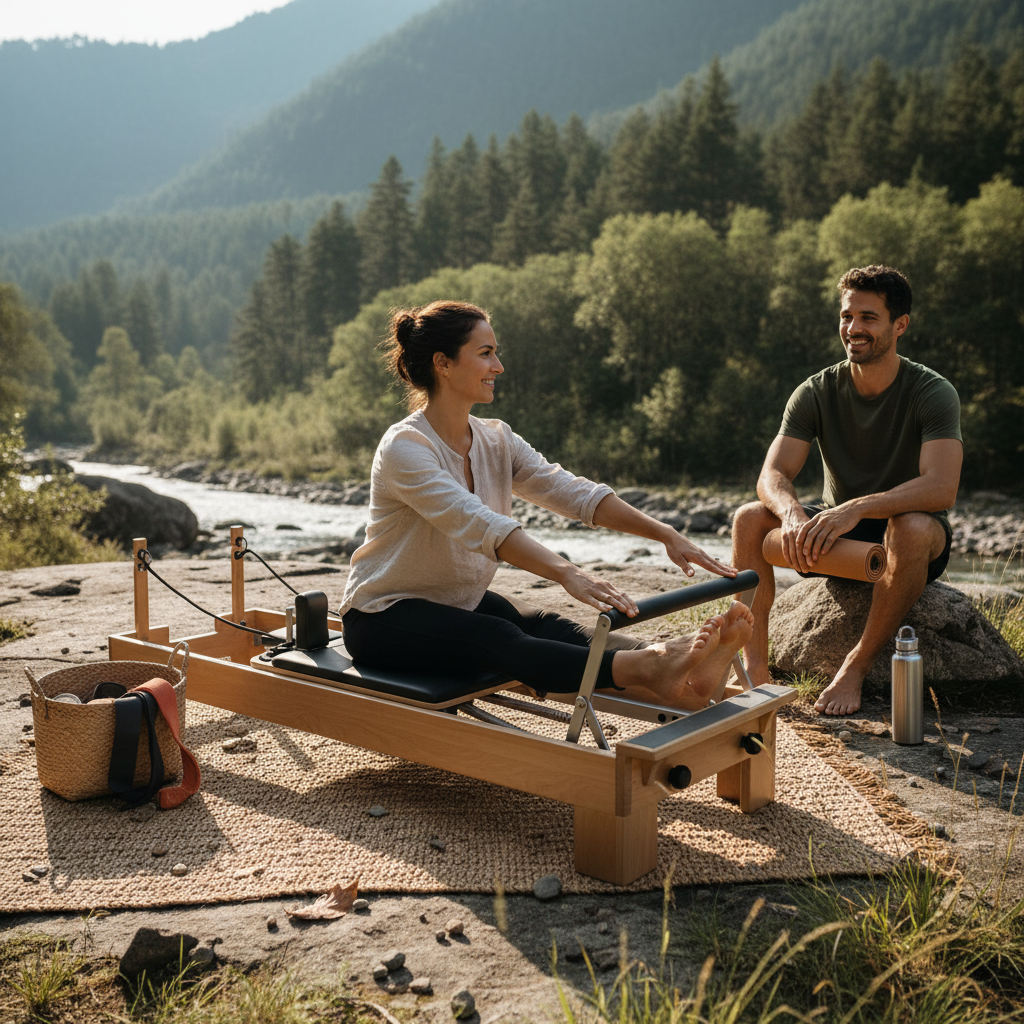
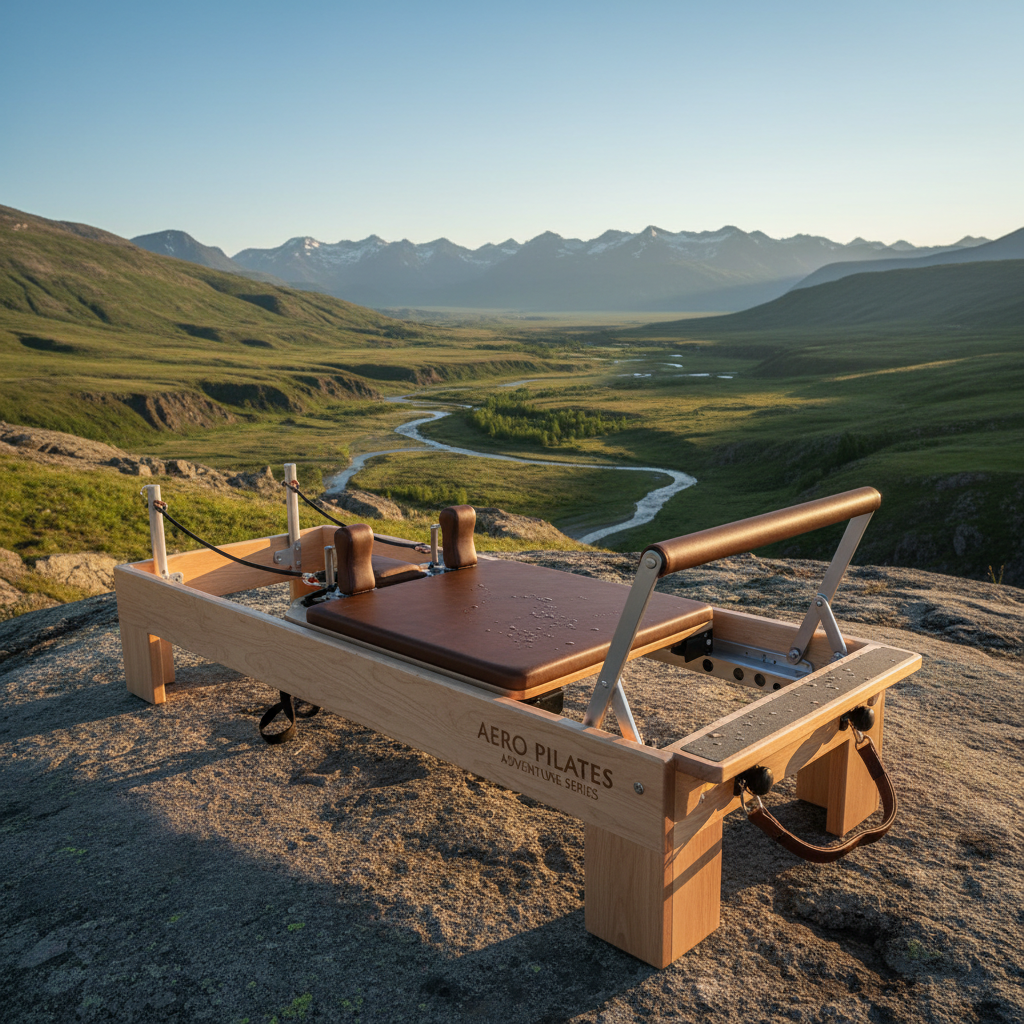
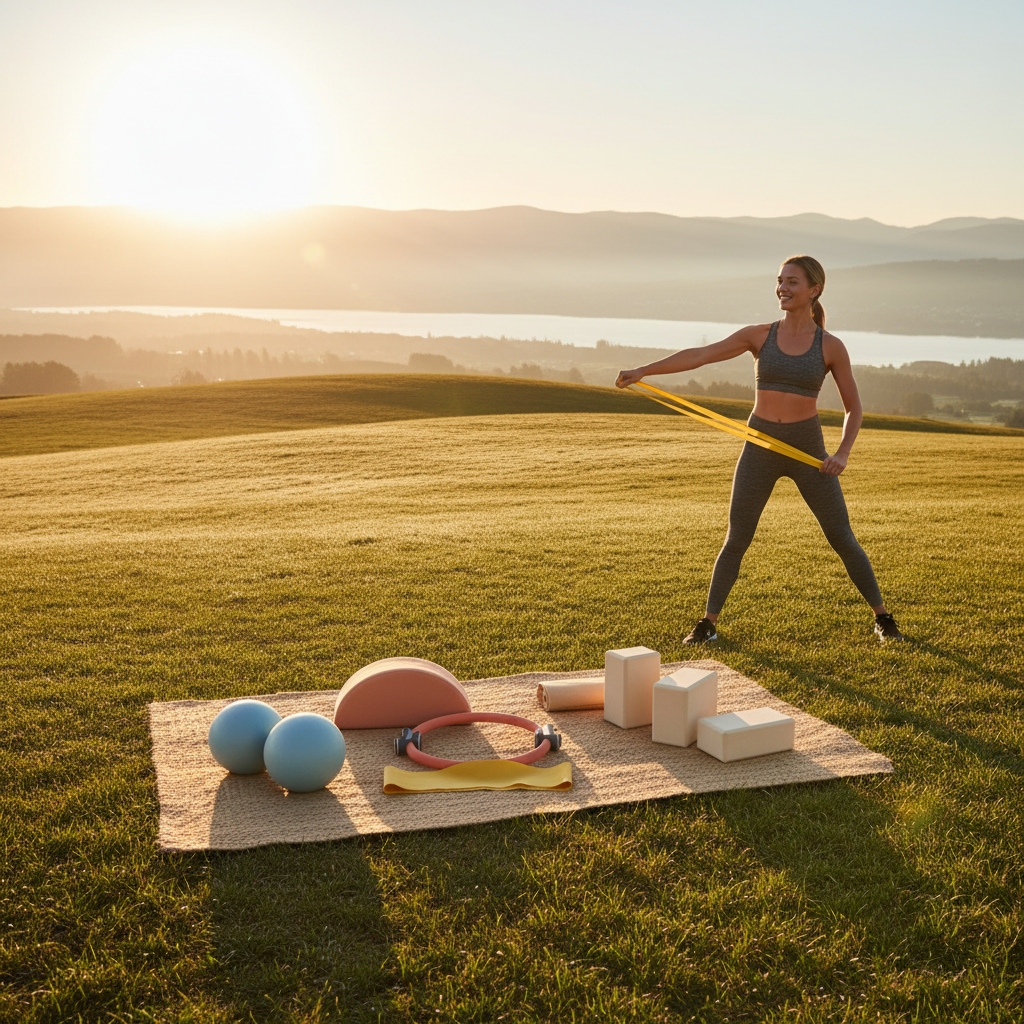
Pilates equipment accessories are integral to maximizing the benefits of a Pilates practice, extending beyond the core machines to encompass a diverse range of tools designed to enhance precision, support, and challenge. From specialized socks and grips to resistance bands and weighted cuffs, these accessories cater to all levels, from beginners seeking stability to advanced practitioners aiming for deeper engagement. Understanding the nuances of these accessories is crucial for both instructors and practitioners, enabling a tailored and effective Pilates experience.
The global market for pilates equipment accessories is experiencing significant growth, driven by increasing awareness of the health and wellness benefits of Pilates and a rising emphasis on personalized fitness routines. According to recent reports, the fitness equipment market is projected to reach \$15.3 billion by 2028, with a considerable portion attributed to accessories. This expansion is fueled by factors such as an aging population seeking low-impact exercise, a growing number of boutique Pilates studios, and the increasing accessibility of online Pilates instruction, all contributing to a greater demand for pilates equipment accessories.
Investing in quality pilates equipment accessories is not merely about convenience; it’s about safety, efficacy, and optimizing results. Properly chosen accessories can prevent injuries, improve form, and allow for progressive overload, ultimately leading to a more fulfilling and transformative Pilates journey. This is particularly important as more individuals practice Pilates at home, relying on accessories to replicate the guidance and support typically provided in a studio setting.
The Relevance of Pilates Equipment Accessories
Pilates equipment accessories are more than just add-ons; they are essential tools for adapting exercises to individual needs and maximizing the effectiveness of a Pilates workout. They bridge the gap between the foundational Pilates principles and the diverse physical capabilities of practitioners. Accessories support proper alignment, enhance muscle engagement, and provide progressive resistance, ensuring a safe and challenging experience for everyone.
The increasing demand for personalized fitness solutions has further amplified the importance of pilates equipment accessories. Individuals are seeking ways to tailor their workouts to address specific weaknesses, improve posture, and enhance overall well-being. Accessories empower both instructors and practitioners to customize exercises and achieve optimal results, making Pilates accessible and beneficial for a wider audience.
Defining Pilates Equipment Accessories
Pilates equipment accessories encompass a broad spectrum of items designed to complement and enhance the use of Pilates apparatus, such as the Reformer, Cadillac, and Chair. These accessories aren’t limited to tools that attach directly to the machines; they also include supportive items like Pilates socks, hand grips, and resistance bands used independently or in conjunction with the equipment. The primary function of these accessories is to modify exercises, provide support, or increase the level of challenge.
Distinguishing pilates equipment accessories from the core Pilates apparatus itself is important. The Reformer, for example, is a complex machine with a specific design and functionality. Accessories, conversely, are modular and adaptable, offering versatility and customization. Think of them as tools that unlock additional possibilities within a Pilates practice, rather than standalone systems.
In a modern context, the definition extends to include innovative products like digital feedback devices and online training platforms tailored to accessory use, integrating technology into traditional Pilates principles and furthering the reach of effective Pilates practice.
Core Components of Quality Accessories
When assessing pilates equipment accessories, several key components contribute to quality and longevity. Durability is paramount, as accessories are frequently used and subjected to stress. Materials should be robust and able to withstand repeated use without tearing or losing their shape. Look for accessories made from high-quality neoprene, durable webbing, and sturdy metal components.
Ergonomics also play a crucial role. Accessories should be designed to comfortably fit the body and support natural movement patterns. Poorly designed accessories can cause discomfort or even injury. Consider factors like padding, grip texture, and adjustability to ensure a secure and comfortable fit. Proper ergonomics not only enhance comfort but also maximize the effectiveness of the exercise.
Finally, versatility is a key characteristic of high-quality pilates equipment accessories. Accessories that can be used for a variety of exercises and adapted to different levels of fitness are more valuable in the long run. Look for accessories that offer multiple resistance levels or adjustability features to accommodate a wide range of needs.
Key Factors Influencing Accessory Choice
Selecting the right pilates equipment accessories requires careful consideration of several factors. One primary aspect is the individual’s skill level. Beginners may benefit from accessories that provide additional support and stability, such as headrests or foot straps, whereas more advanced practitioners may seek accessories that increase challenge, like weighted cuffs or resistance bands.
The specific Pilates apparatus being used is another important consideration. Different machines require different types of accessories. For example, a Reformer might benefit from a long box or a jump board, while a Cadillac might require various straps and pulleys. Ensuring compatibility is essential for safe and effective use.
Pilates Equipment Accessory Preference
Global Applications of Pilates Accessories
Pilates equipment accessories find application in a variety of settings globally. In established Pilates studios across North America and Europe, accessories are routinely used to personalize workouts and cater to diverse client needs. Boutique studios are particularly adept at leveraging accessories to create unique and challenging class formats.
The growing popularity of Pilates in Asia, particularly in countries like Japan and South Korea, is also driving demand for accessories. Here, a strong emphasis on precision and technique means accessories that aid in proper form are highly valued. Furthermore, the increasing number of rehabilitation centers incorporating Pilates into their treatment protocols necessitates a readily available supply of supportive accessories.
The Advantages of Investing in Pilates Accessories
Investing in quality pilates equipment accessories yields significant long-term benefits. From a practical perspective, accessories enhance the versatility of Pilates equipment, allowing for a wider range of exercises and personalized training programs. This directly translates to improved client retention and satisfaction for studios.
Beyond practicality, accessories contribute to a more sustainable and empowering Pilates practice. By providing support and challenge, they enable individuals to progress at their own pace, fostering a sense of accomplishment and confidence. This holistic approach to fitness aligns with the core principles of Pilates, promoting physical and mental well-being.
Finally, quality accessories are a sound investment in injury prevention. Proper support and alignment minimize the risk of strain or discomfort, ensuring a safe and effective workout experience.
Future Trends in Pilates Equipment Accessories
The future of pilates equipment accessories is poised for innovation, driven by advancements in materials science and technology. We can anticipate the development of "smart" accessories equipped with sensors that provide real-time feedback on form and technique. These devices will integrate with mobile apps and online platforms, creating a more personalized and data-driven Pilates experience.
Sustainability is also emerging as a key trend. Manufacturers are increasingly utilizing eco-friendly materials and adopting sustainable production practices. Accessories made from recycled materials or biodegradable plastics are gaining popularity, appealing to environmentally conscious consumers.
Another emerging trend is the integration of virtual and augmented reality (VR/AR) into Pilates training. VR/AR accessories could provide immersive workout experiences and personalized guidance, further enhancing the accessibility and effectiveness of Pilates.
Summary of Pilates Equipment Accessory Innovation Areas
| Innovation Area |
Technology Involved |
Potential Impact |
Adoption Timeline |
| Smart Sensors |
Biometrics, Accelerometers, Gyroscopes |
Real-time form feedback, Performance tracking |
Short-term (1-2 years) |
| Sustainable Materials |
Recycled plastics, Biodegradable polymers |
Reduced environmental impact, Enhanced brand image |
Medium-term (3-5 years) |
| VR/AR Integration |
Virtual Reality Headsets, Augmented Reality Apps |
Immersive workout experiences, Personalized guidance |
Long-term (5+ years) |
| Adaptive Resistance |
Electro-mechanical resistance systems |
Adjustable resistance levels based on user performance |
Medium-term (3-5 years) |
| Biofeedback Accessories |
Heart rate monitors, Muscle activity sensors |
Optimized intensity, Enhanced mind-body connection |
Short-term (1-2 years) |
| Modular Design |
Interchangeable components, Customizable configurations |
Increased versatility, Reduced waste |
Medium-term (3-5 years) |
FAQS
For beginners, prioritizing accessories that promote proper form and stability is key. Pilates socks with grips are excellent for preventing slipping on the reformer or mat. A headrest provides neck support during exercises like the roll-up, and a small Pilates ball can be used for gentle core engagement and spinal mobility. Resistance bands offer a low-impact way to add challenge as you build strength. Focus on accessories that build a foundation for good technique before advancing to more complex tools.
The lifespan of pilates equipment accessories depends on the frequency of use and the quality of the materials. Resistance bands typically need replacing every 6-12 months as the elasticity degrades. Hand grips and foot straps should be inspected regularly for wear and tear, and replaced when they show signs of damage. Higher-quality accessories made from durable materials will generally last longer, but it’s crucial to prioritize safety and replace any item that compromises stability or support.
Yes, increasingly there are eco-friendly pilates equipment accessories available! Many companies are now offering resistance bands and mats made from recycled materials, like TPE or natural rubber. Look for accessories packaged in sustainable materials and manufactured using ethical practices. Choosing eco-friendly options not only benefits the environment but also supports companies committed to responsible production.
Regular cleaning is essential to maintain hygiene and prolong the life of your pilates equipment accessories. Most accessories can be cleaned with a mild soap and water solution. Avoid harsh chemicals or abrasive cleaners. Allow accessories to air dry completely before storing them. For accessories with straps or buckles, inspect them regularly for wear and tear. Proper cleaning and maintenance demonstrate respect for your equipment and help ensure a safe and effective workout.
Proper storage extends the life of your pilates equipment accessories. Store accessories in a cool, dry place away from direct sunlight and extreme temperatures. Keep resistance bands and straps untangled to prevent stretching or breakage. A dedicated storage bin or bag can help keep accessories organized and protected. Consider using a breathable bag to prevent mold or mildew.
Choosing the right resistance level for Pilates resistance bands is crucial for maximizing effectiveness and preventing injury. Start with a lighter resistance band and gradually increase the resistance as you gain strength. A good rule of thumb is that you should be able to perform 10-15 repetitions with good form without excessive strain. If you can easily complete more repetitions, it's time to move to a higher resistance band. Listen to your body and prioritize proper form over resistance.
Conclusion
Pilates equipment accessories are far more than simple add-ons – they are integral components of a truly effective and personalized Pilates practice. From enhancing form and providing support to increasing challenge and promoting sustainability, these accessories empower practitioners of all levels to unlock their full potential. Understanding the core principles of accessory selection, maintenance, and application is crucial for maximizing the benefits of Pilates.
As technology advances and awareness of wellness grows, the future of pilates equipment accessories is bright. Embracing innovation, prioritizing sustainability, and focusing on individualized needs will be key to shaping the next generation of accessories. We encourage you to explore the wide range of options available and discover how pilates equipment accessories can elevate your Pilates journey.