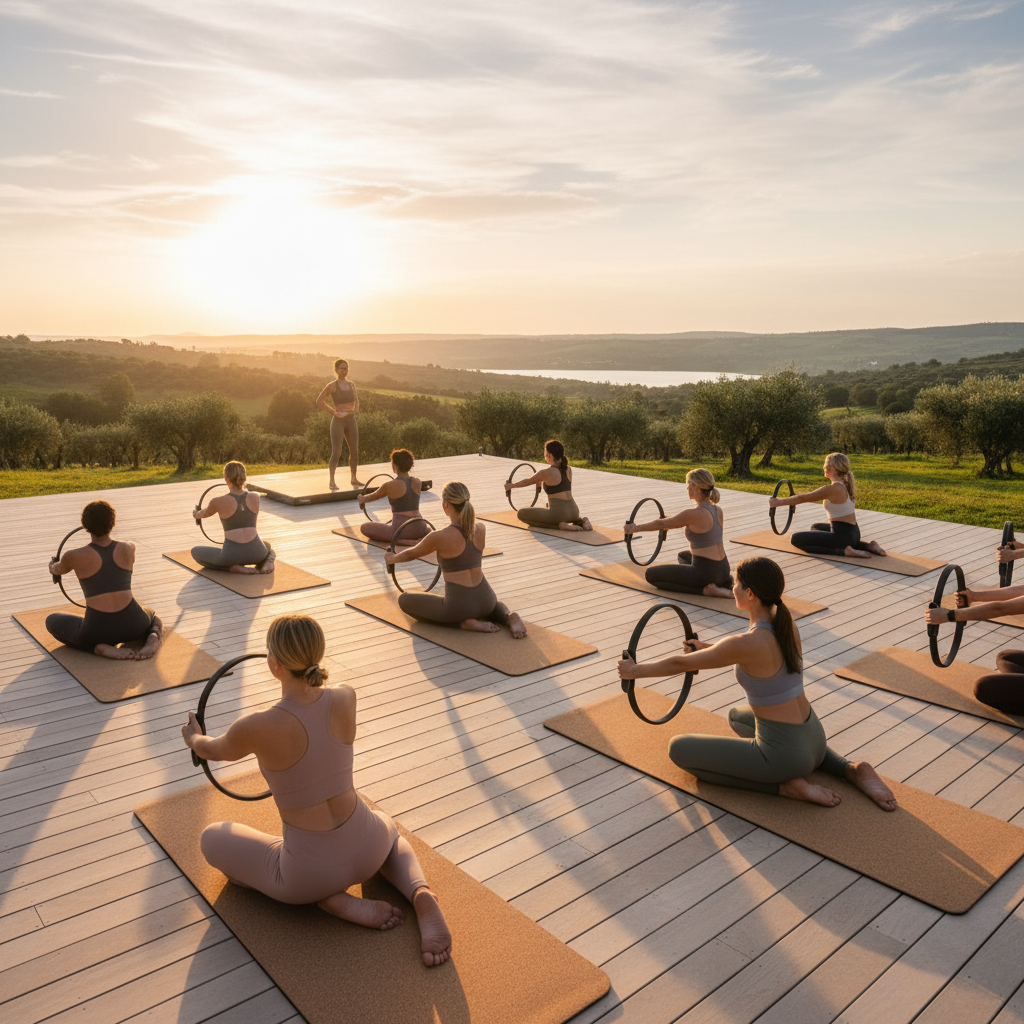
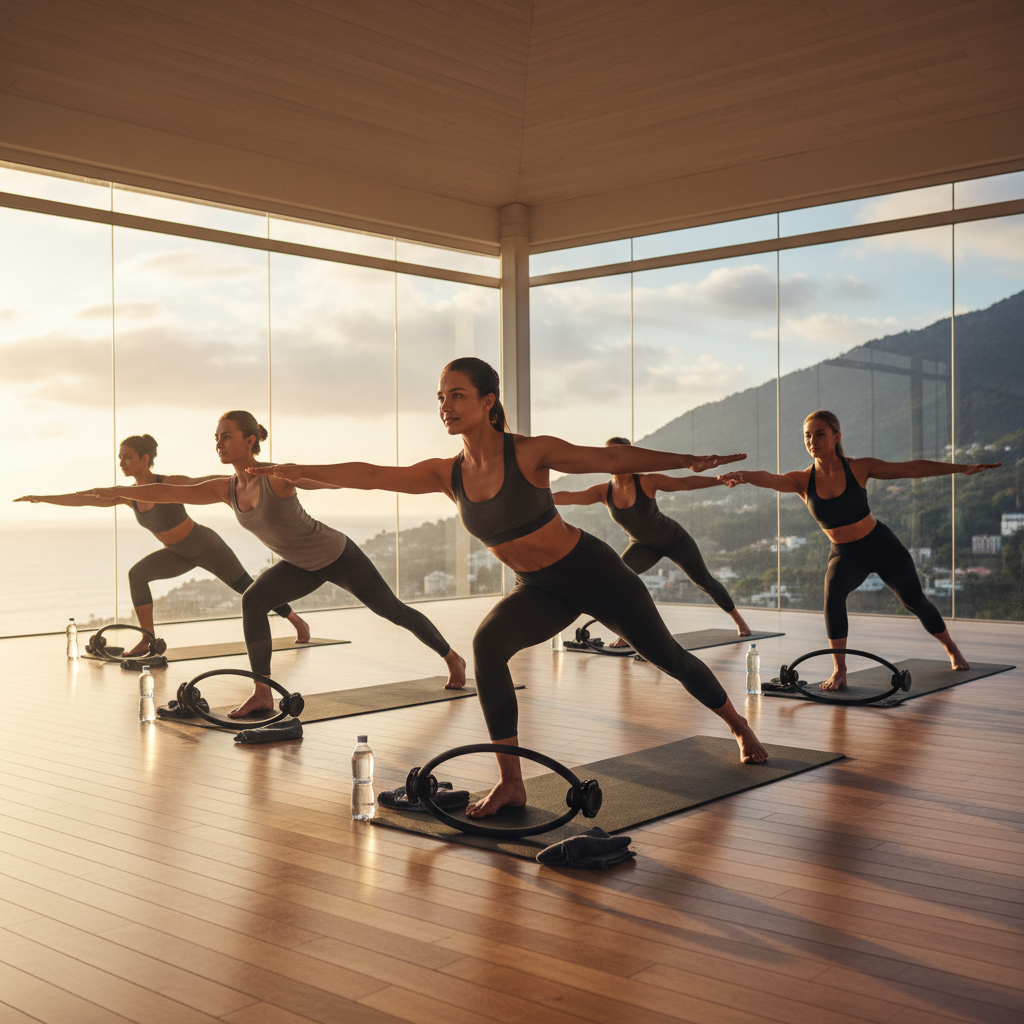
Pilates ring class is gaining prominence globally as a versatile and accessible fitness modality. Its adaptability makes it suitable for individuals of all ages and fitness levels, from rehabilitation patients to elite athletes. The low-impact nature of exercises performed with a Pilates ring makes it a particularly attractive option for those seeking to improve core strength, flexibility, and posture without placing undue stress on joints. This growing demand is driving innovation in ring design, teaching methodologies, and the integration of Pilates ring workouts into broader wellness programs.
The accessibility of Pilates ring class contributes significantly to its global appeal. Unlike many fitness disciplines requiring expensive equipment or specialized studio spaces, a Pilates ring is relatively inexpensive and portable, enabling workouts in diverse settings – homes, gyms, parks, and even during travel. This convenience breaks down barriers to entry and fosters consistent practice. The rise of online Pilates ring classes further expands reach, connecting instructors with students worldwide and democratizing access to quality instruction.
Understanding the principles and benefits of Pilates ring class empowers individuals to take control of their physical well-being. Whether seeking to recover from injury, enhance athletic performance, or simply maintain a healthy lifestyle, Pilates ring training provides a safe and effective pathway to achieving fitness goals. The focus on controlled movements and mindful engagement distinguishes it from more high-intensity workouts, fostering a deeper connection between body and mind.
The Fundamentals of pilates ring class
Pilates ring class centers around the use of a circular resistance tool, often made of plastic or metal-coated foam, to enhance traditional Pilates exercises. The ring provides adjustable levels of resistance, challenging muscles in new ways and increasing exercise intensity. It's designed to engage core muscles, improve posture, and build strength and flexibility.
The key to effective Pilates ring class lies in controlled movements and mindful engagement of core muscles. Unlike exercises relying on momentum, Pilates ring workouts emphasize precision and stability. This focus fosters a deeper mind-body connection, promoting improved coordination, balance, and overall body awareness.
Historical Development of pilates ring class
The Pilates ring, sometimes referred to as a magic circle, has roots in the original Pilates method developed by Joseph Pilates in the early 20th century. Pilates initially utilized springs and resistance equipment to rehabilitate injured soldiers during World War I, laying the foundation for the modern Pilates system. The ring evolved as a more portable and accessible option for providing resistance.
Over time, the Pilates ring transitioned from a primarily rehabilitative tool to a popular fitness accessory. The growing awareness of Pilates’ benefits, coupled with the ring’s affordability and convenience, drove its widespread adoption in studios and home workouts alike. Contemporary Pilates instructors continue to refine techniques and develop innovative exercises using the ring.
The evolution of Pilates ring class has seen the introduction of varied materials and designs – from basic plastic rings to those with cushioned grips and adjustable resistance levels. This evolution reflects a commitment to improving comfort, effectiveness, and user experience, catering to the diverse needs of practitioners.
Core Principles Guiding pilates ring class
Central to pilates ring class is the principle of "centering," which emphasizes engaging the deep core muscles—transversus abdominis, multifidus, diaphragm, and pelvic floor—to stabilize the spine and pelvis. This creates a foundation for all movements.
"Control" is another cornerstone, advocating for deliberate, precise movements rather than relying on momentum. The Pilates ring facilitates this control by providing consistent resistance, forcing individuals to engage muscles throughout the full range of motion.
Pilates ring class also incorporates principles of "precision," "breath," and "flow." Precision ensures correct form, minimizing risk of injury and maximizing effectiveness. Breathwork coordinates with movement, promoting relaxation and increasing core engagement. Flow refers to the smooth, continuous transition between exercises.
Pilates Ring Class: Material Composition & Manufacturing
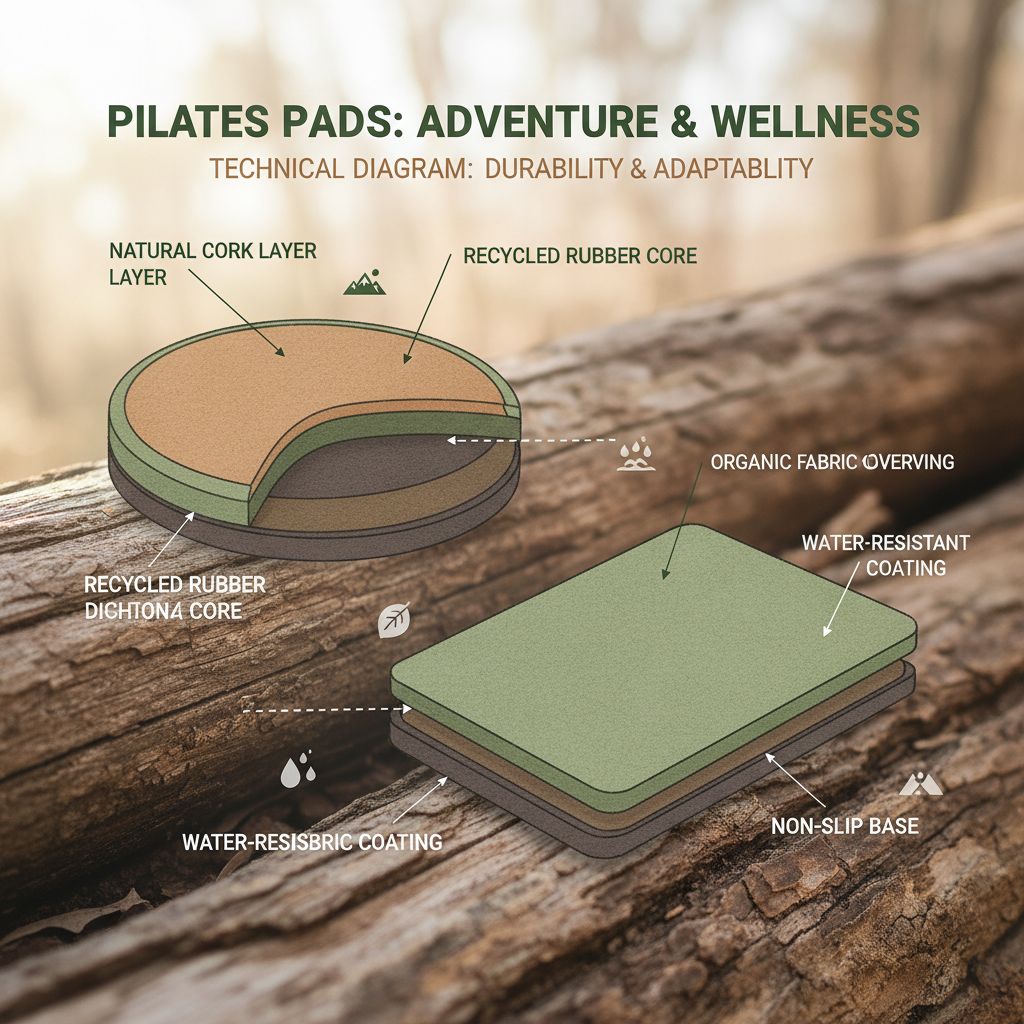
Pilates rings are typically constructed from a combination of materials. The core of the ring often utilizes a resilient plastic, such as polypropylene, known for its durability and flexibility. Some rings incorporate a metal band within the plastic structure to provide enhanced resistance and shape retention.
The outer surface of the ring is frequently coated with foam or a similar cushioning material, like PVC, to provide a comfortable grip and prevent slippage during workouts. The manufacturing process involves molding the plastic or metal into a circular shape, then applying the foam coating and any necessary finishing touches.
Pilates Ring Class Manufacturing Quality Metrics
Global Reach and Accessibility of pilates ring class
Pilates ring class transcends geographical boundaries, with practitioners found in nearly every corner of the world. The accessibility of the equipment and the adaptability of exercises make it popular in diverse cultural contexts. Online resources and instructor training programs further contribute to its global spread.
The demand for Pilates ring class is particularly strong in regions prioritizing health and wellness, such as North America, Europe, and Australia. However, its benefits are also increasingly recognized in emerging markets, where affordability and portability are key advantages.
Long-Term Benefits and Value of pilates ring class
Consistent Pilates ring class practice yields numerous long-term benefits, including improved core strength, enhanced posture, increased flexibility, and reduced risk of injury. These improvements translate to better overall physical function and quality of life.
Beyond physical benefits, Pilates ring class can also positively impact mental well-being. The focus on mindful movement and breathwork promotes relaxation, reduces stress, and fosters a greater sense of body awareness. This holistic approach contributes to a more balanced and fulfilling lifestyle.
The relatively low cost of Pilates rings and the availability of free or affordable online resources make it a valuable investment in long-term health and wellness, accessible to individuals across a wide range of economic backgrounds.
Advanced Applications & Future Trends in pilates ring class
Advanced applications of Pilates ring class include integration with other fitness modalities, such as yoga and dance, to create hybrid workout programs. Specialized workshops and certifications are also emerging, catering to specific populations, such as pregnant women or individuals with chronic pain.
Future trends in Pilates ring class are likely to be driven by technological advancements. Smart rings with integrated sensors could provide real-time feedback on exercise form and intensity, personalizing workouts and maximizing effectiveness. Virtual reality and augmented reality applications could further enhance the immersive experience.
Sustainable materials and eco-friendly manufacturing practices are gaining prominence in the fitness industry, and Pilates rings are no exception. Demand for rings made from recycled plastics or bio-based materials is expected to increase, reflecting a growing commitment to environmental responsibility.
Pilates Ring Class: Comparative Analysis of Application Scenarios
| Application Scenario |
Target Demographic |
Intensity Level |
Expected Outcomes |
| Rehabilitation (Post-Injury) |
Individuals recovering from injuries |
Low to Moderate |
Restored range of motion, improved muscle strength, pain reduction |
| Core Strengthening |
Fitness enthusiasts of all levels |
Moderate |
Enhanced core stability, improved posture, increased athletic performance |
| Pilates for Seniors |
Older adults seeking improved mobility |
Low |
Improved balance, increased bone density, reduced risk of falls |
| Prenatal Pilates |
Pregnant women |
Low to Moderate |
Strengthened pelvic floor, reduced back pain, preparation for labor |
| Athletic Conditioning |
Athletes seeking performance enhancement |
Moderate to High |
Improved power, agility, and injury prevention |
| Postural Correction |
Individuals with poor posture |
Low to Moderate |
Improved spinal alignment, reduced muscle imbalances, increased body awareness |
FAQS
Pilates rings offer a unique combination of portability, affordability, and versatility. They provide consistent resistance throughout the range of motion, promoting core engagement and precise muscle activation. Unlike resistance bands, the circular shape allows for multi-directional movements, targeting muscles from various angles. Compared to heavier weights, the ring's lower resistance level makes it ideal for beginners and rehabilitation, minimizing the risk of injury.
While Pilates ring class isn't primarily designed for maximal muscle hypertrophy like heavy weightlifting, it can contribute to muscle toning and definition. The consistent resistance helps build endurance and strengthen muscles, especially in the core, legs, and arms. Combining Pilates ring workouts with other resistance training modalities can lead to more significant gains in muscle mass.
Consistency is key. Aim for at least 2-3 Pilates ring class sessions per week to experience noticeable benefits. Shorter, focused workouts of 20-30 minutes can be just as effective as longer sessions. Listen to your body and allow for adequate rest and recovery between workouts.
Always start with a warm-up before beginning your Pilates ring workout. Focus on maintaining proper form throughout each exercise to avoid strain or injury. If you're new to Pilates, consider taking a class with a qualified instructor to learn correct techniques. Avoid pushing yourself beyond your current fitness level and stop if you experience any pain.
Absolutely. Pilates ring class is highly adaptable. You can adjust the intensity by changing the pressure you apply to the ring, modifying the range of motion, or slowing down the movements. Beginners can start with lighter resistance and fewer repetitions, gradually increasing the challenge as their strength and endurance improve.
Wipe down your Pilates ring after each use with a damp cloth and mild soap. Avoid using harsh chemicals or abrasive cleaners. Store the ring in a cool, dry place away from direct sunlight. Regularly inspect the ring for any signs of wear and tear, and replace it if necessary.
Conclusion
Pilates ring class offers a compelling combination of accessibility, effectiveness, and versatility, making it a valuable asset for individuals seeking to improve their physical and mental well-being. Its adaptability allows for customization to suit diverse fitness levels and goals, fostering a positive and sustainable approach to exercise. The growing recognition of its benefits positions Pilates ring training as a prominent fixture in the global fitness landscape.
Looking ahead, innovation in materials, technology, and instructional methods will further enhance the Pilates ring experience. Embracing sustainable practices and promoting inclusivity will ensure that the benefits of Pilates ring class are accessible to everyone. Explore the possibilities today and unlock your potential with a pilates ring class!