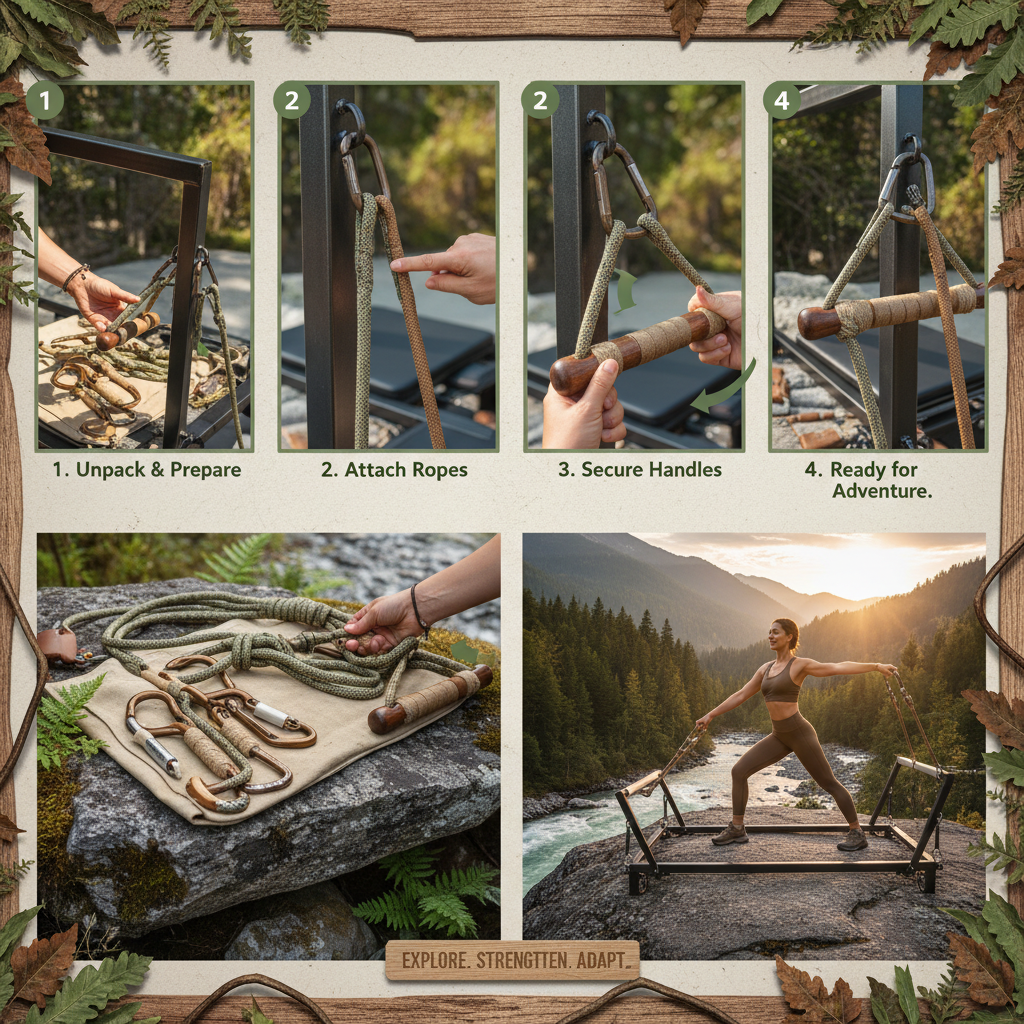
The realm of pilates props workbooks extends far beyond simple exercise guides; it represents a commitment to personalized wellness, rehabilitation, and athletic enhancement. These workbooks serve as vital tools for both instructors and practitioners, offering structured programs, detailed anatomical explanations, and progressive exercise sequences utilizing a diverse array of props. Their increasing popularity underscores a growing awareness of the importance of tailored fitness approaches, moving away from generic routines towards individualized care. Understanding the effective use of these resources is crucial for maximizing results and minimizing the risk of injury.
Globally, the demand for specialized fitness solutions is escalating, fueled by an aging population, a rise in chronic health conditions, and a greater emphasis on preventative healthcare. Pilates, known for its low-impact nature and focus on core strength, is uniquely positioned to address these needs, and pilates props workbooks are the key to unlocking its full potential. The International Federation of Pilates (IFP) reports a steady increase in certified Pilates instructors worldwide, directly correlating with the growing accessibility and appreciation for this discipline.
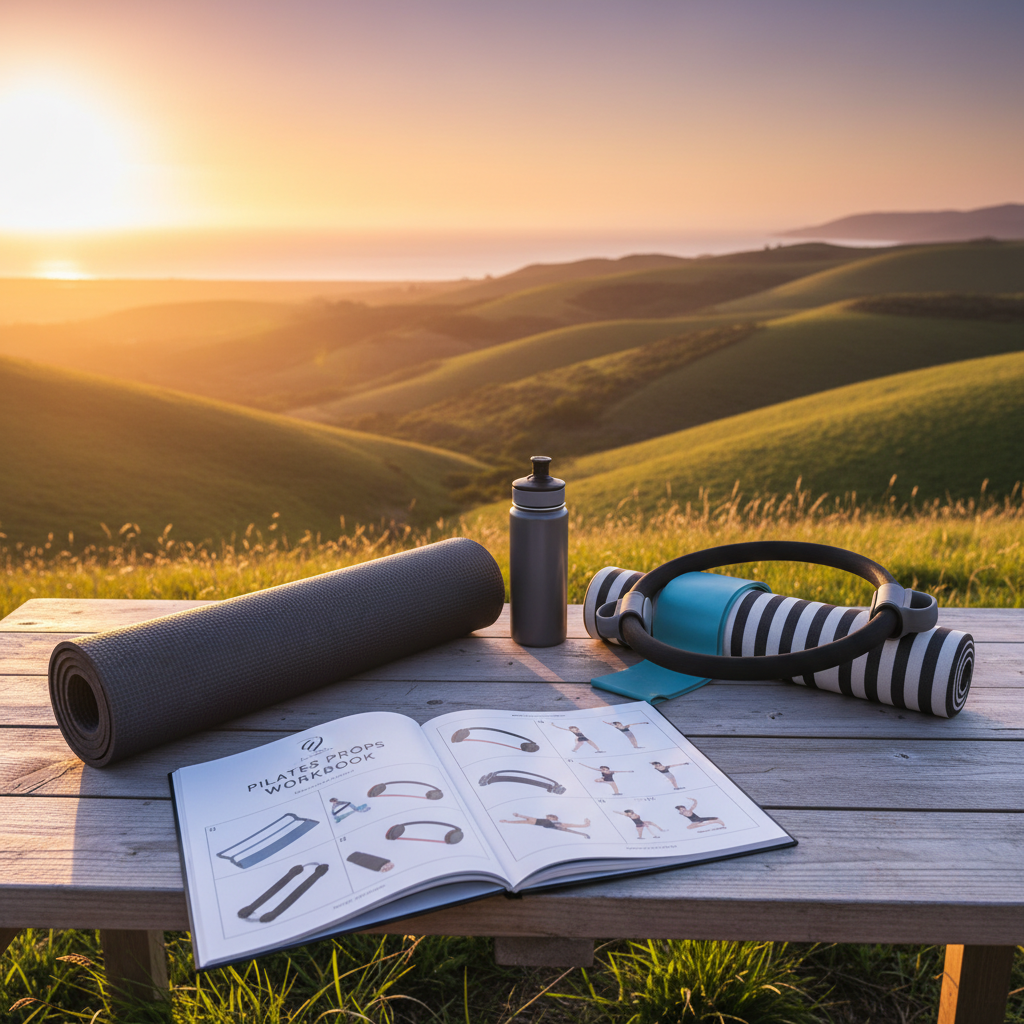
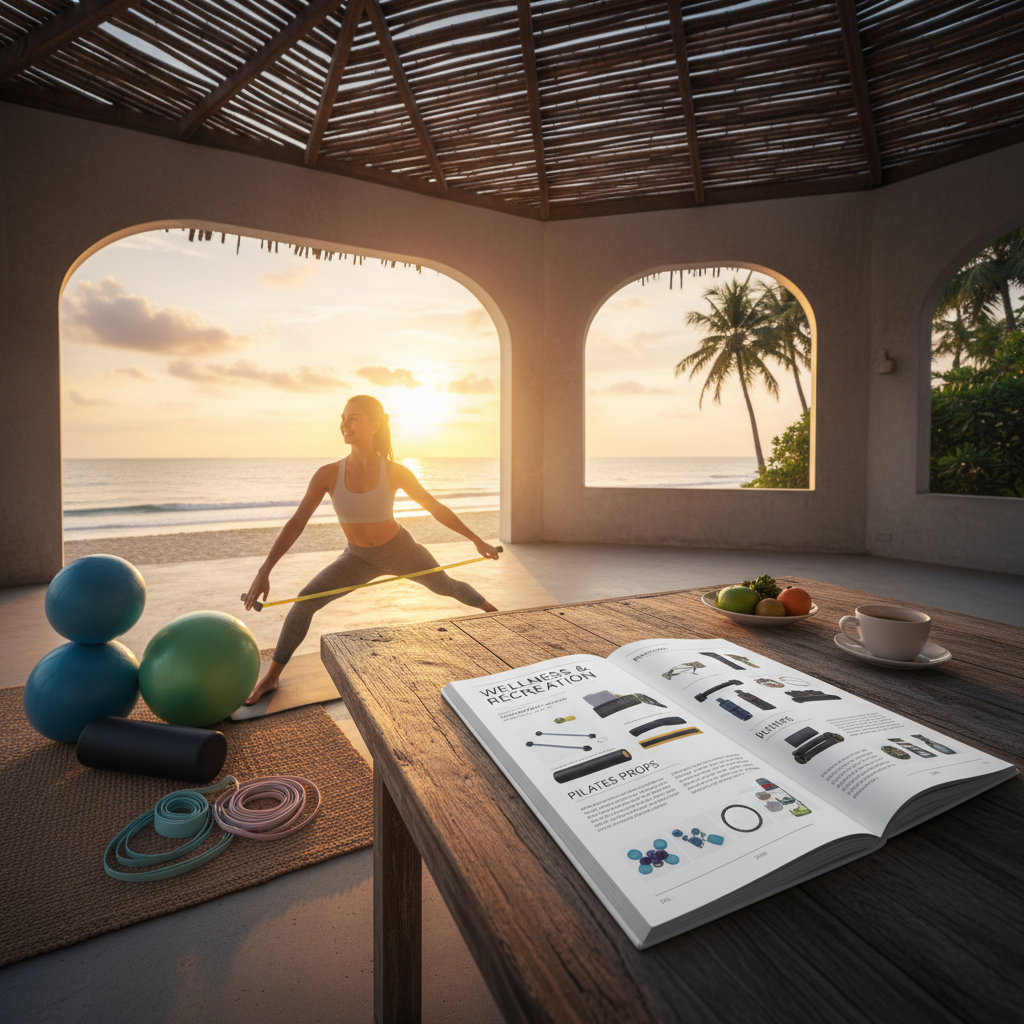
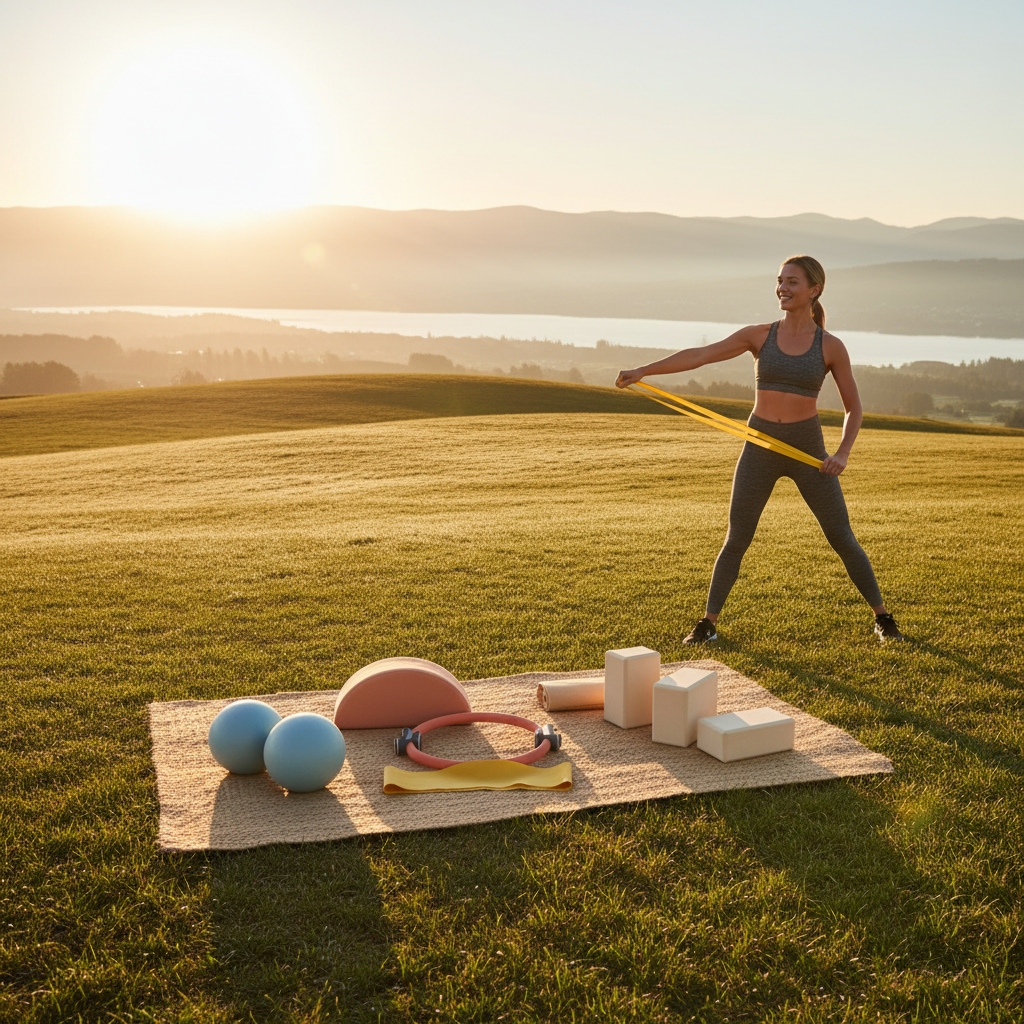
A pilates props workbook is essentially a comprehensive manual designed to guide users through a series of Pilates exercises incorporating various props such as resistance bands, Pilates balls, foam rollers, and magic circles. It differs from a standard Pilates manual by specifically detailing how these tools modify exercises, increase challenge, enhance alignment, and facilitate rehabilitation. This resource connects directly with modern industry needs by providing readily applicable programs for clinics, studios, and individual clients seeking effective and innovative fitness solutions.
The Foundation of Pilates Props Workbooks
Pilates props workbooks aren’t merely compilations of exercises; they are carefully constructed learning systems. They provide a structured pathway for building Pilates proficiency, starting with foundational movements and progressing to more complex challenges. A well-designed workbook will detail the biomechanical principles at play in each exercise, explaining how the props enhance or modify those principles.
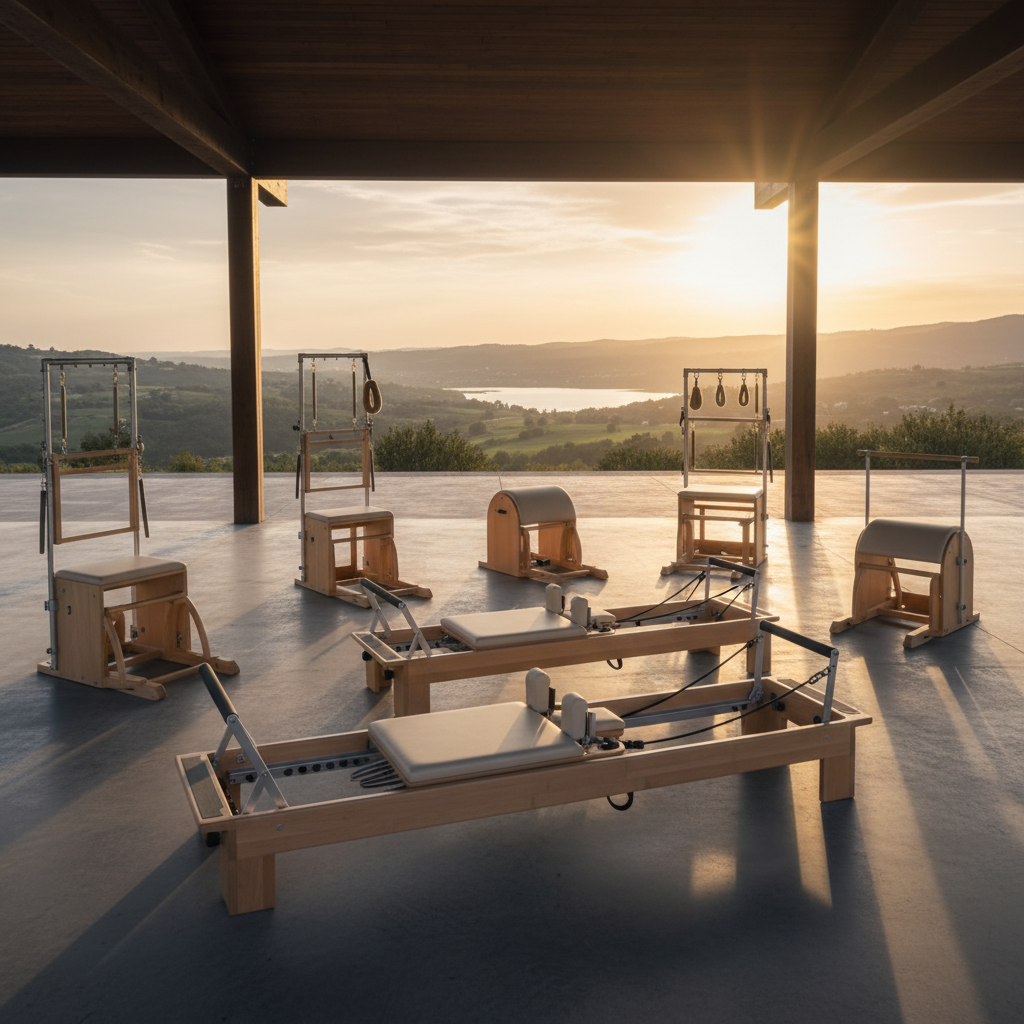
The historical evolution of these workbooks parallels the development of Pilates itself. Initially, Joseph Pilates ingeniously utilized available materials – springs, straps, and furniture – to create his apparatus. The modern workbook extends this resourceful spirit, offering a readily accessible and cost-effective way to incorporate prop-based training into any setting.
Defining Pilates Props Workbook and Its Relevance
At its core, a pilates props workbook is a systematic guide providing instructions, illustrations, and modifications for Pilates exercises performed with specialized equipment. This includes, but isn’t limited to, resistance bands, foam rollers, Pilates balls (small and large), magic circles, and weighted cuffs. The primary goal is to augment the traditional Pilates mat work, providing increased resistance, support, or challenge, tailored to individual needs and fitness levels.
Its relevance stems from the growing demand for adaptable fitness solutions. Unlike static exercise programs, pilates props workbooks allow for dynamic adjustments, making Pilates accessible to a wider range of individuals – from those recovering from injuries to elite athletes seeking performance enhancement. It directly responds to the rise of personalized fitness regimes and the need for adaptable programming.
This resource is highly connected to modern humanitarian needs, too. Adapted exercises can provide targeted rehabilitation in low-resource settings, or support individuals with limited mobility. The portable nature of many props makes it ideal for diverse applications, ranging from hospital rehabilitation centers to remote fitness programs.
Key Components of an Effective Pilates Props Workbook
A truly effective pilates props workbook goes beyond simply listing exercises. It’s built upon several crucial components. First, it requires clear and concise exercise instructions, accompanied by high-quality photographs or illustrations. Second, a detailed anatomical explanation of the muscles engaged and the biomechanics involved is crucial for informed practice.
Third, progressive programming is essential – the workbook should guide users through a logical sequence of exercises, gradually increasing difficulty and complexity. Fourth, modifications and variations must be included to cater to diverse fitness levels and physical limitations. Fifth, safety considerations and contraindications need to be clearly outlined. Finally, a section dedicated to proper prop handling and maintenance ensures longevity and safe use.
These elements collectively contribute to a holistic learning experience, ensuring that users understand not just how to perform the exercises, but why they are performing them and how to adapt them to their individual needs. This deep understanding is what differentiates a good workbook from a merely adequate one.
Global Applications and Practical Use Cases
The applications of pilates props workbooks are incredibly diverse, spanning across numerous settings and populations. In clinical rehabilitation, they are used to address musculoskeletal imbalances, post-surgical recovery, and chronic pain conditions. Physiotherapists utilize props to facilitate movement patterns and strengthen weakened muscles.
Within the fitness industry, studios and personal trainers employ workbooks to create customized Pilates programs for clients of all levels. Athletic trainers incorporate props to enhance performance, improve flexibility, and prevent injuries in athletes. In post-disaster relief operations, adapted prop-based exercises can aid in physical rehabilitation and mental wellbeing for affected populations.
Furthermore, the accessibility of props and workbooks makes Pilates an appealing option for remote training and home fitness programs. Organizations like the Red Cross and various NGOs are exploring the use of these resources in community health initiatives worldwide.
Pilates Props Workbook Effectiveness Ratings
Advantages and Long-Term Value Proposition
The advantages of utilizing pilates props workbooks are multifaceted. Cost-effectively, they offer a more accessible alternative to expensive studio equipment and private instruction. From a sustainability perspective, many props are reusable and durable, reducing waste. Socially, they promote inclusivity by providing adaptable exercise options for diverse populations.
The long-term value resides in the improved physical health and wellbeing that results from consistent, properly guided practice. A well-structured workbook fosters body awareness, improves posture, strengthens core muscles, and increases flexibility, contributing to a healthier, more active lifestyle. This leads to reduced healthcare costs and a higher quality of life.
Future Trends and Innovations in Pilates Props
The future of pilates props workbooks is poised for innovation, driven by technological advancements and a growing understanding of human movement. We can anticipate increased integration of digital resources, such as interactive video tutorials, personalized exercise recommendations based on AI analysis, and virtual reality training programs.
The development of “smart” props – equipped with sensors to monitor movement and provide real-time feedback – will further enhance the effectiveness and safety of Pilates practice. Sustainable materials and eco-friendly manufacturing processes will become increasingly important, reflecting a commitment to environmental responsibility.
Challenges and Innovative Solutions
Despite their numerous benefits, challenges remain in the widespread adoption of pilates props workbooks. One key issue is ensuring accurate and safe exercise technique, particularly for self-directed learners. Another challenge is adapting programs to individuals with complex medical conditions or significant physical limitations.
Innovative solutions include the development of telehealth platforms connecting users with qualified Pilates instructors for remote guidance and feedback. Creating more accessible and inclusive workbooks with diverse body representation and culturally sensitive language is also crucial. Furthermore, research into the biomechanical effects of various props will inform the design of more effective and evidence-based training programs.
Finally, standardization of workbook content and instructor certification will help to ensure consistent quality and safety across the industry.
Summary of Pilates Props Workbook Quality Analysis
| Prop Variety |
Instruction Clarity |
Program Progression |
Safety Emphasis |
| Excellent (Wide Range) |
Very Good (Detailed) |
Good (Logical Sequence) |
High (Clear Contraindications) |
| Good (Moderate Range) |
Good (Adequate) |
Fair (Some Gaps) |
Moderate (Basic Warnings) |
| Fair (Limited) |
Fair (Confusing) |
Poor (Random) |
Low (Minimal Guidance) |
| Very Good (Diverse Options) |
Excellent (Step-by-Step) |
Very Good (Gradual) |
High (Comprehensive) |
| Good (Standard Options) |
Good (Generally Clear) |
Fair (Some Repetition) |
Moderate (Standard Precautions) |
| Excellent (Innovative Props) |
Excellent (Visual Aids) |
Excellent (Customizable) |
High (Personalized Risks) |
FAQS
While online videos are convenient, a dedicated pilates props workbook offers a structured, progressive program. Workbooks generally provide more in-depth anatomical explanations, detailed cueing, and modifications for different skill levels. They also encourage a deeper understanding of the principles behind each exercise, leading to more effective and safer practice. A workbook promotes mindful movement rather than simply mimicking what's seen on screen.
Look for workbooks specifically designed for beginners, intermediate, or advanced practitioners. Beginner workbooks will focus on foundational movements and proper form, while advanced workbooks introduce more challenging exercises and variations. Consider your physical limitations and any existing injuries. If you're unsure, it's always best to consult with a qualified Pilates instructor to get personalized recommendations.
Pilates props workbooks can be incredibly beneficial for rehabilitation, but it’s crucial to work under the guidance of a physical therapist or qualified healthcare professional. Props can be used to modify exercises to accommodate injuries and gradually rebuild strength and mobility. However, self-treating without professional guidance could potentially exacerbate existing conditions.
A resistance band, Pilates ball (small inflatable), and foam roller are excellent starting points. These props are relatively inexpensive and versatile, allowing you to modify a wide range of exercises. As you progress, you can add other props like a magic circle, weighted cuffs, or a wobble board.
Consistency is key. Aim for at least 2-3 Pilates sessions per week, following the program outlined in your workbook. Incorporating Pilates into a well-rounded fitness routine that includes cardiovascular exercise and strength training will maximize results. Remember to listen to your body and allow for adequate rest and recovery.
While technically possible, it's generally recommended to use a professionally designed workbook. Creating an effective program requires a deep understanding of anatomy, biomechanics, and exercise progression. A professionally created workbook will ensure safety, efficacy, and a balanced approach to Pilates training.
Conclusion
Pilates props workbooks represent a powerful tool for enhancing fitness, rehabilitation, and overall wellbeing. By combining the principles of Pilates with the versatility of props, these resources offer a personalized and adaptable approach to exercise, catering to diverse needs and fitness levels. The growing demand for these workbooks underscores the increasing recognition of Pilates as a highly effective and accessible form of movement practice.
Looking ahead, the integration of technology and a greater emphasis on sustainability will shape the future of pilates props workbooks. Continued research into the biomechanical effects of props and standardized instructor training will ensure the highest levels of quality and safety. We encourage you to explore the transformative benefits of Pilates and unlock your full potential with a thoughtfully designed pilates props workbook. Visit our website: pilatesports.com