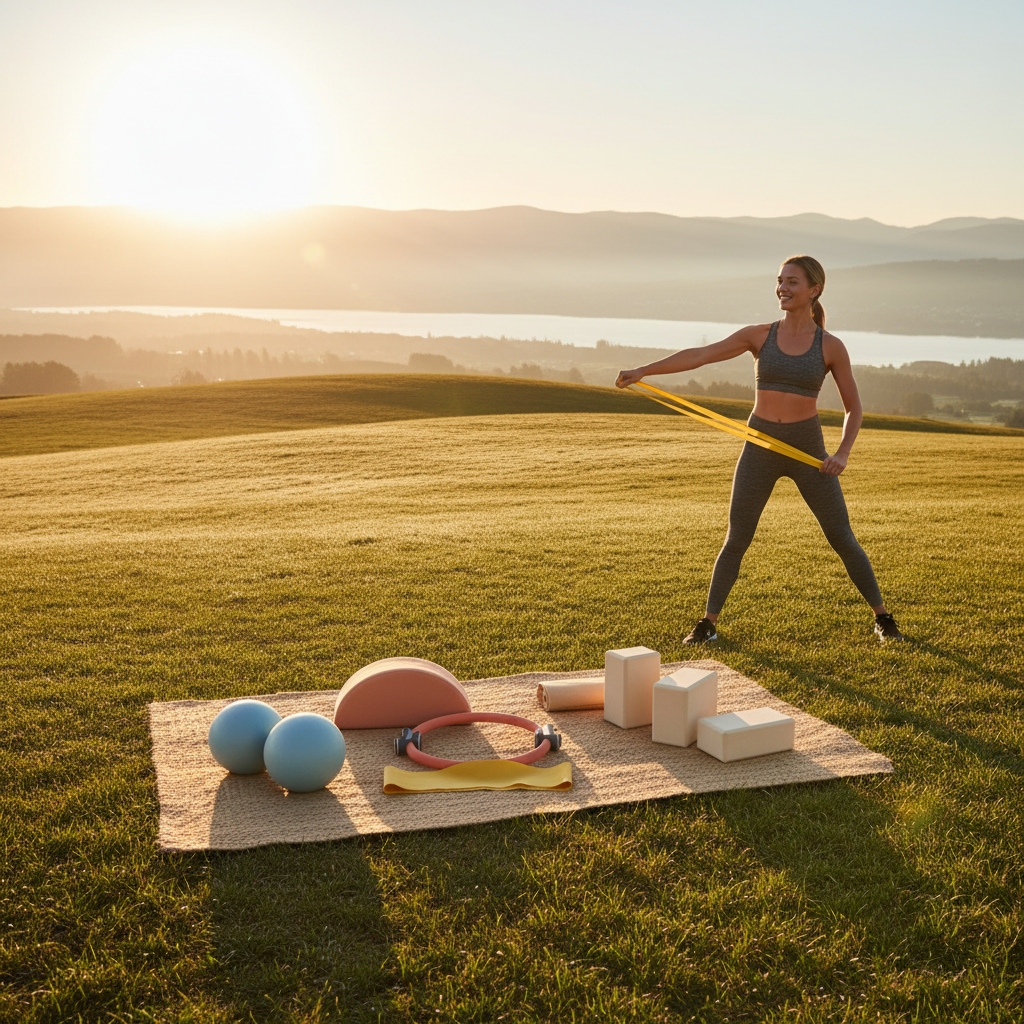
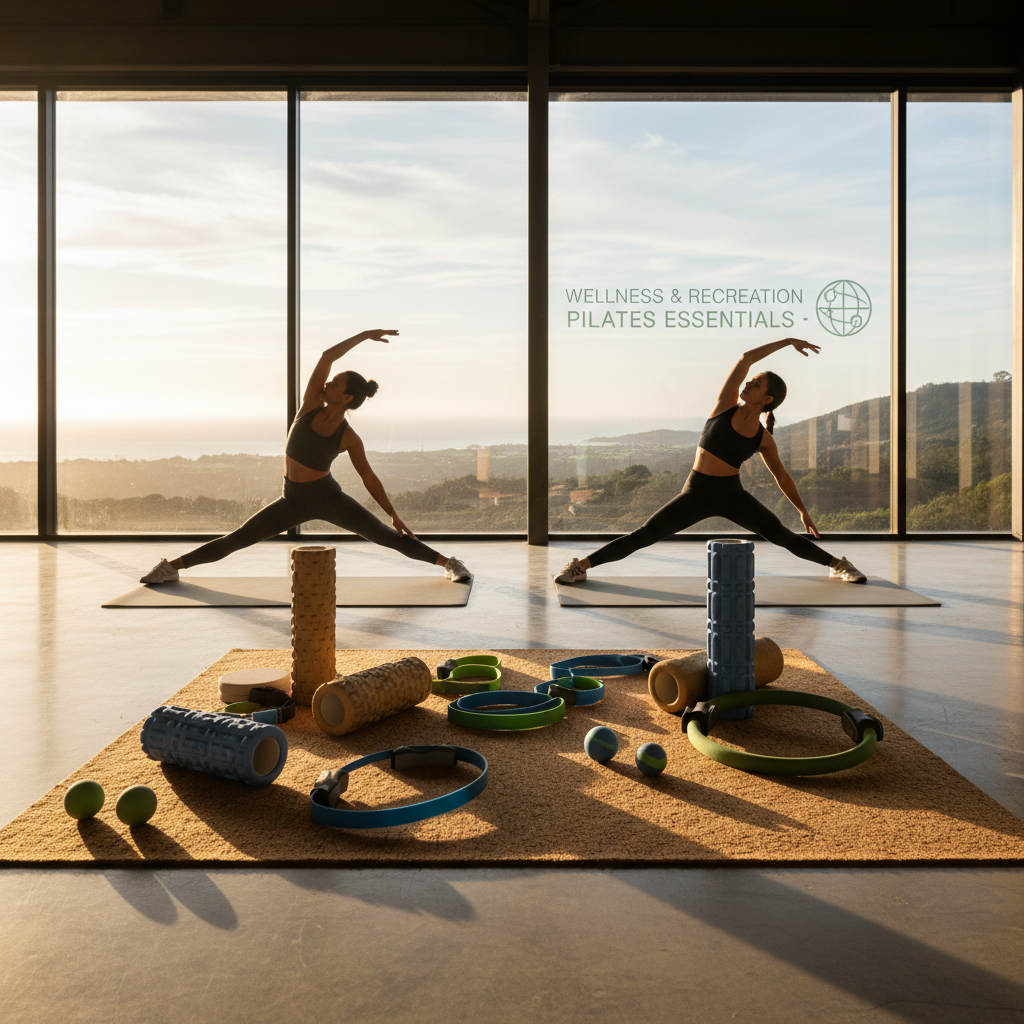
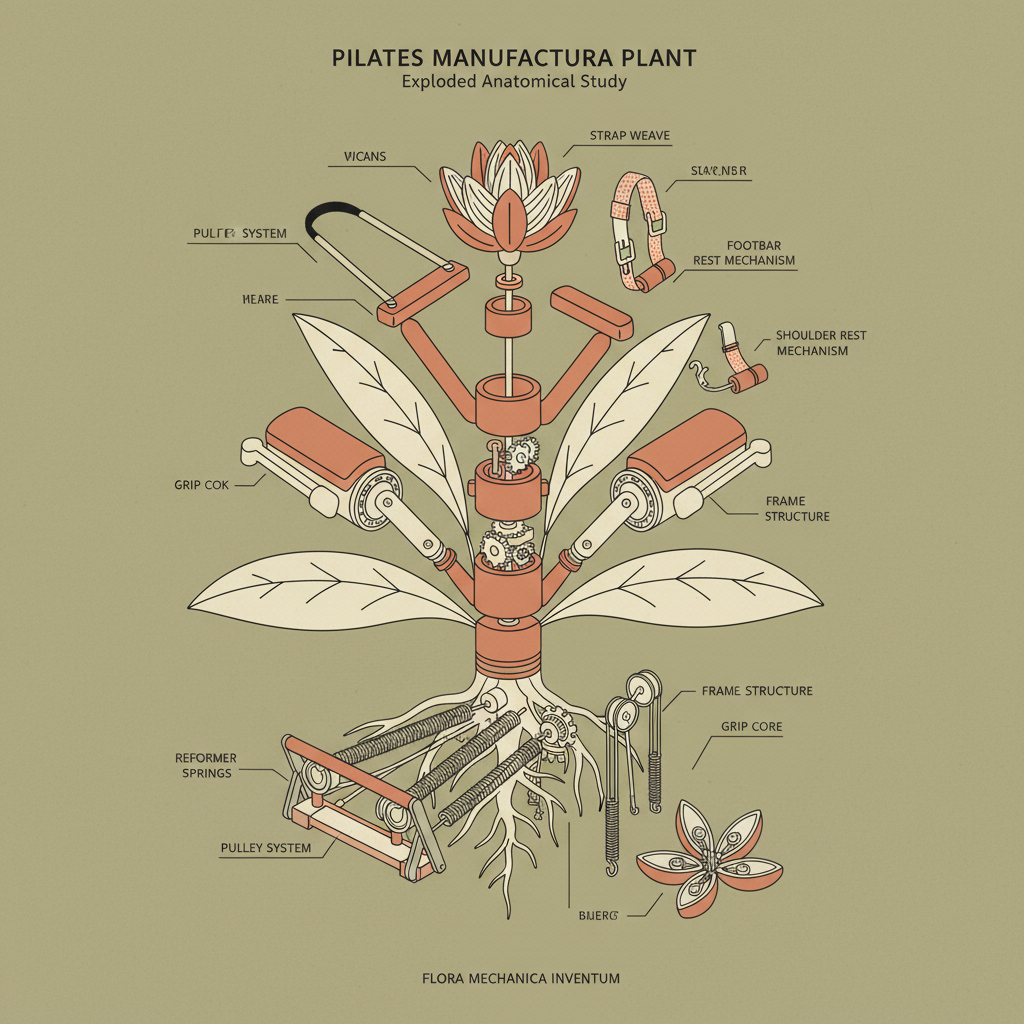
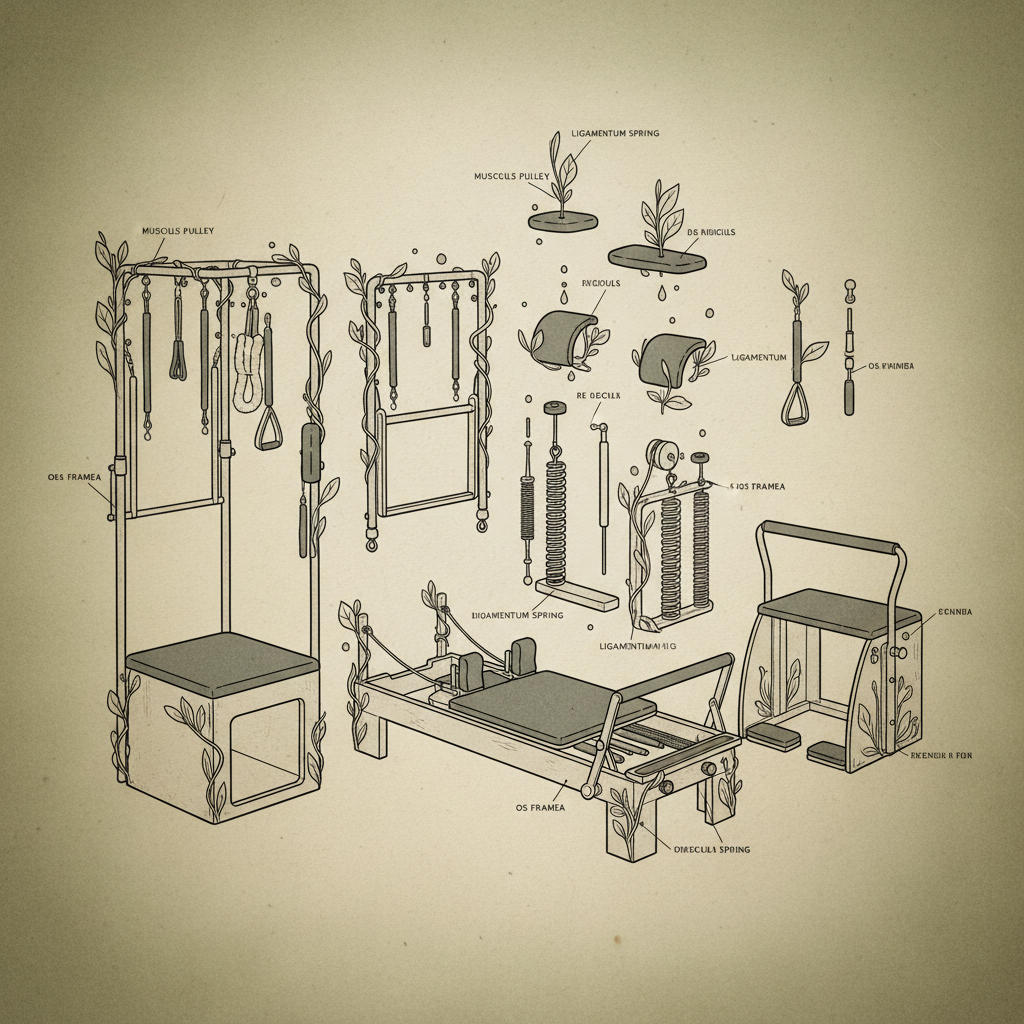
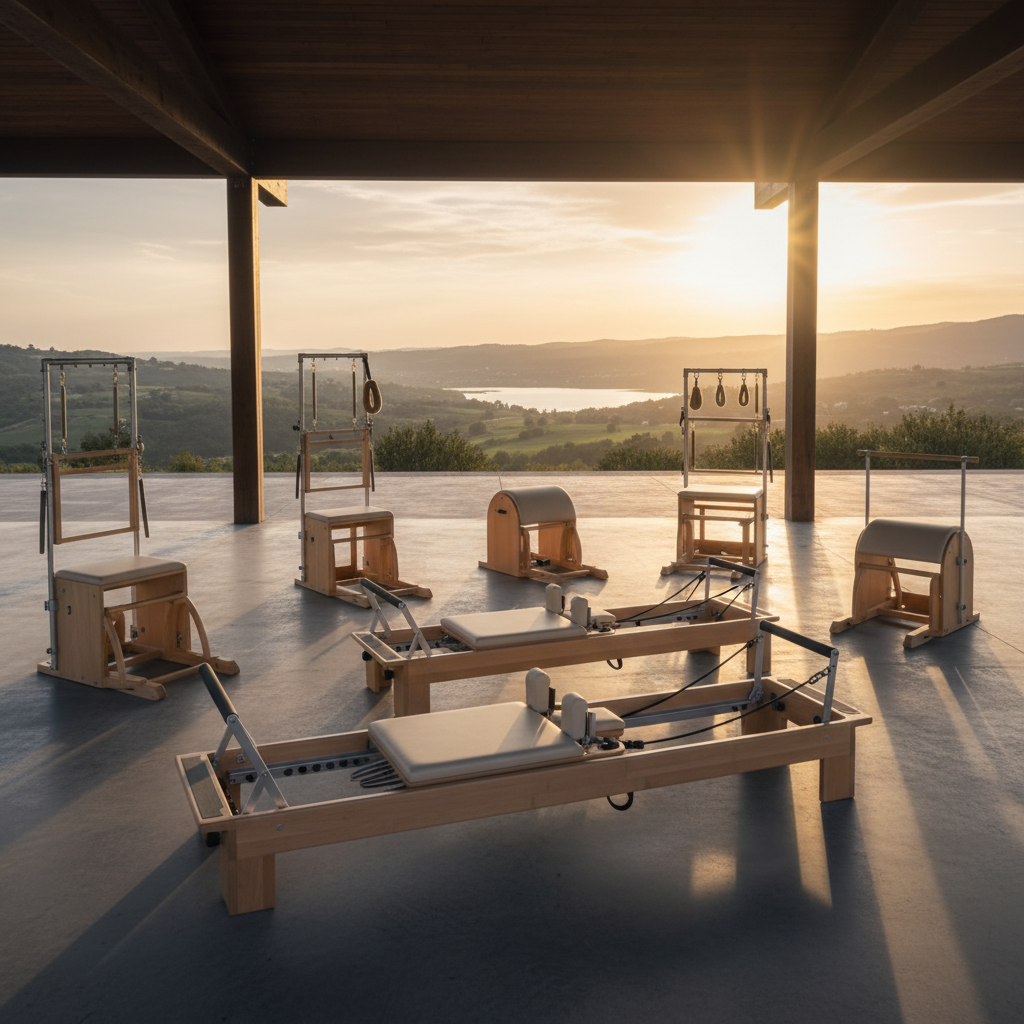
Pilates mat props, encompassing everything from simple mats and blocks to resistance bands and magic circles, are fundamental tools in enhancing the Pilates experience. Their global relevance stems from the widespread adoption of Pilates as a holistic fitness and rehabilitation method, transcending geographical boundaries and catering to diverse populations. The accessibility and affordability of pilates mat props make it a popular choice for individuals seeking low-impact, full-body conditioning.
The demand for high-quality pilates mat props is increasing alongside the rising awareness of core strength, flexibility, and mindful movement. According to a 2023 report by the Global Wellness Institute, the wellness market, which includes Pilates, is a $7 trillion industry, showcasing substantial growth potential. These props aren’t merely accessories; they’re crucial for proper alignment, muscle engagement, and modification of exercises to suit varying fitness levels and physical limitations.
Understanding the nuances of pilates mat props – their materials, functionality, and appropriate use – is paramount for both practitioners and instructors. Effective utilization of these props maximizes the benefits of each exercise, minimizing the risk of injury and promoting long-term physical well-being. This understanding extends to selecting the right props for specific needs and goals.
The Core Principles of Pilates Mat Props
At the heart of pilates mat props lies the principle of enhancing body awareness and control. Props aren't about making exercises easier; they're about facilitating proper form, increasing challenge, and addressing individual needs. A well-chosen prop can refine movement patterns, deepen muscle engagement, and provide tactile feedback, guiding the practitioner towards optimal execution.
Furthermore, the effective use of pilates mat props centers around progressive resistance and modification. Props allow instructors to tailor exercises to suit diverse fitness levels and physical limitations, ensuring accessibility for all. This principle is vital in both rehabilitation settings and general fitness classes, promoting inclusivity and preventing injuries.
The Evolution and History of Pilates Mat Props
Joseph Pilates, the founder of the Pilates method, initially utilized rudimentary props – often repurposed materials like bed springs and furniture – to rehabilitate injured soldiers during World War I. These early adaptations laid the foundation for the props we know today. The evolution of pilates mat props has been driven by a constant pursuit of enhancing exercise effectiveness and accessibility.
Over time, simple mats evolved into thicker, more supportive versions. Resistance bands replaced rudimentary springs, offering adjustable resistance levels. Blocks and magic circles were introduced to address specific muscle groups and improve alignment. The continual refinement of materials and designs reflects a deeper understanding of biomechanics and movement principles.
Today, we see a surge in innovative props, incorporating modern materials and technologies. This ongoing evolution underscores the commitment to optimizing the Pilates experience and expanding its reach to a broader audience.
Material Composition and Quality Considerations
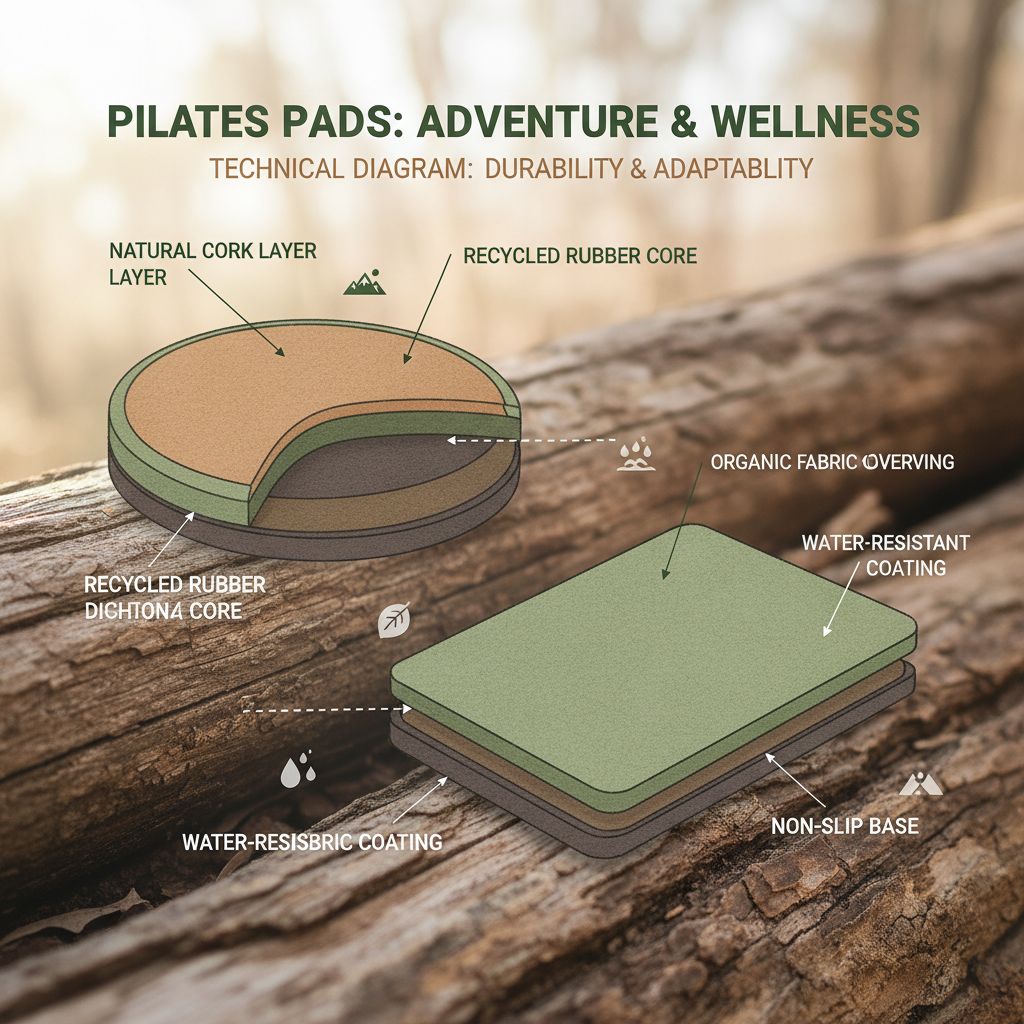
The materials used in pilates mat props significantly impact their durability, performance, and environmental footprint. High-quality mats are typically crafted from closed-cell PVC, TPE (Thermoplastic Elastomer), or natural rubber, each offering distinct advantages in terms of cushioning, grip, and eco-friendliness. Resistance bands commonly employ latex or thermoplastic elastomers for optimal elasticity and strength.
When assessing the quality of pilates mat props, factors like density, tear resistance, and non-slip properties are crucial. A dense mat provides better support and cushioning, reducing strain on joints. Tear-resistant materials ensure longevity, while a non-slip surface enhances stability and prevents accidents. Considering the source and manufacturing processes of materials is also important from a sustainability perspective.
The longevity of pilates mat props is directly related to the quality of their construction and the materials used. Investing in durable, well-made props not only enhances the exercise experience but also reduces the need for frequent replacements, minimizing waste and environmental impact.
Ergonomic Design and User Experience
Ergonomic design is paramount in pilates mat props, ensuring comfort, safety, and effective engagement of targeted muscle groups. Props should complement the natural curvature of the body and support proper alignment, minimizing the risk of strain or injury. Features like contoured surfaces and textured grips contribute significantly to a positive user experience.
Consider the handle designs on magic circles, the firmness and density of blocks, and the width and length of resistance bands – each element plays a role in maximizing comfort and effectiveness. Props that are easy to grip, maneuver, and adjust empower practitioners to focus on their form and technique, leading to more rewarding workouts.
Pilates Mat Props User Comfort Ratings
Global Market Trends and Regional Adoption
The global market for pilates mat props is experiencing steady growth, driven by the increasing popularity of Pilates and a growing emphasis on holistic health and wellness. North America and Europe currently represent the largest markets, with a strong demand for high-quality, innovative props.
However, emerging markets in Asia-Pacific, particularly China and India, are exhibiting rapid growth potential. This expansion is fueled by rising disposable incomes, increased health awareness, and a growing interest in fitness activities. Regional preferences vary, with some markets favoring specific materials or designs based on cultural factors and exercise traditions.
The Benefits of Integrated Prop Use in Pilates
Integrating pilates mat props into a Pilates routine yields numerous benefits. Props enhance exercise variations, allowing for greater challenge and targeted muscle activation. They provide support and stability, accommodating individuals with limited range of motion or physical limitations.
Furthermore, props promote deeper body awareness by providing tactile feedback and guiding correct alignment. This mindful engagement can improve posture, enhance core stability, and reduce the risk of injury. Props also elevate the creative aspect of the workouts, keeping the training routine fresh and exciting.
Future Innovations and Sustainable Practices in Pilates Mat Props
The future of pilates mat props is poised for innovation, with a growing focus on sustainability, technology integration, and personalized fitness experiences. We can expect to see the increased use of eco-friendly materials, such as recycled rubber and plant-based plastics.
Smart props equipped with sensors and connectivity features could provide real-time feedback on form and technique, enhancing exercise effectiveness and preventing injuries. Personalized prop recommendations based on individual needs and goals are also on the horizon, leveraging data analytics and artificial intelligence.
This evolving landscape will prioritize sustainability, accessibility, and customization, further solidifying the role of pilates mat props in the future of fitness.
Summary of Future Innovations in Pilates Mat Props
| Innovation Category |
Material Advancement |
Technological Integration |
Impact on User Experience |
| Sustainable Materials |
Recycled Rubber |
None |
Reduced Environmental Impact (Rating: 9/10) |
| Smart Sensors |
Standard PVC |
Pressure & Motion Sensors |
Real-Time Form Feedback (Rating: 8/10) |
| Biodegradable Materials |
Plant-Based Plastics |
None |
Compostable End-of-Life (Rating: 7/10) |
| AI-Powered Customization |
TPE |
Machine Learning Algorithms |
Personalized Prop Recommendations (Rating: 9/10) |
| Haptic Feedback |
High-Density Foam |
Vibration Motors |
Tactile Guidance for Correct Form (Rating: 8/10) |
| Modular Prop Systems |
Interchangeable Components |
Magnetic Connectors |
Versatile Exercise Options (Rating: 7/10) |
FAQS
PVC mats are more affordable and durable, but can contain phthalates and aren’t biodegradable. TPE mats are eco-friendly, lightweight, and recyclable, offering a healthier alternative, though they might be slightly less durable than PVC. Choosing between the two depends on your priorities regarding cost, sustainability, and performance.
Regular cleaning is crucial for hygiene and longevity. Mats can be wiped down with a mild soap and water solution after each use. Resistance bands should be rinsed with water and allowed to air dry. Magic circles can be cleaned with a damp cloth. Avoid harsh chemicals or abrasive cleaners.
Beginners should start with light or extra-light resistance bands. These offer minimal resistance, allowing you to focus on proper form and technique without straining your muscles. As you gain strength and confidence, you can gradually progress to medium or heavy resistance bands.
Pilates props can be incredibly beneficial for individuals with joint pain, offering support and modification options. Blocks can reduce range of motion, while resistance bands can provide gentle strengthening exercises. However, it’s essential to consult with a healthcare professional before starting any new exercise program.
Consider your flexibility and the exercises you’ll be performing. Lower blocks are ideal for subtle support, while higher blocks provide greater assistance. Firm blocks offer more stability, while softer blocks are more comfortable. Experiment with different options to find what works best for your body.
Excellent sustainable options include TPE mats, natural rubber mats, and cork mats. These materials are biodegradable, renewable, and often manufactured with eco-friendly processes. Look for certifications like OEKO-TEX Standard 100 to ensure the material is free of harmful substances.
Conclusion
Pilates mat props have evolved from simple rehabilitation tools to integral components of a thriving fitness industry. Their ability to enhance exercise effectiveness, promote accessibility, and cater to diverse needs has cemented their global relevance. From durable mats and versatile resistance bands to innovative smart props, these tools empower individuals to achieve their fitness goals and improve their overall well-being.
As the Pilates landscape continues to evolve, prioritizing sustainability, technological integration, and personalized experiences will be key. By embracing innovation and responsible manufacturing practices, we can ensure that pilates mat props remain a vital part of a healthy and active lifestyle for generations to come.