Optimizing a fitness space requires more than just high-end machinery; it demands intelligent organization to ensure safety and flow. An exercise ball hanger serves as a critical yet often overlooked component in professional studios and home gyms, transforming cumbersome equipment into a streamlined asset. By utilizing vertical space, these organizers eliminate the common hazard of rolling balls obstructing walkways, allowing practitioners to focus entirely on their core stability and alignment.
From a global perspective, the rise of holistic health centers and the integration of Pilates into mainstream physiotherapy have increased the demand for specialized storage solutions. The inefficiency of floor storage not only wastes valuable square footage but can also lead to equipment degradation due to constant friction against rough surfaces. Implementing a dedicated exercise ball hanger ensures that these expensive tools are stored in a way that preserves their shape and longevity.
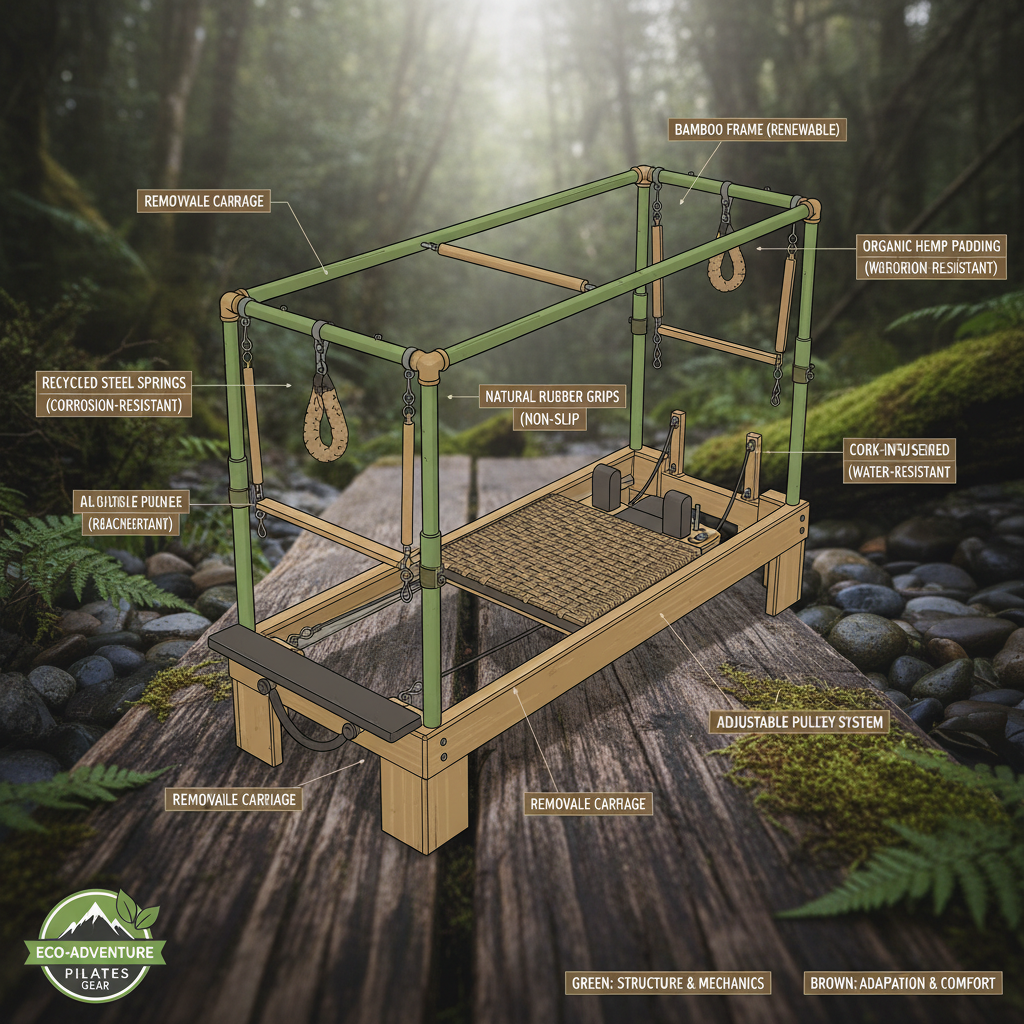
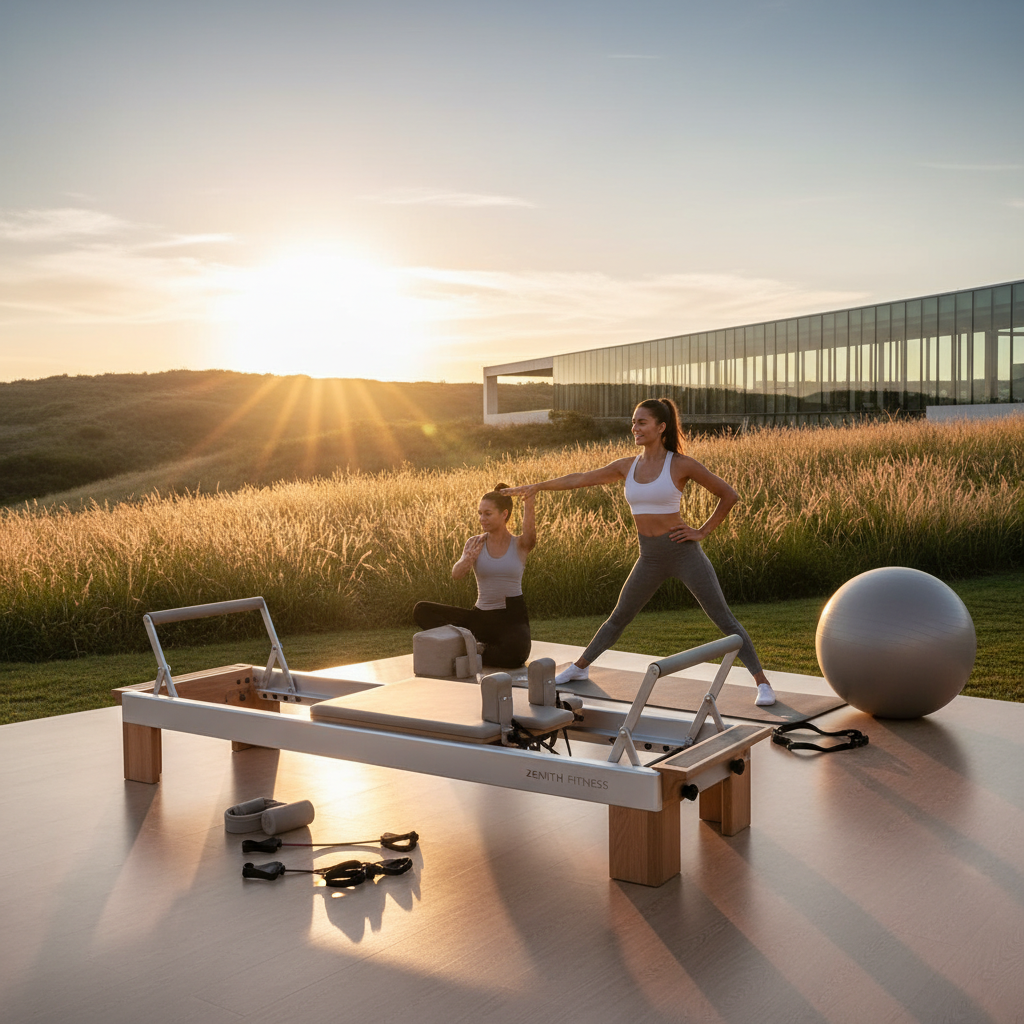
Whether you are managing a high-traffic commercial studio featuring Pilates Cadillac Beds and Reformers or curating a private wellness sanctuary, the logic of verticality is paramount. Understanding the engineering behind a high-quality exercise ball hanger—from load-bearing capacity to material durability—is essential for creating an environment that reflects professional standards of hygiene and efficiency.
Global Relevance of Exercise Ball Hangers
In the current global fitness landscape, the proliferation of "boutique" studios has led to a critical need for space optimization. According to international facility management standards, maximizing usable floor area directly correlates with increased client capacity and safety. An exercise ball hanger addresses the universal challenge of storing oversized, lightweight equipment that inherently resists staying in one place, making it a staple in ISO-compliant gym layouts.
Furthermore, as Pilates and yoga practices expand across Asia and Europe, the integration of complementary equipment—such as the Pilates Chair and Ladder Barrel—requires a cohesive storage strategy. The exercise ball hanger prevents the "clutter effect," which can negatively impact the psychological state of a practitioner, ensuring the environment remains a sanctuary for mindfulness rather than a warehouse of equipment.
Defining the Modern Exercise Ball Hanger
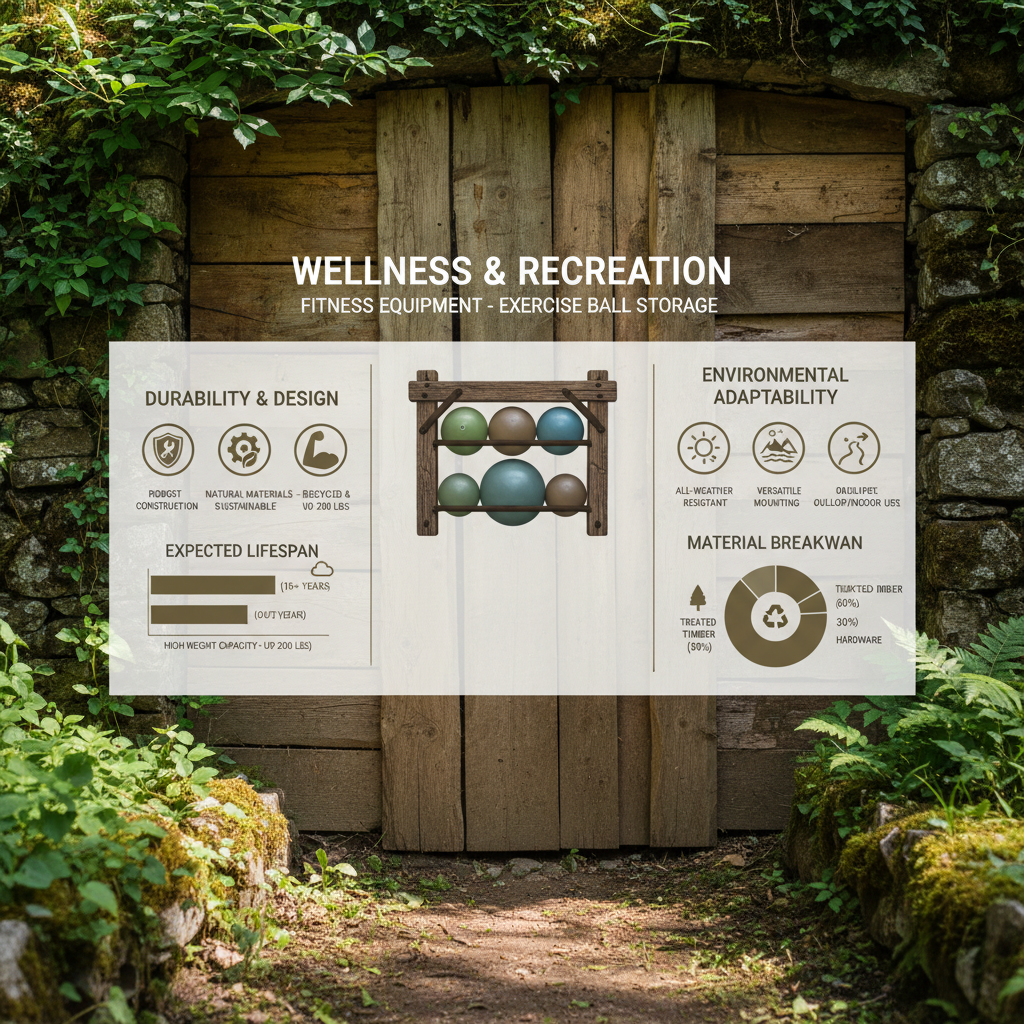
An exercise ball hanger is a specialized architectural or modular fixture designed to suspend stability balls, yoga balls, and similar inflatable equipment off the ground. Unlike simple racks, a professional hanger utilizes a cradling mechanism that prevents the ball from slipping while minimizing the contact points to avoid punctures or material fatigue.
Within the context of modern industrial design, these hangers are no longer just "hooks" but are engineered systems. They often incorporate anti-slip coatings and ergonomic angles, ensuring that a trainer can retrieve a ball in seconds without disrupting the flow of a class. This connection to humanitarian and wellness needs is clear: by reducing trip hazards, the hanger protects users of all mobility levels.
Essentially, the exercise ball hanger represents the intersection of utility and safety. In high-end Pilates studios, where the Spine Corrector and Reformers are the focal points, the hanger acts as the invisible support system that maintains the aesthetic and operational integrity of the space.
Core Components of High-Efficiency Storage
The primary factor in the effectiveness of an exercise ball hanger is its structural durability. High-grade reinforced steel or heavy-duty polymers are required to ensure that the hanger does not bend under the cumulative weight of multiple balls, especially in commercial environments where equipment is moved dozens of times daily.
Scalability is another crucial component. A professional exercise ball hanger system should be modular, allowing a studio owner to add more capacity as their business grows. This ensures that the investment made today remains relevant as more stability balls are introduced to accompany a growing fleet of Pilates Reformers.
Finally, cost-efficiency and ease of installation define the practical application of the exercise ball hanger. By choosing designs that require minimal wall penetration or offer freestanding options, facility managers can implement high-density storage without incurring expensive renovation costs or compromising the building's structural integrity.
Performance Metrics for Storage Solutions
When evaluating the efficiency of an exercise ball hanger, professionals look at specific performance metrics. These include the "Retrieval Speed Index" (how quickly a user can access a ball) and "Space Recovery Ratio" (how much floor space is gained per unit installed). These metrics help studio managers justify the transition from floor-based storage to vertical systems.
By analyzing different mounting methods, we can see a clear variance in stability and user satisfaction. For instance, wall-mounted reinforced hangers typically score higher in stability than lightweight tension-rod systems, making them the preferred choice for high-traffic professional settings.
Comparative Efficiency of Exercise Ball Hanger Designs
Global Applications and Use Cases
The application of the exercise ball hanger extends beyond the typical gym. In physical therapy clinics across North America and Europe, these hangers are used to store different sizes of balls tailored to specific patient needs, ensuring that therapists can switch equipment rapidly during a session without leaving the patient's side.
In more remote industrial zones or corporate wellness centers, where space is often shared between office work and health breaks, the exercise ball hanger allows for the "invisible gym" concept. Equipment is tucked away high on walls, maintaining a professional corporate aesthetic while promoting employee health through intermittent stability training.
Long-Term Value and Sustainability
Investing in a high-quality exercise ball hanger provides tangible long-term financial value. By preventing balls from rolling into high-traffic areas, the risk of accidental punctures and tears is significantly reduced. This extends the lifecycle of the equipment, reducing the frequency of replacements and lowering the overall operational cost of the studio.
From a sustainability angle, durable hangers made from recyclable alloys contribute to a greener fitness industry. By opting for a professional-grade exercise ball hanger rather than cheap, disposable plastic alternatives, owners reduce the amount of landfill waste generated by failing storage equipment.
Beyond the logic of cost, there is an emotional value associated with organization. A clean, well-ordered studio conveys a sense of trust and professionalism. When a client enters a room where every piece of equipment—from the Reformer to the exercise ball hanger—is perfectly placed, it enhances their perception of the trainer's attention to detail and safety.
Future Innovations in Fitness Organization
The future of the exercise ball hanger lies in the integration of "Smart Space" technology. We are seeing a trend toward automated retrieval systems where hangers can be lowered via electronic controls, making equipment accessible to users with limited reach or mobility impairments.
Material science is also evolving, with the introduction of antimicrobial coatings on hanger surfaces to prevent the growth of bacteria and fungi—a critical upgrade for high-humidity environments. These innovations ensure that the exercise ball hanger remains a cornerstone of hygienic studio management.
Additionally, the shift toward modular, "plug-and-play" wall systems allows the exercise ball hanger to be part of a larger ecosystem of storage that includes hooks for resistance bands and shelves for foam rollers, creating a fully integrated wellness wall.
Comparative Analysis of Exercise Ball Hanger Specifications
|
Hanger Model
|
Material Grade
|
Weight Capacity
|
Installation Ease
|
| Pro-Steel Wall Mount |
Industrial Alloy |
High (10/10) |
Moderate |
| Eco-Polymer Hook |
Recycled HDPE |
Medium (6/10) |
Very Easy |
| Modular Rail System |
Powder-Coated Steel |
Very High (10/10) |
Complex |
| Tension-Fit Pole |
Chrome-Plated Steel |
Low (4/10) |
Instant |
| Luxury Studio Arc |
Brushed Aluminum |
High (8/10) |
Moderate |
| Home-Gym Basic |
ABS Plastic |
Low (5/10) |
Easy |
FAQS
For commercial environments, wall-mounted reinforced steel hangers are highly recommended. They provide the maximum stability required for frequent use and ensure that the weight of multiple balls does not cause the fixture to sag. Using heavy-duty anchors in stud walls ensures long-term safety and prevents the hanger from detaching under load.
No, provided you choose a hanger with smooth, rounded edges and a wide cradling surface. High-quality hangers are specifically designed to distribute the weight of the ball, preventing pressure points that could lead to punctures or permanent deformation of the PVC or rubber material.
This depends on the design. Single-arm hangers hold one ball, while modular rail systems or vertical racks can hold anywhere from 5 to 20 balls. When selecting a hanger, always check the weight rating to ensure it can support the combined weight of your specific ball sizes.
Freestanding racks are convenient because they require no drilling, but they have a higher center of gravity. While sufficient for home use, they may be less stable in a professional studio where clients might accidentally bump into them. For maximum safety, wall-mounted options are superior.
Most professional hangers feature a universal "arc" design that accommodates standard diameters (55cm, 65cm, and 75cm). However, some specialized hangers offer adjustable widths to provide a more snug fit for smaller Pilates balls or larger stability balls.
Maintenance is simple: wipe the surfaces with a damp cloth and a mild detergent to remove dust and sweat. For steel hangers, check the mounting screws every six months to ensure they remain tight, especially in high-usage commercial settings.
Conclusion
The implementation of a professional exercise ball hanger is a small change that yields significant operational dividends. By prioritizing vertical storage, studio owners and home fitness enthusiasts can maximize their usable space, eliminate safety hazards, and extend the lifespan of their equipment. From the selection of durable industrial materials to the adoption of modular designs, the right storage solution integrates seamlessly with other Pilates apparatus, creating a cohesive and professional environment.
As the fitness industry continues to evolve toward more integrated and hygienic spaces, the importance of specialized organization will only grow. We encourage facility managers and practitioners to view the exercise ball hanger not merely as an accessory, but as a strategic investment in safety and efficiency. To explore more professional Pilates equipment and storage solutions, visit our website: www.pilatesports.com.