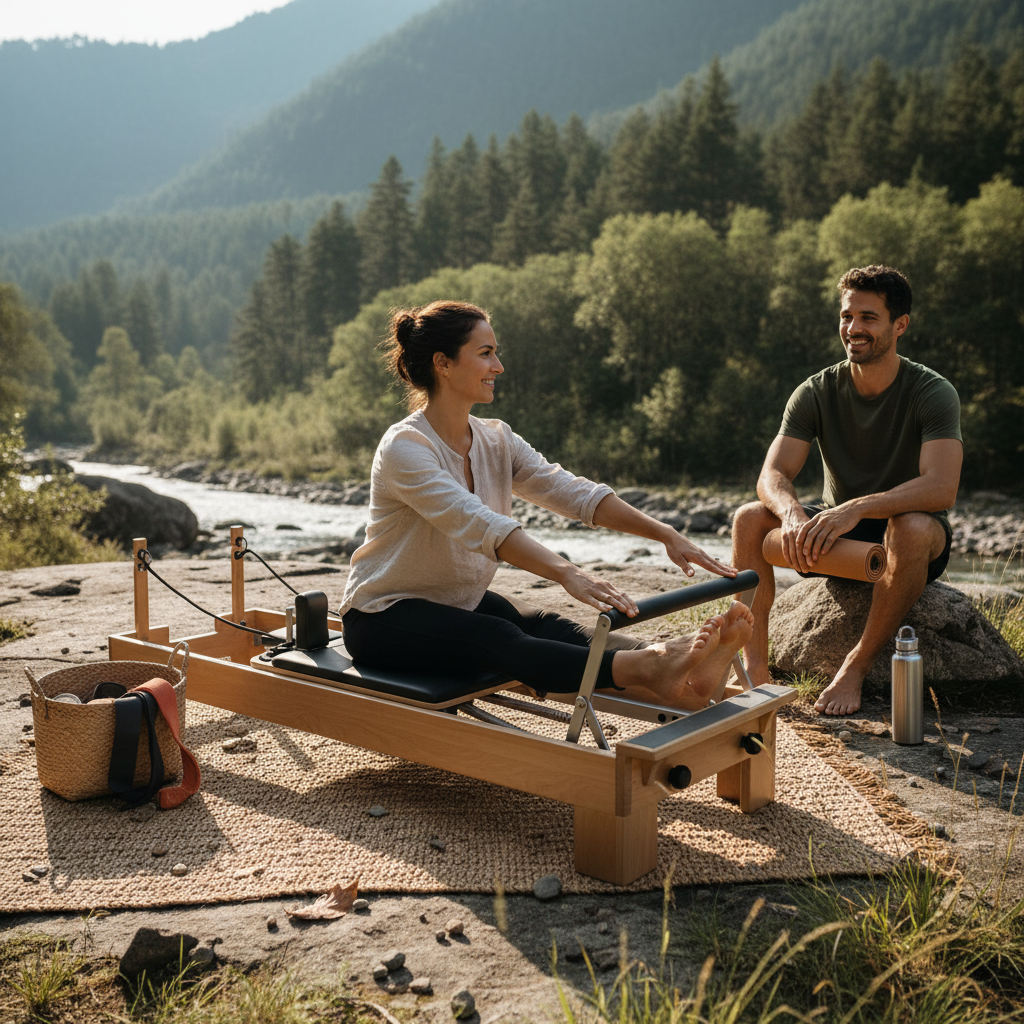
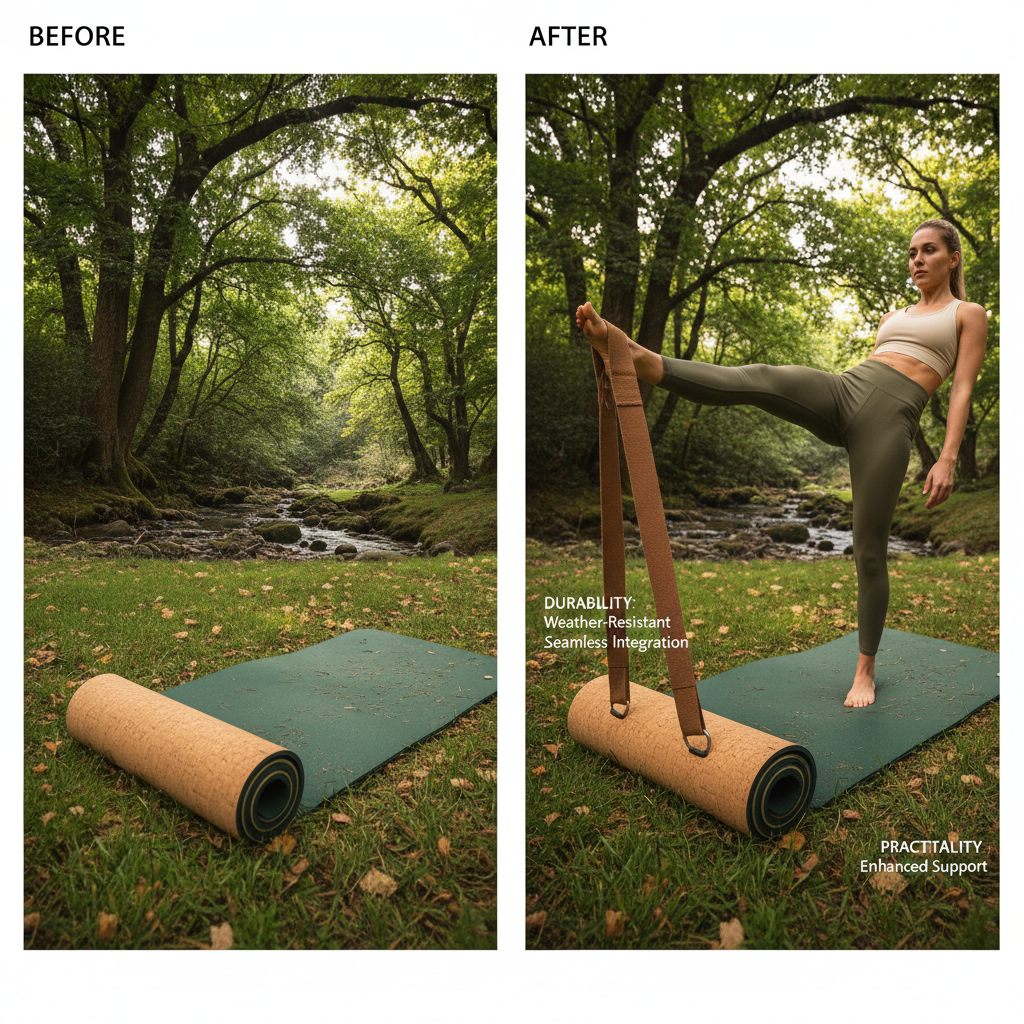
Let’s be straight: folks are realizing they don’t need a fancy gym membership to stay in shape. The convenience and privacy of working out at home, paired with the growing understanding of pilates’ benefits – core strength, flexibility, posture – has driven a big surge in demand for in home pilates equipment. It’s not just a trend; it’s a shift in how people prioritize fitness, and frankly, it's about time. I’ve seen a lot of fitness fads come and go, but pilates, done right, offers lasting benefits, and people are catching on.
The market’s been flooded lately, which is both good and bad. Good because it means innovation and more options for consumers. Bad because it also means a lot of cheaply made, poorly designed equipment out there. I’ve spent enough time on construction sites to know a flimsy build when I see one, and a lot of this stuff just won’t hold up. People want something that lasts, something they can rely on, and that requires quality materials and thoughtful engineering. The demand for durable in home pilates equipment is growing fast.
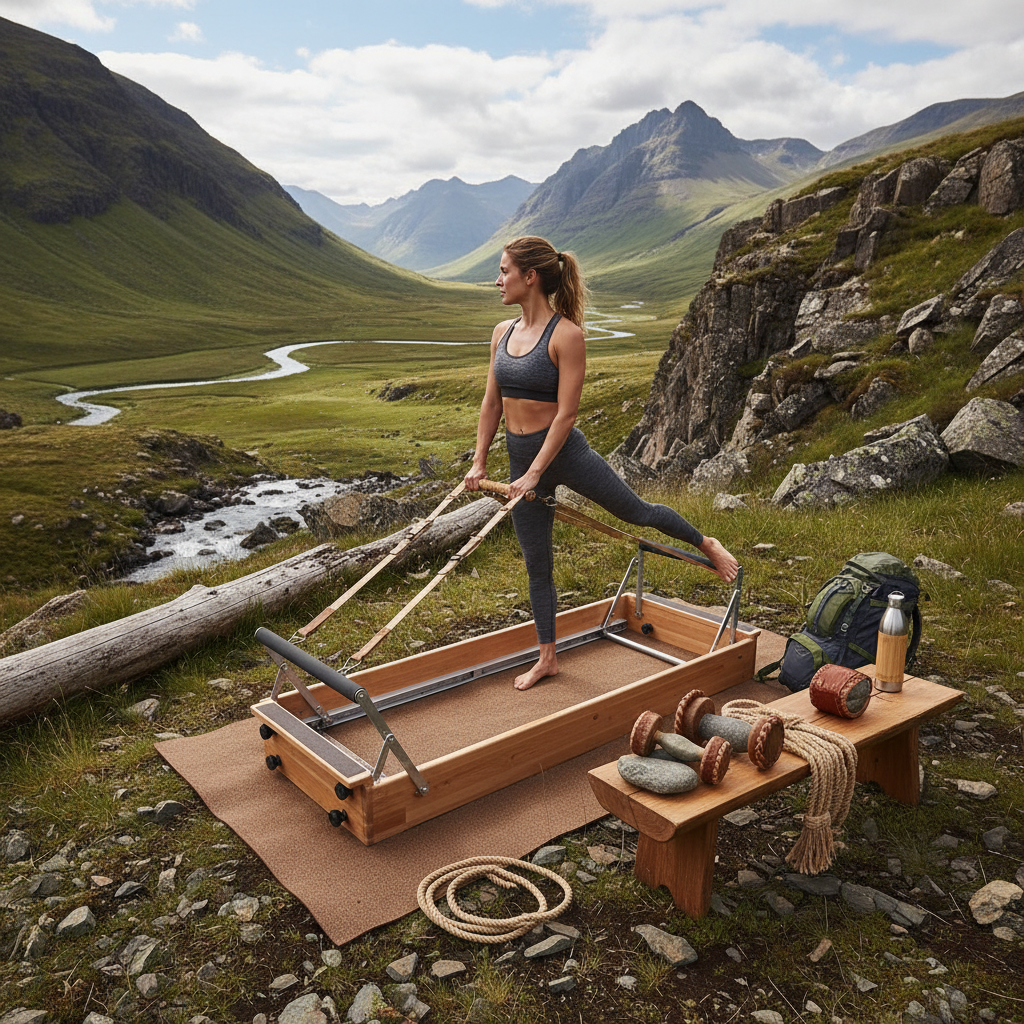
What's driving this? Space. People are living in smaller spaces, especially in urban areas. Traditional gyms are often a hassle to get to and occupy a large chunk of valuable time. With pilates, you can get a full-body workout in a relatively small space, and with the right equipment, it’s incredibly effective. We're seeing more and more compact, versatile systems designed for home use, and that’s where the smart money is going.
The Rise of At-Home Fitness with in home pilates equipment
I’ve seen firsthand how people are transforming spare rooms and corners of their homes into mini-studios. The availability of online pilates classes has been a game-changer, and with the right in home pilates equipment, you can get a studio-quality workout without leaving the house. It's no longer a luxury; it's a practical solution for busy lifestyles.
What’s really driving this is the accessibility. You don’t need to worry about gym hours, crowded classes, or the commute. You can work out on your own schedule, at your own pace, and in complete privacy. This is particularly appealing to people who are new to pilates or who might feel intimidated in a group setting.
Defining in home pilates equipment: Beyond the Basics
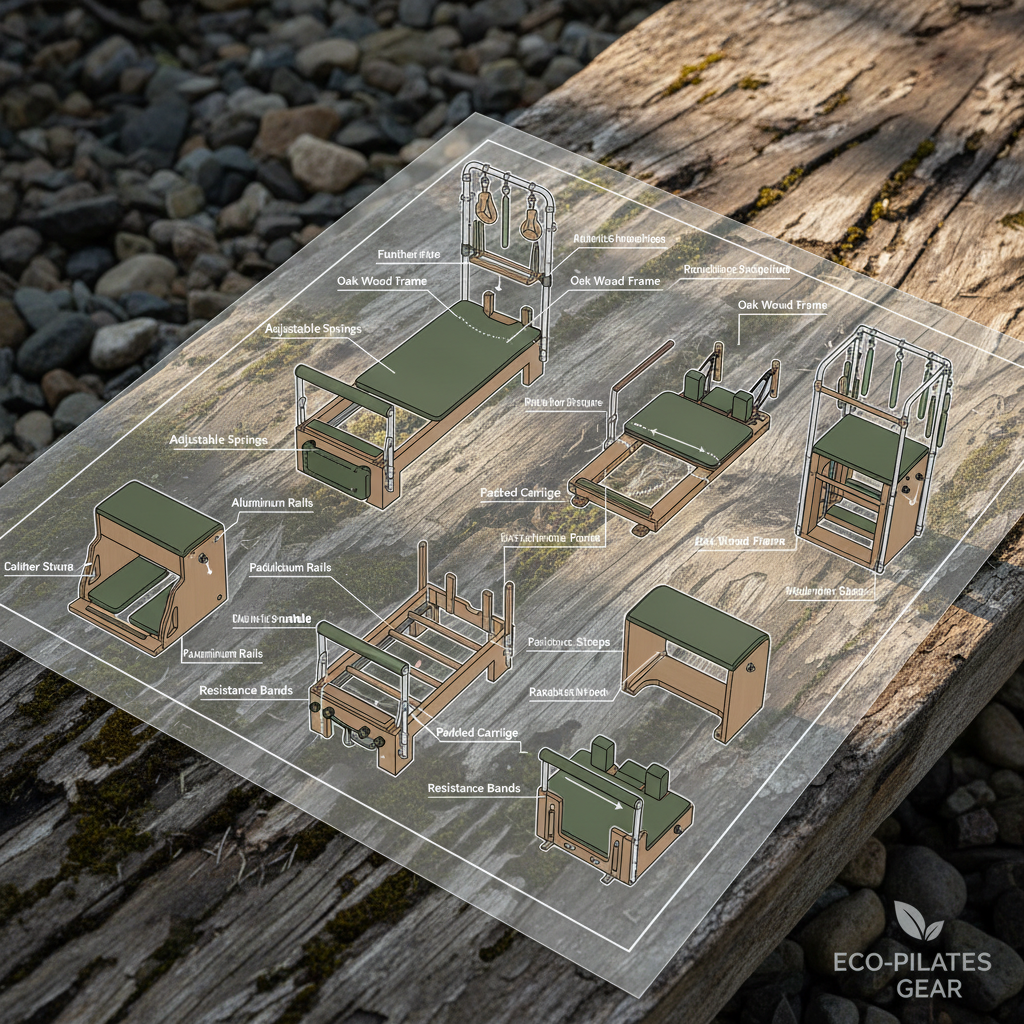
People often think of pilates as just mats and bands, and that’s a good starting point. But true in home pilates equipment goes way beyond that. We’re talking reformers, cadillac machines, chairs, and a whole range of accessories designed to add resistance and challenge. The reformer is the workhorse of pilates, and a good one is a significant investment.
The key is versatility. You want equipment that can adapt to different fitness levels and allow you to progress as you get stronger. A basic reformer can provide hundreds of different exercises, targeting every muscle group in the body. It's not just about building strength; it’s about improving control, coordination, and body awareness.
It’s also about understanding the principles of pilates. It’s not just about doing the exercises; it’s about doing them with proper form and control. That’s where a good instructor, either in person or online, can be invaluable. Having the right equipment only gets you so far; you need to know how to use it effectively.
Key Factors for Quality in home pilates equipment
I’ve spent my career around materials, and let me tell you, not all steel is created equal. Durability is paramount. You want a frame that’s built to withstand repeated use and won’t wobble or creak over time. Look for heavy-gauge steel and solid construction. This is where cheap stuff really falls apart.
Smoothness of operation is another big one. The carriage on a reformer should glide effortlessly, with minimal friction. That requires high-quality bearings and a well-engineered carriage system. Anything jerky or rough is a sign of poor design. Think about it – you’re relying on that smoothness to maintain control and prevent injuries.
Spring quality is often overlooked, but it’s crucial. Pilates reformers use springs to provide resistance, and those springs need to be durable and consistent. Look for stainless steel springs that are clearly marked with their resistance level. Cheap springs will lose their elasticity over time, affecting the effectiveness of your workouts.
Global Applications and Demand for in home pilates equipment
It's not just a Western trend anymore. I’ve been talking to suppliers all over the world, and demand for in home pilates equipment is rising in Asia, the Middle East, and South America. People everywhere are recognizing the benefits of pilates for improving health and well-being.
We’re seeing a lot of interest from physical therapy clinics and rehabilitation centers, too. Pilates is a fantastic way to help people recover from injuries and improve their functional movement. The ability to provide pilates therapy in a patient’s home is a huge advantage, especially for those with limited mobility.
Pilates Equipment Preference Ratings
Advantages and Long-Term Value of in home pilates equipment
The initial investment in quality in home pilates equipment can be significant, but it's an investment in your long-term health and well-being. Think of it as a preventative measure, like a good pair of work boots. It saves you money on healthcare down the road.
The convenience factor alone is worth the price of admission. No more wasted time commuting to and from the gym. No more waiting for equipment to become available. You can work out whenever and wherever you want. And that consistency is key to achieving lasting results.
Future Trends and Innovations in in home pilates equipment
I’m seeing a lot of innovation in the area of smart pilates equipment. Machines with built-in sensors that track your movements and provide real-time feedback. Virtual reality pilates classes that immerse you in a studio environment. The integration of technology is going to take pilates to the next level.
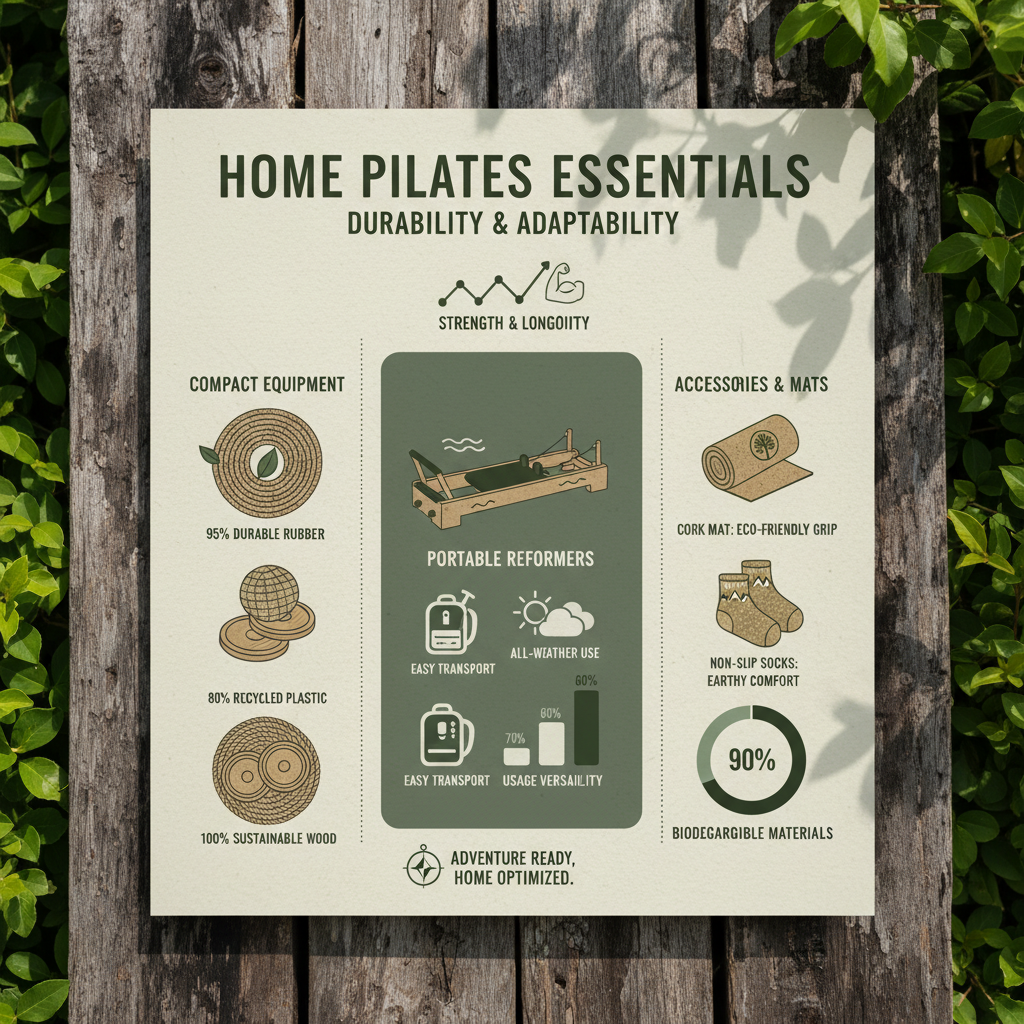
There's also a growing focus on sustainability. Manufacturers are using more eco-friendly materials and designing equipment that’s built to last. That’s important to me. I’ve always believed in buying quality products that are made to endure.
We are also seeing a push for more compact and foldable equipment. Space is at a premium for many, and manufacturers are responding by creating systems that can be easily stored when not in use.
Challenges and Solutions in the in home pilates equipment Market
One of the biggest challenges is the sheer volume of low-quality products flooding the market. It’s hard for consumers to know what they’re getting. That's why I emphasize doing your research and buying from reputable brands.
Another challenge is the cost. Quality in home pilates equipment is expensive, and that puts it out of reach for some people. Financing options and payment plans can help make it more accessible.
Finally, there's the issue of space. Not everyone has a dedicated room for a home gym. Manufacturers need to continue to innovate and develop equipment that’s compact and versatile.
Key Comparison Factors for in home pilates equipment
| Equipment Type |
Space Requirement |
Price Range (USD) |
Versatility & Exercise Variety |
| Pilates Reformer |
Large (8ft x 3ft) |
$2,000 - $5,000+ |
Excellent (Hundreds of exercises) |
| Pilates Mat |
Minimal (6ft x 2ft) |
$50 - $200 |
Good (Foundation for many exercises) |
| Pilates Chair |
Medium (3ft x 2ft) |
$500 - $1,500 |
Very Good (Focus on core and stability) |
| Pilates Cadillac |
Very Large (10ft x 4ft) |
$3,000 - $8,000+ |
Exceptional (Advanced exercises, full body) |
| Pilates Bands |
Minimal (Portable) |
$20 - $100 |
Limited (Supplemental resistance) |
| Compact Pilates System |
Small (5ft x 2ft) |
$1,000 - $3,000 |
Good (Balance between space and function) |
FAQS
While the fundamental principles are the same, home reformers often prioritize portability and a smaller footprint. Studio reformers are usually more robustly built for heavy commercial use and may offer a wider range of adjustments. However, high-quality home reformers can provide a very similar experience. You’ll want to focus on the smoothness of the carriage and the quality of the springs.
It really depends on the equipment you choose. A pilates mat requires minimal space – just enough to lie down and move your arms and legs. A reformer, on the other hand, needs a dedicated area of around 8ft x 3ft. Consider the space around the equipment for safe movement and access.
It's highly recommended, especially when you're starting out. Proper form is crucial to avoid injuries and maximize the benefits of pilates. An instructor can provide personalized guidance and ensure you’re performing the exercises correctly. Online classes are a great option if you can't attend in-person sessions.
Regular cleaning is essential to keep your equipment in good condition. Wipe down the frame and carriage after each use with a mild cleaner. Check the springs regularly for any signs of wear and tear. Lubricate the carriage wheels periodically to ensure smooth movement.
For beginners, focus on foundational exercises like the Hundred, Roll Up, and Single Leg Circles. These exercises help build core strength and body awareness. Start with a lower spring setting and gradually increase the resistance as you get stronger. Always prioritize proper form over speed or intensity.
Look for heavy-gauge steel frames, high-quality springs, and smooth-gliding carriages. Read reviews from other customers and check the manufacturer's warranty. Don’t be afraid to ask questions about the materials and construction. A reputable brand will be transparent about their products.
Conclusion
The surge in demand for in home pilates equipment isn't just a fleeting trend; it reflects a fundamental shift in how people approach fitness. The convenience, accessibility, and long-term health benefits of pilates make it an increasingly appealing option for individuals of all ages and fitness levels. Investing in quality equipment is an investment in your overall well-being.
Looking ahead, we can expect to see continued innovation in the area of smart pilates equipment, with a growing emphasis on sustainability and portability. By prioritizing quality, proper form, and personalized guidance, individuals can unlock the full potential of pilates and enjoy a lifetime of improved health and fitness. For more information and to explore our range of premium in home pilates equipment, visit our website: www.pilatesports.com