Look, I’ve spent the last 15 years knee-deep in dust and concrete, watching fitness trends come and go. But the Pilates reformer? That’s a piece of kit that's truly earned its place, and increasingly, people are realizing they need a solid foundation for it - a pilates reformer stand for sale. It’s not just about the workout anymore; it's about safety, space optimization, and frankly, getting the most out of your investment. I've seen makeshift setups, and they're just accidents waiting to happen. A dedicated stand is the difference between a sustainable practice and a quick trip to the ER.
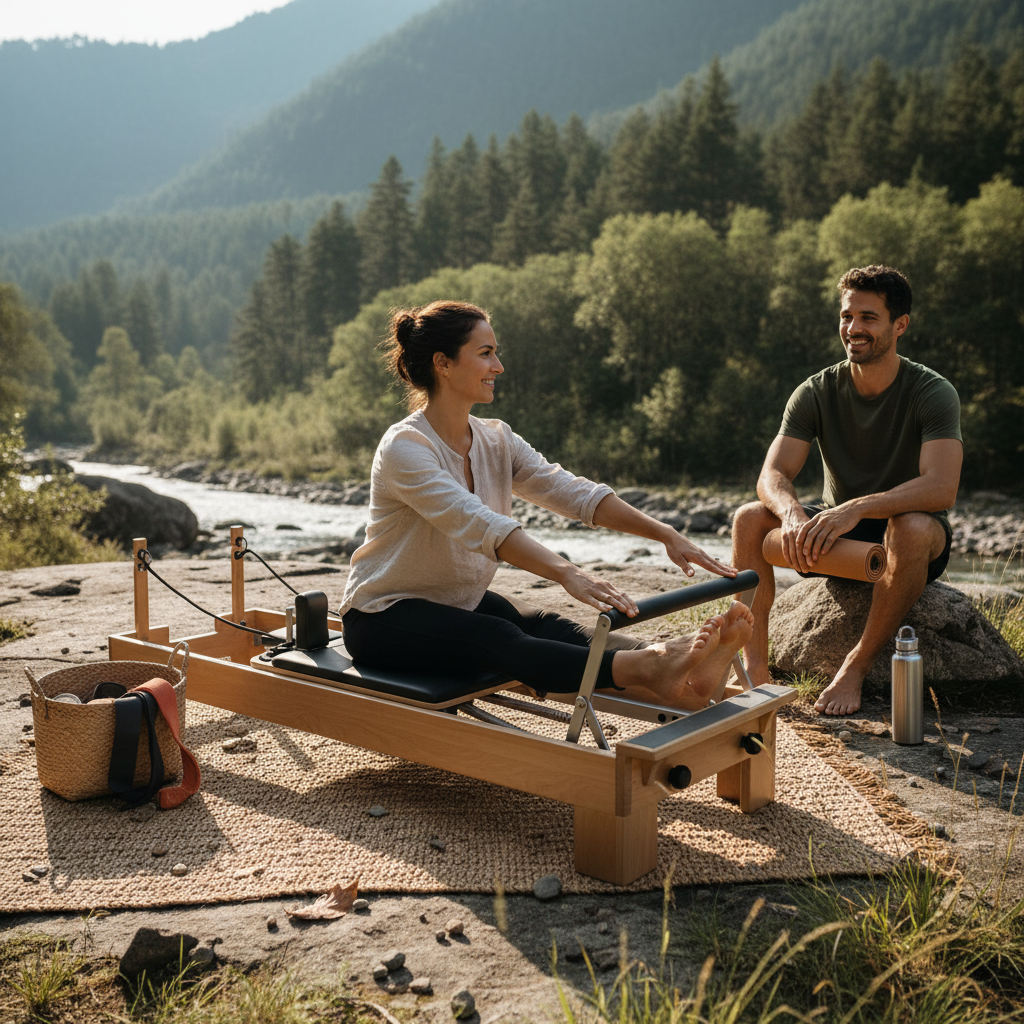
What's really driving the demand? More folks are doing home workouts – and not just the weekend warriors. We're talking serious athletes, rehab patients, and dedicated fitness enthusiasts. Space is at a premium in cities, so they need solutions that maximize their footprint. A good pilates reformer stand does exactly that – elevates the reformer, frees up floor space, and often provides built-in storage. I’ve talked to countless clients who said it transformed their workout area.
And it’s not just residential. I’ve seen these popping up in smaller physiotherapy clinics, boutique fitness studios, even some corporate wellness centers. They're looking for professional-grade equipment that doesn't break the bank or require a complete overhaul of their space. A quality pilates reformer stand for sale is a surprisingly versatile addition to any fitness setup.
The Importance of a Solid Foundation
Let's be real: a reformer is a hefty piece of equipment. Throwing it directly onto the floor isn't just bad for your floors; it’s unstable. A pilates reformer stand for sale provides that crucial stability, preventing tipping and shifting during intense workouts. I’ve seen people try to DIY solutions – wooden blocks, furniture risers – and it’s just not worth the risk.
More than just safety, a good stand improves the mechanics of the reformer. It raises it to the optimal height for both the user and the instructor (if you're taking classes), making adjustments and demonstrations easier. That's a big deal when you’re talking about proper form and preventing injuries.
Understanding Pilates Reformer Stands
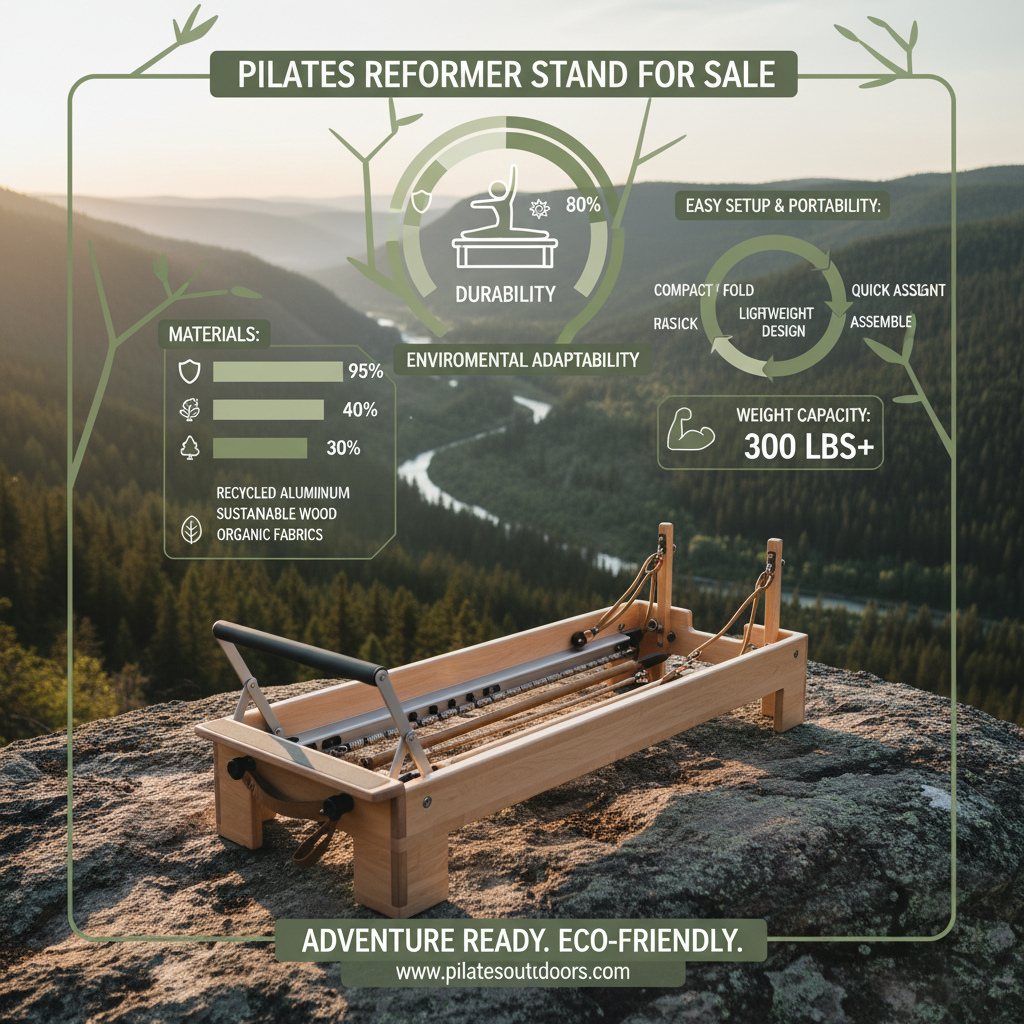
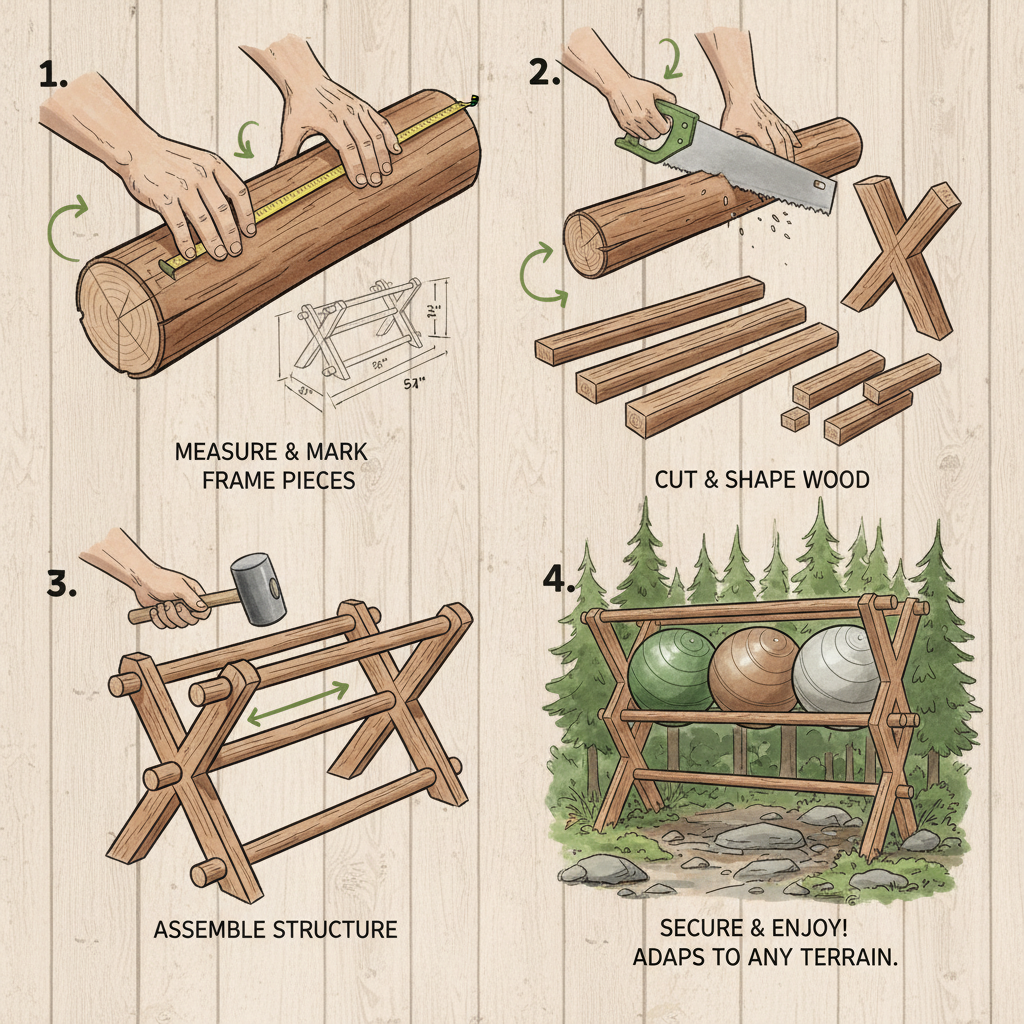
These aren't all created equal, folks. You've got everything from simple, foldable stands made of steel to more elaborate, custom-built wooden structures. The material matters – steel is generally more durable and can handle heavier reformers, but wood can offer a more aesthetic appeal. The construction quality is key. Look for sturdy welds, reinforced joints, and a finish that can withstand sweat and wear and tear.
Think about adjustability. Some stands offer height adjustments, which is fantastic if you have multiple users or want to vary your workout. Others have built-in storage for springs, straps, and other accessories. It’s these little features that really make a difference in everyday use. I always tell people to measure their reformer and their space before buying. Don't just assume it will fit.
And don't overlook the weight capacity. Reformers vary in weight, so make sure the stand you choose can safely support yours. It's not something you want to find out the hard way. A pilates reformer stand for sale should be an investment in your long-term practice, not a source of worry.
Key Factors to Consider When Purchasing
First off: material. Steel is tough, no question. It’s what I’d recommend for heavy-duty use and commercial settings. But good quality wood can also be incredibly strong and offer a more refined look. Then there's the weight capacity – again, crucial. Don't skimp on this.
Adjustability is another big one. Can you tweak the height to suit your needs? Is it easy to fold up and store if you’re short on space? These are things to think about. Also, consider the footprint. How much floor space will the stand take up? Measure carefully!
Finally, think about the price. You can find stands ranging from a couple of hundred bucks to well over a thousand. Don't just go for the cheapest option. Invest in a quality stand that will last. After all, you're protecting your investment in the reformer itself.
Global Applications and Market Trends
The demand for pilates reformer stands for sale isn’t just a North American thing. I've been talking to suppliers who are seeing a surge in orders from Europe, Australia, and even parts of Asia. There's a growing awareness of the benefits of Pilates globally, and with that comes the need for proper equipment.
We’re seeing a lot of growth in the home fitness market, driven by convenience and cost savings. People are setting up dedicated workout spaces in their homes, and a reformer stand is a key part of that setup. I’ve also noticed an increase in demand from small, boutique studios that are trying to maximize space and offer a premium experience.
Interestingly, there’s also a growing market in rehab facilities. Physical therapists are using reformers to help patients recover from injuries, and a stand makes the reformer more accessible and easier to adjust for different patients.
Pilates Reformer Stand Market Share by Type
Advantages and Long-Term Value
Look, it’s simple: a good stand protects your investment. Reformers aren’t cheap. A stand prevents damage to the reformer and your floors, saving you money in the long run. That’s a direct cost saving.
Beyond that, it’s about convenience and usability. It makes the reformer more accessible and easier to use, which encourages consistent practice. And consistent practice leads to better results. It also frees up valuable space, making your workout area more functional.
Future Innovations and Materials
We're starting to see more stands incorporating sustainable materials – bamboo, recycled steel, things like that. Consumers are demanding eco-friendly options, and manufacturers are responding. I've also heard whispers about stands with integrated smart technology – sensors that track reformer usage and provide feedback on form.
Another trend I'm watching is the development of modular stands – stands that can be easily customized and expanded to accommodate different reformer sizes and accessories. That’s going to be a game-changer for studios and multi-user environments.
Challenges and Finding the Right Fit
The biggest challenge? Sifting through all the options. There's a lot of junk out there, and it's easy to get overwhelmed. I always advise people to do their research, read reviews, and talk to other Pilates enthusiasts. Don’t be afraid to ask questions.
Another challenge is finding a stand that fits your specific reformer model. Reformers come in different sizes and configurations, so you need to make sure the stand is compatible. Check the manufacturer’s specifications before you buy.
Ultimately, the right pilates reformer stand for sale is the one that meets your needs, fits your space, and provides a safe and stable foundation for your practice. Don't settle for anything less.
Summary of Pilates Reformer Stand Selection Criteria
| Material |
Weight Capacity |
Adjustability |
Price Range |
| Steel |
400-600 lbs |
Limited |
$200 - $400 |
| Wood |
300-500 lbs |
Minimal |
$150 - $300 |
| Steel (Adjustable) |
450-650 lbs |
Height Adjustable |
$300 - $600 |
| Aluminum |
350-550 lbs |
Limited |
$250 - $500 |
| Wood (Modular) |
350-550 lbs |
Highly Customizable |
$400 - $800 |
| Commercial Grade Steel |
600+ lbs |
Minimal |
$500 - $1000+ |
FAQS
Always overestimate the weight capacity needed. Most reformers weigh between 300-500lbs, but you want a stand that can handle at least 600lbs to provide a safety margin. Dynamic movements on the reformer can create additional stress, so it's better to be safe than sorry. Consider future upgrades or potential use by heavier individuals when making your choice.
Carefully measure your space before purchasing. Consider the footprint of the stand itself, plus the space needed for the reformer and comfortable movement around it. Foldable stands are a great option for smaller spaces. Also, think about ceiling height – you don’t want the reformer and stand to feel cramped. It's always better to have a little extra space than to feel confined.
Both materials have their pros and cons. Steel is generally more durable and can handle heavier loads. Wood can be more aesthetically pleasing and may offer a warmer feel. The best choice depends on your budget, aesthetic preferences, and the intensity of use. For commercial studios, steel is usually the preferred option due to its durability.
Look for stands with a wide base and non-slip feet. Ensure all joints are securely welded or bolted. Periodically inspect the stand for any signs of wear and tear. Always follow the manufacturer’s instructions for assembly and use. If you notice any instability, discontinue use immediately and consult with a professional.
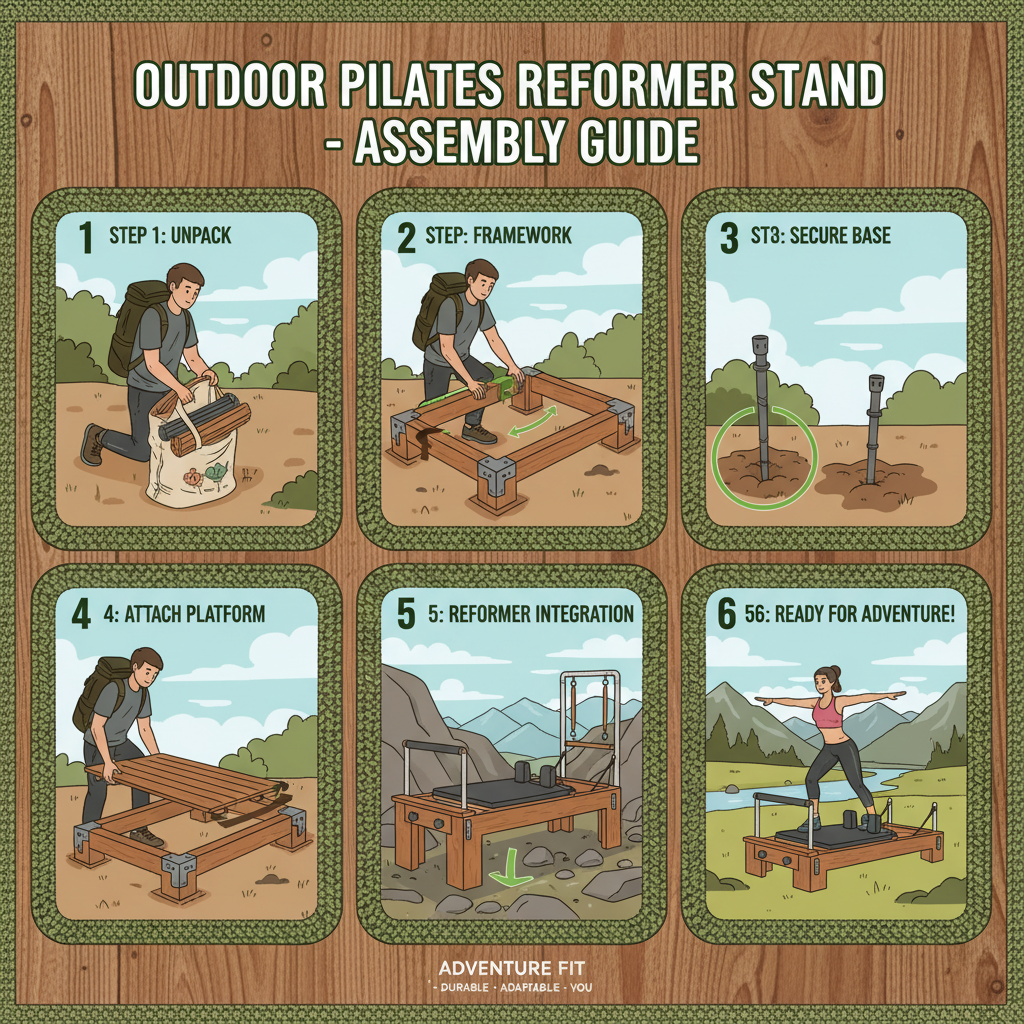
Many stands are designed for DIY assembly, but the complexity varies. Read the instructions carefully and ensure you have the necessary tools. If you’re not comfortable with assembly, consider hiring a professional. Incorrect assembly can compromise the stand's stability and safety. It's worth the investment for peace of mind.
Warranties vary by manufacturer, but most stands come with at least a one-year warranty against defects in materials and workmanship. Look for a warranty that covers both parts and labor. A longer warranty is often an indication of higher quality. Read the fine print to understand the terms and conditions of the warranty.
Conclusion
Ultimately, a pilates reformer stand for sale isn’t just an accessory; it’s a foundational investment in your Pilates practice. It's about safety, space optimization, and maximizing the benefits of your reformer. By carefully considering your needs and choosing a quality stand, you can create a stable, functional, and enjoyable workout environment.
Don’t underestimate the long-term value. A well-chosen stand will protect your investment, enhance your practice, and provide years of reliable service. Take the time to do your research, ask questions, and choose a stand that’s right for you. And if you’re looking for a great selection and expert advice, visit our website: www.pilatesports.com.