
Reformer Machine Cost Explained: What Drives Pricing in 2024
Understanding reformer machine cost: What Drives the Price?
Having spent over a decade in the industrial equipment sector, I’ve seen pricing on machinery swing quite a bit, often for reasons not immediately obvious to outsiders. Take the reformer machine, for example. While many associate it with physical fitness studios or Pilates classes, reformer machines—especially industrial or commercial-grade ones—are fascinating from both an engineering and costing perspective.
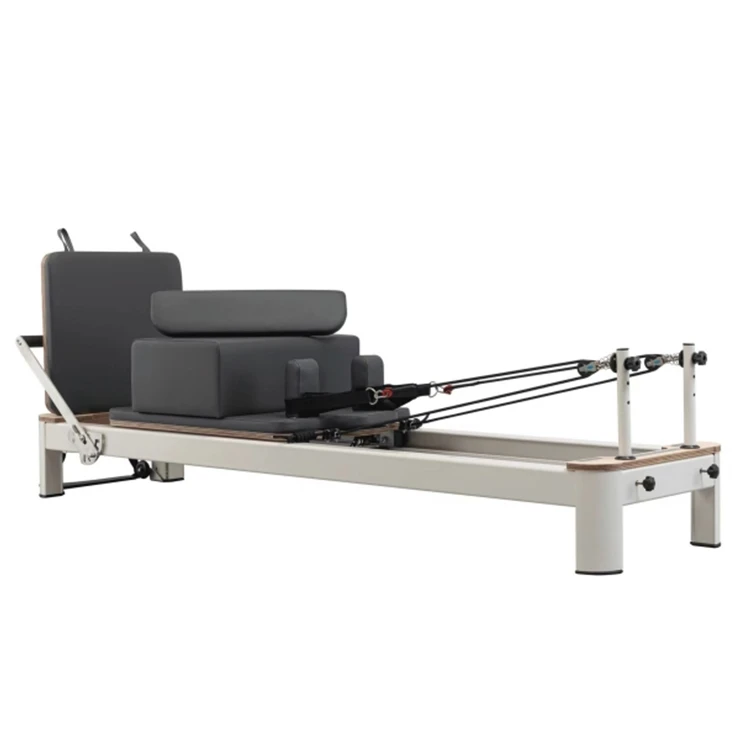
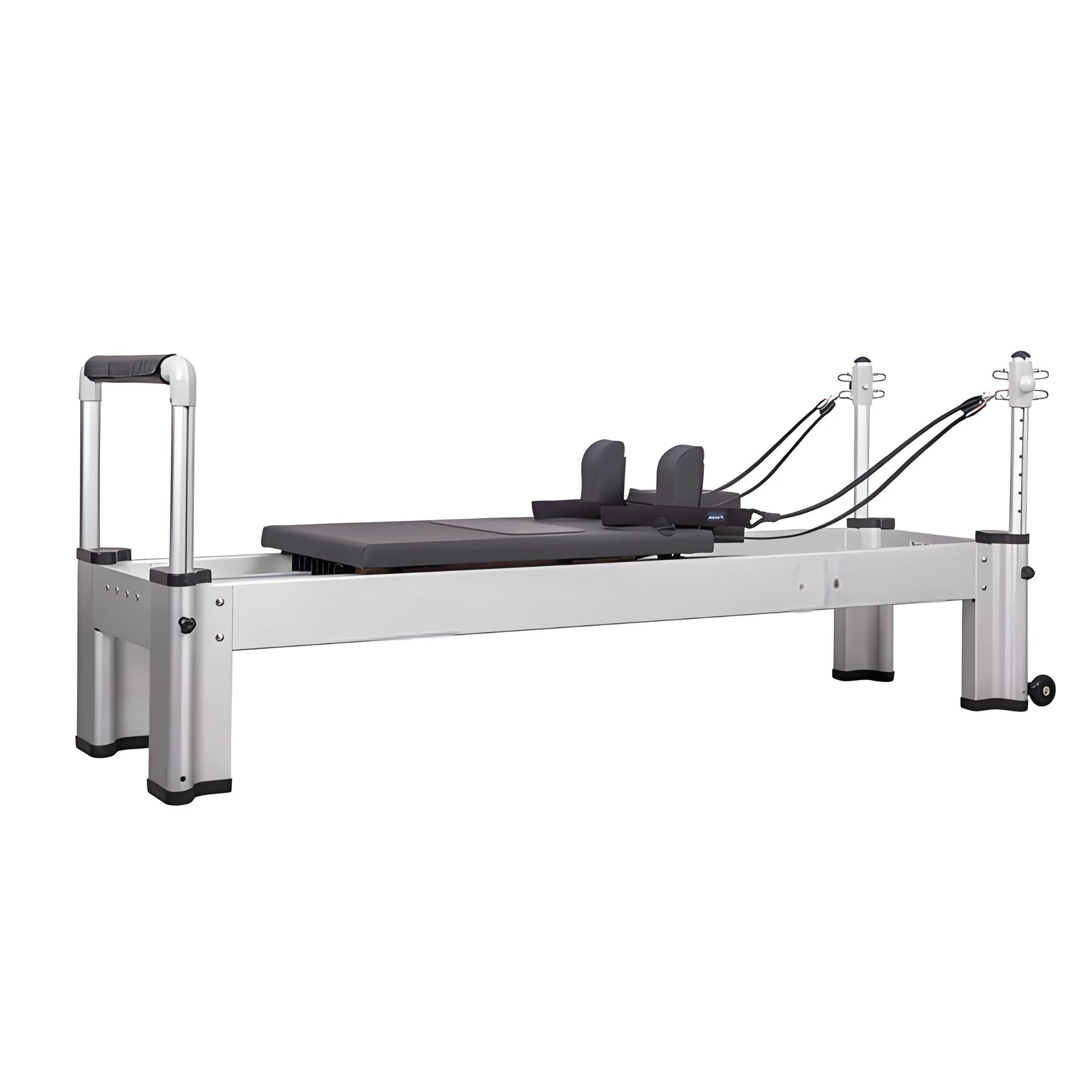
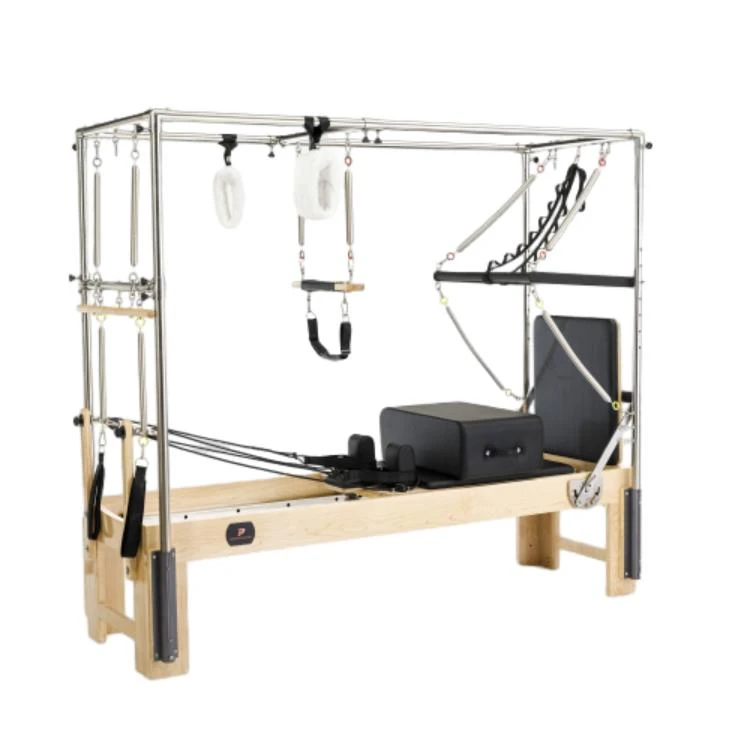
So what makes a reformer machine cost what it does? In real terms, it’s a mix of materials, design complexity, manufacturing precision, and, oddly enough, the brand’s pedigree. People often underestimate the craftsmanship involved, especially since the machine incorporates a unique combination of moving parts, high-tension springs, and, sometimes, custom upholstery or frame finishes.
From my experience, the price reflects how well the machine is built to last. Many engineers I worked with emphasize the importance of robust frame materials—often aircraft-grade aluminum or reinforced steel. This isn’t your run-of-the-mill workout tool; it’s an industrial-grade product that needs tight tolerances to ensure smooth operation. Frankly, corners cut here usually mean faster wear or erratic performance down the line.
| Feature | Specification |
|---|---|
| Frame Material | Anodized Aluminum or Powder-coated Steel |
| Length | 140 – 160 cm (varies by model) |
| Height | 25 – 35 cm |
| Adjustable Springs | 4 to 6 tension levels |
| Max User Weight | Up to 135 kg (approx. 300 lbs) |
| Additional Features | Custom upholstery, optional accessories |
Oddly enough, even within the ‘same specs’ category, two machines can have very different price points. I remember working on a project where the client was baffled by this. The reason? Vendor reputation and after-sales service often add a premium. Also, certifications—like ISO or specialized safety approvals—can nudge prices up. These credentials assure buyers that the machine has passed rigorous testing, a critical factor especially when outfitting professional studios or rehab centers.
To put this into perspective, here’s a quick vendor comparison table capturing some key cost and service differences:
| Brand | Price Range (USD) | Warranty | Lead Time | Notable Features |
|---|---|---|---|---|
| FlexForm Pro | $1,800–$2,200 | 5 years frame | 2-3 weeks | Custom colors, advanced spring system |
| CoreFit Elite | $2,300–$2,800 | 7 years structural | 4-5 weeks | Ergonomic design, certified biofoam padding |
| StudioPro Classic | $1,400–$1,700 | 3 years frame | 1-2 weeks | Basic model, quick delivery |
I personally like the FlexForm Pro line for its balance between cost and high-end features. In fact, a local studio owner once told me how investing in a premium reformer saved them maintenance headaches down the line—apparently, cheaper machines meant frequent part replacements, which disrupted classes often. That kind of anecdote sticks with me because it highlights a practical angle beyond specs or specs sheets.
Customization plays a surprisingly big role in price, too. Changing upholstery, adding foot straps, or tweaking length and resistance capabilities can all ratchet up the cost. But in commercial settings, that flexibility is invaluable. Tailoring equipment to user needs keeps instructors and clients happy — and frankly, that’s worth the few extra dollars.
In conclusion, when you see a reformer machine cost listed, remember you’re not just paying for a machine. You're investing in engineering precision, safety certifications, brand reputation, and customer experience. It might feel like a steep price upfront, but, trust me, good industrial design really does pay off over time.
Takeaway: Don’t skimp on reformer quality — it’s a classic case of “you get what you pay for,” and with equipment like this, reliability and user comfort are non-negotiable.
References:
1. Industry Equipment Cost Reports, 2023
2. User Interviews: Pilates Studios, 2022
3. Manufacturing Process Insights, Internal Company Archives
Latest news
-
Professional Pilates Cadillac Reformer for Sale and Buyer GuideNewsApr.16,2026
-
Professional Guide to Finding the Best Pilates Cadillac for SaleNewsApr.09,2026
-
Find the Perfect Cadillac Reformer Combo for Sale and Elevate Your Pilates PracticeNewsApr.07,2026
-
Choosing the Ideal Wooden Pilates Reformer Machine for Your Fitness JourneyNewsApr.04,2026
-
Choosing the Right Wooden Pilates Equipment for Studio and Home UseNewsMar.31,2026
-
Understanding the Versatility and Benefits of the Wood Reformer for PilatesNewsMar.28,2026
- Address
- Room 1601, 1302, Building A, Zijingguandi, Qiaodong District, Xingtai City, Hebei Province, China
- Sandra@raetin.com
- Phone
- +86 18231139331