
Reformer Pilates Machine Cost: What You Need to Know
Understanding reformer pilates machine cost: What to Expect When Investing
Having spent over a decade working within the industrial equipment sector—watching machines, materials, and trends shift—I've seen that the cost of buying a reformer pilates machine can vary dramatically. It’s a topic worth unpacking, especially if you’ve never really dived into what shapes those price tags. Oddly enough, it’s not just about wood or metal—it’s a blend of design, craftsmanship, and those finer technical details people tend to overlook.
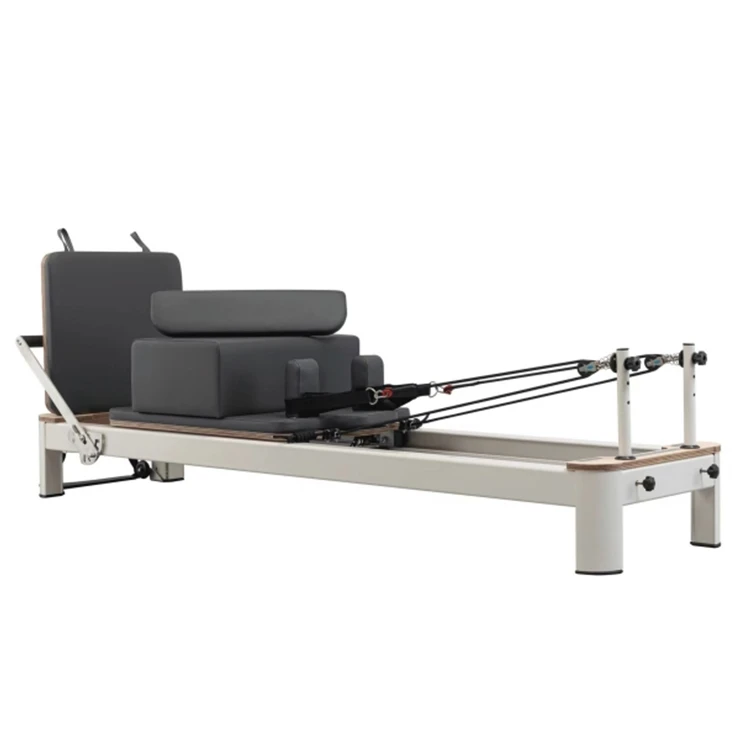
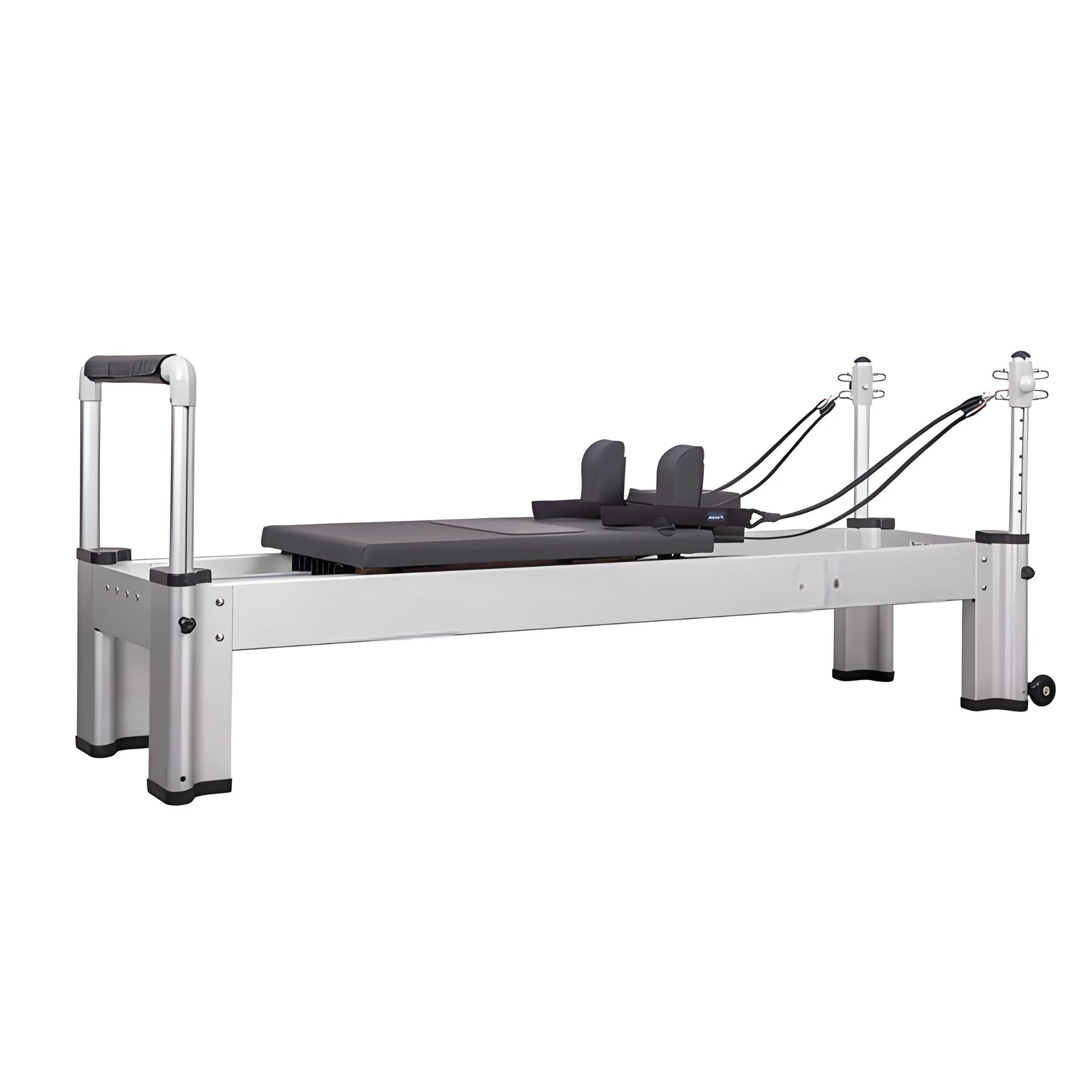
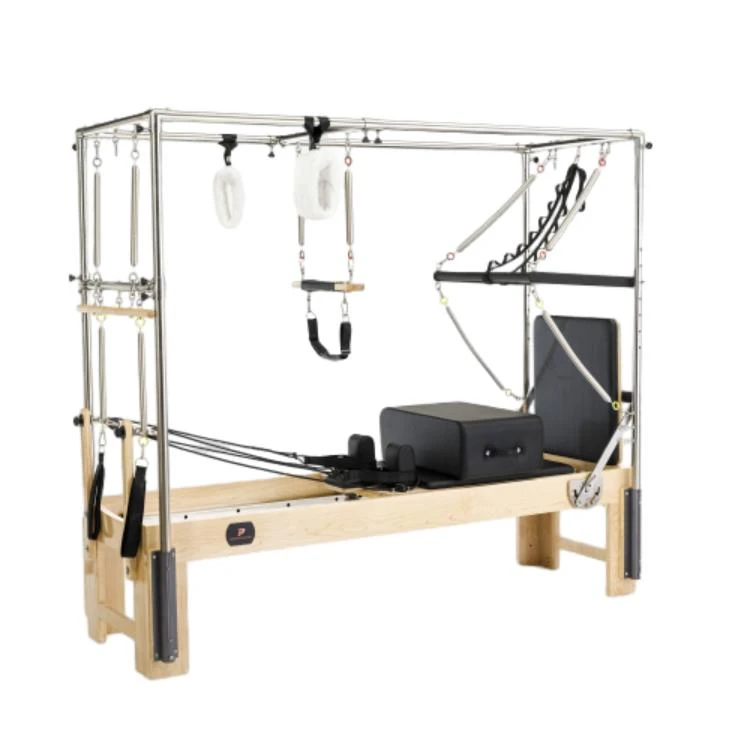
In real terms, a reformer pilates machine is as much about precision engineering as it is about user comfort. From the sturdy frame that must both support and glide smoothly, to the springs calibrated to exact tension levels—it all adds up. Most manufacturers now blend high-quality aluminum or hardwood for durability and aesthetics, which frankly isn’t cheap. And since these machines require rigorous testing to meet safety standards, that bumps prices up too.
Interestingly, while many think of a reformer as a simple piece of exercise equipment, it’s really a complex apparatus designed to provide resistance and support simultaneously. This balance demands a careful selection of components—a process that, as an equipment veteran, I find fascinating. For example, some of the best models integrate adjustable carriage systems and footbars with multi-level resistance springs, letting users customize their workouts precisely. This customization usually shifts the cost upward, but honestly, it pays off for durability and user experience.
Reformer Pilates Machine - Typical Specifications
| Specification | Details |
|---|---|
| Frame Material | Hardwood or Aluminum Alloy |
| Dimensions (L×W×H) | Approx. 80" × 26" × 14" |
| Max User Weight | 300 lbs (136 kg) |
| Spring Resistance Levels | 5 to 10 adjustable tension springs |
| Weight | 45–65 lbs (20–30 kg) |
| Additional Features | Adjustable footbar, padded carriage, optional ropes/handles |
Now, you might wonder about the widely varying prices. I’ve come across commercial reformers that run upwards of $3,500 while some basic home units hover closer to $800. The difference? Largely build quality and brand reputation.
Speaking of brands, here’s a quick vendor comparison I’ve jotted down from years of sourcing and testing equipment:
| Vendor | Average Cost | Material | Warranty | Notable Feature |
|---|---|---|---|---|
| PilatesPort | $1,200 - $1,700 | Hardwood | 5 years | Ergonomic carriage design |
| ProPilates Equipment | $2,000 - $3,500 | Aluminum Alloy | 10 years | High spring count, commercial-grade |
| BudgetFlex | $700 - $1,000 | Pine Wood / Steel | 2 years | Compact, lightweight |
Having installed and maintained dozens of these machines in fitness centers and physical therapy clinics, I’ve learned something: a higher price usually correlates with a longer lifespan and better user experience. One client of mine customized their home reformer with extra springs and upgraded the footbar, and noted their workout felt “just right” — a testament to how small investment tweaks can matter.
So if you’re in the market, keep in mind that although the cost can be intimidating upfront, the value lies in how well the reformer holds up and serves your unique practice. I suppose, like with any industrial equipment, it boils down to balancing initial investment against durability, comfort, and features.
For anyone curious to dig deeper, I definitely recommend checking out reformer pilates machines there—lots of good options and honest specs.
In my years around these machines, one thing’s clear: quality reformers are investments in your health, and price tags will usually reflect that in some form or another.
Reflection: I find it fascinating how something that looks so elegant and simple is actually the result of engineering finesse, user-focused design, and careful material selection. It’s a small reminder: in both fitness and equipment, often the best things come with a thoughtful price.
References:
1. Industry standards and manufacturing insights, Industrial Equipment Journal, 2023.
2. Customer testimonials from physical therapy practices, 2022.
3. Manufacturer warranty reports and product specs, various vendors 2023.
Latest news
-
Professional Pilates Cadillac Reformer for Sale and Buyer GuideNewsApr.16,2026
-
Professional Guide to Finding the Best Pilates Cadillac for SaleNewsApr.09,2026
-
Find the Perfect Cadillac Reformer Combo for Sale and Elevate Your Pilates PracticeNewsApr.07,2026
-
Choosing the Ideal Wooden Pilates Reformer Machine for Your Fitness JourneyNewsApr.04,2026
-
Choosing the Right Wooden Pilates Equipment for Studio and Home UseNewsMar.31,2026
-
Understanding the Versatility and Benefits of the Wood Reformer for PilatesNewsMar.28,2026
- Address
- Room 1601, 1302, Building A, Zijingguandi, Qiaodong District, Xingtai City, Hebei Province, China
- Sandra@raetin.com
- Phone
- +86 18231139331