
Pilates Table Cost Guide 2024: What to Expect and Where to Buy
Pilates Table Cost: What You Should Expect in 2024
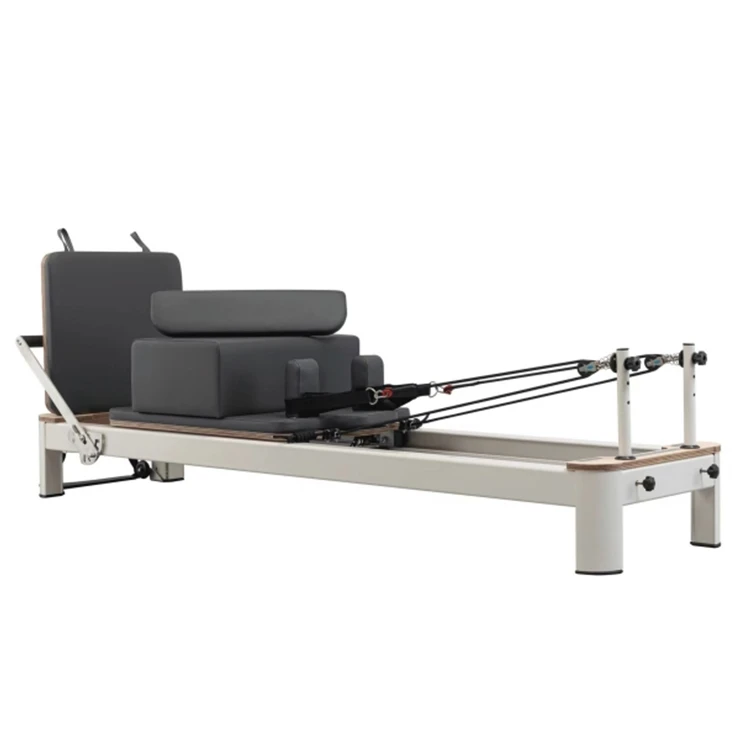
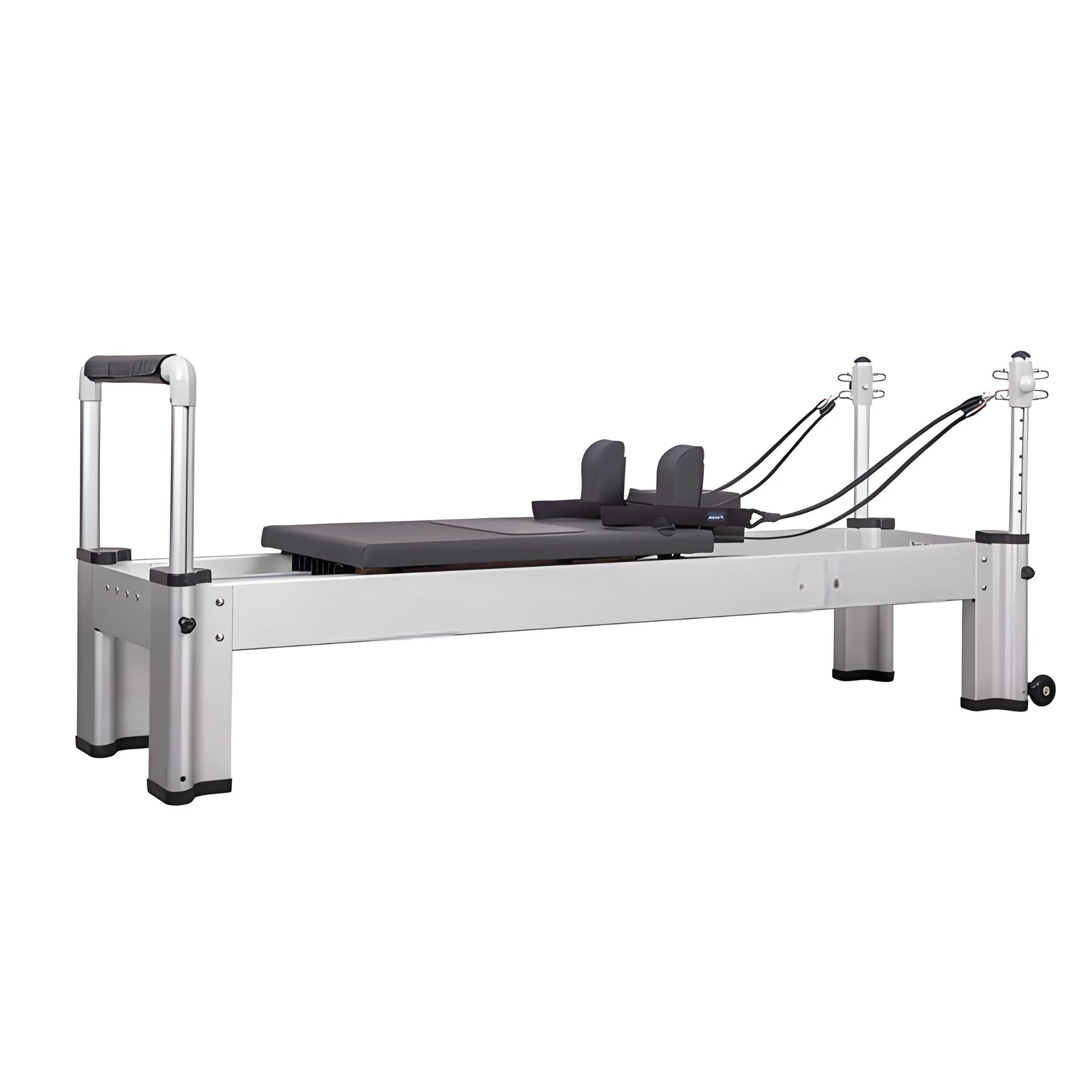
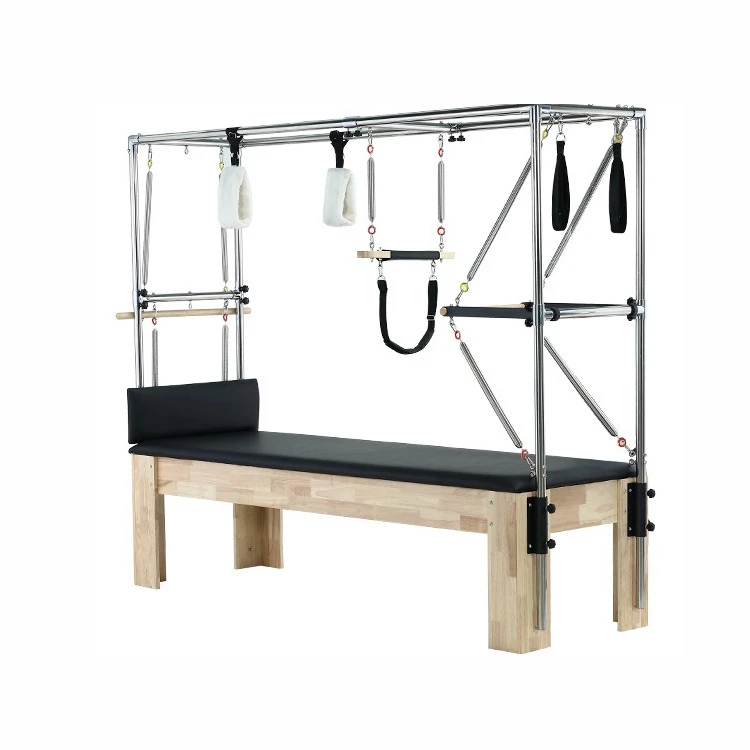
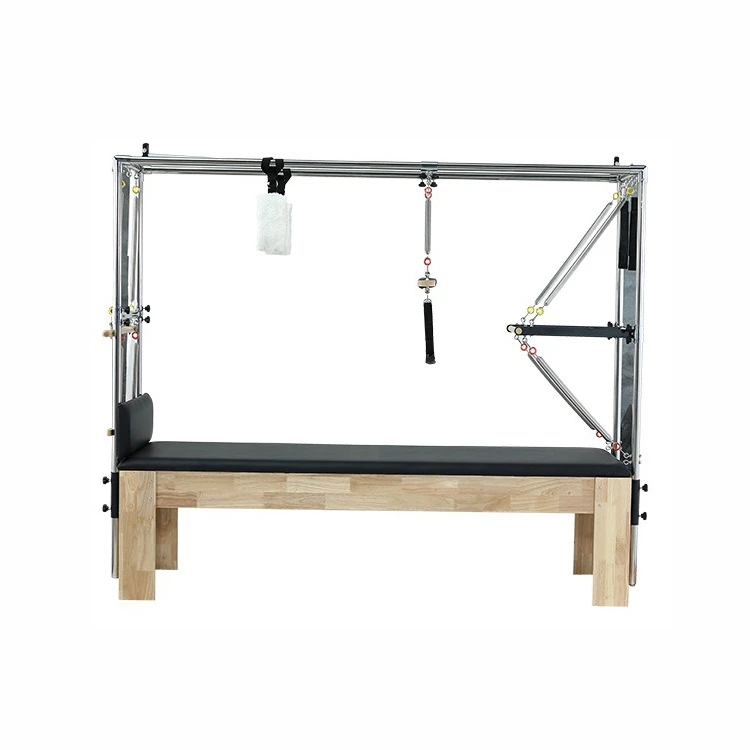
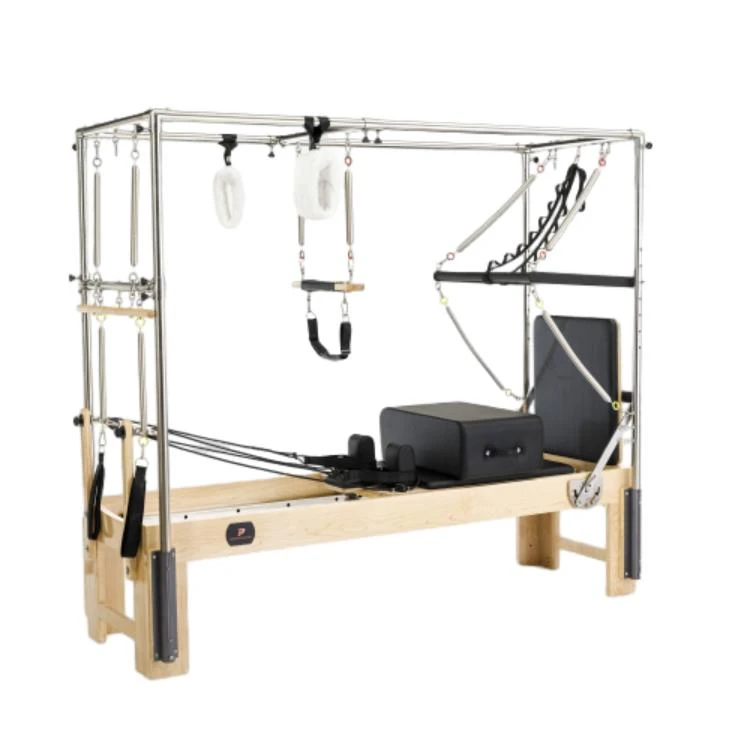
Having spent years around industrial equipment, from heavy machinery to niche wellness apparatus, I find Pilates tables pretty interesting. They’re these elegant pieces of equipment that marry craftsmanship with utility—a kind of blend you don’t always see in equipment made for physical therapy or fitness settings. Now, when it comes to pilates table cost, there’s more going on than just a price tag.
First, let’s talk materials and design. Frankly, a pilates table isn’t just wood and springs. Most commercial-grade ones use solid hardwood frames—maple or birch are common—paired with durable upholstery that withstands daily use (and often some pretty sweaty sessions). Then, there’s the engineering: adjustable components like foot bars and carriage stops require precision for safe, smooth operation. The kind of quality control involved here reminds me of light industrial manufacturing, where tolerances matter a lot.
Over the years, I’ve noticed an interesting trend: the cost generally reflects the versatility and durability of the table, but there are some surprising bargains too. Depending on brand and model, prices can range from $1,500 for a basic home-use table, up to $6,000 or more for specialized designs loaded with extra features suited for clinical or high-demand professional studios.
Here’s a quick look at typical specs you might find in a mid-to-high-end model:
| Feature | Specification |
|---|---|
| Frame Material | Solid Maple Hardwood |
| Upholstery | Medical Grade Vinyl, Stain-Resistant |
| Adjustable Features | Foot Bar, Headrest, Carriage Stops |
| Load Capacity | Up to 350 lbs |
| Dimensions (L×W×H) | 90" × 26" × 30" |
| Weight | Approx. 75 lbs |
One thing to keep in mind is customization. Some vendors offer options like eco-friendly finishes, extra padding, or specialized springs designed for certain rehabilitation needs. Honestly, when I worked on the floor with engineers, we often had clients requesting bespoke tweaks. For Pilates tables, the same applies: choosing the right features tailored to your studio’s audience can influence the final cost significantly.
To give a clearer picture, here’s a simple vendor comparison table showing typical pricing plus key extras:
| Vendor | Base Price | Customization Options | Warranty |
|---|---|---|---|
| PilatesPort | $2,000 | Yes (Upholstery Colors, Springs) | 5 Years |
| StudioFit Equip | $1,500 | Limited | 3 Years |
| CoreBalance Co. | $3,500 | Extensive (Custom Sizes) | 7 Years |
Just last year, I chatted with a small clinic owner who splurged on a custom CoreBalance table for her rehab patients. Her feedback was pretty straightforward: yes, it was pricier, but the quality and adaptability made daily sessions smoother and more comfortable for clients. She even joked that the investment paid off because fewer devices had to be replaced or repaired—a refreshing echo of cost-efficiency from the equipment floor I worked on years back.
In real terms, a pilates table is not just a piece of furniture. It’s a long-term tool that supports health and wellbeing. When balancing cost considerations, think about use frequency, durability, and whether the table’s features genuinely match your needs.
If you’re considering where to start, take a look at suppliers like PilatesPort who combine quality craftsmanship with accessible pricing. Oddly enough, sometimes the simplest tables make the most sense, especially if you’re just setting up.
At the end of the day, I suppose it boils down to this: investing in a quality pilates table upfront can save you headaches (and money) down the line. And frankly, that’s a lesson many of us in industrial equipment learn the hard way.
So, whether you’re a rehab facility or a passionate home enthusiast, the right table—priced right—is out there waiting.
Takeaway: Don’t just chase the cheapest pilates table cost; instead, focus on lasting value and quality that suits your specific needs.
- Industry reports on fitness equipment durability, 2023.
- User testimonials from physical therapy studios, 2022.
- Manufacturing standards for sports therapy tables, ASTM F 2057.
Latest news
-
Professional Pilates Cadillac Reformer for Sale and Buyer GuideNewsApr.16,2026
-
Professional Guide to Finding the Best Pilates Cadillac for SaleNewsApr.09,2026
-
Find the Perfect Cadillac Reformer Combo for Sale and Elevate Your Pilates PracticeNewsApr.07,2026
-
Choosing the Ideal Wooden Pilates Reformer Machine for Your Fitness JourneyNewsApr.04,2026
-
Choosing the Right Wooden Pilates Equipment for Studio and Home UseNewsMar.31,2026
-
Understanding the Versatility and Benefits of the Wood Reformer for PilatesNewsMar.28,2026
- Address
- Room 1601, 1302, Building A, Zijingguandi, Qiaodong District, Xingtai City, Hebei Province, China
- Sandra@raetin.com
- Phone
- +86 18231139331