Pilates workout equipment has rapidly gained global prominence as a cornerstone of modern fitness and rehabilitation practices. This increasing demand is fueled by a growing awareness of the benefits of Pilates – improved core strength, flexibility, posture, and mental well-being. From professional studios to home gyms, the accessibility of various pilates workout equipment is expanding, impacting health and wellness industries worldwide. The global fitness equipment market, according to Statista, was valued at approximately $11.6 billion in 2023, with Pilates equipment representing a significant and growing portion of that figure.
The need for effective and versatile exercise solutions, particularly those that cater to a diverse range of fitness levels and physical conditions, is driving the innovation and adoption of pilates workout equipment. The rise in sedentary lifestyles and an aging population further contribute to this demand, as individuals seek low-impact, rehabilitative exercise options. The quality and availability of pilates workout equipment directly impact the efficacy of these programs.
Understanding the nuances of pilates workout equipment – from reformers and cadillac machines to smaller props like resistance bands and Pilates balls – is crucial for both fitness professionals and individuals pursuing a holistic approach to health and fitness. This knowledge empowers informed choices, ensuring optimal results and minimizing the risk of injury.
The Core Principles of Pilates Workout Equipment
Pilates workout equipment is designed around a core set of principles established by Joseph Pilates. These include precise movements, controlled breathing, centering, concentration, and flow. Each piece of equipment—reformers, cadillacs, chairs, and barrels—facilitates these principles by providing resistance, support, and feedback, allowing users to engage specific muscle groups with greater awareness and control.
The spring resistance inherent in much of the equipment is fundamental. It allows for variations in intensity, making it suitable for rehabilitation, athletic conditioning, and general fitness. Understanding the spring tensions and how they relate to muscle activation is vital for effective use.
The Global Market Landscape for Pilates Equipment
The global market for pilates workout equipment is experiencing robust growth, driven by increasing health consciousness and a rising demand for boutique fitness studios. North America currently holds the largest market share, followed by Europe and the Asia-Pacific region. According to recent reports, the market is projected to reach $1.8 billion by 2028, with a CAGR of 7.5% from 2021 to 2028.
Key players in the market include Balanced Body, Peak Pilates, Stott Pilates, and Merrithew. These companies are investing heavily in research and development to create innovative equipment that caters to a wider range of users. The growth of online Pilates classes and virtual training platforms is also impacting the demand for home-use pilates workout equipment.
The expansion of the market is also influenced by the increasing integration of Pilates into mainstream healthcare settings, particularly for rehabilitation and physical therapy. Hospitals and clinics are recognizing the benefits of Pilates for improving patient outcomes and are incorporating pilates workout equipment into their treatment protocols.
Defining Pilates Workout Equipment
Pilates workout equipment encompasses a range of apparatuses designed to facilitate the practice of Pilates. These are not simply “exercise machines,” but tools that enhance body awareness, promote proper alignment, and challenge core stability. The key difference between Pilates equipment and traditional gym equipment lies in its emphasis on spring resistance and controlled, precise movements.
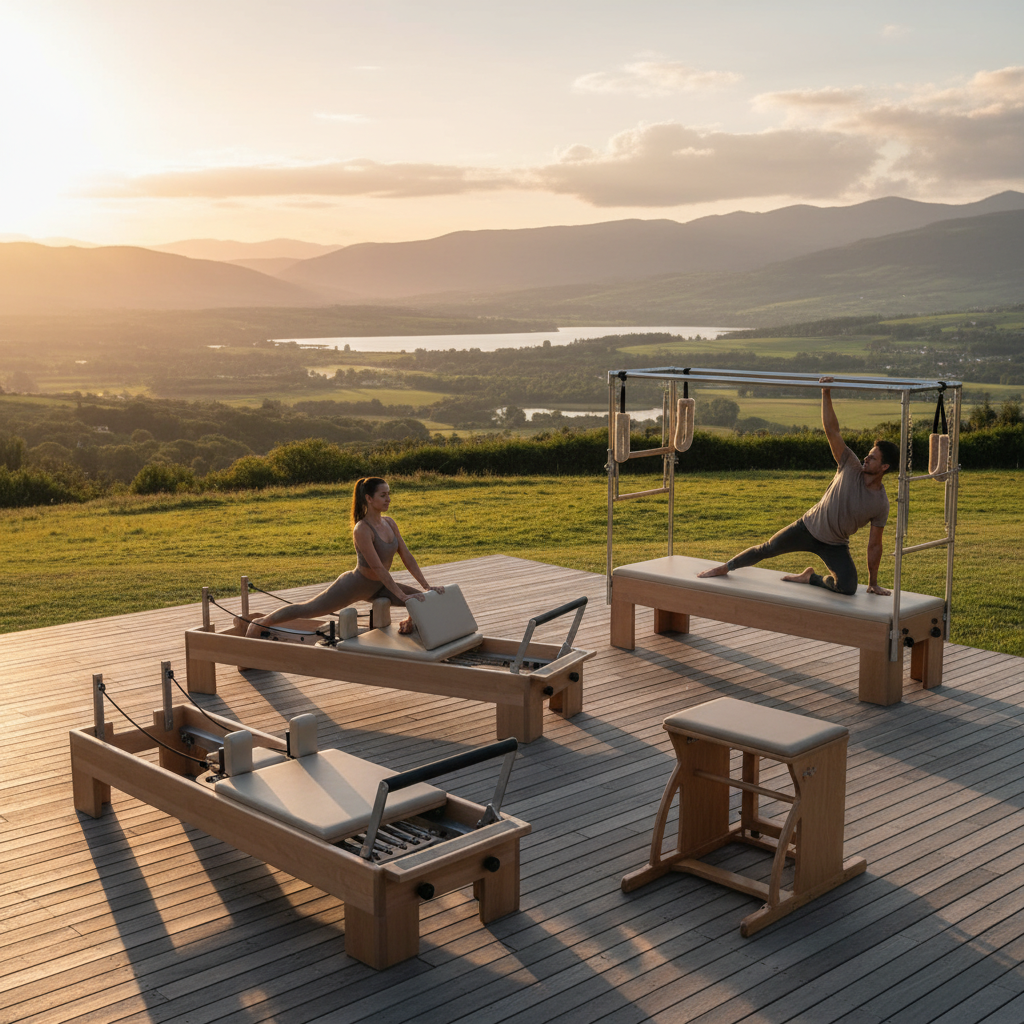
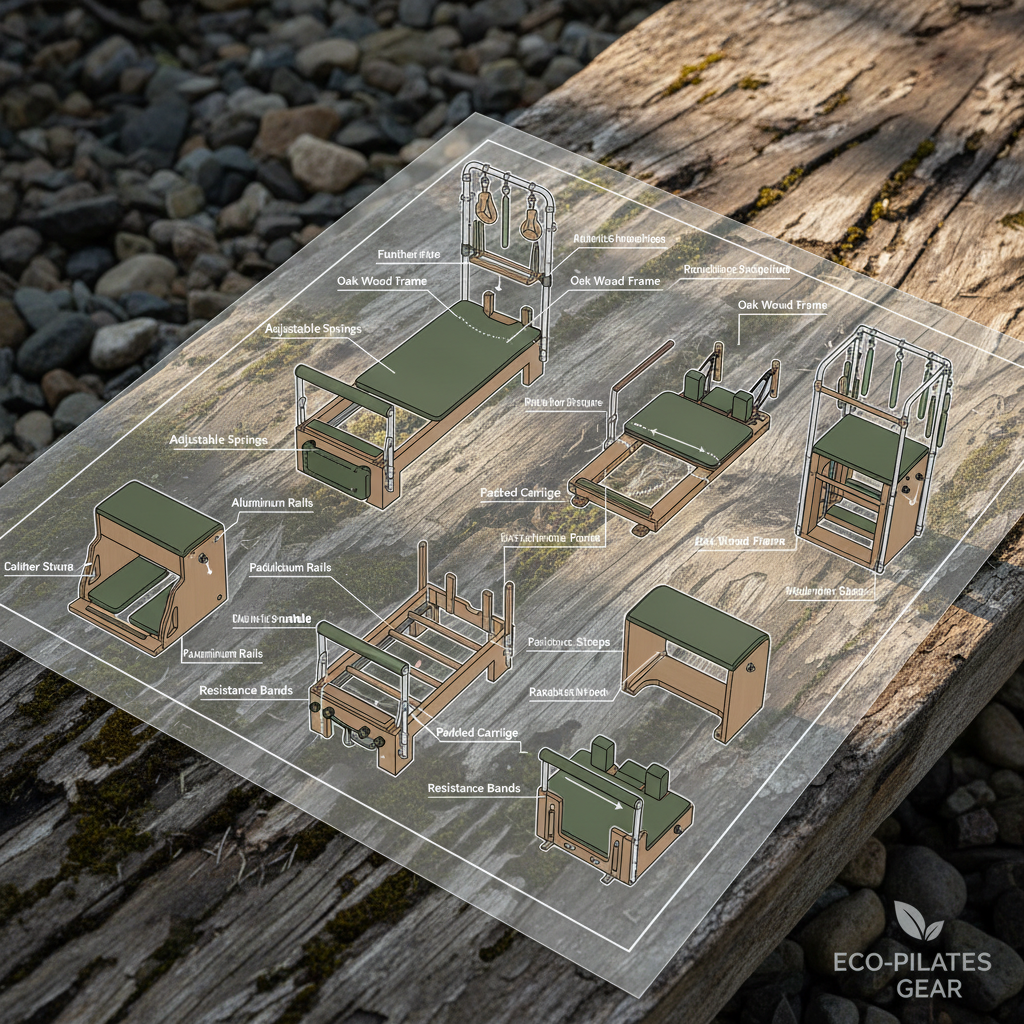
The core pieces of pilates workout equipment include the Reformer, a bed-like frame with a moving carriage and adjustable springs; the Cadillac, a more complex apparatus with a variety of springs and bars; the Wunda Chair, a compact unit for seated Pilates exercises; and the Spine Corrector, designed to improve posture and spinal mobility. Smaller props like resistance bands, Pilates balls, and foam rollers are also considered essential components.
Ultimately, pilates workout equipment is designed to work with the body, rather than against it. It aims to strengthen and lengthen muscles, improve flexibility, and promote a sense of overall well-being through a holistic and mindful approach to movement.
Key Factors Influencing Pilates Equipment Quality
Several critical factors determine the quality and effectiveness of pilates workout equipment. Durability is paramount, as the equipment needs to withstand repeated use and varying body weights. High-quality steel frames, robust spring systems, and durable upholstery are essential.
Precision in manufacturing is equally important. Smooth carriage movement on reformers, accurate spring tension adjustments, and precise alignment of components all contribute to a safe and effective workout experience. The quality of the springs themselves significantly impacts the feel and responsiveness of the equipment.
Pilates Equipment Feature Importance Ratings
Applications of Pilates Equipment Across Sectors
Pilates equipment finds diverse applications beyond traditional fitness studios. A significant and growing area is in rehabilitation centers, where it’s utilized by physical therapists to aid in post-injury recovery, improve mobility, and address chronic pain conditions. The low-impact nature of Pilates makes it an ideal exercise modality for patients recovering from surgery or managing musculoskeletal disorders.
Athletic training facilities are also increasingly incorporating pilates workout equipment into their programs. Pilates can help athletes improve core strength, flexibility, and body awareness, which are all crucial for enhancing performance and preventing injuries. Professional sports teams often utilize Pilates as part of their conditioning regimens.
Advantages and Long-Term Value of Pilates Equipment
Investing in quality pilates workout equipment offers a multitude of benefits. The improved core strength and postural alignment resulting from regular Pilates practice contribute to long-term physical health and reduced risk of injury. The controlled movements and emphasis on proper form promote body awareness and mindful movement patterns.
From a business perspective, pilates workout equipment can enhance the value proposition of fitness studios and rehabilitation centers, attracting a wider clientele and potentially increasing revenue streams. The durability and longevity of high-quality equipment ensure a strong return on investment.
Beyond the physical and financial benefits, Pilates fosters a sense of mental well-being and promotes a positive body image. The focus on controlled breathing and mindful movement can reduce stress and anxiety, contributing to a more balanced and holistic approach to health.
Future Trends and Innovations in Pilates Equipment
The future of pilates workout equipment is poised for innovation, with several emerging trends shaping its evolution. Smart Pilates equipment, incorporating sensors and data analytics, is gaining traction. These devices can track movement patterns, provide real-time feedback, and personalize workout programs.
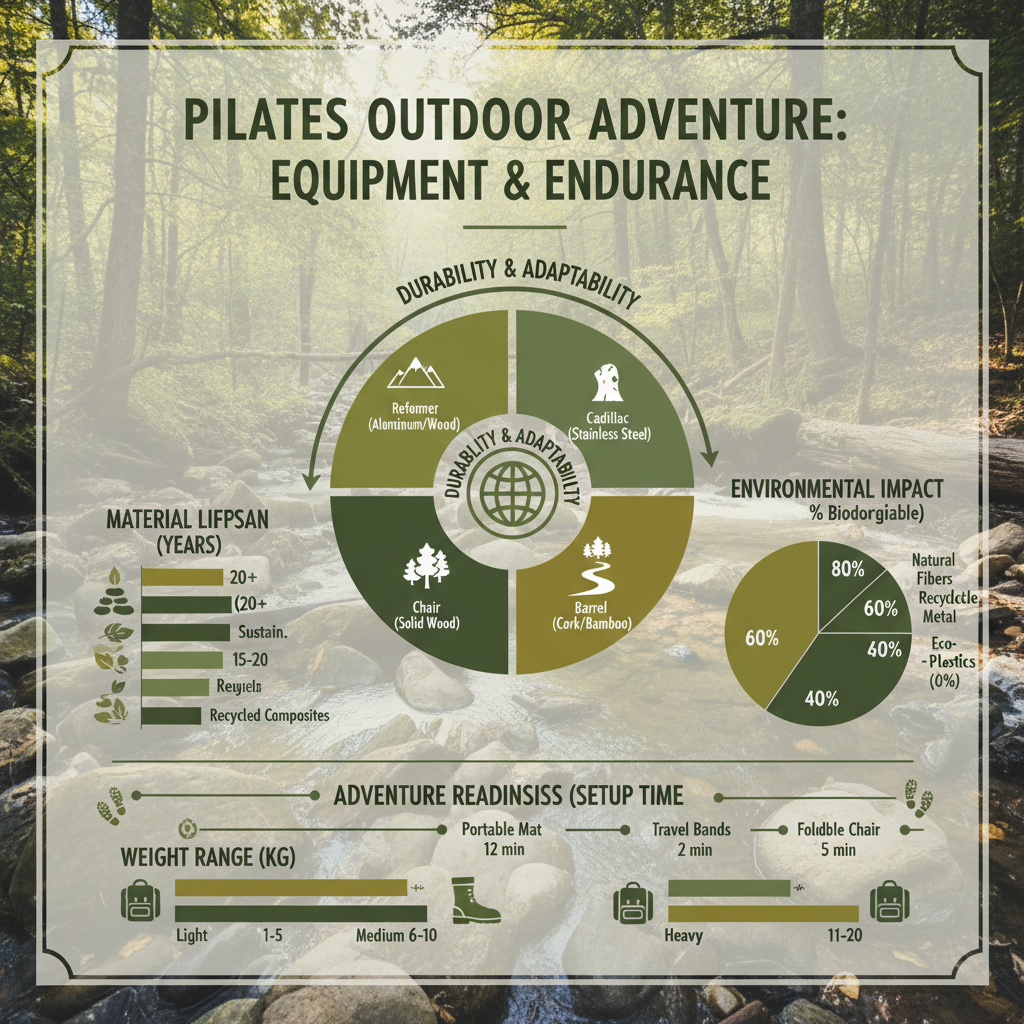
Sustainable materials and eco-friendly manufacturing processes are becoming increasingly important. Manufacturers are exploring the use of recycled materials and reducing their carbon footprint. Digital integration, with virtual reality (VR) and augmented reality (AR) applications, promises to enhance the Pilates experience and provide immersive training environments.
We can also expect to see further refinement of existing equipment, with a focus on improving ergonomics, adjustability, and versatility. The development of hybrid equipment that combines elements of Pilates and other exercise modalities is also a potential area of growth.
Core Comparison of Pilates Equipment Attributes
| Equipment Type |
Complexity of Use |
Space Requirement |
Versatility of Exercises |
| Reformer |
7/10 |
High |
9/10 |
| Cadillac |
9/10 |
Very High |
10/10 |
| Wunda Chair |
6/10 |
Medium |
8/10 |
| Spine Corrector |
3/10 |
Low |
5/10 |
| Resistance Bands |
2/10 |
Very Low |
6/10 |
| Pilates Ball |
3/10 |
Low |
7/10 |
FAQS
The reformer is a versatile, bed-like frame with a carriage that moves back and forth on springs, providing a wide range of exercises. The Cadillac is a more advanced apparatus with a platform, trapeze table, and push-through bar, offering greater exercise variety and accommodating a wider range of physical limitations. The Cadillac is typically used for more complex exercises and rehabilitation, while the reformer is ideal for both beginners and advanced practitioners.
The space needed depends on the equipment. A reformer requires approximately 8-10 feet in length and 3-4 feet in width. A Cadillac needs significantly more space, around 10-12 feet in length and 6-8 feet in width. For smaller spaces, consider a Wunda Chair or Pilates props like resistance bands and a Pilates ball, which require minimal room.
Pilates equipment can be a significant investment. A new reformer can range from $3,000 to $6,000+, while a Cadillac can cost $8,000 or more. Used equipment is a more affordable option, but it’s important to inspect it carefully for wear and tear. A reasonable budget for a basic home studio (reformer or chair + props) could be between $2,000 and $5,000.
Regular maintenance is crucial for the longevity and safety of pilates workout equipment. Springs should be inspected and replaced as needed. Frames should be cleaned regularly, and moving parts should be lubricated. Professional servicing is recommended at least annually to ensure all components are functioning correctly.
Yes, Pilates is often used for rehabilitation, but it's crucial to work with a qualified physical therapist or Pilates instructor who has experience in rehabilitation. Pilates can help restore strength, flexibility, and range of motion after an injury. The low-impact nature of Pilates makes it a safe and effective exercise modality for many conditions.
Several organizations offer Pilates instructor certification, including Balanced Body, Stott Pilates, and Polestar Pilates. You can find certified instructors through these organizations' websites or by searching online directories. It's important to choose an instructor who is qualified and experienced in working with pilates workout equipment.
Conclusion
Pilates workout equipment represents a powerful tool for enhancing physical and mental well-being. From its foundational principles of core engagement and precise movement to its diverse applications in fitness, rehabilitation, and athletic training, Pilates offers a holistic approach to health. The continued innovation in equipment design, coupled with the growing demand for personalized fitness solutions, positions Pilates for sustained growth and impact.
Investing in quality pilates workout equipment and seeking guidance from certified instructors are key to unlocking its full potential. As technology advances and sustainability becomes increasingly important, the future of Pilates equipment promises even more effective, accessible, and environmentally conscious solutions for a healthier and more balanced lifestyle. Visit our website at pilatesports.com to explore our range of pilates workout equipment.