Pilates mats thick are essential for a comfortable and safe practice, offering crucial support and cushioning during various exercises. Globally, the demand for high-quality fitness equipment, especially pilates mats, is steadily increasing due to growing health consciousness and the popularity of pilates as a low-impact exercise regime. This trend highlights the importance of understanding the nuances of selecting the right mat, particularly when prioritizing thickness for joint protection and performance.
The pilates market is experiencing significant growth, fueled by an aging population seeking accessible fitness options and a younger demographic embracing holistic wellness practices. Data from the Global Wellness Institute indicates a multi-billion dollar industry with continued expansion projected in the coming years. This surge in demand underscores the need for manufacturers and consumers alike to focus on quality, durability, and specific features like thickness in pilates mats.
Understanding the benefits of pilates mats thick—increased comfort, enhanced joint protection, and improved stability—empowers individuals to make informed decisions, leading to more effective and enjoyable workouts. Addressing the challenges of material sourcing, manufacturing standards, and pricing will be key to ensuring accessibility and sustainability within the industry.
Defining Pilates Mats Thick
Pilates mats thick, generally referring to mats exceeding the standard 6mm thickness, are designed to provide superior cushioning and support for pilates and other floor-based exercises. They are crafted from various materials, including PVC, TPE, and natural rubber, each offering unique characteristics regarding grip, durability, and environmental impact. The increased thickness offers enhanced joint protection, making them ideal for individuals with sensitive joints or those recovering from injuries.
The concept of “thick” is relative, but pilates mats often range from 8mm to 15mm. This isn't just about comfort; it's about ensuring proper alignment and reducing strain during complex pilates movements. A thicker mat provides a more stable foundation, promoting correct form and minimizing the risk of discomfort during exercises such as the roll-up or spine stretch forward. pilates mats thick are increasingly popular.
The Global Relevance of Thick Pilates Mats
The global fitness industry, estimated at over $96 billion in 2022, is experiencing substantial growth, with a significant portion dedicated to specialized equipment like pilates mats. Demand is particularly high in North America and Europe, driven by increasing disposable incomes and a focus on preventative healthcare. However, emerging markets in Asia-Pacific and Latin America are showing rapid growth due to rising health awareness and changing lifestyles.
The International Organization for Standardization (ISO) plays a crucial role in setting quality standards for fitness equipment, including pilates mats. These standards address material safety, durability, and performance characteristics. Ensuring compliance with these standards is vital for manufacturers exporting to international markets. The increasing demand for thick pilates mats highlights a trend towards prioritizing comfort and injury prevention in exercise routines.
A key challenge is addressing the environmental impact of traditional PVC mats. The growing demand is driving innovation in sustainable materials, like TPE and natural rubber, offering eco-friendly alternatives without compromising performance. This shift aligns with global efforts towards sustainability and responsible consumerism.
Understanding Thickness in Pilates Mat Construction
The thickness of a pilates mat directly impacts its cushioning, support, and overall performance. Thicker mats (10mm+) offer superior shock absorption, which is particularly beneficial for individuals with joint pain, sensitive knees, or those performing exercises on hard surfaces. This extra cushioning reduces the impact on the spine and limbs, allowing for a more comfortable and effective workout.
However, increased thickness can sometimes compromise stability. A very thick mat might make it harder to maintain balance during certain exercises. Therefore, it’s crucial to find a balance between cushioning and stability. The ideal thickness often depends on the individual's body weight, fitness level, and the type of pilates exercises they are performing.
Material composition also plays a crucial role. For example, a 10mm TPE mat might offer similar support to an 8mm PVC mat, depending on the density and quality of the materials used. Understanding the interplay between thickness and material properties is key to selecting the right pilates mat for your needs.
Core Components Influencing Pilates Mat Quality
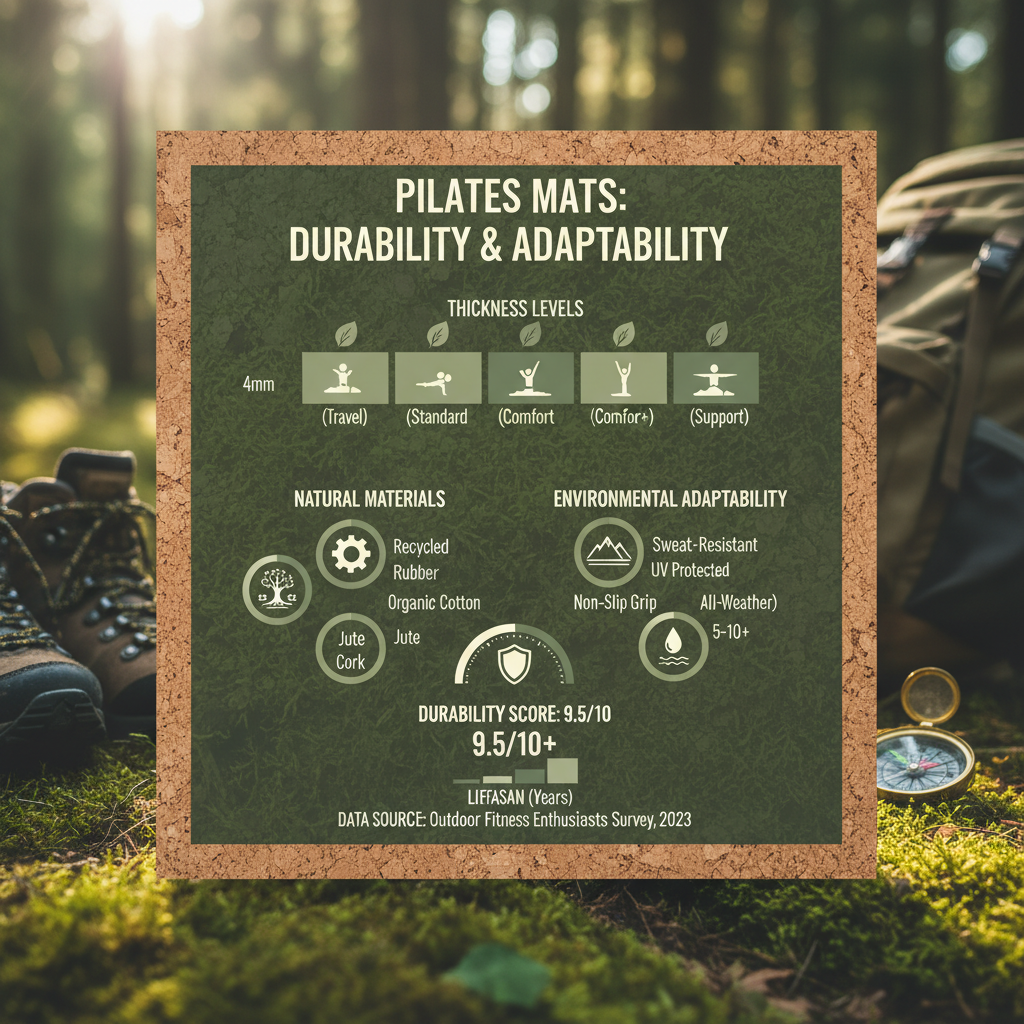
Durability is a critical factor, influenced by the material used and the manufacturing process. High-density materials like natural rubber generally offer superior longevity compared to PVC. The mat’s resistance to tearing, stretching, and compression is also important.
Grip is essential for maintaining proper form and preventing slipping. Textured surfaces and materials with inherent tackiness (like TPE) provide better grip, particularly during sweaty workouts. A secure grip enhances stability and reduces the risk of injury.
Pilates Mats Thick: Component Performance Ratings
Applications of Thick Pilates Mats Globally
Thick pilates mats are widely used in professional pilates studios worldwide, providing clients with a comfortable and supportive surface for a variety of exercises. They are also popular in home fitness settings, offering individuals the convenience of practicing pilates in the comfort of their own homes.
In rehabilitation centers, thicker mats are invaluable for patients recovering from injuries, offering extra cushioning and support during therapeutic exercises. Physical therapists often recommend specific mat thicknesses based on the patient’s needs and recovery progress.
Advantages and Long-Term Value
The initial cost of a thicker, higher-quality pilates mat might be higher, but the long-term value is significant. Increased durability translates to fewer replacements, saving money over time. The enhanced comfort and support reduce the risk of injury, potentially avoiding costly medical bills.
Choosing an eco-friendly mat made from sustainable materials contributes to environmental responsibility, aligning with growing consumer demand for ethical products. The peace of mind knowing you're supporting sustainable practices adds significant value.
Future Trends and Innovation in Pilates Mat Technology
Innovation in materials is a key trend, with manufacturers exploring bio-based plastics and recycled materials to create more sustainable pilates mats. Advancements in foam technology are also leading to mats that offer superior cushioning and support while remaining lightweight and portable.
Smart pilates mats equipped with sensors to track movement and provide real-time feedback on form are emerging. These mats can connect to apps and provide personalized guidance, enhancing the effectiveness of pilates workouts.
Digital integration, including augmented reality applications that guide users through exercises and provide virtual instruction, is poised to revolutionize the pilates experience. These innovations promise to make pilates more accessible, engaging, and effective for individuals of all fitness levels.
FAQS
The ideal thickness depends on your needs. For general pilates, 6-8mm is sufficient. If you have joint pain or prefer extra cushioning, 10-15mm is recommended. Consider your fitness level and the types of exercises you perform.
Yes, thicker mats are often better for beginners as they provide more cushioning and support, making exercises more comfortable and reducing the risk of injury while you’re learning proper form. They can help alleviate discomfort during movements that require lying down or kneeling.
Common materials include PVC, TPE (Thermoplastic Elastomer), and natural rubber. PVC is affordable but less eco-friendly. TPE is a good balance of comfort, durability, and eco-friendliness. Natural rubber offers excellent grip and cushioning but can be heavier.
Most mats can be cleaned with a mild soap and water solution. Avoid harsh chemicals or abrasive cleaners. Rinse thoroughly and allow to air dry completely before rolling up. Regular cleaning helps maintain hygiene and prolong the mat's lifespan.
Yes, thicker mats tend to be bulkier and heavier, making them slightly less convenient for travel. However, many manufacturers offer travel-sized versions of thicker mats or mats with carrying straps to make transportation easier.
Look for mats made from high-density materials with a consistent texture. Check for certifications like ISO or OEKO-TEX, which indicate the mat has been tested for safety and environmental standards. Read reviews and consider the manufacturer’s reputation.
Conclusion
Pilates mats thick are more than just exercise accessories; they represent a commitment to well-being, safety, and effective practice. Their increasing global relevance reflects a growing awareness of the benefits of low-impact fitness and the importance of proper support during exercise. Choosing the right mat—balancing thickness, material, and personal needs—empowers individuals to achieve their fitness goals with confidence and comfort.
Looking ahead, innovation in sustainable materials and smart technology promises to further enhance the pilates experience. By prioritizing quality, durability, and environmental responsibility, we can ensure that pilates mats thick continue to support healthy lifestyles and promote holistic well-being for years to come. Visit our website: www.pilatesports.com