The demand for convenient and effective fitness solutions has fueled the growth of the home fitness market, and within that, a significant segment focuses on pilates. Equipment for pilates at home allows individuals to maintain their fitness routines without the constraints of gym schedules or locations, offering a flexible and personalized approach to health and wellness. This accessibility has broadened pilates’ reach beyond traditional studios, making it a viable option for a wider audience, from beginners to seasoned practitioners.
Globally, the wellness industry is experiencing substantial expansion, driven by increased health consciousness and preventative care. The market for home fitness equipment, specifically for pilates, is mirroring this trend, with a growing number of consumers investing in quality equipment to create dedicated home studios. This trend isn’t confined to developed nations; emerging economies are also demonstrating increased interest as disposable incomes rise and awareness of the benefits of physical activity grows.
The rise of online pilates classes and virtual instructors has further amplified the need for suitable equipment for pilates at home. This combination of accessibility and professional guidance has created a powerful synergy, empowering individuals to take control of their fitness journeys in the comfort and privacy of their own homes. This ease of access is transforming the way people approach pilates, making it more integrated into daily life.
The Rise of Equipment for Pilates at Home
The modern fitness landscape is characterized by a growing desire for convenience and personalized workouts. Equipment for pilates at home directly addresses this need, offering a viable alternative to traditional gym memberships and studio classes. The increasing availability of online pilates resources, from instructional videos to live-streamed classes, has further propelled the demand for dedicated home pilates setups.
This shift isn't simply about convenience; it's also about control. Individuals can curate their own workout spaces, choosing equipment that suits their specific needs and preferences. This level of customization fosters a deeper connection to the practice and enhances the overall fitness experience. The benefit of readily accessible equipment for pilates at home offers a sustainable fitness solution.
Defining Equipment for Pilates at Home
Equipment for pilates at home encompasses a range of tools designed to facilitate and enhance pilates exercises. These range from basic, low-cost items like resistance bands and pilates balls, to more sophisticated and expensive machines like reformers, cadillac trapeze tables, and chairs. The key characteristic of this equipment is its adaptability to a home environment, often prioritizing space-saving designs and ease of storage.
Pilates equipment isn’t merely about adding resistance; it’s about providing support, alignment, and challenge in a way that allows individuals to deepen their connection to their core and improve their body awareness. Different pieces of equipment target different muscle groups and offer varying levels of difficulty, making it suitable for all fitness levels.
The core principle underlying all equipment for pilates at home is to support the principles of pilates: concentration, control, centering, precision, breath, and flow. By incorporating these tools into a home practice, individuals can experience the full benefits of pilates, regardless of their location or schedule.
Key Factors in Choosing Pilates Equipment
When selecting equipment for pilates at home, several key factors should be considered. First is Durability. High-quality equipment, built with robust materials, will withstand frequent use and provide long-term value. Investing in durable items minimizes the need for frequent replacements, ultimately saving money.
Another crucial aspect is Space. Home environments often have limited space, so choosing compact and easily storable equipment is essential. Consider foldable reformers or equipment that can be disassembled for convenient storage. Versatility is also key; equipment that offers multiple exercise options maximizes its functionality and justifies the investment.
Comfort and Adjustability are paramount. Equipment should be comfortable to use and allow for adjustments to accommodate different body types and fitness levels. Finally, Cost Efficiency is an important consideration. Balancing quality and price is crucial, ensuring you get the best value for your money without compromising on performance or durability.
Global Applications and Use Cases
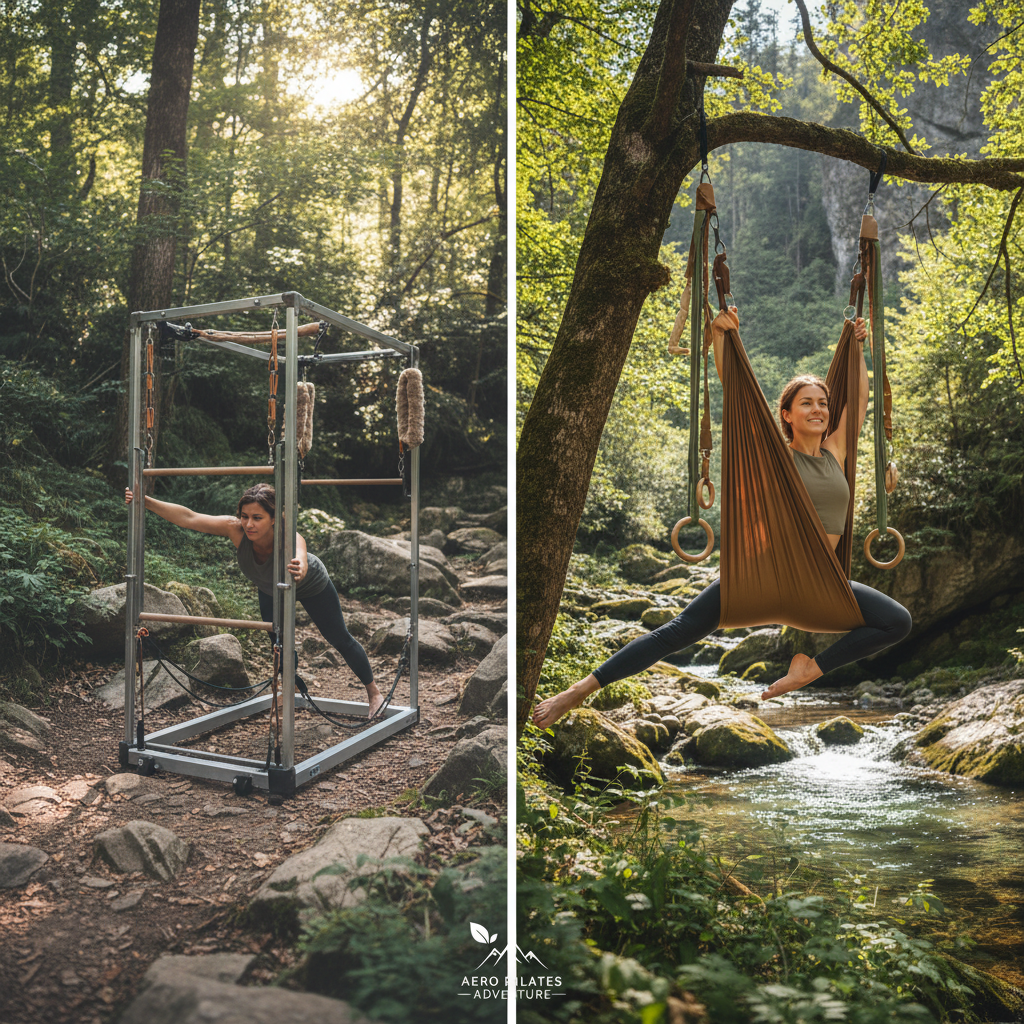
The application of equipment for pilates at home transcends geographical boundaries, impacting individuals across diverse cultures and lifestyles. In urban centers with limited access to fitness facilities, home pilates equipment provides a convenient and effective workout solution. In rural areas, where travel to studios may be challenging, it offers a way to maintain fitness without leaving home.
Pilates is increasingly being integrated into rehabilitation programs, and equipment for pilates at home allows patients to continue their exercises after therapy sessions. Physical therapists often recommend specific equipment to help patients regain strength, flexibility, and mobility.
Furthermore, corporate wellness programs are beginning to incorporate home pilates equipment as a benefit for employees, promoting a culture of health and well-being. This demonstrates a growing recognition of the value of accessible fitness solutions in improving employee productivity and reducing healthcare costs.
Pilates Equipment Usage at Home
Advantages and Long-Term Value
Investing in equipment for pilates at home offers a multitude of advantages. From a Cost perspective, it eliminates recurring gym membership fees and travel expenses, offering a long-term financial benefit. Sustainability is another key advantage; a well-maintained home pilates setup can last for years, reducing the need for frequent replacements.
The Social Impact extends to promoting a healthier lifestyle, empowering individuals to take proactive control of their well-being. The Reliability of having a dedicated home studio ensures consistent access to fitness, regardless of external factors like weather or gym closures. These benefits translate to improved physical and mental health, increased energy levels, and a greater sense of self-efficacy.
Future Trends and Innovations
The future of equipment for pilates at home is poised for exciting innovation. We can expect to see the integration of smart technology, with equipment providing real-time feedback on form and technique. Virtual and augmented reality applications will likely play a larger role, offering immersive and interactive workout experiences.
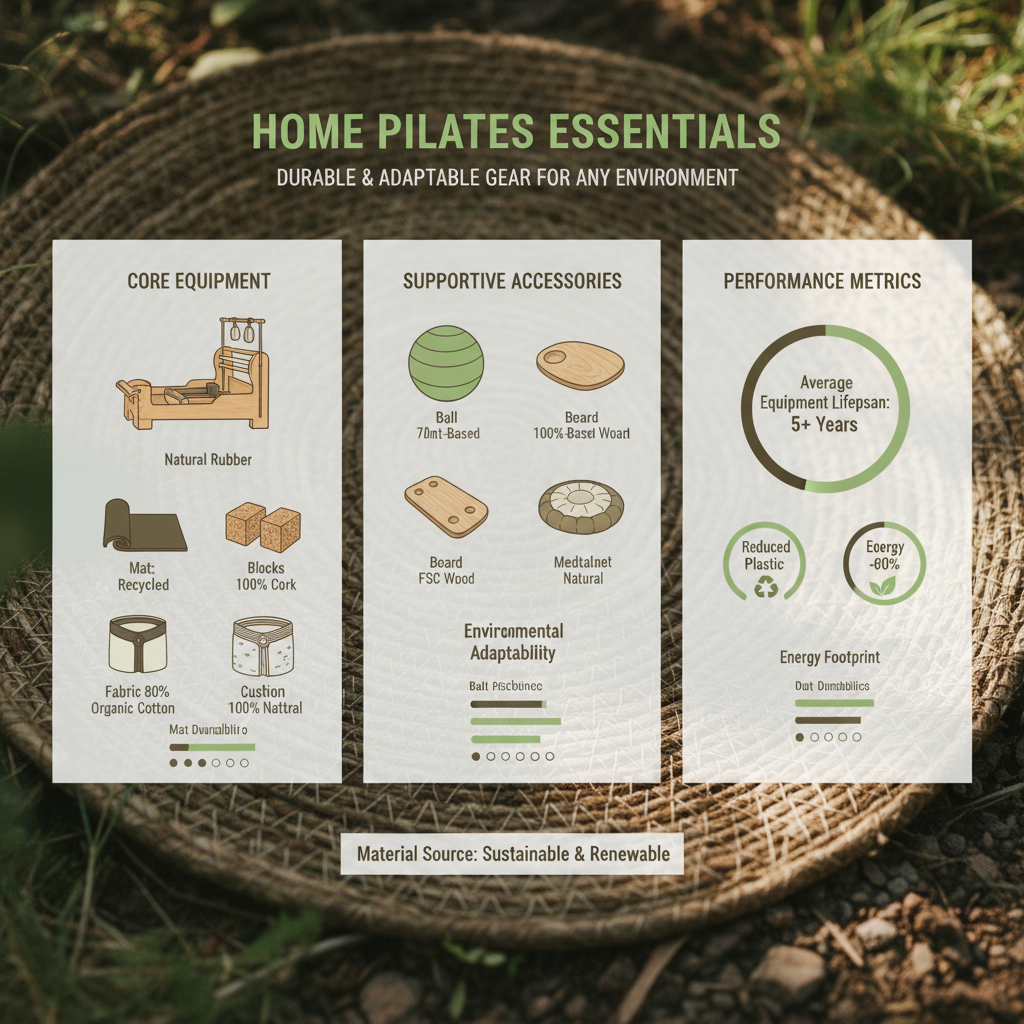
Sustainable materials and eco-friendly manufacturing processes will become increasingly important, reflecting a growing demand for environmentally responsible products. We'll also see a greater emphasis on personalized pilates experiences, with equipment adapting to individual needs and goals.
Challenges and Solutions
Despite the numerous benefits, challenges remain in optimizing equipment for pilates at home. One common issue is space constraints, particularly in smaller living environments. Solutions include developing more compact and foldable equipment, as well as offering modular systems that can be customized to fit available space.
Another challenge is ensuring proper form and technique, as individuals may lack the guidance of a qualified instructor. This can be addressed through the use of online tutorials, virtual classes, and smart equipment that provides real-time feedback.
Finally, affordability can be a barrier for some individuals. Offering financing options, providing access to used equipment, and developing more budget-friendly options can help make pilates accessible to a wider audience.
Summary of Key Challenges and Solutions for Equipment for Pilates at Home
| Challenge |
Impact on User Experience |
Potential Solution |
Implementation Cost (1-10) |
| Limited Space |
Reduced equipment options; cluttered home environment. |
Foldable/modular equipment designs. |
6 |
| Incorrect Form |
Increased risk of injury; reduced effectiveness of workouts. |
Smart equipment with form feedback; virtual instructor access. |
8 |
| High Cost |
Limited accessibility for certain demographics. |
Financing options; used equipment marketplaces; budget-friendly alternatives. |
5 |
| Lack of Motivation |
Inconsistent workout routines; diminished long-term results. |
Gamification of workouts; online communities; personalized fitness plans. |
4 |
| Equipment Maintenance |
Decreased lifespan; potential safety hazards. |
Regular cleaning & inspection schedules; readily available replacement parts. |
3 |
| Storage Solutions |
Cluttered space; inconvenience. |
Wall-mounted storage; multi-functional furniture; dedicated workout room. |
7 |
FAQS
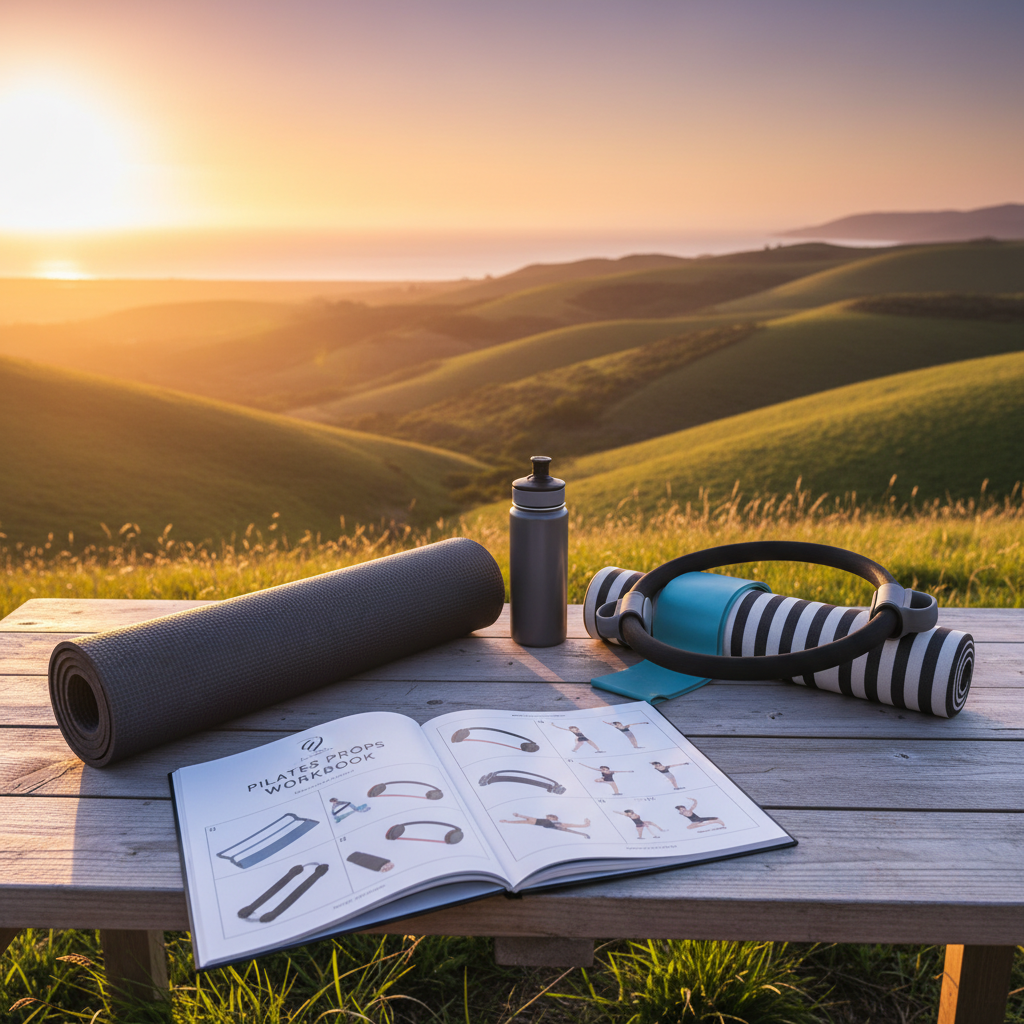
For beginners, essential equipment for pilates at home includes a high-quality pilates mat, resistance bands, and a pilates ball. These items offer a versatile foundation for a variety of exercises and can be easily stored. As you progress, you might consider adding a foam roller, magic circle, or even a portable reformer for a more challenging and comprehensive workout. Investing in durable and comfortable equipment will greatly enhance your experience and support your long-term pilates journey.
The amount of space needed depends on the equipment you choose. A mat-based pilates routine requires minimal space – approximately a 6x8 foot area. Adding resistance bands and a ball still doesn't require significant room. If you opt for larger equipment like a reformer, you’ll need a dedicated space of around 10x7 feet. Consider foldable or compact options if space is limited, and prioritize a clutter-free environment for optimal movement and safety.
While it’s possible to practice pilates at home without in-person instruction, it's crucial to prioritize safety. Start with beginner-level exercises and focus on proper form. Utilize online resources like reputable pilates videos or virtual classes to learn correct technique. Listen to your body and avoid pushing yourself beyond your limits. If you have any underlying health conditions, consult with a healthcare professional before starting a new exercise routine.
Regular cleaning is essential to maintain the hygiene and longevity of your equipment. Wipe down mats and other surfaces with a mild disinfectant after each use. For reformers and other machines, follow the manufacturer's instructions for cleaning and maintenance. Inspect straps, springs, and other components regularly for wear and tear. Proper care will ensure your equipment remains safe and functional for years to come.
The lifespan of pilates equipment for home use varies depending on quality, usage frequency, and maintenance. High-quality mats can last several years with proper care. Resistance bands and balls will need replacing more frequently, typically every 6-12 months. Reformers and other machines, when well-maintained, can last for 5-10 years or even longer. Investing in durable materials and following recommended maintenance routines will maximize the lifespan of your equipment.
There are numerous online retailers and specialty stores offering equipment for pilates at home. Reputable brands known for quality and durability include Balanced Body, Stott Pilates, and Peak Pilates. Look for retailers that offer detailed product descriptions, customer reviews, and reliable shipping options. Consider browsing websites specializing in fitness equipment and comparing prices to find the best deals.
Conclusion
In conclusion, equipment for pilates at home represents a significant advancement in accessibility and convenience within the fitness industry. By empowering individuals to create personalized workout spaces and integrate pilates into their daily routines, it promotes a healthier, more balanced lifestyle. The increasing innovation in equipment design, coupled with the growing availability of online resources, is poised to further expand the reach and benefits of pilates.
Looking ahead, we anticipate a continued focus on sustainability, smart technology, and personalized fitness solutions. Investing in quality equipment for pilates at home isn’t just about purchasing tools; it’s about investing in your long-term well-being. Visit our website at Pilatesports.com to explore our range of premium pilates equipment and embark on your journey to a stronger, more flexible you.