Pilates accessories have become increasingly vital in enhancing the effectiveness and accessibility of Pilates practice globally. From resistance bands to foam rollers and Pilates rings, these tools cater to a diverse range of fitness levels and therapeutic needs. The rising awareness of the holistic benefits of Pilates – including improved core strength, flexibility, and posture – fuels the demand for specialized accessories designed to deepen the practice and provide targeted support. This isn't just a fitness trend; it's a growing component of preventative healthcare and rehabilitation programs worldwide.
The global market for pilates accessories is experiencing significant growth, driven by factors like an aging population seeking low-impact exercise, and a rising emphasis on personalized fitness solutions. According to recent reports, the fitness equipment market, of which pilates accessories are a significant part, is projected to reach \$15.91 billion by 2028 (source: Grand View Research). This highlights the increasing importance of supporting equipment in achieving optimal Pilates outcomes. The accessibility of online Pilates classes and instructional videos further boosts demand, allowing individuals to practice at home with the appropriate accessories.
Understanding the nuances of pilates accessories is crucial for both practitioners and instructors. Proper selection and application of these tools can maximize benefits, prevent injuries, and tailor the Pilates experience to individual needs and goals. This extends beyond simple purchase decisions and necessitates knowledge of materials, appropriate resistance levels, and correct usage techniques.
The Importance of Pilates Accessories
Pilates accessories are more than just add-ons; they are integral components of a well-rounded Pilates routine. They allow for progressive overload, helping individuals gradually increase the challenge and intensity of their exercises. This progressive resistance is key to building strength, endurance, and stability. pilates accessories play a significant role in modifying exercises to accommodate various body types, fitness levels, and physical limitations.
Moreover, accessories facilitate a deeper mind-body connection. Props like Pilates balls and rings require increased focus and control, enhancing proprioception (awareness of body position in space) and improving movement quality. These tools can also address specific muscle imbalances and postural deviations, leading to more effective and sustainable results.
Defining Pilates Accessories
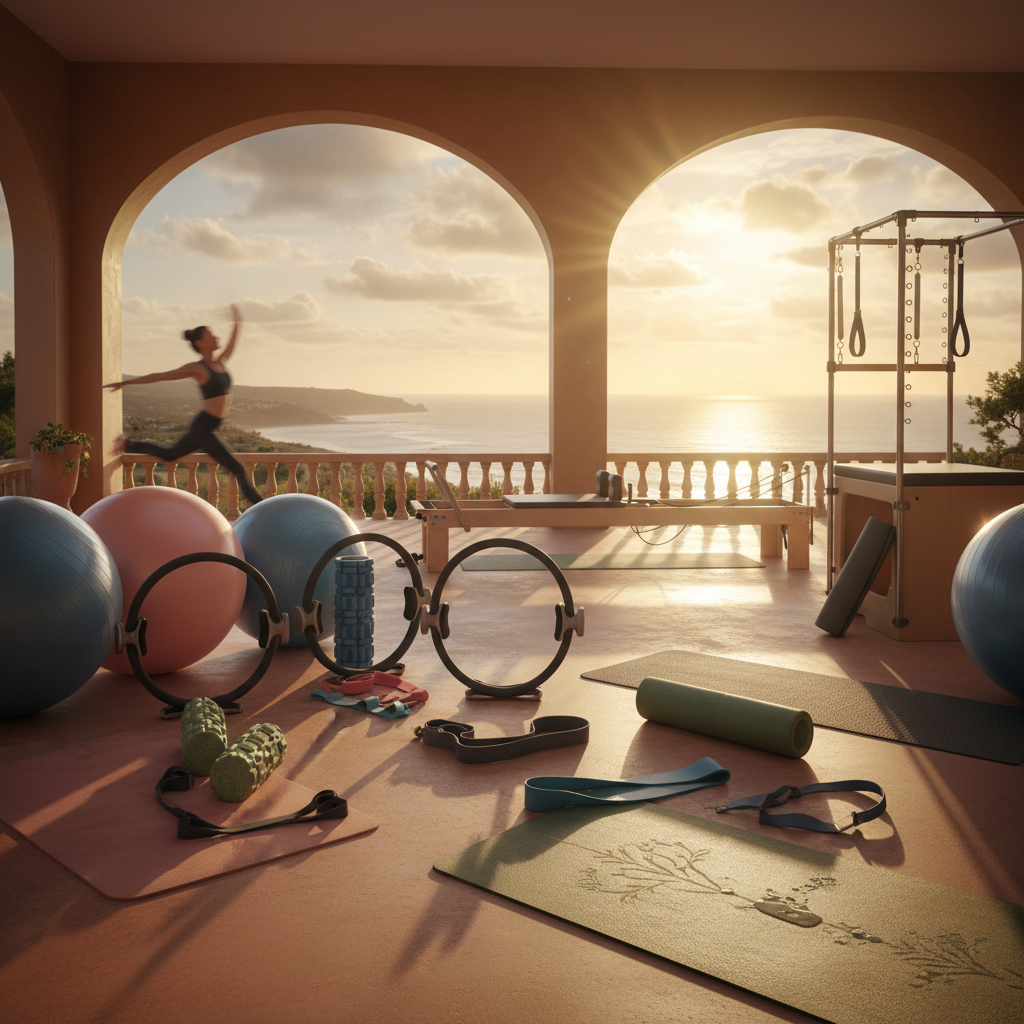
Pilates accessories encompass a wide range of tools designed to complement and enhance traditional Pilates exercises. These include resistance bands, Pilates rings (also known as magic circles), foam rollers, Pilates balls (small, large, and weighted), reformers, chairs, and blocks. Each accessory serves a unique purpose and addresses specific aspects of Pilates practice.
Unlike some fitness trends reliant on complex machinery, Pilates accessories often prioritize simplicity and portability. This allows for effective workouts in a variety of settings – at home, in a studio, or even while traveling. They are designed to challenge the body in new and innovative ways, promoting functional movement and overall well-being.
The connection to modern industry extends to material science and ergonomic design. Manufacturers are increasingly employing innovative materials – like eco-friendly TPE and durable, non-toxic PVC – to create accessories that are both effective and sustainable. This reflects a growing consumer demand for environmentally responsible fitness products.
Key Factors Influencing Accessory Quality
Durability is paramount when selecting pilates accessories. Frequent use and varying levels of resistance place significant stress on materials. Accessories constructed from high-quality, resilient materials like latex-free rubber, reinforced nylon, or sturdy hardwood will withstand repeated use and maintain their integrity over time.
Ergonomics and comfort are equally crucial. Accessories should be designed to fit comfortably in the hand or against the body, preventing chafing, discomfort, or injury. Considerations include grip texture, padding, and overall shape. An accessory that isn't comfortable to use won’t be used consistently.
Resistance levels, particularly for bands and rings, must be appropriately calibrated. A variety of resistance options allows for progressive training and accommodates different strength levels. Clearly marked resistance levels or color coding ensures users can select the appropriate challenge. Safety is also a key factor; materials should be non-toxic and free from harmful chemicals.
Diverse Applications of Pilates Accessories
Pilates accessories are utilized extensively in clinical settings for rehabilitation purposes. Physical therapists frequently employ resistance bands and Pilates balls to assist patients in regaining strength, flexibility, and range of motion following injuries or surgeries. Foam rollers are commonly used for self-myofascial release, relieving muscle tension and improving circulation.
In fitness studios and gyms, accessories enhance the effectiveness of group Pilates classes and personal training sessions. They offer modifications for diverse fitness levels, allowing instructors to tailor exercises to individual needs. Accessories can also be incorporated into more challenging workouts to increase intensity and target specific muscle groups.
Pilates Accessory Effectiveness Ratings
Advantages & Long-Term Value of Using Accessories
The cost-effectiveness of pilates accessories compared to larger fitness machines is a significant advantage. Individuals can build a comprehensive home Pilates setup with a relatively small investment. Furthermore, accessories require minimal storage space, making them ideal for smaller living environments. Choosing quality accessories, however, is crucial for longevity and safety.
The sustainability aspect is also growing in importance. Many manufacturers are now prioritizing eco-friendly materials and production processes, reducing the environmental impact of fitness equipment. Investing in durable, sustainably sourced accessories supports responsible manufacturing practices and reduces waste.
Future Trends & Innovations in Pilates Accessories
We are seeing a rise in "smart" pilates accessories incorporating technology to track performance and provide real-time feedback. Sensors embedded in resistance bands or Pilates balls can monitor movement patterns, measure muscle activation, and provide personalized guidance through mobile apps. This integration of technology enhances the effectiveness and engagement of Pilates practice.
Material innovation is another key trend. Researchers are exploring new materials – such as bio-based polymers and recycled plastics – to create accessories that are both high-performing and environmentally friendly. The development of adjustable and modular accessories allows for greater customization and versatility.
Digital platforms and virtual reality are also poised to transform the Pilates experience. VR-based Pilates classes featuring integrated accessory usage will offer immersive and interactive workouts, making Pilates more accessible and engaging for a wider audience.
Challenges and Solutions in Accessory Usage
One common challenge is improper usage leading to potential injuries. Many individuals lack the proper guidance on how to safely and effectively use pilates accessories. This highlights the importance of seeking instruction from qualified Pilates instructors.
Another challenge is selecting the appropriate accessories for individual needs and fitness levels. The wide variety of available options can be overwhelming. Online resources, expert reviews, and consultations with Pilates professionals can help individuals make informed choices.
Maintaining accessory hygiene is also crucial. Regularly cleaning and disinfecting accessories prevents the spread of germs and ensures a safe workout environment. Manufacturers are developing antimicrobial materials and coatings to further enhance hygiene.
Summary of Pilates Accessory Usage Challenges & Solutions
| Challenge |
Impact |
Solution |
Implementation Cost (1-10) |
| Improper Form |
Increased Injury Risk |
Professional Instruction |
6 |
| Incorrect Resistance Level |
Reduced Effectiveness |
Resistance Level Guidance |
2 |
| Poor Material Quality |
Durability Issues |
Invest in High-Quality Accessories |
7 |
| Lack of Accessory Knowledge |
Limited Exercise Variety |
Access Educational Resources |
3 |
| Unsanitary Conditions |
Germ Spread |
Regular Cleaning & Disinfection |
1 |
| Storage Challenges |
Cluttered Space |
Compact Storage Solutions |
4 |
FAQS
For beginners, a resistance band is often the most versatile and accessible pilates accessory. It's affordable, easy to store, and can be used to modify a wide range of exercises. Start with a light resistance band and gradually increase the intensity as your strength improves. Resistance bands are excellent for building foundational strength and proper form before progressing to more challenging accessories.
It’s recommended to clean your pilates accessories after each use. Wipe down non-porous materials like PVC and rubber with a disinfectant wipe or a mild soap and water solution. For foam rollers, a damp cloth and gentle cleaner are sufficient. Proper hygiene prevents the spread of germs and ensures a safe workout experience.
A Pilates ring, or magic circle, provides added resistance and challenge to various exercises. It’s particularly effective for targeting inner thighs, glutes, chest, and arms. The ring forces you to engage your muscles more deeply to maintain proper form and control, leading to increased strength and improved muscle tone.
Begin with a lighter resistance band if you're new to Pilates or resistance training. You should be able to complete 10-15 repetitions of an exercise with good form without excessive strain. If the band feels too easy, gradually increase the resistance. A good indicator is if you feel a moderate challenge towards the end of your set.
Yes, pilates accessories are frequently used in rehabilitation settings under the guidance of a physical therapist. Accessories like resistance bands and Pilates balls can help restore strength, flexibility, and range of motion after an injury or surgery. However, always consult with a healthcare professional before using accessories for rehabilitation purposes.
Always warm up before starting your Pilates routine and use proper form when exercising with accessories. Avoid overstretching or pushing yourself beyond your limits. Inspect accessories for damage before each use, and discontinue use if you notice any tears or wear and tear. It’s also wise to consult a qualified Pilates instructor for personalized guidance.
Conclusion
Pilates accessories are transformative tools for enhancing fitness, promoting rehabilitation, and fostering a deeper mind-body connection. From resistance bands to foam rollers, these accessories offer versatility, cost-effectiveness, and accessibility, making Pilates practice more effective and enjoyable for individuals of all levels. Investing in quality accessories, combined with proper instruction, unlocks the full potential of this powerful exercise modality.
Looking ahead, innovation in materials, technology integration, and sustainable manufacturing practices will continue to shape the future of pilates accessories. As awareness of the holistic benefits of Pilates grows, the demand for these tools will undoubtedly increase. We encourage you to explore the range of pilates accessories available and discover how they can elevate your fitness journey.