Reformer accessories, encompassing a wide range of additions to the Pilates reformer machine, are increasingly vital in modern fitness and rehabilitation. These tools significantly enhance the versatility of the reformer, allowing for a more personalized and effective workout experience. From different footwork bars and headrests to specialized springs and straps, reformer accessories cater to diverse body types, fitness levels, and therapeutic needs. Understanding these accessories is key to maximizing the benefits of reformer Pilates, promoting both physical wellness and mindful movement.
The global market for Pilates equipment, including reformer accessories, is experiencing substantial growth, driven by an increasing awareness of the benefits of Pilates for core strength, flexibility, and injury prevention. According to recent market research, the fitness equipment industry is projected to reach \$15.3 billion by 2028 (source: Grand View Research). This growth is further fueled by the rise in boutique fitness studios and at-home fitness solutions, where reformers are becoming increasingly popular. The demand for high-quality, adaptable reformer accessories is therefore escalating rapidly.
A core challenge within the fitness industry is adapting to the diverse needs of individuals. Reformer accessories directly address this, offering customization options that are difficult to achieve with the reformer alone. This adaptability not only enhances user experience but also contributes to the inclusivity of Pilates, making it accessible to a wider range of populations, including those with physical limitations or specific rehabilitation requirements.
Introduction to Reformer Accessories
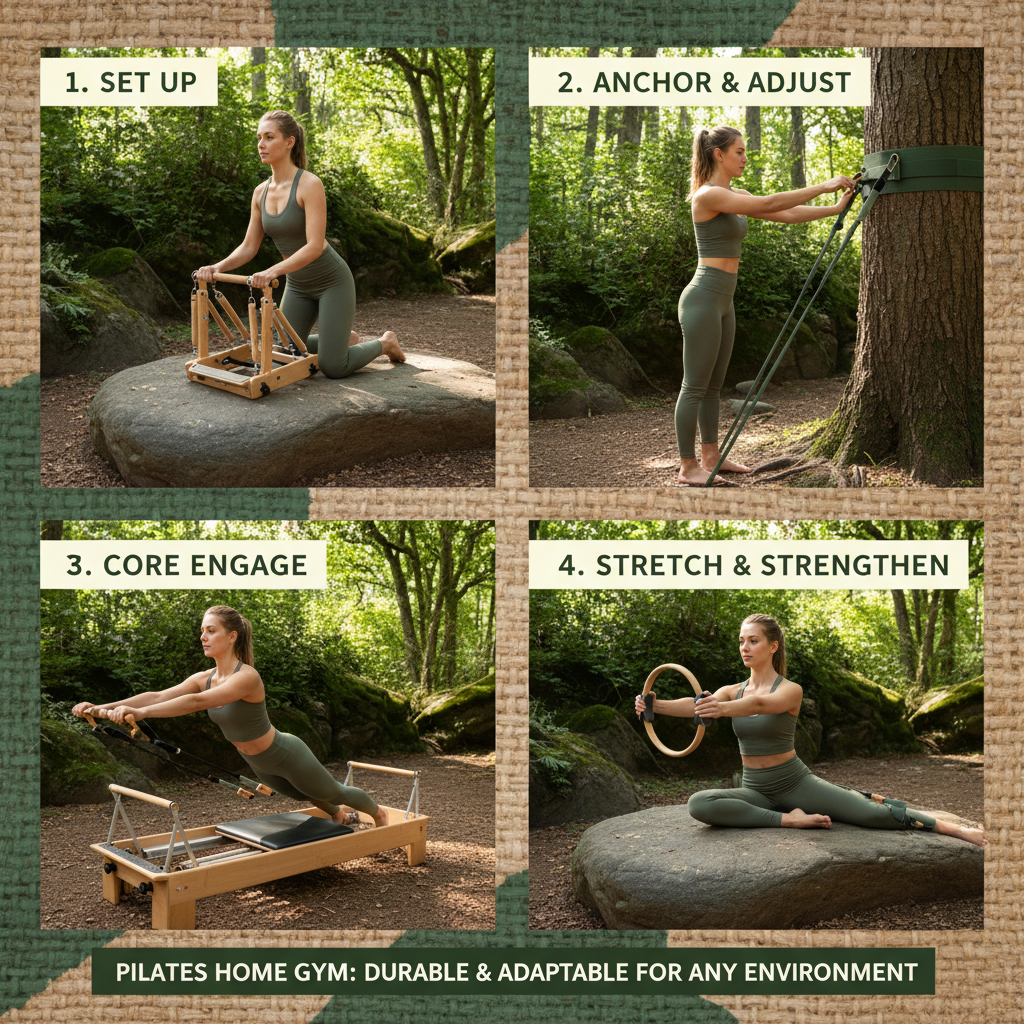
Reformer accessories are integral components that expand the functionality and customization options of the Pilates reformer. They range from simple additions like different footplates and headrests to more specialized tools like jump boards, Pilates rings, and ankle cuffs. These accessories allow instructors and practitioners to modify exercises, address specific muscle imbalances, and challenge the body in new and innovative ways. Investing in quality reformer accessories is an investment in a more versatile and effective Pilates practice.
The modern landscape of fitness emphasizes personalized training and targeted rehabilitation. Reformer accessories perfectly align with this trend, providing the means to tailor each workout to the individual’s specific needs and goals. From beginners requiring modifications to advanced practitioners seeking increased challenge, these additions unlock a spectrum of possibilities. They represent a crucial aspect of evolving Pilates instruction and maintaining client engagement.
Defining Reformer Accessories
Reformer accessories can be broadly defined as any supplemental equipment used in conjunction with a Pilates reformer machine to enhance or modify exercises. This includes items that alter resistance (different spring weights), modify body positioning (adjustable headrests, footbars), or introduce new movement patterns (jump boards, resistance bands). The defining characteristic is their role in augmenting the reformer's core functionality.
These accessories bridge the gap between the reformer’s inherent capabilities and the unique needs of each client. A standard reformer provides a foundational platform for a wide array of exercises, but accessories unlock targeted adaptations. They allow instructors to address specific musculoskeletal imbalances, accommodate limitations due to injury, and create progressions for advanced practitioners.
In the context of modern physical therapy and wellness, reformer accessories are vital tools for rehabilitation. They allow therapists to carefully control the level of challenge and support, enabling patients to rebuild strength, improve range of motion, and regain functional movement patterns with greater precision and safety.
Key Features of Quality Accessories
High-quality reformer accessories share several key characteristics. First, they are crafted from durable materials that can withstand repeated use and varying levels of stress. Secondly, they prioritize user safety, featuring smooth, rounded edges and secure attachment mechanisms. Finally, they are designed to seamlessly integrate with the reformer, allowing for easy adjustments and a stable, reliable experience.
Beyond these fundamental attributes, accessories should also offer versatility. A well-designed footbar, for example, should be adjustable in height and angle to accommodate different body types and exercise variations. Springs should come in a range of resistances to provide progressive challenges. The ability to adapt the accessory to diverse needs is a hallmark of quality design.
Consider also the ease of cleaning and maintenance. Accessories used in a studio setting will experience frequent contact with sweat and body oils. Materials that are easy to wipe down and disinfect are crucial for maintaining hygiene and preventing the spread of germs. This adds to the longevity and usability of the equipment.
Durability and Material Science
The longevity of reformer accessories heavily relies on the materials used in their construction. High-quality steel, often coated with a durable powder finish, is common for frames and supporting structures. Footbars are frequently made from hardwood, such as maple or birch, selected for its strength and resistance to wear. Straps and padding are typically constructed from nylon or neoprene, chosen for their durability and comfort.
Material science plays a crucial role in optimizing performance and longevity. For instance, the elasticity and tensile strength of reformer springs are critical to their function. Springs are generally crafted from high-carbon steel and undergo rigorous testing to ensure consistent resistance and prevent breakage. Understanding these material properties is essential for both manufacturers and users.
Reformer Accessory Material Durability Ratings
Global Applications of Reformer Accessories
The applications of reformer accessories extend far beyond traditional Pilates studios. Physical therapy clinics worldwide utilize these tools to aid in rehabilitation programs for patients recovering from injuries or surgeries. They are particularly effective in improving core stability, restoring range of motion, and enhancing neuromuscular control.
In athletic training facilities, reformer accessories are employed to enhance performance, prevent injuries, and address muscle imbalances. Athletes in various sports, including dance, gymnastics, and rehabilitation from sports injuries, benefit from the targeted strengthening and flexibility provided by the reformer and its accessories.
Advantages and Long-Term Value
Investing in high-quality reformer accessories offers numerous advantages. The increased versatility of the reformer translates to greater client retention and the ability to offer a wider range of services. From a financial perspective, durable accessories reduce the need for frequent replacements, contributing to long-term cost savings.
Beyond the practical benefits, reformer accessories enhance the overall client experience. The ability to personalize workouts and address specific needs fosters a sense of empowerment and encourages continued participation. This focus on individualized care builds trust and strengthens the relationship between instructor and client, contributing to a sustainable and thriving fitness business.
Furthermore, the focus on precision and mindful movement inherent in Pilates – amplified by the correct accessories – promotes not just physical wellness but also mental wellbeing. This holistic approach to fitness provides a significant social impact and positions reformer Pilates as a valuable investment in overall health.
Future Trends in Reformer Accessory Design
The future of reformer accessory design is poised to be shaped by several emerging trends. We anticipate increased integration of smart technology, such as sensors that track movement and provide real-time feedback. This data-driven approach will enable more precise exercise customization and enhance the effectiveness of rehabilitation programs.
Sustainable materials and eco-friendly manufacturing processes are also gaining prominence. Demand for accessories made from recycled materials and produced using environmentally responsible methods is on the rise, reflecting a growing consumer awareness of sustainability.
Finally, expect to see further innovation in ergonomic design, focusing on creating accessories that are more comfortable and intuitive to use. This includes exploring new materials and shapes that better support the body and minimize the risk of injury, enhancing the inclusivity of reformer Pilates for all.
Summary of Reformer Accessory Design Considerations
| Material Quality |
Ergonomic Design |
Technological Integration |
Sustainability Impact |
| High-grade steel, durable hardwoods, resilient polymers |
Comfortable grips, adjustable features, intuitive use |
Motion sensors, feedback systems, data analytics |
Recycled materials, eco-friendly production, reduced waste |
| Resistance to wear and tear, long-lasting performance |
Minimizes strain, promotes proper alignment, enhances safety |
Personalized workouts, performance tracking, remote monitoring |
Reduced carbon footprint, responsible sourcing, circular economy |
| Corrosion resistance, stability, structural integrity |
Adapts to diverse body types, accommodates limitations |
Real-time feedback, progress monitoring, data-driven insights |
Environmentally conscious manufacturing, ethical labor practices |
| Impact resistance, ability to withstand repeated stress |
Enhanced user experience, increased comfort |
Improved exercise technique, optimized results |
Reduced environmental impact, sustainable practices |
| Long-term reliability, minimal maintenance |
Promotes proper biomechanics, prevents injury |
Remote coaching, virtual reality integration, interactive workouts |
Positive brand image, appeal to eco-conscious consumers |
| Value retention, durability over time |
Increased user engagement, enhanced satisfaction |
Personalized training plans, data-driven recommendations |
Contribution to a healthier planet, responsible business practices |
FAQS
Regular cleaning is crucial. Wipe down accessories after each use with a disinfectant cleaner. For straps and padding, a mild soap and water solution is effective. Avoid harsh chemicals that can damage materials. Store accessories in a clean, dry place to prevent mold and mildew. Periodic inspection for wear and tear is also recommended.
Selecting the correct spring weight depends on the exercise and the client’s strength level. Start with lighter springs for beginners and gradually increase resistance as they progress. Consider the movement pattern – exercises requiring more power will necessitate heavier springs. A good rule of thumb is to choose a weight that allows for controlled movement throughout the full range of motion.
Reformer accessories can be highly beneficial for injury rehabilitation, but it's essential to work with a qualified instructor or physical therapist. They can modify exercises and choose appropriate accessories to address specific limitations and promote safe, effective healing. Always prioritize pain-free movement and avoid exercises that exacerbate symptoms.
The lifespan of reformer accessories varies depending on usage and material quality. High-quality accessories, with proper care and maintenance, can last for several years. Springs may need replacing periodically as they lose elasticity. Straps and padding may show wear and tear over time and require replacement. Regularly inspect your accessories for signs of damage.
When sourcing reformer accessories, prioritize reputable suppliers known for quality and durability. Look for brands with positive reviews and a commitment to customer satisfaction. Consider purchasing from specialized Pilates equipment retailers or directly from manufacturers. Ensure the accessories meet safety standards and are made from high-quality materials.
Different footbar options allow for varied foot placements, influencing muscle engagement and exercise intensity. A wider footbar promotes hip stability, while a narrower bar challenges balance. Adjustable footbars allow for customized positioning to accommodate individual anatomy and exercise variations. Utilizing different footbar configurations unlocks a broader range of movement possibilities.
Conclusion
In conclusion, reformer accessories are no longer merely additions to the Pilates reformer; they are integral components that unlock its full potential. From enhancing versatility and personalization to supporting rehabilitation and athletic performance, these tools have revolutionized the way we approach fitness and wellness. Investing in quality reformer accessories is an investment in long-term client satisfaction, business growth, and a commitment to providing a comprehensive and effective Pilates experience.
As the fitness industry continues to evolve, the demand for innovative and adaptable reformer accessories will only grow. By staying abreast of emerging trends in material science, technology, and ergonomic design, we can continue to refine these tools and maximize their benefits. Visit our website at Pilatesports.com to explore our full range of reformer accessories and discover how they can elevate your Pilates practice.