
Choose the Best Pilates Reformer for Home – Insider Tips
How to Choose a Pilates Reformer for Home: Insights from an Industrial Equipment Insider
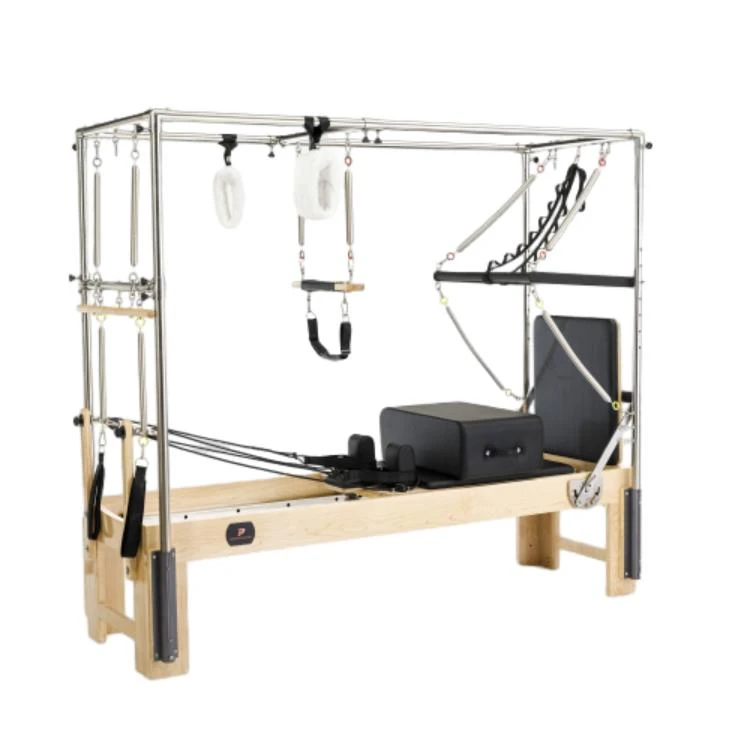
Having spent well over a decade working in the industrial equipment sector, I’ve come to appreciate the subtle engineering nuances behind well-made machinery. Oddly enough, this attention to detail applies just as much to something like a Pilates reformer as it does to factory tools. If you’re looking to pick a Pilates reformer for your home, this isn’t just about aesthetics or price tags—you want a machine that’s reliable, quiet, and built to last under frequent use.
Let me walk you through some factors that most people overlook but which frankly make a big difference in real terms. From materials to mechanics, it’s worth investing a little time understanding what’s going on beneath the surface.
Framework and Build Quality
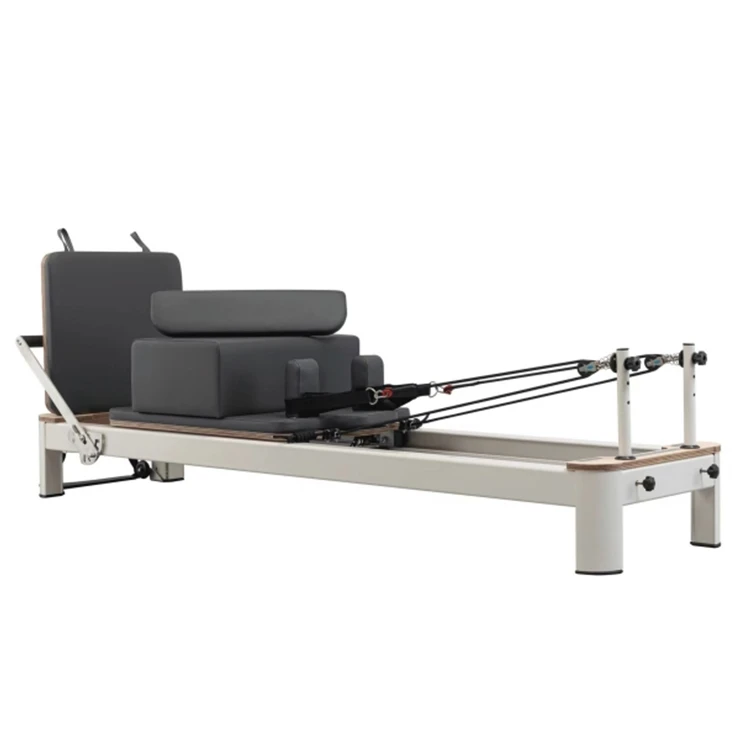
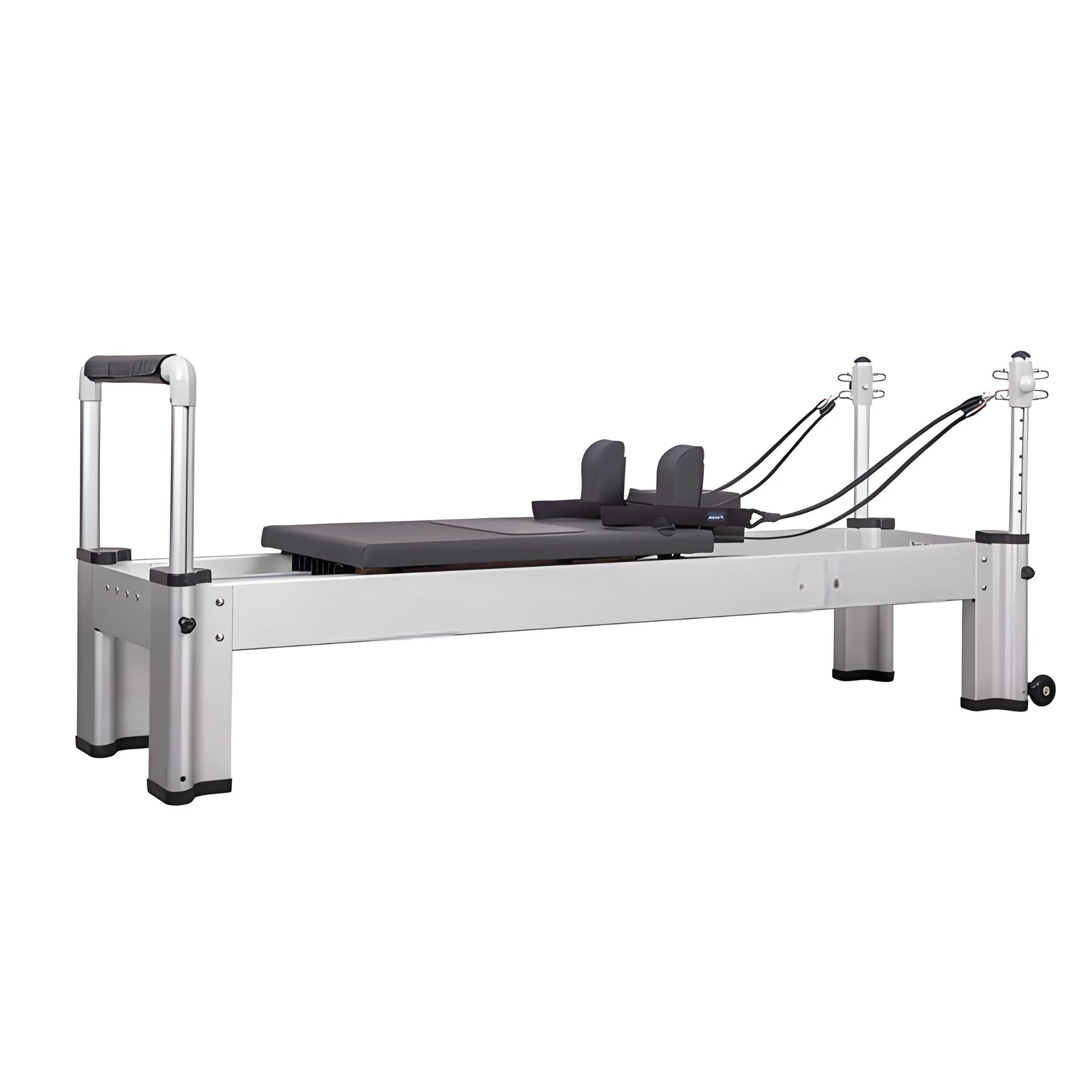
First off, the frame is everything. Most reputable reformers use aluminum or steel tubing. Aluminum tends to be lighter and easier to move, while steel offers that reassuring solidity. I’ve noticed that home models with lightweight frames might wobble slightly if the joining hardware isn’t robust—that’s a no-go for smooth workouts.
In my experience, high-quality welds or riveted joints usually signal longer durability. You know how sometimes when you pick up a machine and it feels almost “flimsy”? That’s because corners were cut on the frame. So, check for manufacturer specifications on the frame material and ask about weight limits.
Carriage and Springs: The Heart of the Machine
The carriage is where all the magic happens. Smoothness is key here. As someone who’s seen conveyor belts and linear bearings in industrial plants, a Pilates reformer with basic wheels or tracks can run into alignment trouble pretty fast. Look for reformers that use precision ball bearings or even industrial-grade rollers.
And springs—frankly, these are often undervalued. You want a stretch and resistance that feels balanced, not overly stiff or “dead.” Some brands provide various spring tensions you can swap out for better customization. That’s a feature I’d put high on the must-have list.
Size, Portability, and Storage
Space is the silent enemy here. If you live in a compact apartment, getting a bulky reformer might become an unpleasant surprise. Foldability or easy disassembly are nice features, though sometimes that convenience trades off with sturdiness.
For example, I had a client once who needed to move their reformer daily — the foldable designs were a godsend. But if you’ve got a dedicated workout space, a non-folding industrial-style frame will give you that rock-solid feel that’s worth the space.
Materials and Upholstery
Now, the upholstery is more than just a cosmetic concern. Foam density and cover materials affect comfort and durability. Vinyl covers are pretty standard and easy to clean, but some premium models feature moisture-resistant, antimicrobial fabrics—great if you’re planning intense sessions and want longevity.
Product Spec Table: A Typical Quality Pilates Reformer
| Feature | Specification |
|---|---|
| Frame Material | Powder-coated steel |
| Carriage Type | Precision ball bearing wheels |
| Resistance Springs | 5 interchangeable tension springs |
| Dimensions (L × W × H) | 84 × 24 × 14 inches |
| Weight Limit | 300 lbs (136 kg) |
| Upholstery | High-density foam with antimicrobial vinyl |
Vendor Comparison: Picking the Right Brand
| Vendor | Build Quality | Price Range | Unique Feature |
|---|---|---|---|
| PilatesSports | High-grade steel frame, smooth carriage system | $2,000 - $2,800 | Customizable spring intensity options |
| CoreFit | Aluminum frame, moderate stability | $1,500 - $2,200 | Lightweight, foldable design |
| Equilibre | Solid wood frame, artisan-crafted | $2,500 - $3,500 | Premium upholstery and finish |
To share a quick story: a colleague’s wife recently started Pilates at home and swore by the extended spring range on her PilatesSports reformer. She said switching between lighter and heavier springs made a world of difference in her recovery from a minor injury. Having that sort of flexibility is, frankly, a game-changer.
In conclusion, when choosing a Pilates reformer for your home, try to put yourself in the shoes of an engineer or craftsman. Look beyond flashy marketing, ask about build materials, test the carriage smoothness if possible, and definitely weigh the pros and cons of portability vs robustness. It’s a purchase you’ll likely have for years, so get it right the first time.
References:
- Industry Report on Exercise Equipment Materials, 2023
- Consumer Reviews on Pilates Reformer Durability, PilatesTech Magazine
- Interviews with Pilates Instructors and Equipment Engineers, 2022
Latest news
-
Professional Pilates Cadillac Reformer for Sale and Buyer GuideNewsApr.16,2026
-
Professional Guide to Finding the Best Pilates Cadillac for SaleNewsApr.09,2026
-
Find the Perfect Cadillac Reformer Combo for Sale and Elevate Your Pilates PracticeNewsApr.07,2026
-
Choosing the Ideal Wooden Pilates Reformer Machine for Your Fitness JourneyNewsApr.04,2026
-
Choosing the Right Wooden Pilates Equipment for Studio and Home UseNewsMar.31,2026
-
Understanding the Versatility and Benefits of the Wood Reformer for PilatesNewsMar.28,2026
- Address
- Room 1601, 1302, Building A, Zijingguandi, Qiaodong District, Xingtai City, Hebei Province, China
- Sandra@raetin.com
- Phone
- +86 18231139331