
How to Choose the Best Pilates Reformer for Your Needs
How to Choose a Pilates Reformer That Truly Fits Your Needs
Having spent more than a decade around industrial equipment—manufacturing lines, quality control, and yes, even fitness gear—I can’t help but see a Pilates reformer as more than just a shiny workout machine. It’s an amalgam of engineering finesse, comfort, and performance. So when friends or clients ask me, “How do I choose the right Pilates reformer?”, I always pause a bit. Because honestly, it’s a mix of personal goals, mechanical quality, and subtle design choices that make all the difference.
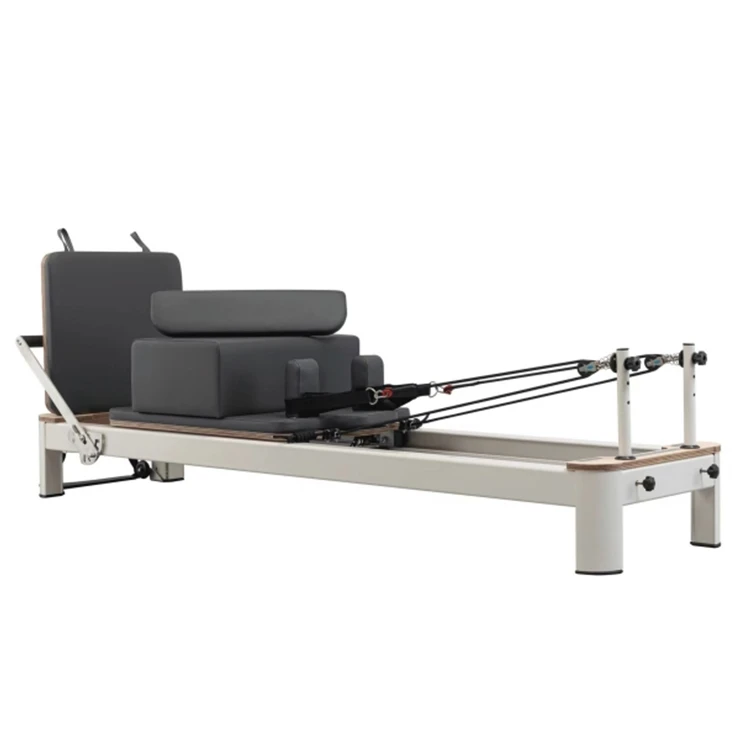
First off, the industry has evolved quite a bit. Modern reformers aren’t the bulky contraptions they once were. Many manufacturers now integrate smooth carriage rails, adjustable springs, and cushioned platforms that feel almost like gliding on air. Oddly enough, this kind of precision reminds me of some aerospace components I once inspected—tight tolerances, materials built to last.
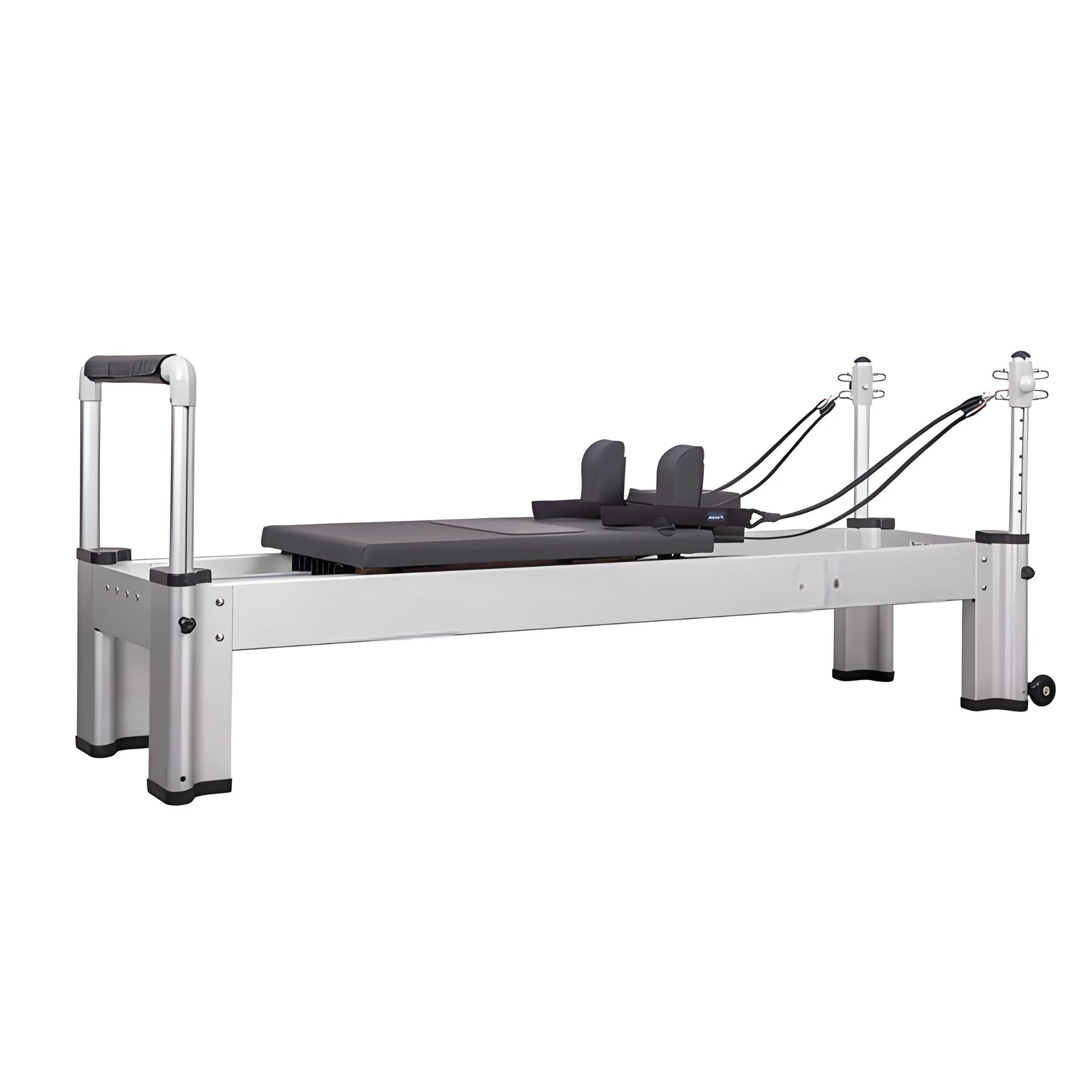
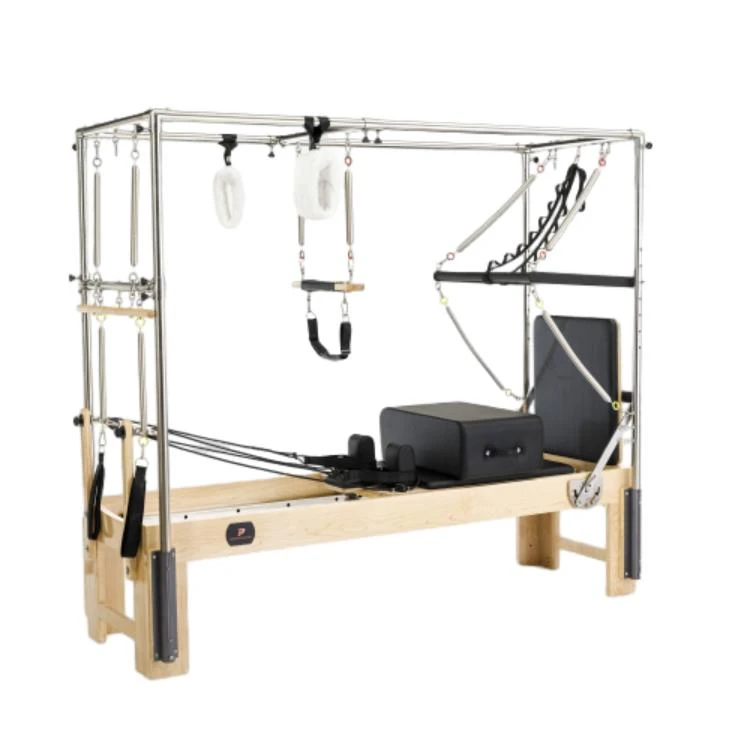
Speaking of materials, I always recommend looking for aluminum or hardwood frames rather than just MDF or cheap composites. High-grade aluminum keeps the reformer lightweight without compromising sturdiness. Hardwood options, like maple or beech, add that warm, natural feel but tend to cost a bit more. Frankly, the choice also affects noise levels; metal frames can sometimes creak if not properly engineered.
Now, about testing: the best reformers undergo rigorous durability and safety tests—sometimes simulating thousands of uses—before hitting the market. It’s one thing to see impressive specs on paper, but manufacturers who openly share their testing protocols earn my respect. That transparency is a hallmark of solid engineering and, frankly, trustworthiness.
Customization is another interesting aspect. Many reformers offer adjustable footbars, headrests, and variable spring tensions. This is huge if you have specific injury concerns or want to progress through different intensity levels over time. For example, one client I worked with had chronic lower back issues and found that a reformer with fine-tuned resistance settings allowed her to rebuild core strength gradually without pain.
But don’t forget the user experience. I’ve noticed that sometimes the simplest details—like the ease of adjusting straps or the carriage’s smoothness—make or break daily use. You know, it's easy to get dazzled by specs, but if you dread assembling or adjusting your reformer, you might just abandon it after a few weeks.
| Feature | Details |
|---|---|
| Frame Material | Anodized Aluminum |
| Dimensions (LxW) | 85" x 27" |
| Weight Capacity | 350 lbs (160 kg) |
| Spring Levels | 5 adjustable springs |
| Carriage Glide | Precision ball bearing rollers |
| Foldability | Yes, for small spaces |
In real terms, picking a reformer comes down to balancing quality, budget, and your unique physical needs. To help decide, here’s a quick vendor comparison I’ve compiled from years of industry chatter and testing:
| Brand | Build Quality | Price Range | Special Features |
|---|---|---|---|
| Pilates Sports | High – aircraft-grade aluminum frame | $$$ (Mid-high) | Modular spring system, foldable design |
| Balanced Body | Very High – hardwood, heavy-duty mechanics | $$$$ (Premium) | Integrated footbar options, studio-grade |
| Stamina | Medium – steel frame, budget materials | $ (Entry-level) | Basic resistance settings, compact size |
From my point of view, if you’re someone who values durability and ease of adjustment without breaking the bank, Pilates Sports products hit a nice sweet spot. I’ve seen a few clients upgrade from entry-level brands to their reformers and swear by the smoother motion and sturdier frame.
So, what’s the takeaway? Choosing a Pilates reformer is an investment—not just financially, but in your wellbeing and daily routine. Testing a few options in person is ideal, but understanding the specs, materials, and how you’ll actually use it can save you from buyer’s remorse. And remember, the best reformer is one that motivates you to keep moving.
In the end, it’s all about finding that blend of engineering and comfort to keep you coming back for more sessions.
References:
- Industry reports on fitness equipment durability testing, 2023.
- Interviews with Pilates instructors and equipment developers.
- Customer feedback and reviews aggregated across major retailers.
Latest news
-
Professional Pilates Cadillac Reformer for Sale and Buyer GuideNewsApr.16,2026
-
Professional Guide to Finding the Best Pilates Cadillac for SaleNewsApr.09,2026
-
Find the Perfect Cadillac Reformer Combo for Sale and Elevate Your Pilates PracticeNewsApr.07,2026
-
Choosing the Ideal Wooden Pilates Reformer Machine for Your Fitness JourneyNewsApr.04,2026
-
Choosing the Right Wooden Pilates Equipment for Studio and Home UseNewsMar.31,2026
-
Understanding the Versatility and Benefits of the Wood Reformer for PilatesNewsMar.28,2026
- Address
- Room 1601, 1302, Building A, Zijingguandi, Qiaodong District, Xingtai City, Hebei Province, China
- Sandra@raetin.com
- Phone
- +86 18231139331