
Pilates Design Reformer – Durable, Precise & User-Friendly Equipment
Pilates Design Reformer: Precision Meets Innovation in Movement
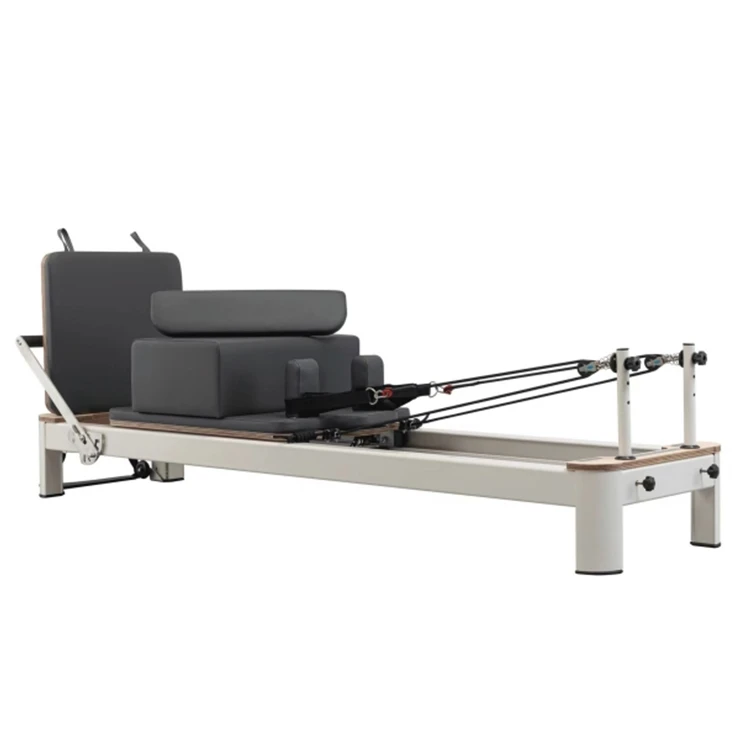
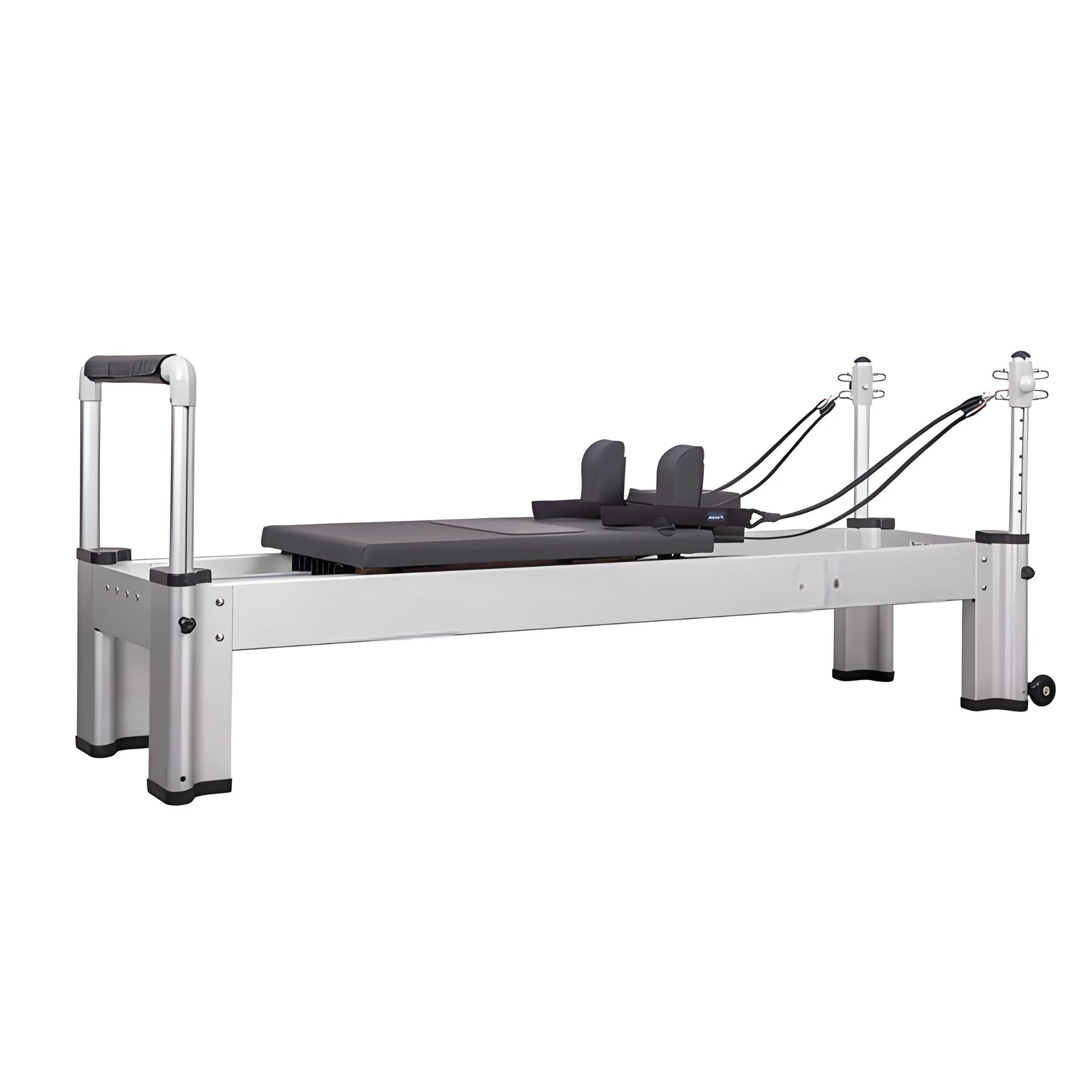
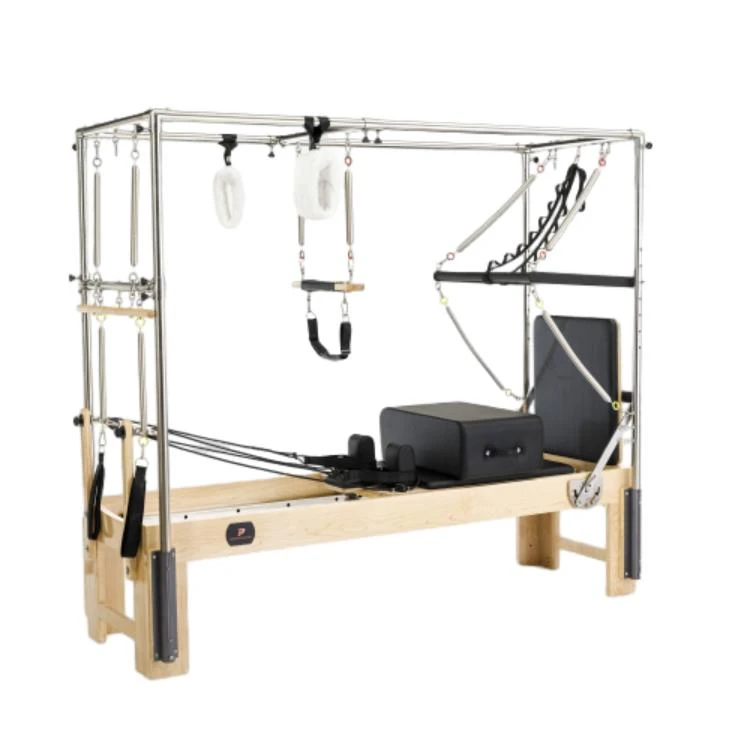
Having spent years around industrial equipment — albeit mostly heavy machinery — it’s oddly refreshing to dive into a product like the Pilates Design Reformer. If you’re thinking it’s just another piece of fitness gear, think again. This isn't your run-of-the-mill workout bench. In real terms, the reformer is a carefully engineered apparatus blending biomechanics with sleek design, precision springs, and durable materials for a top-tier Pilates experience. Frankly, I find it a perfect example of how design can help human movement, not just machines.
What really stands out is the meticulous attention to the frame’s construction. Most industrial engineers would nod appreciatively at its welded aluminum components — strong yet lightweight — while the nylon-coated springs offer smooth resistance without the usual creaks you might expect. Many people who’ve tested the pilates design reformer comment on how the carriage glides almost effortlessly, even under heavy resistance, which says a lot about the quality control behind it.
Customizability is another big win here. Users can adjust spring tension easily, and the modular footbar with its ergonomically padded cover really shows how practical experience has shaped the design. Oddly enough, the smaller details — like anti-slip pads and reinforced end-stops — feel trivial until you actually use one. In an industrial context, such thoughtful features reduce wear and tear, predict maintenance schedules, and frankly extend the lifespan of the equipment.
To put it into perspective, here’s a quick breakdown of the core specs typically found on a Pilates Design Reformer model:
| Specification | Details |
|---|---|
| Frame Material | Welded anodized aluminum |
| Carriage Glide System | Ball-bearing with nylon sliders |
| Spring Resistance Levels | 5 levels adjustable tension |
| Dimensions | 86" L x 24" W x 14" H |
| Max User Weight | 350 lbs (159 kg) |
| Footbar Type | Ergonomic, padded, adjustable |
Now, not all reformers are created equal, and it’s useful to see how the Pilates Design Reformer stacks up against some other popular brands. Having worked with various industrial products, I tend to appreciate clear specs and robust durability combined with user feedback. Here’s a vendor comparison to illustrate:
| Feature | Pilates Design | Brand X | Brand Y |
|---|---|---|---|
| Frame Material | Welded anodized aluminum | Steel with powder coat | Aluminum alloy |
| Max User Weight | 350 lbs | 300 lbs | 400 lbs |
| Adjustable Springs | 5 tension levels | 3 tension levels | 4 tension levels |
| Footbar Comfort | Ergonomic padded | Basic metal bar | Padded but non-adjustable |
| Price Range | $$$ | $$ | $$$ |
Here’s a little anecdote: a studio owner I know was initially skeptical about upgrading from her existing reformers, mostly because the investment is significant. But after a trial, she saw fewer maintenance calls, and clients mentioned how “smooth and strong” the reformer felt during sessions. It’s subtle – but in industrial equipment, subtlety often signals quality you can rely on.
To sum it up, the Pilates Design Reformer shines because it strikes a neat balance — industrial-grade durability fused with a user-friendly, aesthetic design. If you've ever wrestled with creaky, clunky reformers, you’ll appreciate the harmony here; and honestly, it feels like it was made by engineers who truly understand movement — not just mechanics.
For those curious to explore more or considering a purchase, visiting the official pilates design reformer page is a smart move. It’s where specs meet testimonials in a neat package.
So, what’s the takeaway? Well, quality reformers aren’t just fitness tools; they’re engineered companions in your wellness journey — designed with grit, precision, and a genuine understanding of biomechanics. In this space, the Pilates Design Reformer is, frankly, one of the best-engineered on the market.
References
- Industry insights gathered from personal experience in industrial equipment and Pilates studios.
- Product specs and user feedback collected from Pilatesports official documentation.
- Comparative analysis based on vendor specs publicly available as of 2024.
Latest news
-
Professional Pilates Cadillac Reformer for Sale and Buyer GuideNewsApr.16,2026
-
Professional Guide to Finding the Best Pilates Cadillac for SaleNewsApr.09,2026
-
Find the Perfect Cadillac Reformer Combo for Sale and Elevate Your Pilates PracticeNewsApr.07,2026
-
Choosing the Ideal Wooden Pilates Reformer Machine for Your Fitness JourneyNewsApr.04,2026
-
Choosing the Right Wooden Pilates Equipment for Studio and Home UseNewsMar.31,2026
-
Understanding the Versatility and Benefits of the Wood Reformer for PilatesNewsMar.28,2026
- Address
- Room 1601, 1302, Building A, Zijingguandi, Qiaodong District, Xingtai City, Hebei Province, China
- Sandra@raetin.com
- Phone
- +86 18231139331