
What You Need to Know About Reformer Align — Benefits & Innovations
Understanding Reformer Align: Why It Matters Today
If you’ve ever visited a Pilates studio or a modern fitness space, the phrase “reformer align” might have caught your ear. But beyond the workout jargon, reformer alignment touches on a bigger picture—how we engineer and optimize motion, posture, and ultimately well-being on a global scale. Think of it like the silent hero behind not only better movement but also improving how equipment, devices, or even entire processes integrate seamlessly for efficiency and longevity.
In an increasingly health-conscious world, the way bodies and machines “align” has a ripple effect—on injury prevention, productivity, and sustainability. Understanding reformer align supports better design, smarter manufacturing, and even humanitarian efforts where ergonomic, modular solutions can make a difference in places that need swift, reliable interventions.
The Global Context: Why Reformer Align Matters Now More Than Ever
Globally, the focus on human-centric design is rising fast. According to the World Health Organization, musculoskeletal conditions affect over 1.7 billion people worldwide—a staggering number that pushes industries toward smarter alignments to reduce strain and injury.
On an industrial scale, ISO standards have increasingly emphasized alignment and calibration of equipment to reduce wear-and-tear, improve safety, and extend lifespan. The integration of reformer align concepts ensures that devices, supports, or even transportation systems work in harmony, reducing downtime and improving user experience.
Yet, the challenge remains: how do we achieve precise alignment in complex settings without costly, time-consuming interventions? That’s where advanced reformer align principles really shine, blending biomechanics with engineering innovation.
Definition & Meaning of Reformer Align
At its simplest, reformer align refers to the accurate positioning and adjustment of components—whether in Pilates equipment or mechanical systems—to ensure optimal function and safety.
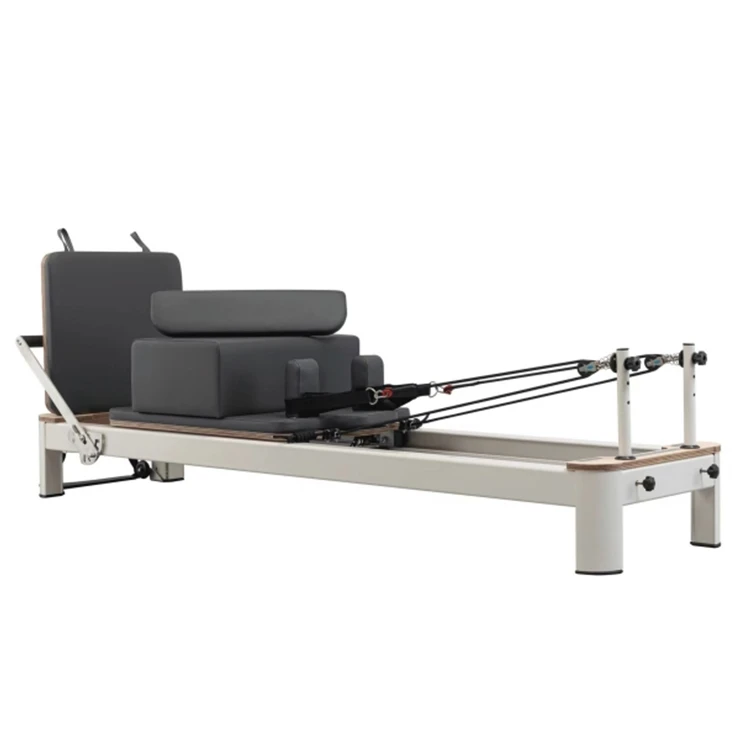
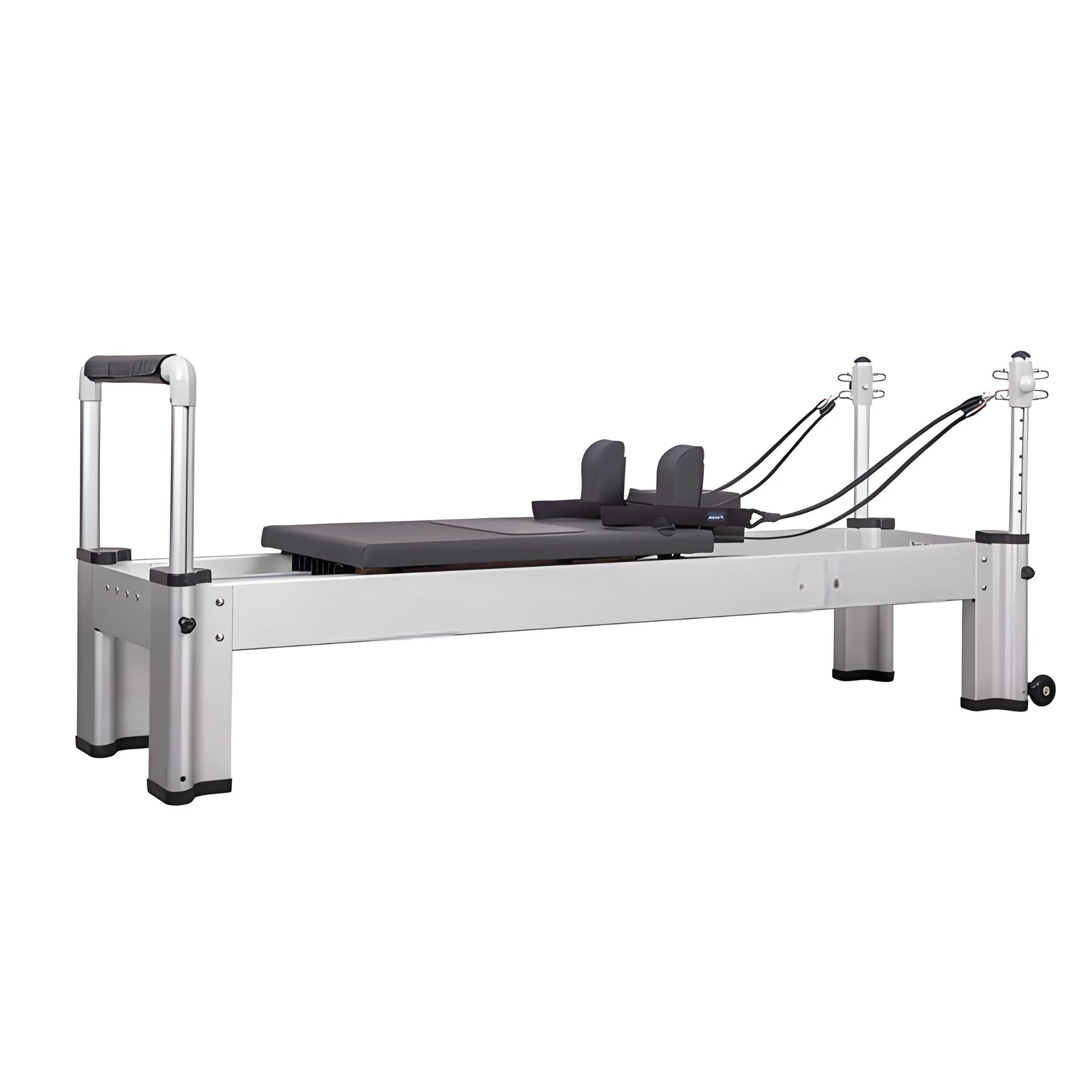
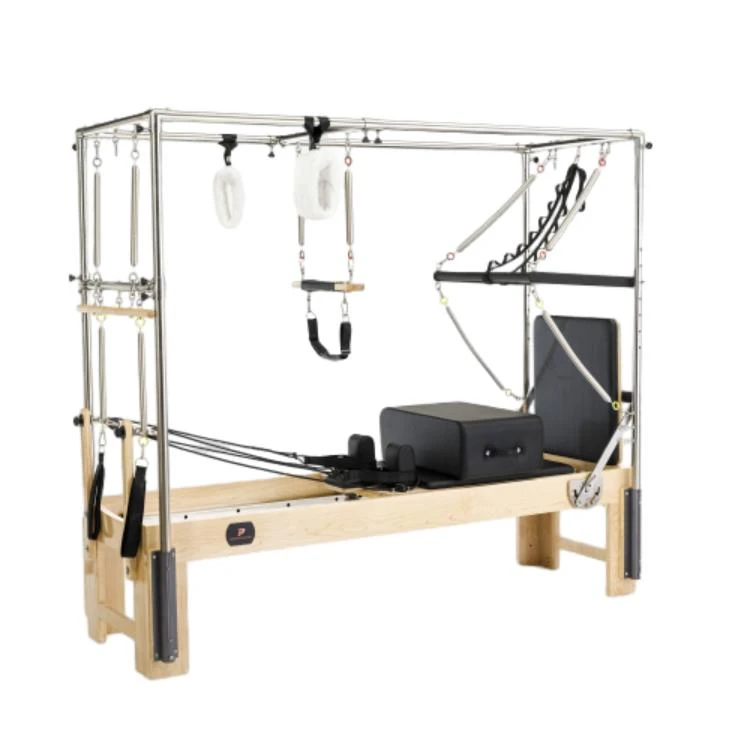
In Pilates, it’s about adjusting the carriage, springs, and straps so the body moves safely and efficiently. More broadly, it’s a design philosophy focused on how parts and users fit together, promoting balance, minimizing risk, and maximizing output.
Industries from manufacturing to healthcare adopt reformer alignment strategies to create environments where everything “clicks” the way it’s supposed to—improving productivity and even human dignity.
Core Components of Effective Reformer Align Systems
1. Precision Engineering
Precision is king here. Whether adjusting the tension springs on a reformer or calibrating industrial conveyors, tiny misalignments create big problems. Accurate measurements and high-quality materials reduce these errors.
2. Durability and Material Quality
Think steel frames that don’t bend, or medical-grade straps that won’t snap mid-session. The longevity of the align system depends on picking materials that survive real-world stresses.
3. User-Centric Design
This is about ergonomics. The best reformer align setups consider the end-user, from instructors to factory operators, making adjustments intuitive and comfortable.
4. Scalability and Adaptability
Industries appreciate systems that grow with them. Reformer align features modular parts or customizable settings tailored to diverse users and scenarios.
5. Cost Efficiency
Technology or design that is prohibitively expensive rarely gets traction. Balancing up-front and long-term costs is crucial to adopting reformer alignment principles.
Product Specifications: A Snapshot of a Premium Reformer Align System
| Feature | Specification |
|---|---|
| Frame Material | Aircraft-grade aluminum with powder coating |
| Spring Tension Range | 2-12 lbs adjustable tension |
| Alignment Sensors | Integrated digital sensors with feedback display |
| User Weight Capacity | Up to 300 lbs (136 kg) |
| Dimensions (L×W×H) | 90" × 24" × 14" |
| Warranty | 5 years limited |
Comparing Leading Vendors in the Reformer Align Space
| Vendor | Strengths | Price Range | Best For |
|---|---|---|---|
| AlignPro | Advanced sensor tech, excellent build quality | $$$ | High-end studios & rehabilitation centers |
| SyncMotion | Affordable, user-friendly adjustments | $$ | Mid-tier studios, gyms |
| CoreBalance | Modular design, versatile setups | $$$ | Industrial & fitness crossover |
Global Applications: Where Reformer Align Makes a Difference
Oddly enough, in places as diverse as post-disaster relief sites to high-tech manufacturing floors, the principle of reformer align plays a vital role.
- Healthcare and Rehab: Clinics in Europe and North America rely on reformer alignment technology to customize patient therapy, reducing recovery time.
- Industrial Automation: Factories in East Asia use aligned conveyor and robotic systems to minimize downtime and improve safety.
- Fitness and Wellness: Studios worldwide integrate smart reformer align devices for precise movement guidance.
- Humanitarian Efforts: NGOs employ modular, easily aligned systems in remote disaster zones to quickly set up safe, ergonomic facilities.
Each scenario shares a need for reliability, precision, and adaptability — in low-resource settings or cutting-edge labs alike.
Why Reformer Align Is a Smart Long-Term Investment
There’s a kind of quiet reliability in well-aligned systems. You save money by avoiding replacements, injuries, and inefficiencies. You also gain peace of mind—knowing the setup respects user safety and dignity.
Plus, many engineers say that proper alignment fuels innovation: when parts fit perfectly, users can push boundaries. There’s an emotional payoff, too—confidence, trust, even joy in movement or smooth operation.
Environmentally, better alignment means less waste and energy spent fixing problems or replacing gear. It’s sustainable in the truest sense — a win-win on the green front.
Future Trends: Where Is Reformer Align Headed?
The future looks smart—and a little futuristic. Integrating AI and IoT devices allows real-time feedback for users or technicians adjusting reformer setups. VR and motion capture could revolutionize how trainers diagnose and tweak alignments remotely.
Material science is also evolving: lightweight composites and eco-friendly fabrics will boost durability and cut carbon footprints.
Automation promises quicker setup and calibration, making reformer align systems accessible beyond specialized studios or factories.
Challenges and Practical Solutions
Sure, there are hurdles. Cost remains a barrier for smaller players. Calibration tools, especially digital ones, need user training — not everyone’s a tech person.
Yet solutions exist: modular affordable kits, remote assistance apps, and cross-sector partnerships help spread the benefits. Many vendors now offer subscription or leasing models to lower entry hurdles.
It’s all about balancing sophistication with accessibility — sort of like how Pilates is now for everyone, not just experts.
FAQs About Reformer Align
- Q1: How important is reformer alignment in preventing injuries?
A: Very important. Proper alignment ensures that movements are biomechanically safe, distributing loads evenly and reducing joint strain. This decreases injury risk, whether during exercise or industrial tasks. - Q2: Can reformer align systems be customized for different users?
A: Absolutely. Most modern systems feature adjustable components and tension settings, allowing tailoring to individual body types, fitness levels, or operational needs. - Q3: Are advanced reformer align technologies expensive to maintain?
A: Not necessarily. While initial costs can be higher, many devices are designed for durability and easy calibration, reducing long-term expenses. Some vendors offer maintenance packages. - Q4: How do NGOs benefit from reformer align solutions in disaster zones?
A: Flexibility and speed. Modular, well-aligned equipment can be transported, assembled, and adjusted quickly to create safe environments for therapy, training, or operations amid chaos. - Q5: Is reformer align relevant outside fitness?
A: Definitely. The principles apply across manufacturing, healthcare, automation—anywhere precise alignment of components impacts function and safety.
Wrapping Up: Your Next Step with Reformer Align
In real terms, mastering reformer align principles is embracing a future of smarter design, better health outcomes, and sustainable innovation. It’s a subtle but powerful shift—one that pays dividends whether you’re building a Pilates studio, a factory floor, or a humanitarian camp.
Curious to explore what reformer alignment could look like in your world? Visit our website to discover products and insights tailored for you.
Latest news
-
Professional Pilates Cadillac Reformer for Sale and Buyer GuideNewsApr.16,2026
-
Professional Guide to Finding the Best Pilates Cadillac for SaleNewsApr.09,2026
-
Find the Perfect Cadillac Reformer Combo for Sale and Elevate Your Pilates PracticeNewsApr.07,2026
-
Choosing the Ideal Wooden Pilates Reformer Machine for Your Fitness JourneyNewsApr.04,2026
-
Choosing the Right Wooden Pilates Equipment for Studio and Home UseNewsMar.31,2026
-
Understanding the Versatility and Benefits of the Wood Reformer for PilatesNewsMar.28,2026
- Address
- Room 1601, 1302, Building A, Zijingguandi, Qiaodong District, Xingtai City, Hebei Province, China
- Sandra@raetin.com
- Phone
- +86 18231139331