
Body Pilates Reformer – Your Ultimate Guide to Effective & Versatile Workout Equipment
The Growing Appeal of the Body Pilates Reformer: Fitness Meets Functionality
In today’s fast-paced, wellness-driven culture, the body pilates reformer has emerged as an essential tool — not just for fitness enthusiasts but also in rehabilitation centers and even corporate wellness programs. Why the buzz? Well, Pilates reformers offer a versatile, low-impact way to build strength, improve flexibility, and correct posture. Globally, the demand for such equipment is skyrocketing as people seek healthier lifestyles that blend convenience with effectiveness.
Understanding the body pilates reformer isn’t just about knowing what it does physically. It also taps into broader health trends, from aging populations needing joint-friendly workouts to sports trainers pushing athletes’ limits safely. So the benefits ripple beyond just the individual, shaping how wellness professionals craft programs for various needs.
The Global Context: Pilate Reformer’s Role in Modern Health and Fitness
Globally, the fitness equipment industry is booming—expected to reach a valuation north of $15 billion by 2027 (Statista). More specifically, the demand for Pilates and barre equipment is on the rise, often doubling or tripling in certain markets as people pivot from traditional gyms to specialized studios or in-home workouts.
According to an ISO health report on exercise equipment trends, functional and rehabilitative devices like the body pilates reformer address the growing need for injury prevention and recovery-focused tools. Especially in regions like North America, Europe, and parts of Asia-Pacific, the reformer is integral to bridging gaps between general fitness and physical therapy.
The problem many face—limited time and injuries restricting typical workouts—is precisely what Pilates reformers solve. They enable controlled, low-impact movements that can be scaled to all fitness levels including seniors, post-injury patients, or pregnant women. It's incredible how something so simple yet thoughtfully engineered can make fitness accessible to so many — globally.
Mini takeaway:
- The body pilates reformer plugs into a global fitness need for adaptable, safe, and efficient exercise methods.
- It’s growing beyond fitness studios into rehabilitation, wellness, and corporate spaces worldwide.
What Is a Body Pilates Reformer, Really?
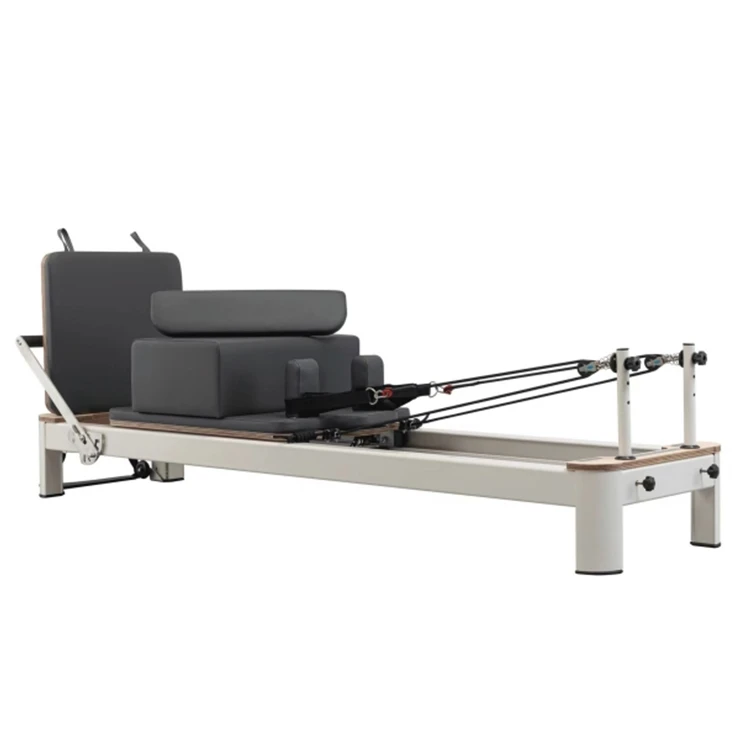
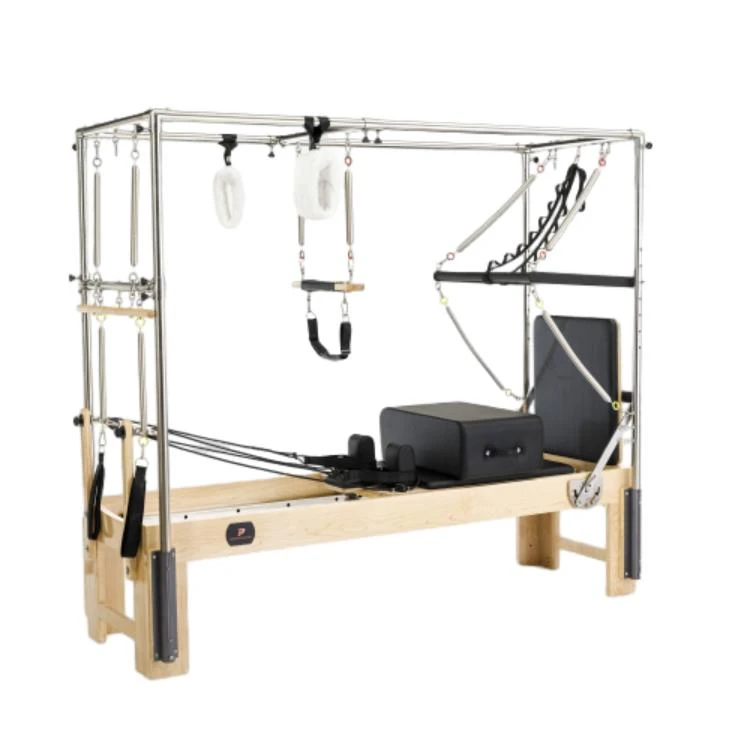
Simply put, a body pilates reformer is a machine designed to help perform Pilates exercises with resistance provided by springs and a sliding platform. Unlike mat Pilates, where your body weight is the main resistance, the reformer lets you adjust resistance for strength-building or gentle, rehabilitative movement.
Its connection to the health and wellness industry makes it an invaluable asset — especially since modern lifestyles demand equipment adaptable to multiple users, for everything from athletic conditioning to injury recovery. Organizations focused on physical therapy often leverage reformers for restoring mobility and encouraging muscle balance, aligning it with broader humanitarian health initiatives.
Mini takeaway:
- Body pilates reformers combine resistance and support for controlled, precise movement.
- They bridge fitness and rehabilitation, meeting diverse health needs.
Core Components of Body Pilates Reformers
1. Durability & Frame Structure
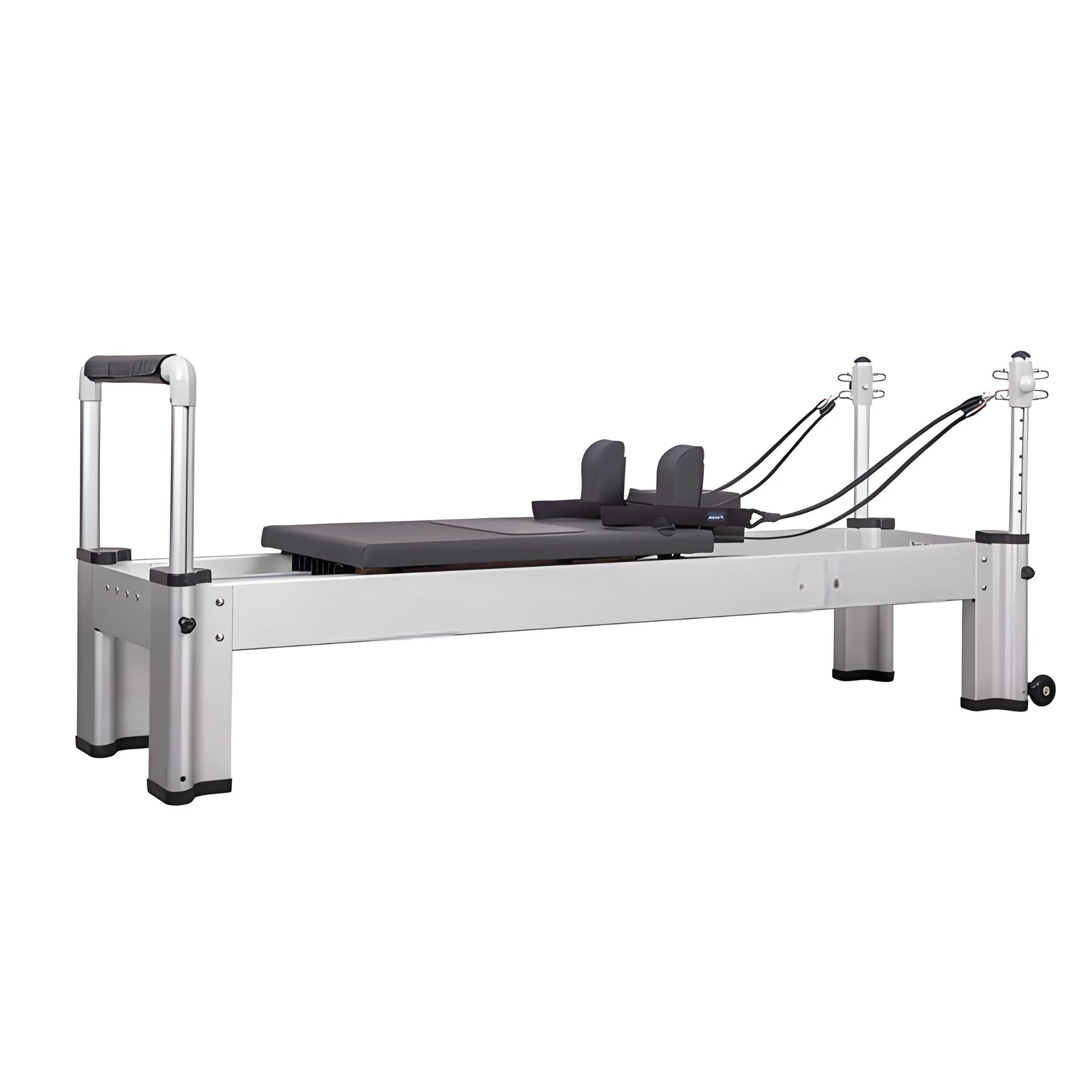
Many reformers are built with either lightweight aluminum or solid hardwood frames. Durability ensures safety during use, while a sturdy frame withstands years of tension from springs. Hardwood frames also bring aesthetic warmth—a small but lovely bonus.
2. Adjustable Resistance System
Springs or bands allow for fine tuning. You can scale workouts up or down easily, accommodating everyone from beginners to advanced practitioners. This makes the reformer an ultra-versatile tool, whether used solo or in rehab clinics.
3. Sliding Carriage
The smooth, gliding platform supports fluid motion. Quality reformers use low-friction materials or bearings to maintain silence and smoothness, which is crucial for focus and form precision.
4. Range of Accessories
Many models come with optional ropes, pulleys, or foot bars to expand exercise variety. This customization helps maintain engagement and allows targeting specific muscle groups.
5. Portability & Size
While some reformers are full-sized and heavy, newer designs emphasize portability for home use. Models that fold or disassemble neatly are increasingly popular, reflecting modern space-saving demands.
| Specification | Standard Model | Pro Model |
|---|---|---|
| Frame Material | Aluminum | Hardwood (Maple) |
| Resistance Springs | 5 adjustable | 7 adjustable, heavy-duty |
| Max User Weight | 250 lbs | 300 lbs |
| Dimensions (L x W x H) | 80 x 26 x 14 in | 84 x 28 x 14 in |
| Additional Accessories | Foot bar, ropes | Foot bar, ropes, pulleys, jump board |
Mini takeaway:
- Durability and adjustability form the backbone of an effective reformer.
- Accessory options and portability allow users to customize and integrate into various settings.
Global Applications & Real World Use Cases
Body pilates reformers shine in varied settings worldwide. In rehabilitation clinics across Europe, they accelerate recovery for patients with chronic back pain or after surgeries. Asian wellness centers blend traditional movement arts with reformer workouts for holistic health approaches.
In corporate wellness, companies in North America deploy reformers to reduce sedentary risks among desk workers, boosting productivity and morale. Oddly enough, some remote rehabilitation camps in Australia use portable reformers to provide exercise therapy where gyms simply don’t exist.
Then there are boutique studios in urban hotspots, where reformers are paired with other mind-body fitness tools, making workouts efficient, fun, and personalized. Honestly, one operator told me their membership skyrocketed once they added reformers—people love the challenge and variety.
Advantages & Long-Term Value of a Body Pilates Reformer
- Cost-effective Fitness Investment: Though initial investment might seem high, the product’s versatility often replaces multiple other pieces of equipment.
- Sustainability: Hardwood models are particularly eco-friendly, often sourced from sustainably managed forests.
- Social Impact: More accessible workouts help people maintain independence longer, vital in aging societies.
- Reliability & Longevity: A well-built reformer runs smoothly for decades, easy to maintain with minor parts replacements.
- Emotional Benefits: Users often report increased confidence and reduced anxiety through mindful movement facilitated by reformers.
Future Trends & Innovations in Body Pilates Reformers
Designers are integrating digital feedback sensors into reformers to track form and progress, making workouts smarter. Expect Bluetooth-enabled machines that sync with apps, offering real-time coaching — a sort of personal trainer meets technology vibe.
Environmentally, recycled composite materials are gaining traction, reducing the carbon footprint of manufacturing without compromising durability. And automation? Some companies are exploring motorized resistance adjustments, allowing seamless workout transitions without manual spring changes.
Challenges & Practical Solutions
Current challenges include the high upfront cost and space requirements for home users. Some models remain bulky and heavy, cutting accessibility. However, manufacturers are responding with more foldable designs and modular components.
Moreover, proper user training is vital. Without guidance, novices risk improper technique, potentially causing injury. This is changing as hybrid studio-home programs become the norm, pairing in-person classes with virtual tutorials to ensure safety.
| Vendor | Product Range | Price Range | Special Features | Global Shipping |
|---|---|---|---|---|
| PilatesCo | Basic to Pro | $1,200 - $3,400 | Eco-friendly materials, modular parts | Yes |
| ReformX | Premium models only | $2,600 - $4,800 | Integrated app support, sensor feedback | Limited |
| FlexFit | All price ranges | $900 - $3,000 | Portable, foldable designs | Yes |
FAQ: Frequently Asked Questions About Body Pilates Reformers
Q1: What is the main benefit of using a body pilates reformer versus mat Pilates?
A: The reformer provides adjustable resistance through springs, allowing for greater strength training and support for different skill levels. Mat Pilates relies on body weight alone and offers less variation in resistance.
Q2: Can body pilates reformers be used for injury rehabilitation?
A: Absolutely! Many physical therapists recommend reformers for controlled strengthening of muscles and improving joint mobility, especially after injury or surgery.
Q3: How much space does a home reformer typically require?
A: Standard reformers are about 7 feet long and 2-3 feet wide; compact, foldable models take up less space, suitable for apartments or smaller homes.
Q4: Are body pilates reformers suitable for beginners?
A: Yes, they’re designed to scale exercises by adjusting resistance and positioning. Beginners benefit greatly from proper guidance to avoid strain.
Q5: Where can I buy quality reformers with global shipping?
A: Vendors like PilatesCo and FlexFit offer worldwide shipping. Check their websites for region-specific availability and customer support.
Conclusion: Elevate Your Fitness and Wellness Journey with Body Pilates Reformers
In real terms, investing in a body pilates reformer means embracing a versatile, future-ready fitness tool that adapts to your evolving health needs. Whether for injury recovery, athletic training, or mindful movement, its benefits resonate across demographics and continents. If you’re curious to explore how a reformer could reshape your approach to wellness, body pilates reformer options await with innovative designs and supportive communities.
Ready to start? Visit our website to find the reformer designed for you.
References
Latest news
-
Professional Pilates Cadillac Reformer for Sale and Buyer GuideNewsApr.16,2026
-
Professional Guide to Finding the Best Pilates Cadillac for SaleNewsApr.09,2026
-
Find the Perfect Cadillac Reformer Combo for Sale and Elevate Your Pilates PracticeNewsApr.07,2026
-
Choosing the Ideal Wooden Pilates Reformer Machine for Your Fitness JourneyNewsApr.04,2026
-
Choosing the Right Wooden Pilates Equipment for Studio and Home UseNewsMar.31,2026
-
Understanding the Versatility and Benefits of the Wood Reformer for PilatesNewsMar.28,2026
- Address
- Room 1601, 1302, Building A, Zijingguandi, Qiaodong District, Xingtai City, Hebei Province, China
- Sandra@raetin.com
- Phone
- +86 18231139331