
What Is a Semi Circle Reformer? Benefits, Innovations & Global Applications Explained
Understanding the Semi Circle Reformer: A Modern Twist to Pilates Equipment
Ever come across the term semi circle reformer and wondered what it actually means? At first, it might sound like a piece of abstract equipment, but in reality, this innovation is reshaping the Pilates world globally. With Pilates gaining traction not just as a fitness trend but as a rehabilitative therapy internationally, understanding tools like the semi circle reformer matters more than ever. Why? Because they combine the elegance of classic design with functional enhancements, offering both instructors and users a fresh approach to motion and stability.
The Global Context of the Semi Circle Reformer
While Pilates originated in early 20th-century Germany, its modern application is nothing short of global fitness culture, reflected in a growing market. According to a 2023 IBISWorld report, the global Pilates equipment market is expected to grow around 6% annually through 2027. The semi circle reformer embodies innovation within this expanding sphere — adding options that are space-saving, ergonomically friendly, and adaptable to different body types.
Interestingly, the rise of this equipment also addresses a practical problem: the need for versatile fitness solutions in confined spaces. Urban dwellings worldwide are shrinking, yet the demand for quality workout gear hasn’t diminished. That’s where the semi circle reformer fits in, offering a compact yet effective piece of apparatus.
What Is a Semi Circle Reformer?
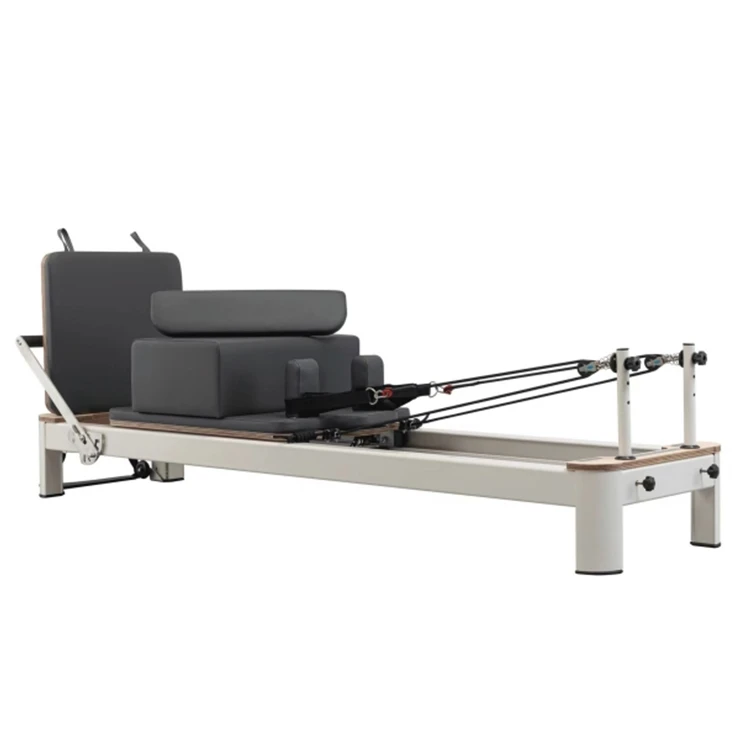
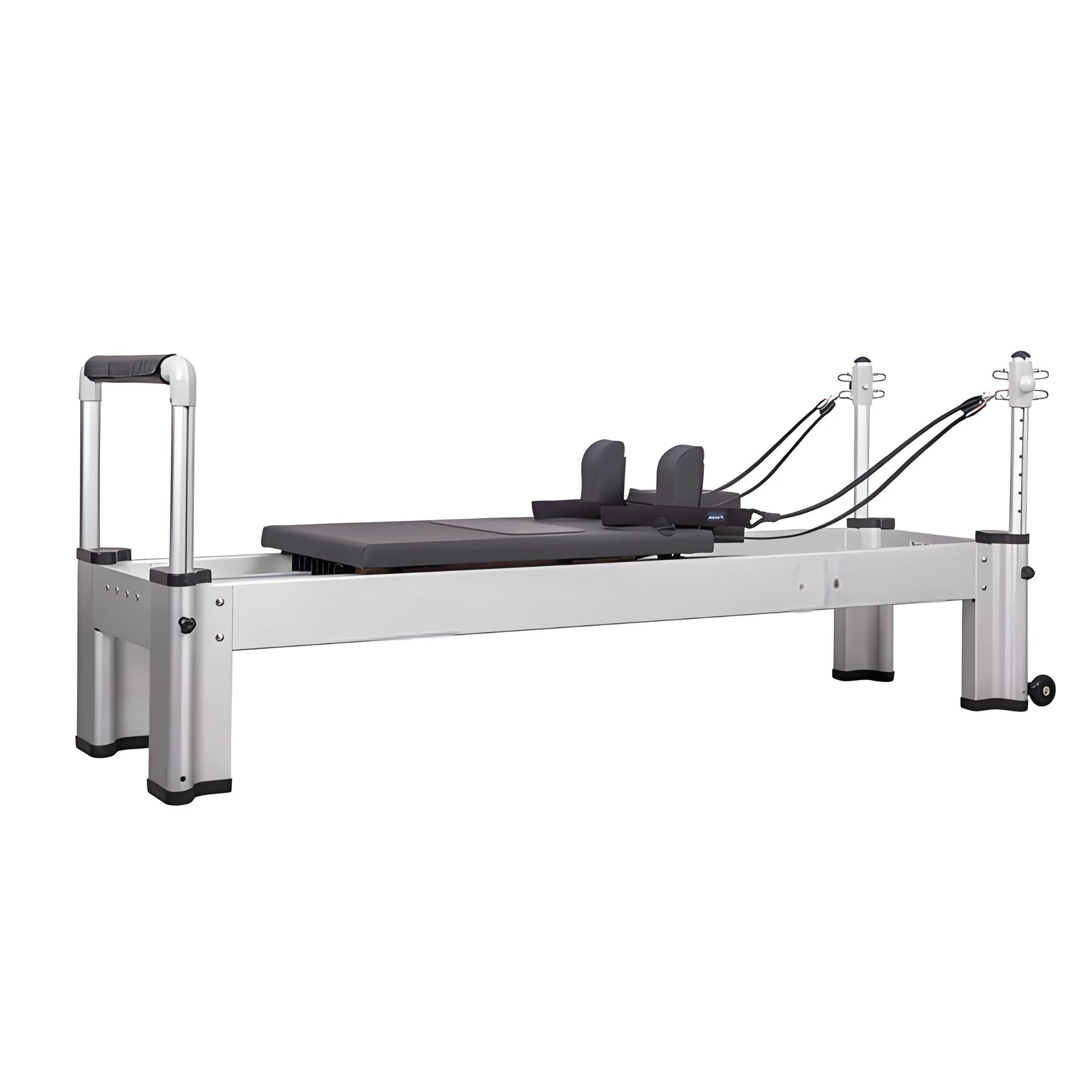
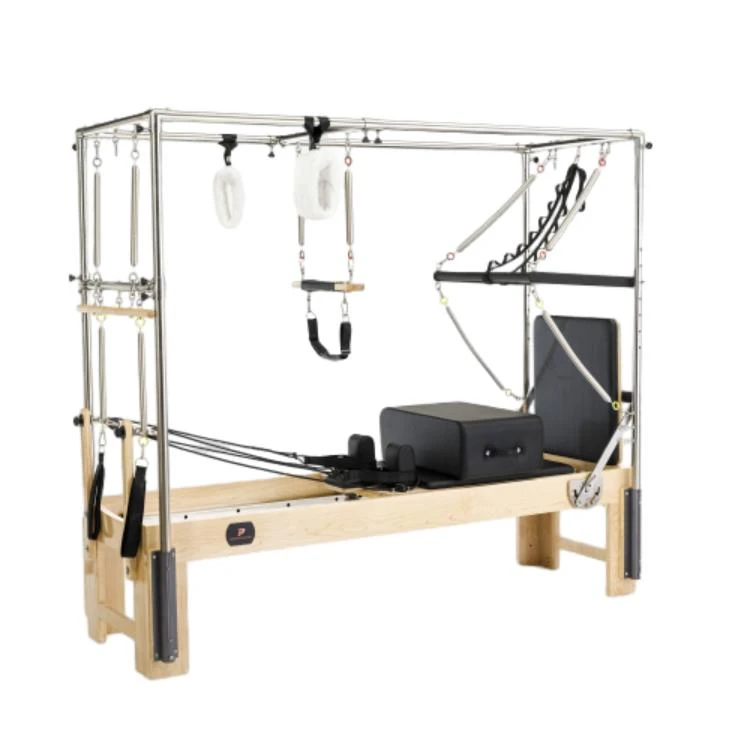
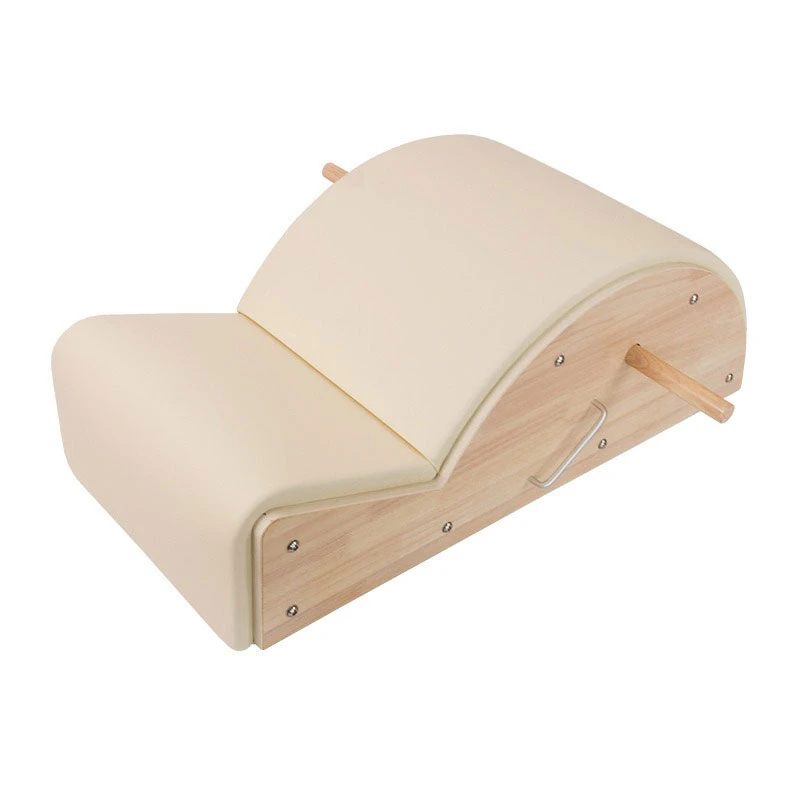
Simply put, a semi circle reformer is a variation of the traditional Pilates reformer, characterized by its distinctive curved frame that forms a half-circle shape. This design tweaks how resistance and body alignment interplay during exercises. The curved frame isn’t just for style — it modifies motion paths and increases accessibility for users who find flat reformers limiting or intimidating.
In real terms, semi circle reformers serve a niche in rehabilitation clinics and boutique studios where users seek gentle, controlled progressions. Their shape supports more dynamic movements, enhancing balance and core engagement. For anyone curious about Pilates innovation, it’s worth noting this equipment also comes into play with adaptive fitness, helping users with mobility challenges move more efficiently.
Core Components of the Semi Circle Reformer
1. Compact & Space-Savvy Design
Unlike rectangular reformers that can dominate a room, the semi circle form factors into smaller spaces. You’ll notice studios with limited floor space appreciating this about the equipment — it’s oddly elegant in its footprint.
2. Adjustable Resistance Mechanism
Most semi circle reformers come with adjustable springs or bands. This flexibility lets users tailor workouts from gentle therapy sessions up to more intense strength training.
3. Enhanced Ergonomics
The curved frame supports natural spinal alignment better than flat platforms, reducing strain during repetitive exercises. This ergonomic focus matters when working with clients prone to back issues.
4. Durable Materials
High-quality wood or reinforced aluminum frames are common, ensuring longevity despite daily use. Some models also feature eco-conscious finishes, reflecting the growing industry trend for sustainability.
5. User-Friendly Accessories
Attachments like adjustable foot bars, cushioned headrests, and straps help customize the experience for different body sizes and fitness levels.
| Feature | Description | Typical Benefit |
|---|---|---|
| Frame Shape | Semi circular curved design | Enhances range of motion and balance |
| Materials | Wood or aluminum with non-toxic finishes | Durability and eco-friendliness |
| Resistance System | Adjustable springs or bands | Customizable intensity |
| Size | Typically smaller footprint than traditional reformers | Fits smaller studios and home gyms |
Global Applications and Real-World Use Cases
The semi circle reformer is already prized in various regions — from upbeat Pilates studios in urban Europe to rehabilitation centers in North America. Let’s say a physiotherapy clinic in Canada uses it for patients recovering from surgeries; the curved design allows subtle core strengthening without overwhelming the body.
In more unconventional environments — imagine remote wellness retreats in the Asia-Pacific region — the equipment’s portability and versatility shine. Some community fitness programs even loan these reformers to low-income neighborhoods where space and resource constraints are a daily challenge.
Oddly enough, certain NGOs focused on veteran care have started integrating semi circle reformers because they promote better prosthetic alignment during exercises. This has a tangible social impact, improving dignity and mobility for those served.
Advantages and Long-Term Value
- Cost Efficiency: While initially pricier than flat reformers, their durability means fewer replacements over time.
- Sustainability: Use of sustainably harvested wood and low-VOC finishes reduces environmental impact.
- Safety: Enhanced ergonomics minimize injury risk, beneficial for users with prior conditions.
- Emotional Benefits: Many users report feeling more confident and balanced, which boosts psychological well-being.
- Innovation: The semi circle shape challenges the conventional Pilates form factor, driving industry evolution.
Emerging Trends & the Future of the Semi Circle Reformer
Looking ahead, technology is steadily weaving into Pilates equipment — think IoT-enabled reformers that track user progress or smart resistance systems adapting in real-time. There’s also growing interest in bio-based composite materials, which could make frames lighter yet sturdier. Sustainability remains at the forefront, with manufacturers adopting carbon-neutral production processes.
Digital transformation and virtual training go hand-in-hand; some brands bundle reformers with apps that guide safe usage remotely. Automation potentially opens doors for customizable routines that adjust to user fatigue and form, increasing safety and efficiency.
Challenges and Solutions in Adopting Semi Circle Reformers
Not everything is smooth sailing though. For one, the learning curve for instructors transitioning from traditional reformers can be steep. Some users also feel the curved design limits certain classical Pilates exercises, making mixed equipment settings necessary.
Transportation can be tricky — curved frames are less stackable than rectangular ones, complicating shipping logistics. However, modular designs and collapsible versions are emerging to tackle this. For accessibility, some manufacturers now offer hybrid models that combine flat and curved surfaces for versatile studios.
Comparing Leading Vendors
| Vendor | Price Range | Materials | Notable Feature | Warranty |
|---|---|---|---|---|
| CurveFit Pilates | $1,200 - $1,800 | Sustainably sourced maple wood | Detachable foot bar | 5 years |
| Pilates Harmony | $1,500 - $2,000 | Aluminum frame with bamboo accents | Smart resistance calibration | 3 years |
| EcoPilates Pro | $1,000 - $1,400 | Recycled composites | Foldable frame design | 2 years |
Frequently Asked Questions About Semi Circle Reformer
- Q: How does a semi circle reformer differ from a traditional Pilates reformer?
- A: The primary difference is the curved, half-circle design, which allows different movement patterns and greater ergonomic support compared to the flat, rectangular frame of traditional reformers. This can help improve balance and range of motion in some exercises.
- Q: Is the semi circle reformer suitable for beginners?
- Absolutely. Many instructors find the semi circle reformer user-friendly for beginners because its shape encourages natural movement and offers adjustable resistance options tailored to user experience levels.
- Q: Can semi circle reformers be used for rehabilitation after injury?
- Yes. Their ergonomic design supports gentle, controlled movements ideal for physical therapy. Clinicians often recommend them to aid in balance improvement and core stabilization during recovery.
- Q: Are semi circle reformers portable for home use?
- Some models are designed with portability in mind, featuring foldable frames or lighter materials. However, due to their curved shape, transporting them might be somewhat less convenient than flat reformers.
- Q: Where can I learn more or purchase a semi circle reformer?
- We invite you to explore more about these innovative Pilates tools at semi circle reformer specialists who offer a range of options, including expert guidance and accessories to customize your workout journey.
Conclusion
Looking back, the semi circle reformer is more than a Pilates fad; it’s an adaptive evolution that marries design, functionality, and well-being. It addresses the space challenges and ergonomic needs encountered globally — from urban gyms to rehabilitation environments. If you’re curious about stepping up your Pilates routine or outfitting a studio that respects innovation and user comfort, this reformer variant is worth serious consideration.
If you want to dive deeper or browse options, visit our website for expert insights, product details, and support.
Mini takeaway: The semi circle reformer is a compact, ergonomic, and versatile Pilates equipment innovation that aligns with modern lifestyle needs and facilitates safer, more engaging workouts.
References:
Latest news
-
Professional Pilates Cadillac Reformer for Sale and Buyer GuideNewsApr.16,2026
-
Professional Guide to Finding the Best Pilates Cadillac for SaleNewsApr.09,2026
-
Find the Perfect Cadillac Reformer Combo for Sale and Elevate Your Pilates PracticeNewsApr.07,2026
-
Choosing the Ideal Wooden Pilates Reformer Machine for Your Fitness JourneyNewsApr.04,2026
-
Choosing the Right Wooden Pilates Equipment for Studio and Home UseNewsMar.31,2026
-
Understanding the Versatility and Benefits of the Wood Reformer for PilatesNewsMar.28,2026
- Address
- Room 1601, 1302, Building A, Zijingguandi, Qiaodong District, Xingtai City, Hebei Province, China
- Sandra@raetin.com
- Phone
- +86 18231139331