
Semi Circle Pilates Reformer: Expert Insights & Product Comparison
The Semi Circle Pilates Reformer: A Closer Look from an Industry Vet
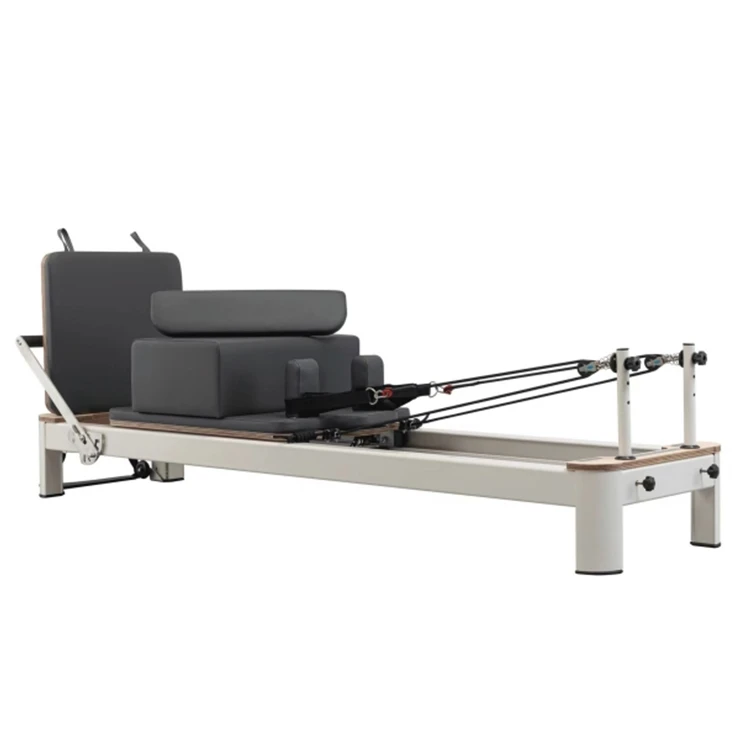
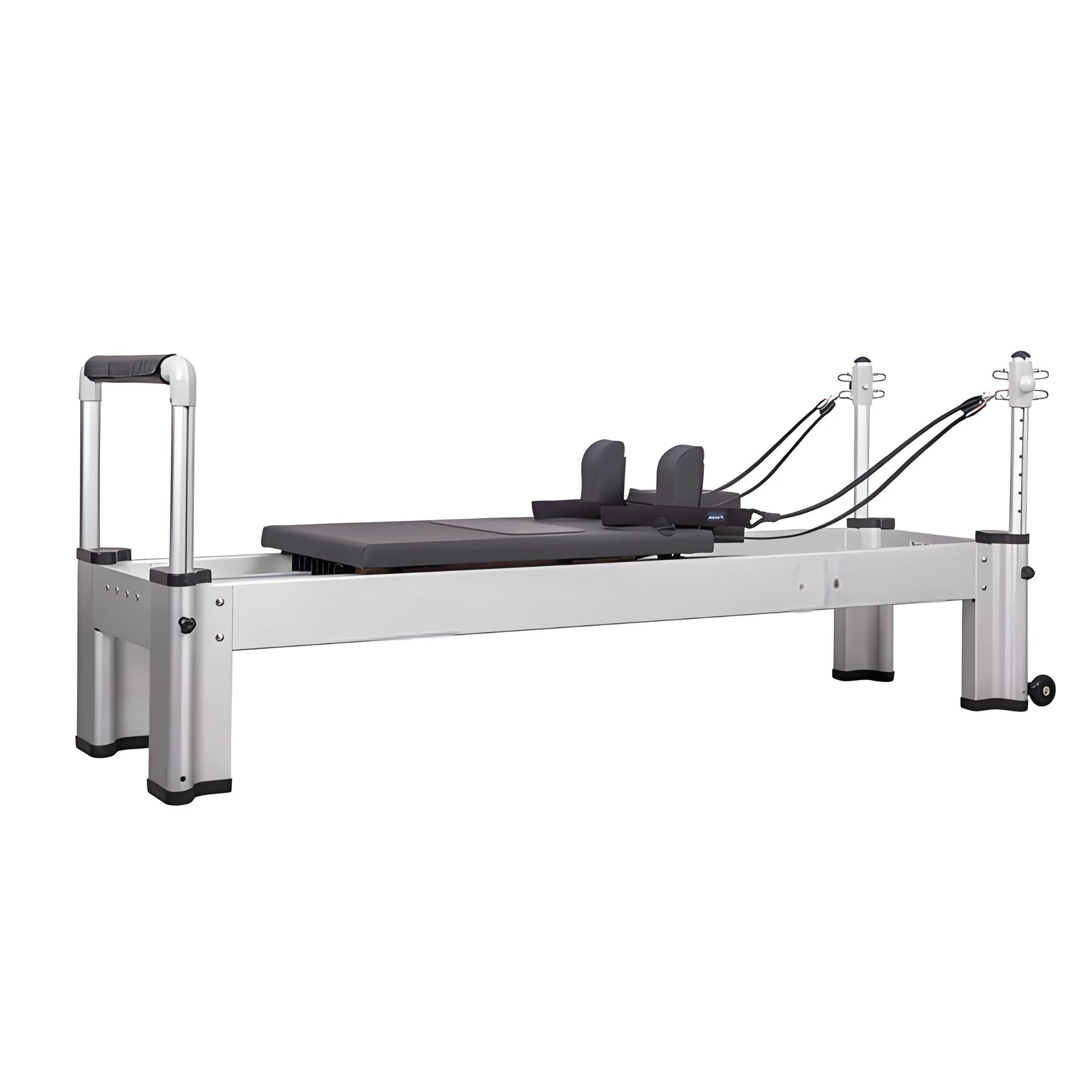
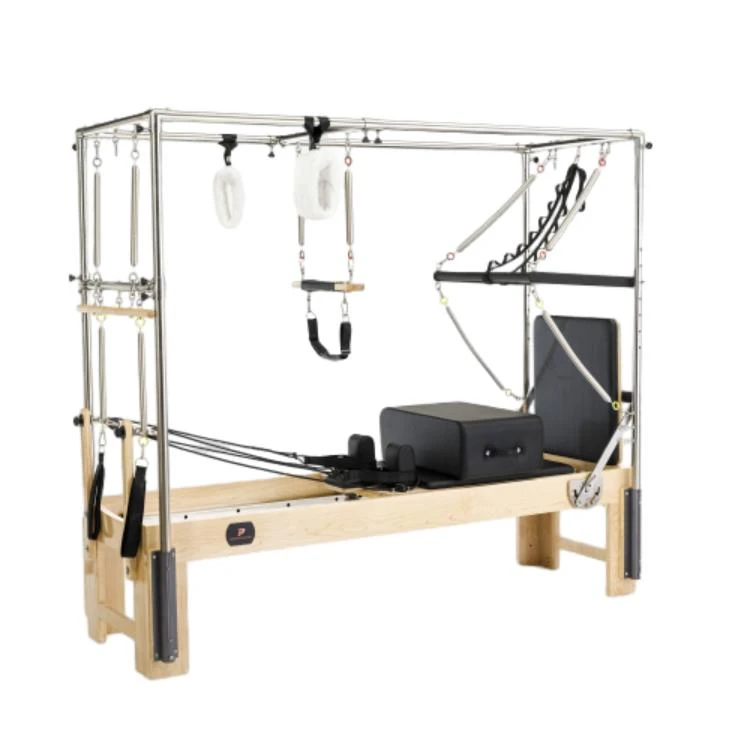
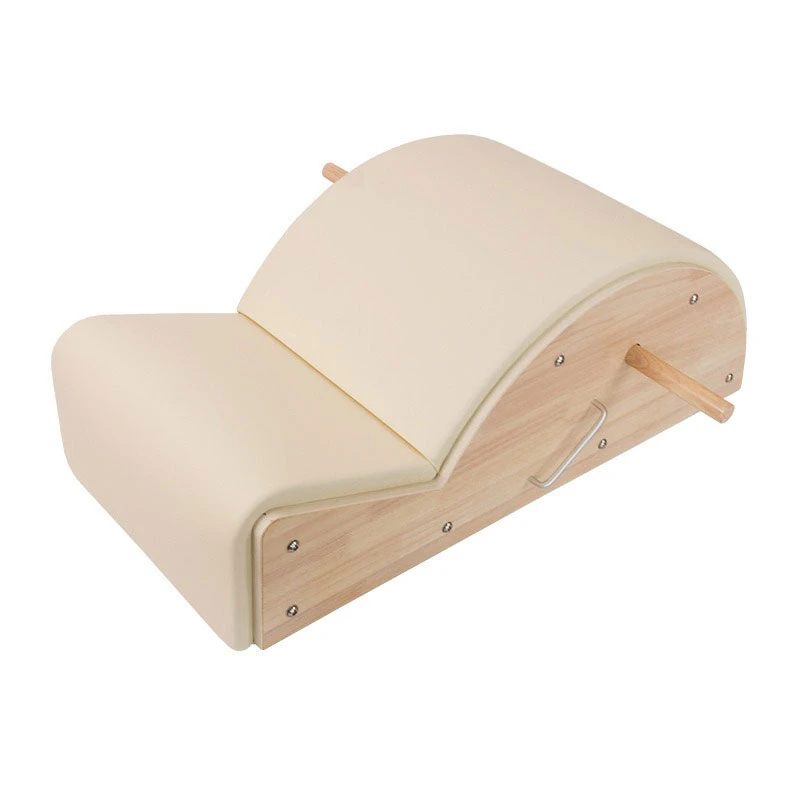
Having spent over a decade immersed in the industrial equipment sector, I’ve seen how specialized fitness gear evolves—and oddly enough, the semi circle Pilates reformer is one of those fascinating cases where design meets precision engineering with real user benefits. For those unfamiliar, this reformer deviates from the traditional rectangular frame by integrating a semi-circular platform, which, frankly, opens up subtle but meaningful changes in movement dynamics.
Now, before I go deeper, I should say: while I’ve tested everything from heavy-duty industrial presses to lightweight gym apparatus, Pilates reformers aren’t usually what I’d call “industrial machines.” Yet, the construction quality on these semi circle variants often impresses me. There’s this interesting blend of materials used—lightweight aluminum alloys combined with sustainably sourced hardwoods for the frame—that balance durability with a touch of aesthetic warmth. You don't expect that in industrial-grade equipment, but Pilates gear has to marry function with form, often for intimate studio settings.
In real terms, what stands out is how the semi circle redesign influences user posture and exercise flow. Instead of the usual linear carriage, the curved platform slightly shifts the center of gravity during footwork and core exercises. I noticed this firsthand during a demo session at a local studio. It feels kind of like the reformer is nudging your body to engage stabilizer muscles a bit more — subtle, but after a few reps, you definitely feel a difference. One trainer I spoke with mentioned how this design can lessen wrist fatigue, which is a common complaint with conventional reformers.
From an industrial standpoint, precision testing of resistance springs and sliding mechanisms here is crucial. Engineers I’ve talked to emphasize tolerance levels within a few millimeters for smooth carriage glides—too tight, and it jams, too loose, and you lose the control that Pilates demands. The semi circle reformer typically features adjustable tension springs calibrated to span a range of resistance levels. This customization is fantastic for studios catering to clients from rehab patients to advanced athletes.
In terms of market offerings, a handful of manufacturers dominate, each with their own spin on build quality and feature set. To help clarify my impressions, here’s a rundown comparing some key players:
| Brand | Materials | Adjustable Resistance | Price Range | Recommended Use |
|---|---|---|---|---|
| FormFit Semi Curve | Aluminum & Hardwood | 5 Spring Levels | $1,500 - $2,000 | Therapeutic & Beginners |
| CoreFlex Curve Pro | Steel Frame & Maple Wood | 7 Spring Levels + Pulley | $2,300 - $2,800 | Advanced Pilates Studios |
| Pilatech Semi-Circle | Composite & Bamboo | 4 Spring Levels | $1,200 - $1,600 | Home Users & Small Studios |
Of course, specs only take you so far. For a quick peek, here’s a typical specification table for a solid mid-range semi circle reformer:
| Frame Length | 85 inches |
| Frame Width (Circular Arc) | 60 inches |
| Weight Capacity | 300 lbs / 136 kg |
| Spring Resistance Levels | 4 to 7 adjustable springs |
| Carriage Material | High-density foam padding on plywood base |
| Additional Features | Adjustable foot bar, shoulder rests, optional shoulder straps |
I suppose the real charm of the semi circle reformer lies in the subtle interplay of design and biomechanics. It’s not just about aesthetics—though that curved platform does look sleek—it’s about how it invites a more natural range of movement, encouraging users to engage muscles differently than with linear models. For example, one rehab client I know mentioned that switching to a semi circle machine helped reduce discomfort during lateral exercises, making the recovery process smoother.
On a personal note, I’m always intrigued by how much craftsmanship goes into these pieces. While many industrial tools prioritize raw strength, Pilates reformers demand grace under pressure. The finish on the wood, the smoothness of the gliding carriage, and the precision tension calibrated into the springs all speak to a certain engineering pride. You kind of get the sense that manufacturers are blending traditional woodworking skills with modern mechanical engineering.
Oddly enough, as I’ve wandered through trade shows and fitness expos, it seems the semi circle reformer is gradually gaining traction—not just as a niche product but potentially a new standard for those looking to innovate within Pilates instruction. Some studios even report that clients are drawn in by the unique shape alone, giving operators an edge in a competitive market.
So if you’re in the market for a Pilates reformer, the semi circle design is undoubtedly worth exploring. It offers a combination of structural integrity, refined materials, and a unique movement experience that, I’d say, reflects how thoughtful equipment design can truly enhance exercise outcomes.
At the end of the day, whether you’re outfitting a rehab clinic, a boutique studio, or your home gym, investing in a semi circle Pilates reformer feels like choosing not just a tool, but a well-engineered companion for mindful fitness.
Here’s hoping more people get to experience just how innovative and precise these machines can be.
References:
1. Industry talks and demo sessions, 2023
2. Manufacturer product specs and user testimonials
3. Fitness expo insights, 2023
Latest news
-
Professional Pilates Cadillac Reformer for Sale and Buyer GuideNewsApr.16,2026
-
Professional Guide to Finding the Best Pilates Cadillac for SaleNewsApr.09,2026
-
Find the Perfect Cadillac Reformer Combo for Sale and Elevate Your Pilates PracticeNewsApr.07,2026
-
Choosing the Ideal Wooden Pilates Reformer Machine for Your Fitness JourneyNewsApr.04,2026
-
Choosing the Right Wooden Pilates Equipment for Studio and Home UseNewsMar.31,2026
-
Understanding the Versatility and Benefits of the Wood Reformer for PilatesNewsMar.28,2026
- Address
- Room 1601, 1302, Building A, Zijingguandi, Qiaodong District, Xingtai City, Hebei Province, China
- Sandra@raetin.com
- Phone
- +86 18231139331