
What Is a Reformer Village? Sustainable, Scalable Housing Solutions Explained
Understanding the Concept of Reformer Village: A Modern Approach to Community Development
At first glance, the phrase reformer village might sound like some quaint social experiment or a niche architectural movement. But, in reality, it captures a vital solution increasingly relevant worldwide. In a time where urbanization, natural disasters, and economic pressures strain global living conditions, reformer villages stand as beacons for sustainable, scalable, and socially impactful community design. You could say it’s about making better places to live—fast, smart, and with dignity.
Why Does Reformer Village Matter Globally?
According to the United Nations, more than half of the world’s population lives in urban areas, and this number is expected to rise to 68% by 20501. But rapid urban growth often outpaces infrastructure and housing development, causing overcrowding and escalating poverty in many regions. Reformer villages are designed to address precisely these challenges, especially in areas needing quick deployment of livable, affordable housing.
They’re key in post-disaster relief scenarios, rural industrial development zones, and even in empowering under-resourced communities across both developing and developed nations. Knowing about reformer villages isn’t just academic—it has direct implications for policymakers, humanitarian agencies, and private sector innovators alike.
What Is a Reformer Village?
Simply put, a reformer village is a planned cluster of modular, adaptable housing and community units engineered for rapid assembly and sustainability. These villages typically combine innovations in prefabricated construction, energy efficiency, and community-centric design to foster both independence and cooperation among residents.
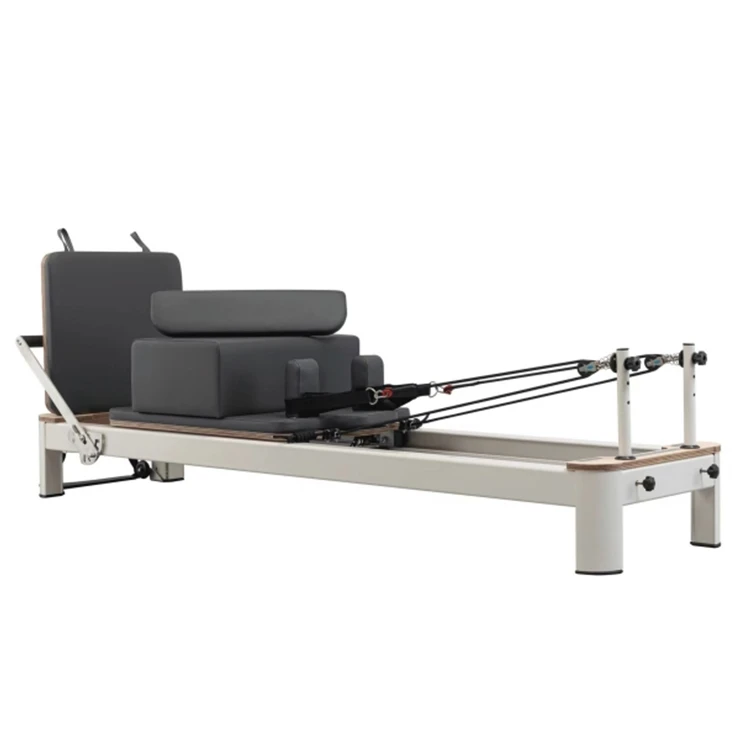
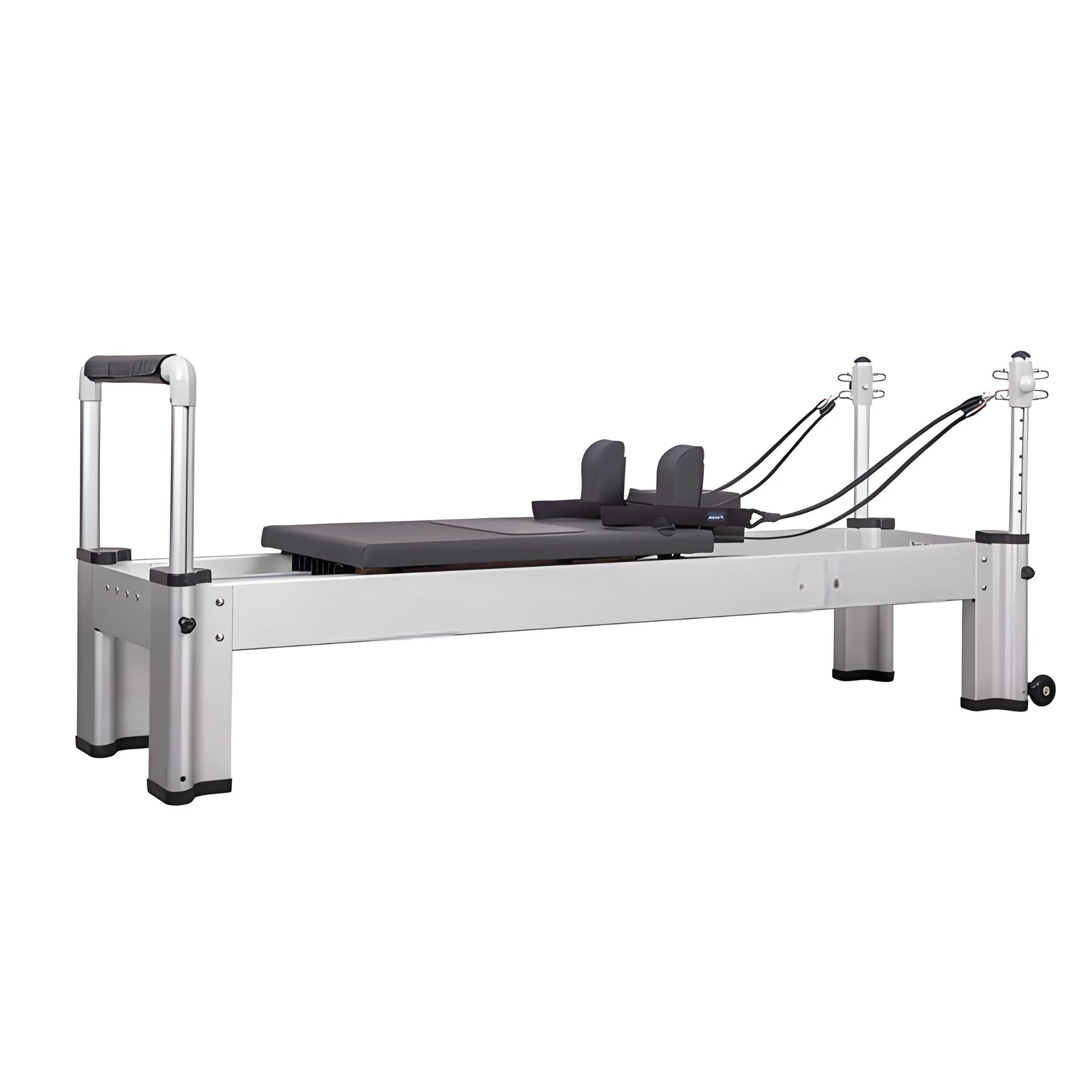
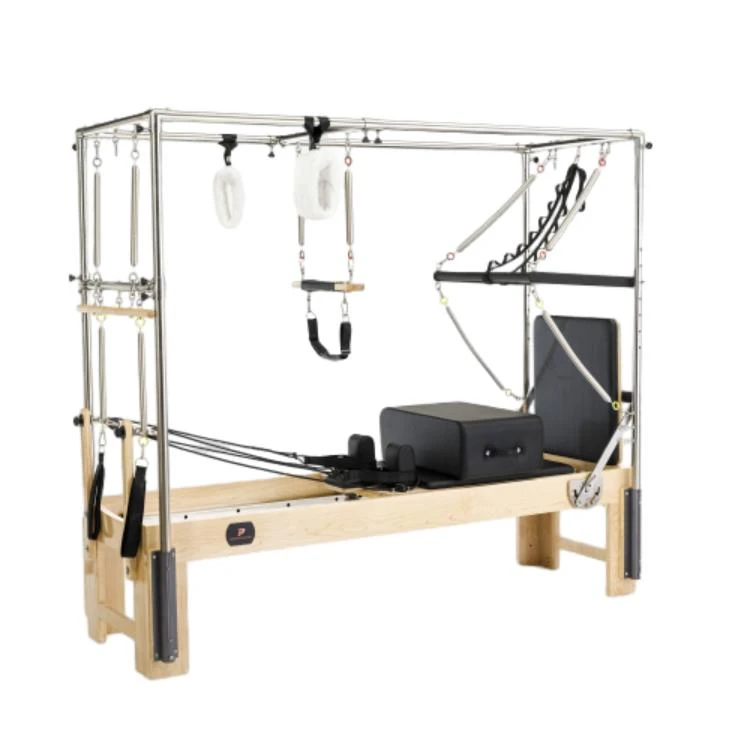
While the term might initially evoke images of the Pilates reformer equipment (one of life's little naming quirks), here it’s about “reforming” how we think about settlements—streamlined, resource-conscious, and future-forward in spirit.
Core Components of a Reformer Village
1. Scalability
One of the main draws is how a reformer village can start small but expand organically as population or needs grow. This relies on modular units that snap together like building blocks — both horizontally and vertically.
2. Durability and Material Innovation
Resilience is non-negotiable. Using materials like recycled steel frames and weather-resistant composites, these villages stand up to harsh climates and frequent use.
3. Energy Efficiency
Solar panels, rainwater collection systems, and smart electrical grids are often integrated from day one, making sustainability a cornerstone rather than an afterthought.
4. Cost Efficiency
Mass production and modularity cut costs significantly compared to traditional builds. It also means maintenance is simpler and cheaper, an important factor in low-income or remote settings.
5. Social Design
Beyond physical structures, these villages incorporate communal spaces, shared gardens, and multi-use halls to encourage social cohesion and mutual support.
6. Rapid Deployment
Whether it's rebuilding after a cyclone or establishing a worker base camp in a developing region, the ability to set up a functional village quickly—often within weeks—is a huge advantage.
| Component | Specification | Notes |
|---|---|---|
| Modular Housing Unit | 20–40 m² per unit | Expandable via adjoining modules |
| Materials | Recycled steel & weatherproof cladding | Sustainably sourced where possible |
| Energy Systems | 10 kW solar + battery storage | Grid-independent operation |
| Water Management | Rainwater harvesting & filtration | Supports potable and non-potable use |
| Community Facilities | Multipurpose hall + shared gardens | Supports education & engagement |
Global Applications of Reformer Villages
The practical uses span an impressive range. For instance, in Southeast Asia, they've been employed to rebuild entire communities destroyed by tsunamis or floods. Over in East Africa, NGOs use them to support displaced populations with housing that doesn’t sacrifice privacy or community connection. Even in remote industrial hubs in Canada and Australia, reformer villages have become preferred housing solutions for migrant workers—as they’re comfortable, maintainable, and demonstrably efficient.
One interesting case I came across recently involved a logging company in British Columbia that replaced its temporary camps with modular villages, reducing waste and improving worker morale dramatically. The impact goes beyond shelter — it’s about creating thriving, sustainable footholds wherever there’s a need.
Advantages & Long-Term Value of Reformer Villages
- Financially Smart: Lower upfront costs and ongoing maintenance expenses mean stretched budgets do more.
- Environmentally Friendly: Use of green tech reduces carbon footprint significantly.
- Social Connectivity: Shared communal areas enhance residents’ quality of life.
- Safety & Reliability: Durable designs assure protection from extreme weather and time.
There’s also a psychological dimension here—knowing that your home is secure and thoughtfully designed fosters dignity and hope, something often lost in rushed, temporary housing solutions.
Future Trends & Innovations
Looking forward, expect to see reformer villages integrating even smarter tech: IOT sensors optimizing energy use, blockchain for secure resource management, and emerging construction techniques like 3D printing that could speed things up further.
On policy fronts, greater alignment with international sustainability goals (like the UN’s Sustainable Development Goals) will push reforms in material sourcing and social equity in housing.
Challenges & Expert Solutions
It’s not all smooth sailing; however, adopting reformer villages does face hurdles:
- Supply Chain Issues: Modular components can get stuck in transport delays.
- Adoption Resistance: Some communities are skeptical about modular housing quality.
- Customization Limits: Standardized units may not meet all cultural or climate needs out of the box.
Experts emphasize participatory design and local partnership as crucial to overcoming these challenges—because no tech, no matter how smart, replaces genuine community involvement in the process.
| Vendor | Average Deployment Time | Sustainability Rating | Customization Options | Price Range |
|---|---|---|---|---|
| ModuLife Solutions | 4 weeks | A+ | High (custom façades & interiors) | $$$ (mid-range) |
| EcoHabitat Group | 6 weeks | A++ | Medium (modular interiors) | $$ (budget-friendly) |
| UrbanNest Tech | 3 weeks | A | Low (standardized design) | $$$$ (premium) |
FAQ: Frequently Asked Questions About Reformer Village
- Q: How quickly can a reformer village be set up compared to traditional housing?
- A: Thanks to prefabrication and modular designs, reformer villages can often be deployed in as little as 3 to 6 weeks, whereas traditional builds may take months or even years. This rapid deployment is crucial in disaster relief and fast-growing urban contexts.
- Q: Are reformer village materials sustainable?
- Generally, yes. Contemporary reformer villages prioritize recycled or sustainably sourced materials, combined with energy-efficient systems like solar panels and rainwater collection to minimize environmental impact.
- Q: Can reformer villages be customized to suit local cultures?
- While modular by nature, many providers offer customization options ranging from façade treatments to interior layouts. Partnering with local architects and community members enhances cultural appropriateness significantly.
- Q: Is the maintenance of modular housing high compared to traditional structures?
- Actually, maintenance tends to be simpler and more cost-effective. Modular units are designed for durability and easy part replacement, making repairs straightforward.
Conclusion: Embracing the Future with Reformer Village Solutions
In real terms, reformer villages provide a flexible, sustainable, and socially-conscious model for modern housing problems. Their capacity to deliver quickly, at scale, and with environmental mindfulness positions them as essential tools in the global effort to improve housing quality and accessibility.
For anyone keen on learning more or exploring practical solutions, feel free to visit our trusted resource at reformer village. Because the future of community living isn’t just about structures—it’s about people thriving together.
Quick recap: Reformer villages stand at the intersection of speed, sustainability, and social impact — essential for tackling housing challenges globally.
References:
- United Nations, World Urbanization Prospects, 2018.
- ISO Standards on Sustainable Housing, ISO TC 59/SC 17.
- World Bank, "Housing and Urban Development Data," World Bank Database, 2023.
Latest news
-
Professional Pilates Cadillac Reformer for Sale and Buyer GuideNewsApr.16,2026
-
Professional Guide to Finding the Best Pilates Cadillac for SaleNewsApr.09,2026
-
Find the Perfect Cadillac Reformer Combo for Sale and Elevate Your Pilates PracticeNewsApr.07,2026
-
Choosing the Ideal Wooden Pilates Reformer Machine for Your Fitness JourneyNewsApr.04,2026
-
Choosing the Right Wooden Pilates Equipment for Studio and Home UseNewsMar.31,2026
-
Understanding the Versatility and Benefits of the Wood Reformer for PilatesNewsMar.28,2026
- Address
- Room 1601, 1302, Building A, Zijingguandi, Qiaodong District, Xingtai City, Hebei Province, China
- Sandra@raetin.com
- Phone
- +86 18231139331