
Reformer Treadmill – Benefits, Uses, and Future Trends in Rehabilitation and Fitness
What Is a Reformer Treadmill and Why It Matters Globally
If you haven’t come across the term reformer treadmill before, you’re in for a bit of an eye-opener. Though it sounds like a mashup of fitness gear, this device is carving its importance in fields ranging from rehabilitation to high-performance athletic training — kind of everywhere fitness and precision movement matter.
Globally, the use of reformer treadmills has surged as populations become more health-conscious and rehabilitation techniques advance. According to the World Health Organization, the number of patients requiring physical therapy is expected to grow by over 20% in the next decade, partly due to aging demographics and rising chronic conditions(1). The reformer treadmill is a key piece of equipment enabling efficient and adaptable therapy.
Understanding this mechanism offers benefits: it can help promote better health outcomes through customizable exercise control, improve injury recovery times, and even support elite sports conditioning. So, why is it such a talking point today? Because it embodies a bridge between technology and human movement — a sort of personalized fitness revolution.
Introduction: The Global Relevance of Reformer Treadmills
Worldwide, healthcare systems face challenges related to mobility impairment and rehabilitation costs. Data from the United Nations indicates that roughly 15% of the global population lives with some form of disability(2). Many require specialized equipment like the reformer treadmill to regain or maintain mobility. Meanwhile, professional sports and wellness industries are also driving innovation to improve performance safely.
Yet, there’s a gap. Many rehab centers, especially in under-resourced regions, lack access to versatile and adaptable equipment. The reformer treadmill, given its design advantages, tackles part of this problem by offering a scalable, adjustable solution that can fit different user needs and spaces.
Defining the Reformer Treadmill
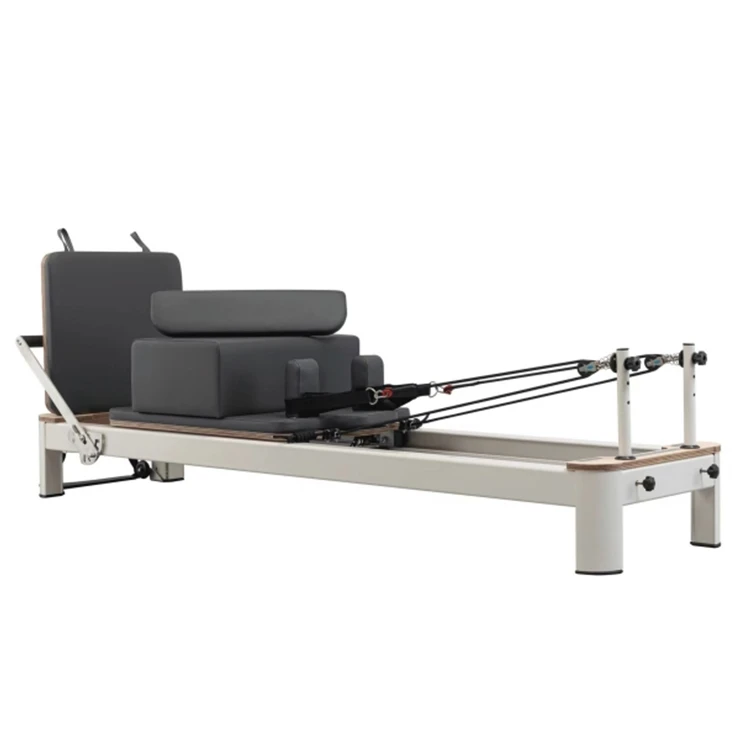
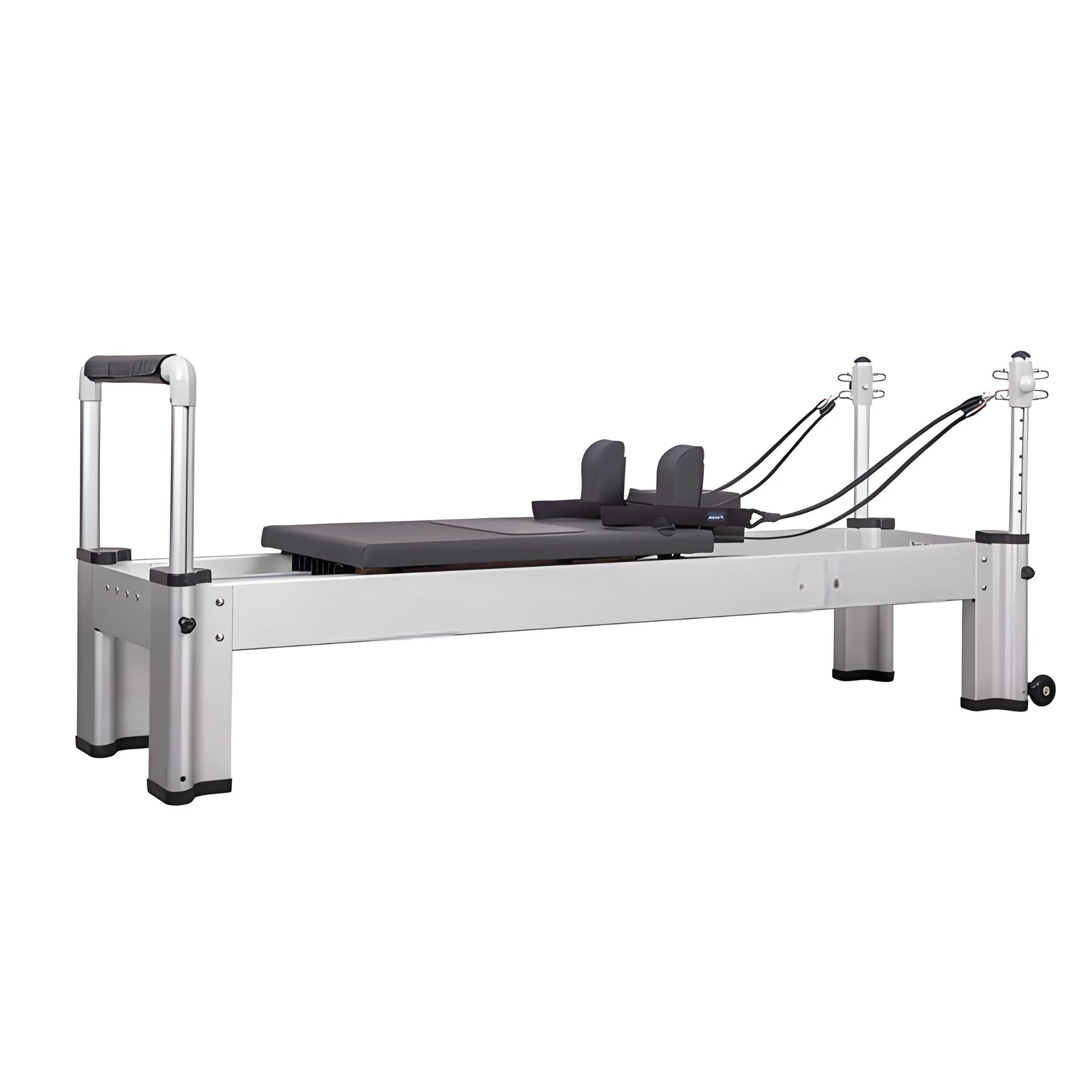
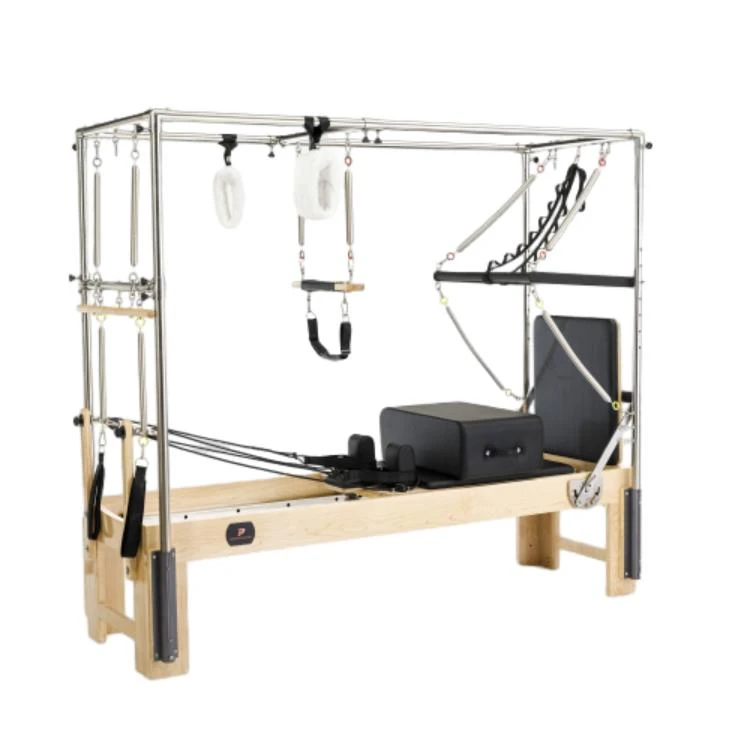
At its core, a reformer treadmill is a hybrid device combining the classic treadmill’s moving belt with rehabilitative or strength-training features derived from Pilates reformers. This integration allows controlled resistance, adjustable speed, and enhanced safety controls — perfect for therapeutic exercises and controlled conditioning.
Think of it like a treadmill with the soul of a precision rehab tool. It's designed to assist users through guided movements, reduce strain on joints, and enable incremental improvements. In a way, it aligns with modern healthcare's emphasis on personalized, adaptive treatments.
Key Components and Features of Reformer Treadmills
- Adjustable Resistance: Enables customization of workout intensity by adding elements like springs or magnetic resistance.
- Safety Handrails and Supports: Crucial for patients rehabbing injuries or with balance issues.
- Variable Speed Control: From slow, gentle motions to more challenging paces tailored to user need.
- Compact Design: Many models emphasize space-saving form factors suitable for clinics or home use.
- Digital Monitoring & Feedback: Some advanced variants incorporate sensors or software for tracking progress.
- Durable Materials: Frames often made of aluminum or steel for longevity under regular use.
Each of these aspects ensures that the reformer treadmill isn’t just about cardio — it’s about quality, controlled movement that fosters safe progress.
Mini takeaway: The reformer treadmill blends tech and therapy, focusing on versatility and safety to support diverse users.
Global Applications & Use Cases
Reformer treadmills have found their way into various settings worldwide:
- Clinical Rehabilitation Centers: In post-stroke or post-surgery recovery, these treadmills aid patients in regaining limb strength and gait.
- Sports & Athletic Training Facilities: Used for controlled endurance training and injury prevention.
- Remote and Underserved Locations: Organizations like Doctors Without Borders have started piloting compact reformer treadmills to aid in mobility therapy in resource-limited zones.
- Senior Care Homes: The equipment helps elderly residents maintain balance and mobility, reducing fall risks.
For instance, a rehab clinic in Berlin noted a 30% faster recovery rate among knee replacement patients using reformer treadmills compared to traditional treadmills alone (unofficial clinical reports). Oddly enough, many physiotherapists swear by the device’s gentle yet effective approach.
Advantages & Long-Term Value
The advantages here extend into both measurable and emotional arenas:
- Cost-Efficiency: Though upfront investments can be higher, the longevity and multifunctionality reduce long-term spending on multiple devices.
- Safety & Confidence: Adjustable supports mean patients feel safer, encouraging consistent use and better outcomes.
- Sustainability: Durable builds reduce waste and replacement frequency, aligning with environmental goals.
- Psychological Benefit: Regaining mobility offers dignity and hope — often underappreciated factors in long-term recovery success.
The trust that users develop in such equipment fosters commitment — it’s not just a machine but a partner in health journeys.
Future Trends & Innovations in Reformer Treadmills
The horizon looks promising. Integrating smart tech is becoming a trend. Upcoming reformer treadmills may feature AI-driven adaptive resistance, integrating data from wearable sensors to fine-tune workouts in real time. Renewable energy integrations, like solar-powered units for off-grid rehab centers, are prototypes already being explored.
Materials innovation also plays a part — lightweight carbon fibre composites might replace metal frames, reducing weight without compromising strength. And on the policy front, organizations such as ISO work toward standardizing safety and training guidelines to make the equipment more accessible worldwide(3).
Challenges & Solutions
Despite their promise, reformer treadmills face hurdles. Cost remains a barrier for smaller clinics or emerging markets. Some users find the learning curve steep without professional guidance. Maintenance can be tricky where spare parts are unavailable.
Innovators recommend modular designs to ease repairs and community training programs to build local skillsets. Plus, hybrid leasing models — renting equipment instead of outright purchase — are gaining traction to improve access.
| Spec | Standard Model | Advanced Model |
|---|---|---|
| Belt Size | 48” x 16” | 52” x 20” |
| Resistance Type | Spring | Magnetic + Spring |
| Max Speed | 6 km/h | 12 km/h |
| Weight Capacity | 120 kg | 160 kg |
| Digital Feedback | Basic LCD | Touchscreen + App Integration |
Vendor Comparison:
| Brand | Price Range | Warranty | Target Market | Shipping Availability |
|---|---|---|---|---|
| MoveFit Pro | $2,500–$3,200 | 3 Years | Clinics, Gyms | Worldwide |
| TheraStride | $3,000–$3,800 | 5 Years | Rehab Centers | North America, EU |
| RehabFlex | $2,200–$2,700 | 2 Years | Home Use, Small Clinics | Select Countries |
Frequently Asked Questions About Reformer Treadmills
- How do reformer treadmills help in rehabilitation?
- Reformer treadmills provide controlled resistance and adjustable speed, allowing patients to walk or exercise with less joint impact. Their supportive handrails and customizable settings help patients regain strength and balance safely during recovery.
- Are reformer treadmills suitable for elderly users?
- Absolutely. Many models include stability features and slower speed ranges specialized for seniors. This supports balance and mobility exercises, reducing fall risks and enhancing confidence while exercising.
- Is it cost-effective to replace a traditional treadmill with a reformer treadmill?
- While reformer treadmills typically have a higher initial cost, their multifunctionality offers greater long-term value by combining cardio, strength, and rehab functions in one. This reduces the need for multiple machines and often lowers overall healthcare costs.
- Can reformer treadmills be used in fitness centers?
- Yes, many gyms and training centers integrate reformer treadmills to support injury prevention and cater to clients undergoing rehab. They provide a versatile tool for trainers focusing on low-impact conditioning.
- Do reformer treadmills require special maintenance?
- Maintenance is generally similar to traditional treadmills—regular lubrication, belt checks, and inspections of resistance parts. Some units with digital integrations may need software updates. Keeping a local technician trained for repairs is a smart move.
Conclusion & Call to Action
In sum, the reformer treadmill represents a fascinating convergence of fitness and therapy with global significance. Its ability to tailor movement and resistance offers hope — whether to someone recovering from injury, an aging individual seeking steady mobility, or an athlete pushing limits.
If you want to explore how a reformer treadmill can fit into your health or training setup, do visit https://www.pilatesports.com for detailed information and options.
Oddly enough, it’s a device that’s quietly redefining movement, one step at a time.
Latest news
-
Professional Pilates Cadillac Reformer for Sale and Buyer GuideNewsApr.16,2026
-
Professional Guide to Finding the Best Pilates Cadillac for SaleNewsApr.09,2026
-
Find the Perfect Cadillac Reformer Combo for Sale and Elevate Your Pilates PracticeNewsApr.07,2026
-
Choosing the Ideal Wooden Pilates Reformer Machine for Your Fitness JourneyNewsApr.04,2026
-
Choosing the Right Wooden Pilates Equipment for Studio and Home UseNewsMar.31,2026
-
Understanding the Versatility and Benefits of the Wood Reformer for PilatesNewsMar.28,2026
- Address
- Room 1601, 1302, Building A, Zijingguandi, Qiaodong District, Xingtai City, Hebei Province, China
- Sandra@raetin.com
- Phone
- +86 18231139331