
Unlock Your Fitness Potential with a Studio Reformer Pilates Guide
The Ultimate Guide to Studio Reformer Pilates
The Studio Reformer is a cornerstone of modern Pilates, offering a versatile and effective way to build strength, improve flexibility, and enhance overall wellbeing. This comprehensive guide will explore the benefits, features, and considerations when choosing a Studio Reformer, helping you understand how to maximize your Pilates experience. Whether you're a seasoned practitioner or just starting your journey, understanding the nuances of the reformer can unlock a new level of fitness.

What is a Studio Reformer and Why Choose One?
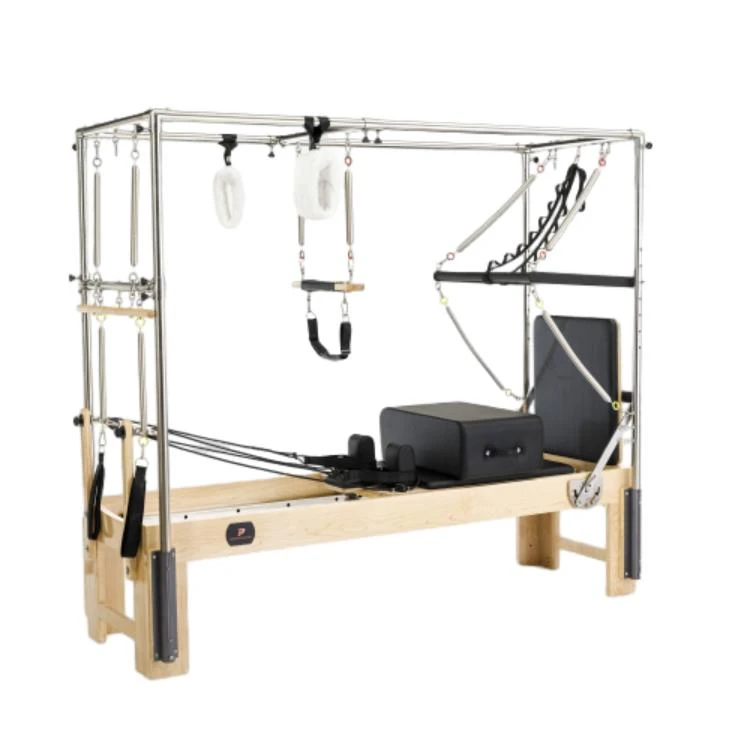
The Studio Reformer is a bed-like frame with a flat platform that rolls back and forth on wheels within the frame. Resistance is provided by adjustable springs, and users perform exercises with handles, straps, and their own body weight. This creates a low-impact, full-body workout that’s adaptable to all fitness levels. The reformer offers unique benefits compared to mat Pilates, including increased core engagement, improved spinal alignment, and a wider range of exercise possibilities. The controlled resistance and support of the reformer make it ideal for rehabilitation, injury prevention, and athletic conditioning. A high-quality reformer is a long-term investment in your health and fitness.
Key Benefits: Increased core strength, improved flexibility, enhanced muscle tone, spinal alignment, rehabilitation support, and low-impact workout.
Understanding the Key Components of a Studio Reformer
A Studio Reformer consists of several key components that work together to deliver a dynamic and effective workout. The carriage is the movable platform that you lie, sit, or stand on. Springs provide variable resistance, ranging from light to heavy, allowing you to customize the challenge. Straps are used for arm and leg work, offering support and assistance. The footbar provides a place to push off with your feet for various exercises. A headrest offers comfort and support during certain movements. Understanding how each component functions is crucial for safe and effective use of the reformer.
Component Breakdown:
• Carriage: Movable platform.
• Springs: Provide adjustable resistance.
• Straps: Support arms and legs.
• Footbar: For pushing and leg exercises.
• Headrest: Provides comfort and support.
Studio Reformer vs. Other Pilates Equipment
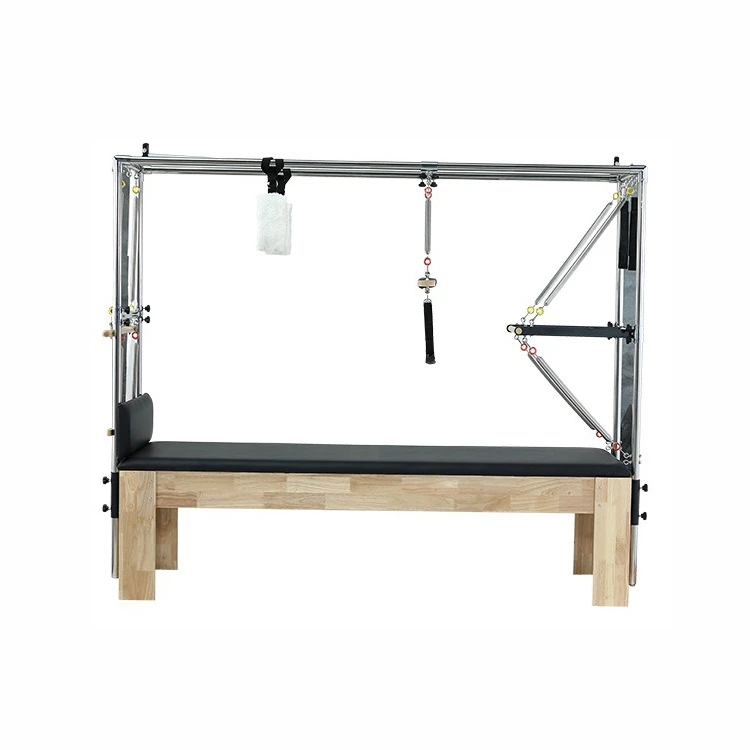
While mat Pilates is excellent, the Studio Reformer offers distinct advantages. Compared to a Cadillac or Chair, the Reformer provides a more accessible and versatile starting point for many individuals. The reformer’s flat carriage and spring system offer a unique combination of support and challenge that’s difficult to replicate with other equipment. Mat Pilates relies heavily on core strength and body awareness, while the reformer provides external resistance and assistance, making it ideal for beginners or those recovering from injuries. It’s important to consider your individual needs and goals when choosing which Pilates equipment is right for you. A Studio Reformer is an excellent all-around option.
Choosing the Right Studio Reformer: Key Considerations
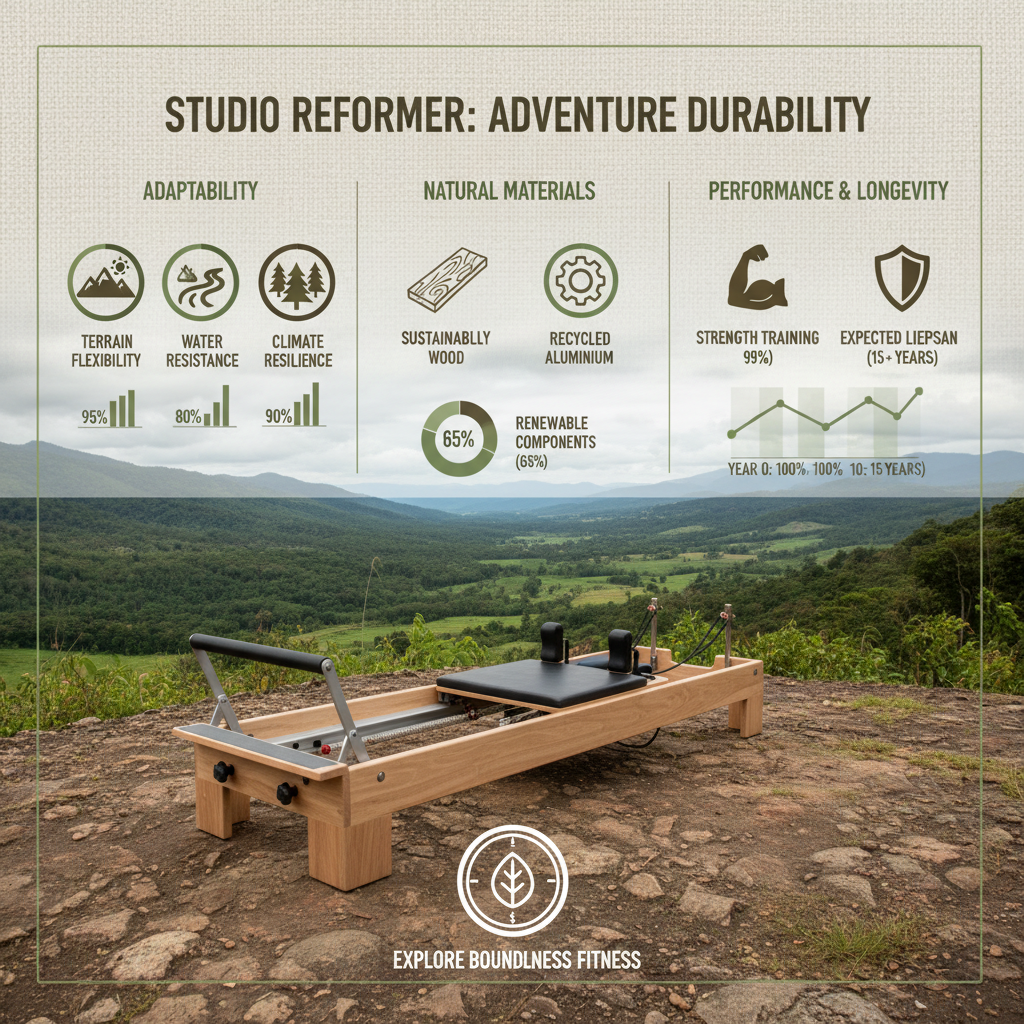
Selecting a Studio Reformer involves considering several factors. The quality of the springs is crucial; they should be durable and provide consistent resistance. The frame should be sturdy and stable, able to withstand repeated use. The carriage should glide smoothly and quietly. Consider the overall dimensions of the reformer to ensure it fits comfortably in your space. Finally, think about the brand's reputation and warranty. Investing in a well-made reformer from a reputable manufacturer, like Pilates Sports, will ensure years of reliable performance.
Maintaining Your Studio Reformer for Longevity
Regular maintenance is essential to keep your Studio Reformer in optimal condition. Wipe down the carriage and frame after each use to remove sweat and dust. Periodically check the springs for wear and tear, replacing them as needed. Lubricate the wheels and carriage tracks to ensure smooth gliding. Inspect the straps and footbar for any damage. Following these simple maintenance steps will prolong the life of your reformer and ensure a safe and effective workout experience.
Conclusion: Embrace the Power of the Studio Reformer
The Studio Reformer is a transformative piece of fitness equipment. By understanding its components, benefits, and proper maintenance, you can unlock a world of possibilities for improving your strength, flexibility, and overall wellbeing. Invest in your health and experience the power of Pilates with a quality Studio Reformer.
Frequently Asked Questions (FAQs)
How much space do I need for a Studio Reformer?
A typical Studio Reformer requires approximately 8-10 feet in length, 2-3 feet in width, and 4-5 feet in height. However, it's important to consider additional space for movement and exercise. Allow at least 3-4 feet of clear space around the reformer for safe and comfortable use. It's also wise to consider ceiling height, particularly for exercises that involve reaching or extension. Carefully measure your space before purchasing to ensure a proper fit.
Are Studio Reformers suitable for people with injuries?
Studio Reformers can be incredibly beneficial for rehabilitation after injuries, but it's crucial to work with a qualified Pilates instructor who understands your specific condition. The reformer provides a controlled and supportive environment, allowing for gentle and progressive exercise. However, certain injuries may require modifications or contraindications. Always consult with your doctor or physical therapist before starting a Pilates program, especially if you have any underlying health conditions or recent injuries.
How often should I use my Studio Reformer?
The frequency of Studio Reformer use depends on your fitness level and goals. Beginners may start with 2-3 sessions per week, gradually increasing the frequency as they gain strength and endurance. More experienced practitioners may benefit from 3-5 sessions per week. It's important to listen to your body and allow for adequate rest and recovery between sessions. Incorporating a variety of exercises and varying the resistance levels will help prevent plateaus and maximize results.
What is the price range of a Studio Reformer?
The price of a Studio Reformer can vary significantly depending on the brand, features, and quality. Entry-level reformers typically start around $2,500, while high-end models can exceed $5,000 or more. It’s important to consider your budget and needs when making a purchase. Investing in a durable and well-made reformer from a reputable manufacturer like Pilates Sports is often a worthwhile investment in the long run.
Latest news
-
Professional Pilates Cadillac Reformer for Sale and Buyer GuideNewsApr.16,2026
-
Professional Guide to Finding the Best Pilates Cadillac for SaleNewsApr.09,2026
-
Find the Perfect Cadillac Reformer Combo for Sale and Elevate Your Pilates PracticeNewsApr.07,2026
-
Choosing the Ideal Wooden Pilates Reformer Machine for Your Fitness JourneyNewsApr.04,2026
-
Choosing the Right Wooden Pilates Equipment for Studio and Home UseNewsMar.31,2026
-
Understanding the Versatility and Benefits of the Wood Reformer for PilatesNewsMar.28,2026
- Address
- Room 1601, 1302, Building A, Zijingguandi, Qiaodong District, Xingtai City, Hebei Province, China
- Sandra@raetin.com
- Phone
- +86 18231139331