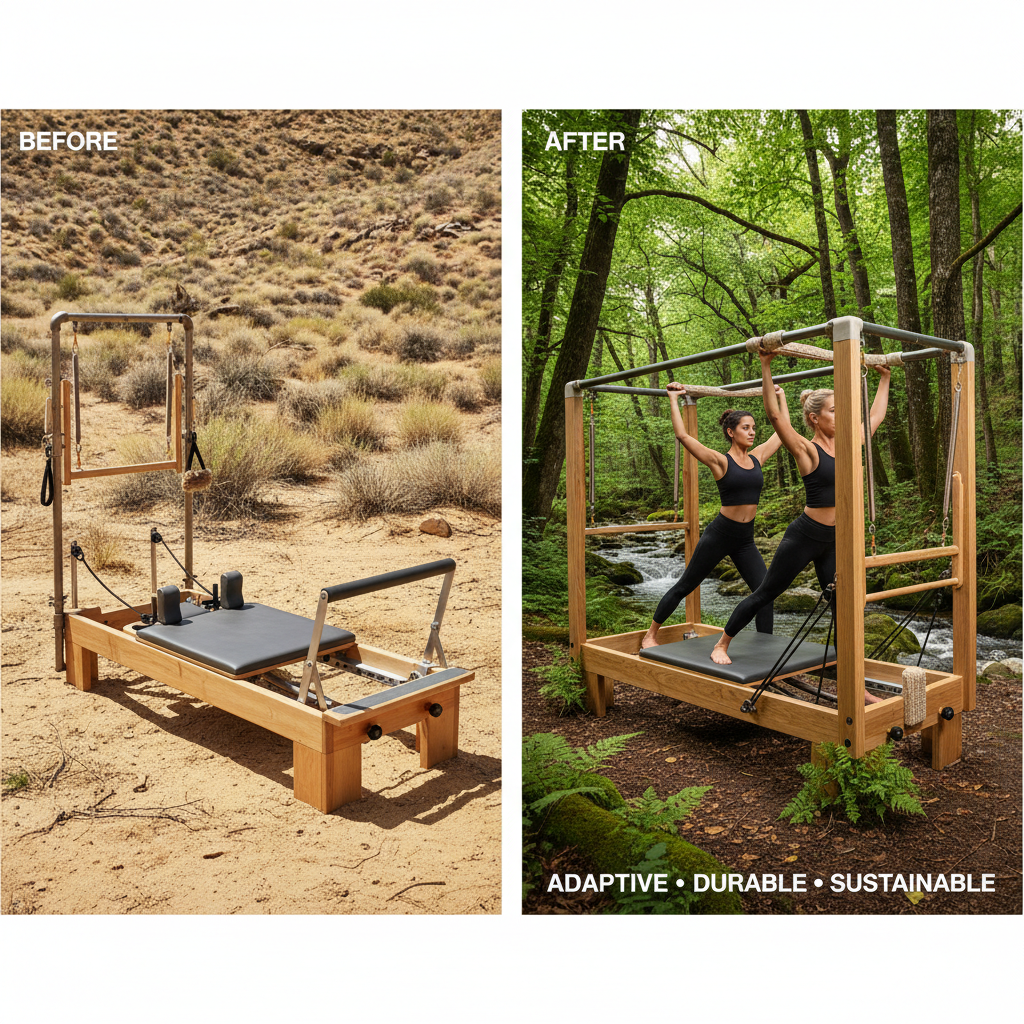
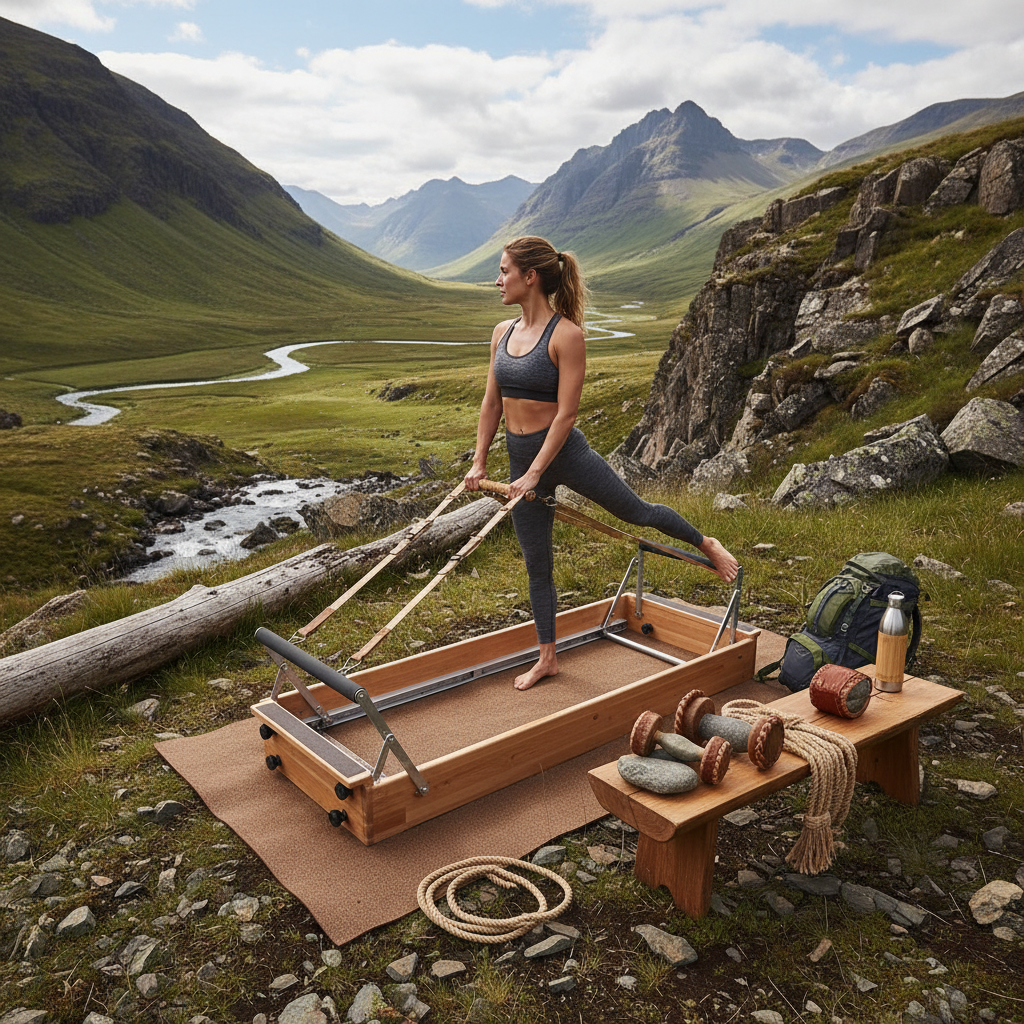
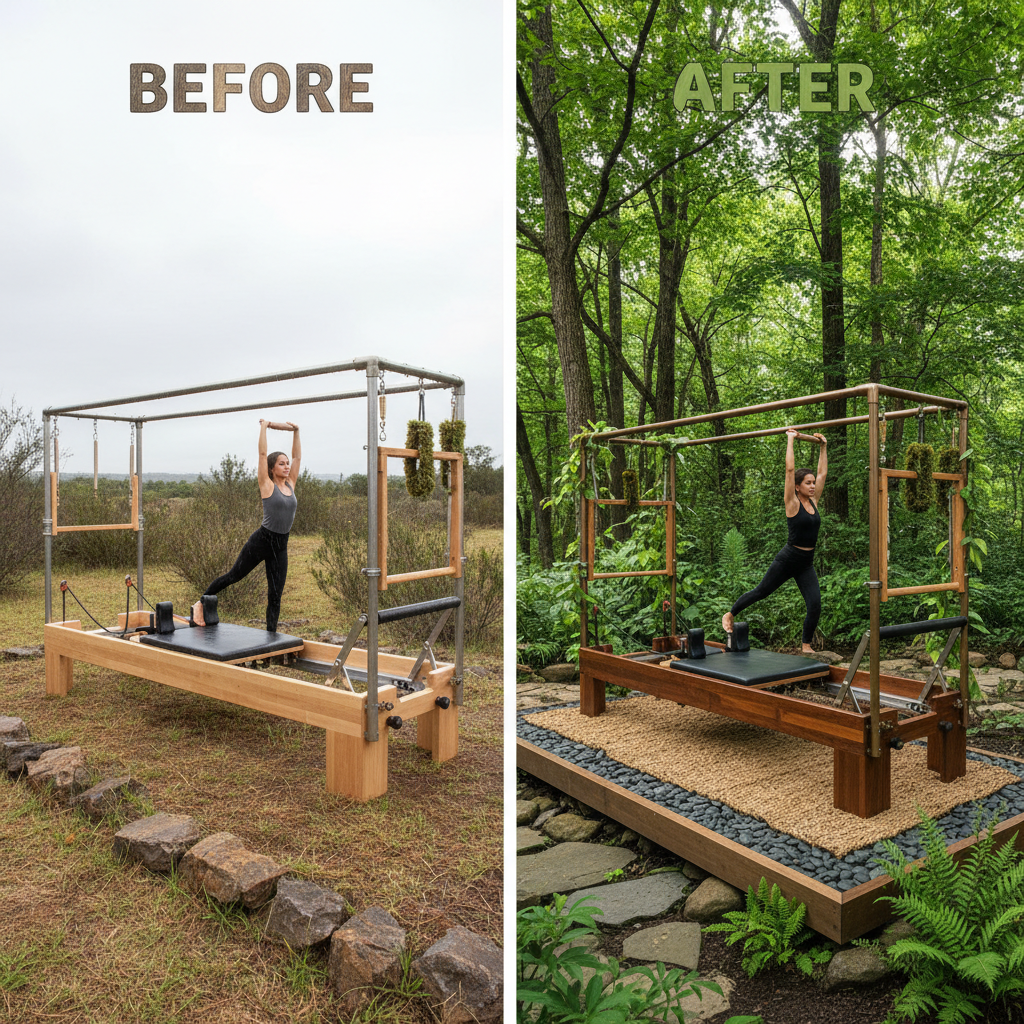
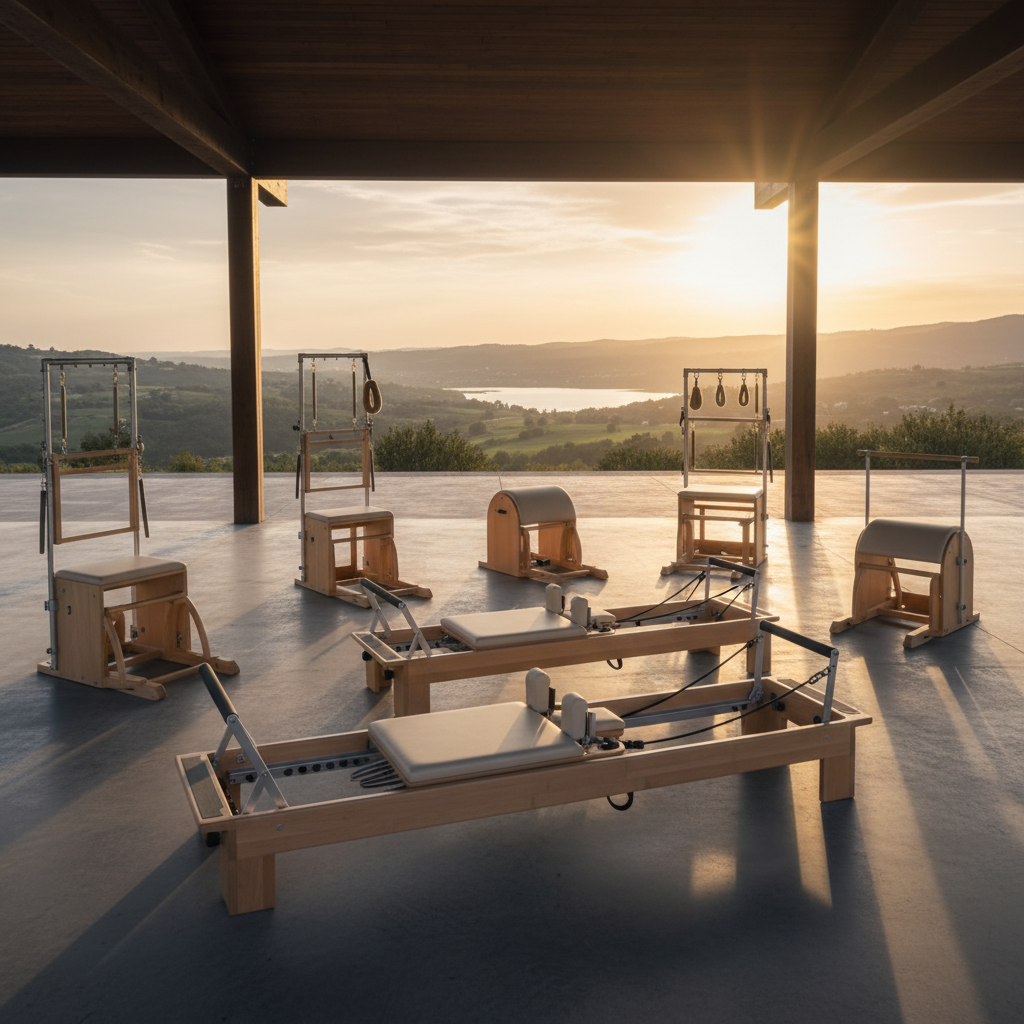
The pilates rack, a cornerstone of modern pilates practice, has evolved significantly from its origins as a simple rehabilitation tool. Today, it represents a versatile platform for enhancing strength, flexibility, and body awareness for individuals of all fitness levels. Its global relevance stems from its adaptability to various training methodologies and the increasing emphasis on holistic wellness. Understanding the nuances of the pilates rack – from its construction and applications to its future innovations – is paramount for both practitioners and equipment manufacturers.
The demand for effective and accessible fitness solutions is surging worldwide, fueled by a growing awareness of the importance of preventative healthcare and a desire for personalized exercise experiences. The pilates rack directly addresses this need by providing a low-impact, customizable workout environment. Data from the Global Wellness Institute suggests a consistent annual growth in the wellness economy, with a substantial portion attributed to fitness technologies and studio-based training – areas where the pilates rack plays a pivotal role.
Pilates racks have become increasingly sophisticated and integrated into diverse fitness environments, moving beyond traditional studio settings and into gyms, rehabilitation centers, and even home workout spaces. This expansion underscores the rack’s enduring appeal and its potential for continued innovation and widespread adoption.
The Evolution and Global Impact of pilates rack
The pilates rack's history is intimately tied to the development of the broader Pilates method. Initially conceived by Joseph Pilates as a rehabilitation system for injured soldiers and dancers, the rack has undergone numerous refinements and adaptations. Early iterations were often customized and built from repurposed materials, reflecting a resourceful approach to fitness.
Today, the global proliferation of pilates studios and the growing demand for functional fitness have significantly expanded the market for high-quality pilates racks. The impact is seen across continents, with regions like North America, Europe, and Australia leading in adoption rates, while emerging markets in Asia and South America demonstrate increasing interest, driven by a rising middle class and a focus on preventative health.
Defining the pilates rack: Functionality and Applications
At its core, a pilates rack is a structural framework designed to support a variety of resistance training modalities using springs and pulleys. This allows for a wide range of exercises targeting all muscle groups, with a particular emphasis on core strength, postural alignment, and controlled movement. The rack provides a stable base for performing exercises with precise form, minimizing the risk of injury.
Its applications are incredibly diverse. Beyond traditional pilates sessions, the rack is frequently utilized in physiotherapy for rehabilitation purposes, offering a safe and effective way to restore movement and function following injuries. It’s also a favored tool among athletes seeking to enhance performance and prevent sports-related ailments.
The beauty of the pilates rack lies in its adaptability. From beginner-friendly exercises to advanced routines, the rack caters to individuals of varying fitness levels and physical capabilities, making it a truly inclusive fitness solution.
Core Components and Design Considerations of a pilates rack
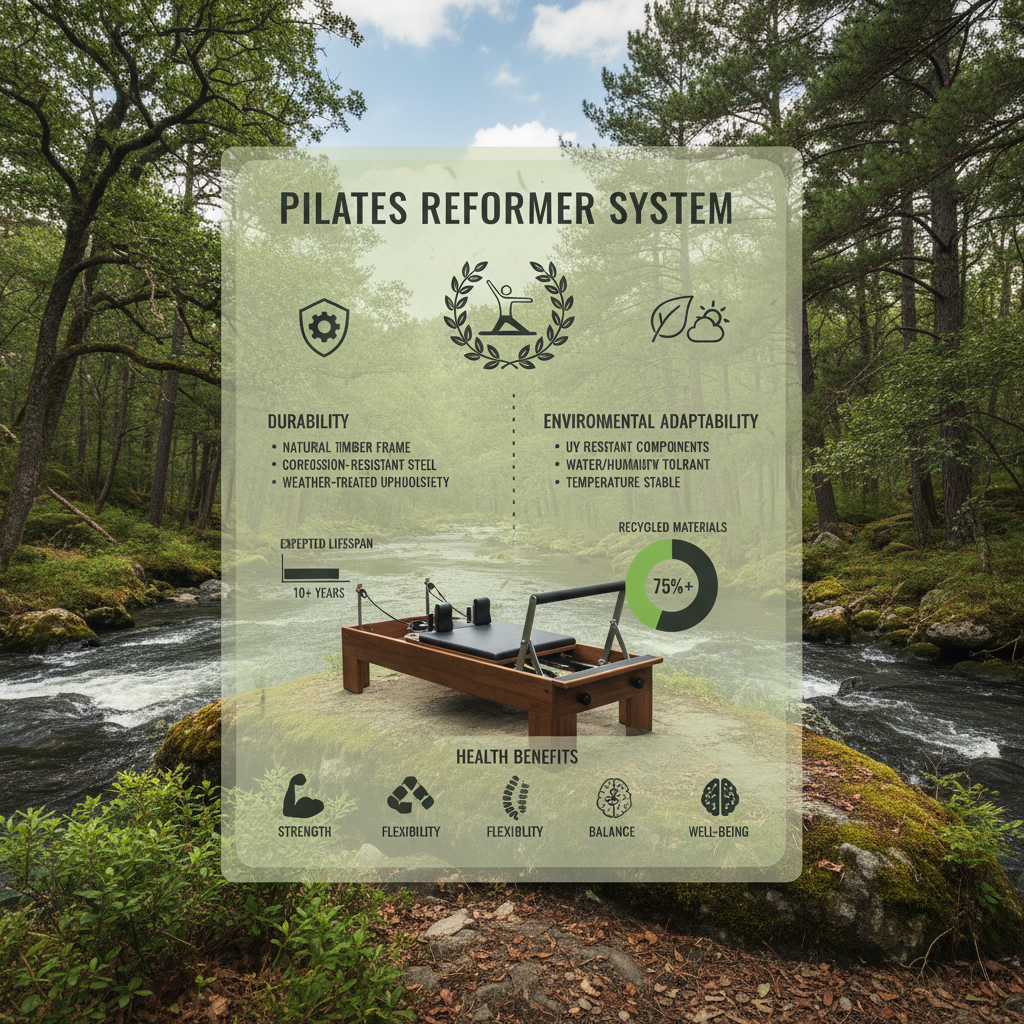
A standard pilates rack comprises several key components, including a sturdy frame, a carriage that glides along rails, a spring system providing adjustable resistance, and padded straps or handles for comfortable grip. The quality of materials – typically steel – is paramount for ensuring durability and stability.
Design considerations extend beyond just material selection. The smoothness of the carriage’s movement, the precision of the spring tension adjustments, and the ergonomic design of the straps all contribute to the overall user experience and the effectiveness of the exercise. Factors like rack height and width also play a role, influencing its suitability for different body types and studio spaces.
Modern pilates racks often incorporate innovative features like adjustable footbars, rotating pulleys, and integrated resistance bands, further expanding the range of exercises possible and catering to a wider spectrum of training goals. The focus on modularity is also increasing, allowing users to customize their rack with add-ons and accessories.
Key Performance Indicators of pilates rack
Assessing the performance of a pilates rack requires evaluating several crucial factors. Spring resistance range is a key indicator, influencing exercise versatility. Rack stability is paramount for safety and efficacy.
Carriage smoothness directly impacts the flow of movements and user experience. Durability, measured by material quality and construction, determines long-term value.
Pilates Rack Performance Indicators
Global Applications and Use Cases of pilates rack
The versatility of the pilates rack makes it a valuable asset across a broad range of settings. In rehabilitation centers, it facilitates the recovery of patients with musculoskeletal injuries, offering controlled resistance for strengthening and restoring movement.
Pilates studios around the world utilize the rack as a core component of their training programs, providing clients with a challenging and effective workout experience. Furthermore, personal trainers are increasingly incorporating the rack into individualized fitness plans, catering to specific client needs and goals.
The Advantages and Long-Term Value of Pilates Rack Investment
Investing in a high-quality pilates rack delivers numerous tangible benefits. From a cost perspective, a well-maintained rack can provide years of reliable service, offering a superior return on investment compared to other fitness equipment. Its durability minimizes the need for frequent replacements.
The rack promotes sustainable fitness practices by encouraging low-impact exercise and fostering a holistic approach to wellness. It also has a positive social impact by making effective fitness accessible to a wider population. Ultimately, the trust and loyalty it builds among clients or patients make it a long-term asset for any fitness professional or facility.
The rack contributes to the feeling of confidence and empowerment, enhancing both physical and mental wellbeing.
Future Trends and Innovations in pilates rack Technology
The future of pilates rack technology is brimming with exciting possibilities. Advancements in materials science are leading to lighter, stronger, and more durable rack frames. Integration of digital technology – such as embedded sensors and interactive workout platforms – is poised to revolutionize the training experience.
Sustainable manufacturing practices are gaining prominence, with manufacturers exploring the use of recycled materials and eco-friendly production processes. Furthermore, the trend towards personalization is driving the development of modular racks that can be customized to individual user preferences.
Automation is being explored in the form of digitally controlled spring tension adjustments and pre-programmed workout routines, promising enhanced efficiency and accessibility.
Summary of Key Factors Influencing Pilates Rack Development
| Material Quality |
Digital Integration |
Ergonomic Design |
Sustainability Practices |
| High-grade steel for lasting durability |
Smart sensors and workout apps |
Comfortable grips and adjustable features |
Recycled materials and eco-friendly production |
| Rust-resistant coatings for longevity |
Real-time performance tracking |
Customizable carriage settings |
Reduced carbon footprint |
| Weight capacity exceeding user needs |
Personalized workout recommendations |
Reduced strain on joints and muscles |
Responsible sourcing of components |
| Rigorous testing for structural integrity |
Integration with virtual fitness platforms |
Enhanced core engagement |
Minimized waste during manufacturing |
| Corrosion protection for humid environments |
Progress monitoring and goal setting |
Improved body awareness and control |
Biodegradable packaging options |
| Compliance with safety standards |
Remote coaching capabilities |
Increased user motivation |
Environmentally conscious design |
FAQS
The pilates rack offers unique advantages, including low-impact resistance, precise control over movement, and a focus on core engagement. Unlike free weights, the spring-based resistance provides a constant challenge throughout the entire range of motion, promoting muscle balance and preventing injury. Its emphasis on postural alignment distinguishes it from other resistance exercises.
Consider your fitness level, training goals, and available space. Beginner-level racks typically offer basic functionality at a lower price point. More advanced racks may include adjustable features, additional resistance options, and higher weight capacities. Setting a realistic budget and researching reputable brands are essential steps in the selection process.
Regular cleaning with a mild detergent and occasional inspection of springs and cables are crucial for maintaining optimal performance. Lubricating the carriage rails helps ensure smooth movement. Replacing worn springs or cables as needed will prevent potential safety hazards. Adhering to the manufacturer’s guidelines is always recommended.
Pilates racks can be highly beneficial for rehabilitation and injury prevention, but it's essential to consult with a healthcare professional before starting any new exercise program. The low-impact nature of pilates and the ability to adjust resistance levels make it adaptable to various physical conditions. However, proper form and guidance are crucial to avoid exacerbating existing issues.
The space requirements vary depending on the size and configuration of the rack. A full-size rack typically requires approximately 8-10 feet in length and 3-4 feet in width. Consider the range of motion needed for various exercises and ensure sufficient clearance around the rack. Compact or foldable racks are available for smaller spaces.
Seeking guidance from a certified Pilates instructor is highly recommended, especially for beginners. Focus on maintaining a neutral spine, engaging your core muscles, and controlling your movements throughout each exercise. Utilizing a mirror can help monitor your form and identify any areas for improvement. Online resources and instructional videos can also be helpful supplements.
Conclusion
The pilates rack stands as a testament to the enduring power of innovative fitness equipment. Its ability to blend rehabilitation principles with effective strength training, coupled with its adaptability to diverse needs and environments, positions it as a cornerstone of modern wellness. From its historical roots to its future potential, the pilates rack represents a commitment to holistic health and mindful movement.
As technology continues to advance and sustainability becomes increasingly important, the pilates rack is poised for even greater innovation. Embracing these advancements will not only enhance the user experience but also solidify the rack’s role as a vital tool for promoting lifelong fitness and wellbeing. To learn more about the future of pilates and explore our range of pilates rack solutions, visit our website: pilatesports.com.