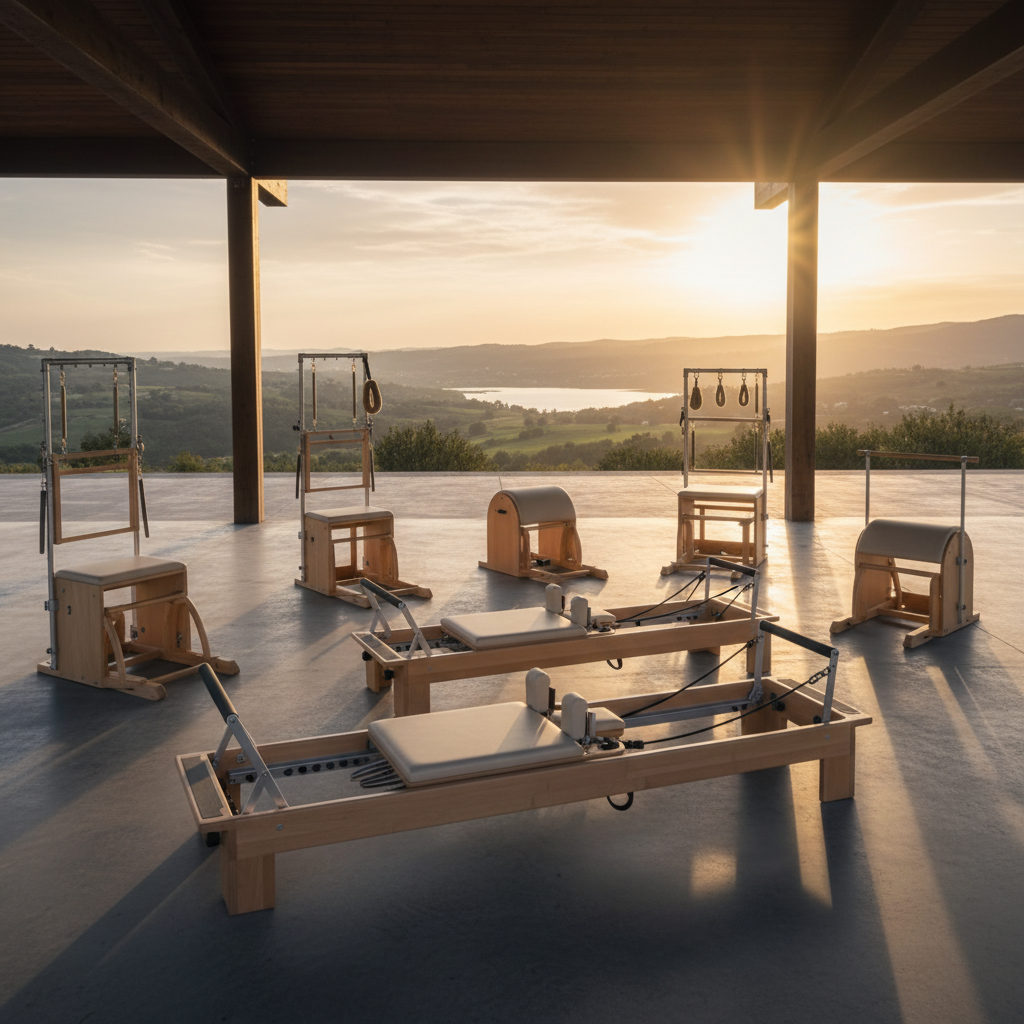
When evaluating the reformer pilates machine price, buyers must look beyond the initial sticker cost and consider the long-term value derived from material durability, engineering precision, and intended use. In the specialized field of sports equipment manufacturing, the price of a reformer is a direct reflection of its structural integrity and the quality of its resistance systems.
The primary challenge for studio owners and home practitioners is navigating the vast price gap between entry-level aluminum frames and professional-grade hardwood machines. This disparity often obscures critical factors such as spring tension consistency, upholstery longevity, and the cost of customization, which can significantly alter the total investment.
This analysis provides a comprehensive framework for understanding the cost drivers of Pilates reformers, helping you align your budget with your specific fitness goals or business requirements while avoiding common procurement pitfalls.

Core Cost Drivers in Pilates Reformer Manufacturing

The reformer pilates machine price is primarily dictated by the raw materials used in the frame and the precision of the mechanical components. High-end machines often utilize premium hardwoods like birch, oak, or beech, which offer superior stability and aesthetic appeal compared to lower-cost alternatives. The cost of sourcing FSC-certified hardwoods, such as the maple wood used by Raetin, significantly influences the base manufacturing price.
Beyond the frame, the resistance system—specifically the springs—is a critical cost factor. The use of 304 imported springs ensures longevity and a consistent tension curve, which is essential for professional therapeutic use. Lower-cost machines may use generic springs that lose elasticity faster, increasing the frequency of replacements and the overall cost of ownership.
Comparing Wood vs. Aluminum Price Architectures
Aluminum reformers generally offer a more competitive entry price due to standardized extrusion processes and lighter material weights. These are often preferred for home use or studios with limited space, as they are typically easier to move and maintain. However, the price advantage of aluminum is offset by a different feel in stability and a shorter lifespan under heavy commercial loads.
Wooden reformers, conversely, command a higher price point because of the craftsmanship involved in joining and finishing the hardwoods. The structural density of oak or beech provides a vibration-free experience that professional practitioners demand. For a B2B buyer, the higher initial cost of a wooden reformer is often justified by its durability and the premium image it projects in a professional studio environment.
The Impact of Customization on Final Pricing
Customization transforms a standard piece of equipment into a tailored solution, which naturally increases the reformer pilates machine price. A personalized process typically involves an initial consultation, design configuration, manufacturing, and rigorous quality assurance. This ensures the machine aligns with the specific ergonomic needs of the user or the branding of a studio.
Variable costs in customization are most evident in upholstery and finish choices. Selecting high-grade, medical-grade vinyl in specific colors or choosing specialized hardwood finishes requires more manual labor and specific material sourcing. While this increases the upfront cost, it enhances the user experience and ensures the machine fits seamlessly into its application scenario, whether it be a physical therapy center or a luxury home gym.
Relative Investment Value by User Category
Different users prioritize different value markers when evaluating costs. A home user might prioritize a balance between price and basic functionality, whereas a studio owner views the machine as a revenue-generating asset where durability is the primary ROI driver. The following illustrative framework shows the relative priority of cost drivers across different user segments.
This conceptual comparison highlights that for professional studios, the "Durability" and "Customization" factors carry the most weight, justifying a higher total investment. Home users, meanwhile, are more sensitive to the "Initial Price" and "Space Efficiency," leading them toward aluminum or compact wooden models.
Hidden Costs and Long-term Maintenance Factors
The total cost of ownership extends far beyond the purchase price. Maintenance is a significant hidden variable; for instance, the cost of replacing springs, repairing upholstery, or refinishing wooden frames must be budgeted. Machines built with inferior materials may have a lower initial price but incur higher maintenance costs over a 5-year period.
Shipping and assembly also represent substantial costs, especially for heavy wooden reformers. Professional packaging using cartons and pallets is necessary to prevent transit damage, and the cost of this secure logistics is often integrated into the final price. Buyers should verify if the quote includes these elements to avoid unexpected expenses upon delivery.
Common Budgeting Mistakes in Equipment Procurement
A frequent error in procurement is choosing a machine based solely on the lowest reformer pilates machine price without assessing the "duty cycle." A machine designed for home use will fail rapidly in a commercial studio setting, leading to a total loss of investment and potential safety risks for clients.
Another mistake is neglecting the importance of CE certification and quality inspection procedures. While uncertified machines are cheaper, they may lack the safety standards required for commercial insurance or health regulations. Investing in a manufacturer with a strict quality control process—from raw material selection to functional inspection—is a risk-mitigation strategy that saves money in the long run.
Strategic Decision Matrix for Reformer Selection
To make an informed purchase, buyers should compare options based on their specific operational requirements. The following matrix categorizes common equipment types to help you determine which investment level matches your application scenario.
| Equipment Type | Price Driver | Best Use Case | Primary Risk |
|---|---|---|---|
| Aluminum Reformer | Standardization | Home/Light Studio | Lower Rigidity |
| Hardwood Reformer | Material Quality | Professional Studio | Higher Initial Cost |
| Custom Cadillac Bed | Tailored Design | Therapy/Specialized | Longer Lead Time |
| Hybrid Tower Combo | Multi-functionality | Compact Studios | Increased Complexity |
| Entry-Level Wood | Softwood/Plywood | Budget Home Use | Faster Wear |
| Premium Maple Wood | High-Density Grain | Luxury Wellness | High Investment |
By mapping these categories against your budget, you can identify the "sweet spot" where price meets performance. For those requiring maximum longevity, the premium hardwood category offers the most stable ROI despite the higher upfront cost.
Frequently Asked Questions
The price varies based on frame material (aluminum vs. hardwoods like oak or maple), the grade of the resistance springs (such as 304 imported steel), the quality of upholstery, and whether the machine is a standard model or a customized solution.
Not necessarily "better" for everyone, but better for specific needs. Wooden reformers offer more stability and durability for commercial use, whereas aluminum models are more cost-effective and portable for home users.
Yes, customization adds to the cost because it involves personalized consultation, bespoke design configuration, and specific material selection for upholstery and finishes, though it increases the machine's long-term suitability.
Primary costs include the periodic replacement of springs to maintain tension accuracy, cleaning and conditioning of the upholstery, and occasional tightening of hardware or refinishing of wooden frames.
CE certification indicates that the equipment meets essential health, safety, and environmental protection standards. Buying a cheaper, uncertified machine can lead to safety failures and insurance complications in a commercial setting.
Location affects freight costs and import duties. Professional manufacturers mitigate this by using secure palletized packaging and efficient logistics to ensure the equipment arrives in perfect condition without excessive damage-related costs.
Conclusion
Determining the right reformer pilates machine price requires a strategic balance between upfront expenditure and the total cost of ownership. By prioritizing material quality—such as high-density hardwoods and precision springs—and ensuring professional certifications, buyers can secure equipment that provides consistent performance and long-term durability.
For those seeking professional-grade equipment or customized fitness solutions, you can review the available product information and contact the supplier for application-specific requirements at www.pilatesports.com.