
Remedial Pilates: A Global Approach to Healing and Rehabilitation
Remedial Pilates: Unlocking Movement and Healing Worldwide
Remedial Pilates is far more than just an exercise trend. Globally, as mobility issues and chronic pain affect millions, this specialized form of Pilates addresses core muscular imbalances, promotes rehabilitation, and restores function. It's increasingly recognized in healthcare systems worldwide—from hospital physio units in Europe to wellness centers in Asia—as a gentle yet powerful approach to improving quality of life.
Why does this matter? Well, musculoskeletal conditions are among the leading causes of disability globally, according to the World Health Organization. Remedial Pilates offers a personalized, evidence-informed route to managing and sometimes reversing these issues—reducing reliance on medication, surgeries, and prolonged rest. Quite frankly, understanding and using remedial Pilates can be a game-changer in rehabilitation and chronic pain management.
Global Context: A Rising Demand for Effective Rehabilitation
With the world’s population aging rapidly—UN estimates predict that by 2050, over 1.5 billion people will be aged 65 or older—the demand for effective, accessible rehab solutions is surging. Chronic back pain alone affects over 540 million people worldwide, imposing enormous economic and social burdens (source: WHO).
At the same time, sedentary lifestyles, office-based work, and even increased screen time due to pandemic-induced lockdowns have worsened postural and muscular issues globally. Rehabilitation approaches that can adapt to individual needs, support healing, and restore confidence are more crucial than ever. Remedial Pilates sits at this intersection beautifully.
What Exactly Is Remedial Pilates?
Simply put, remedial Pilates is a tailored form of Pilates exercise, focused specifically on rehabilitating injuries, correcting postural imbalances, and strengthening weak or dysfunctional muscles. Unlike traditional Pilates that often emphasizes fitness and aesthetics, remedial Pilates prioritizes safety, alignment, and therapeutic outcomes.
Trainers and physiotherapists collaborate to create precise programs that consider each person's unique body mechanics and health conditions. The movements are controllable, slow, and mindful—encouraging clients to rebuild strength without risk.
Interestingly, this approach gives the discipline a direct connection to broader industry and healthcare needs, such as integrating physical therapy, occupational health, and chronic pain management in hospitals and clinics.
Core Components of Remedial Pilates
1. Individualized Assessment
No cookie-cutter programs here. Clients start with thorough assessments analyzing muscle strength, flexibility, posture, and movement patterns. This forms the foundation of a remedial Pilates plan that genuinely fits their needs.
2. Controlled Movement Patterns
Precision is king. Exercises emphasize control and quality of movement, preventing compensations and encouraging muscle balance.
3. Breathing & Core Activation
Breathing isn’t just for relaxation—it’s integral to core stabilization and spinal support. Coordinating breath with movement enhances muscular engagement and neurological connections.
4. Progression & Adaptability
Programs evolve as clients improve—scaling in intensity, complexity, and duration. Flexibility accommodates setbacks or flare-ups.
5. Equipment Use
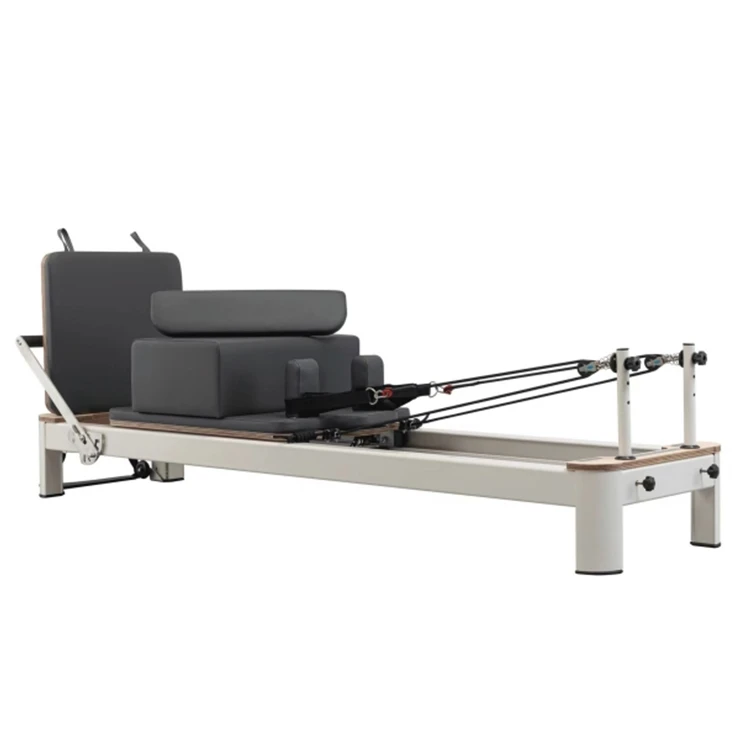
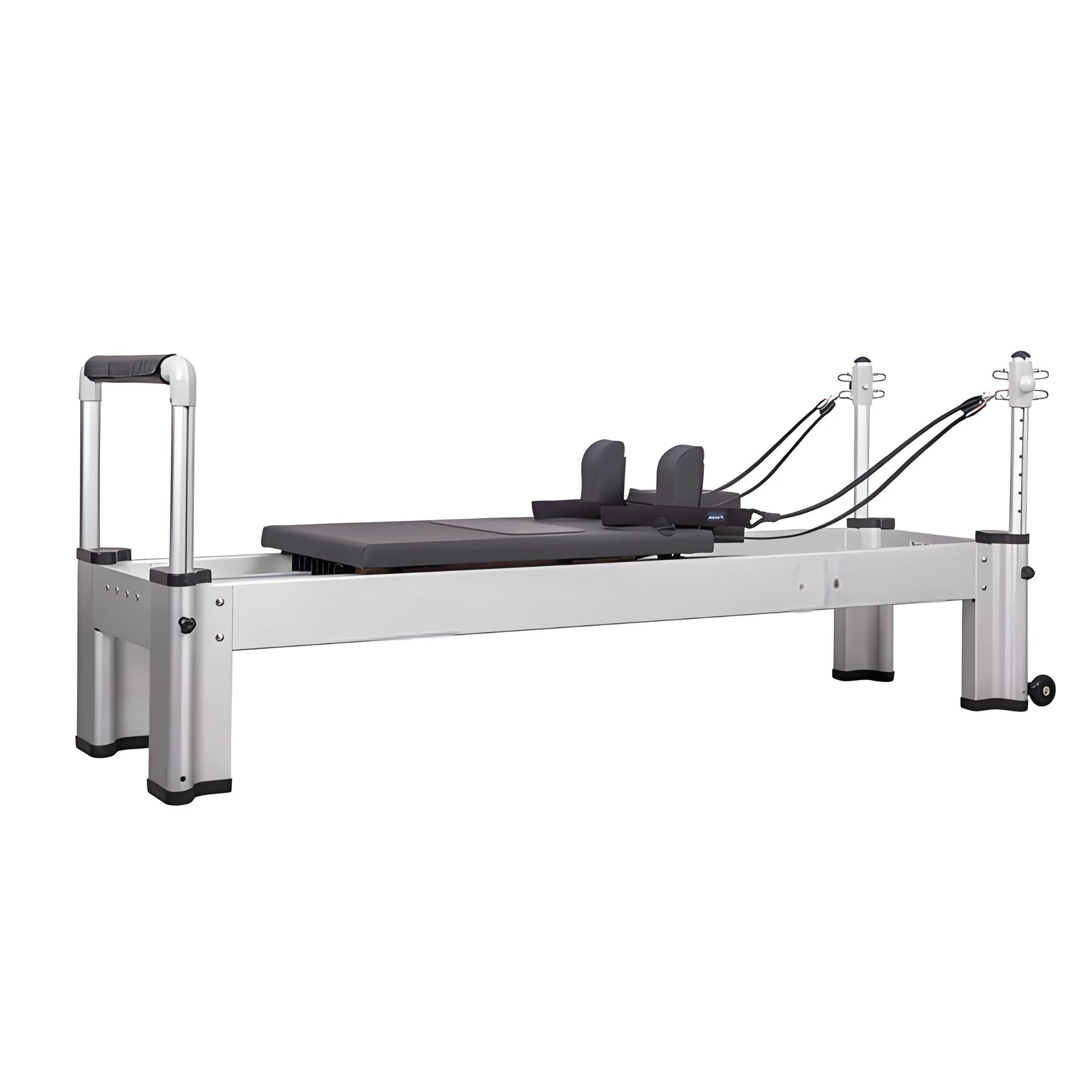
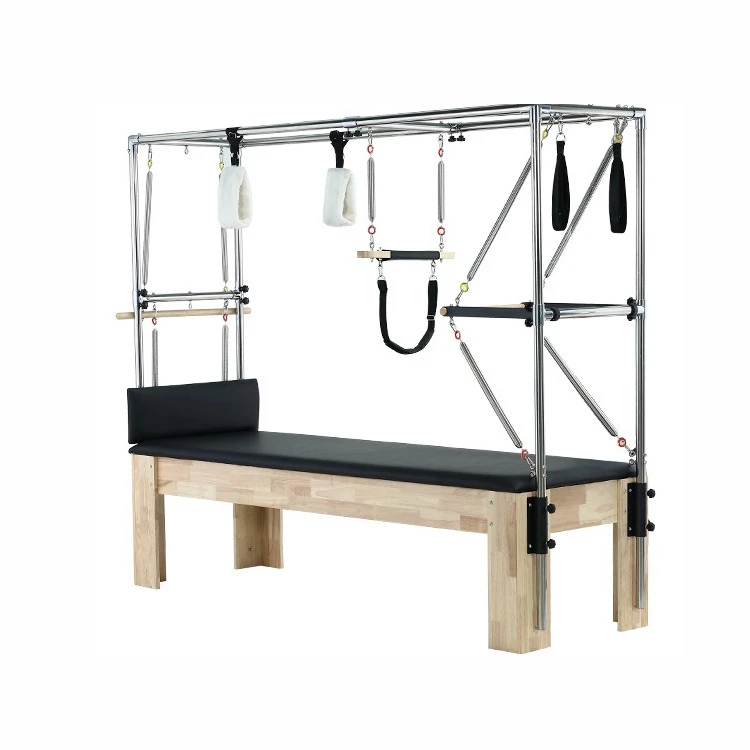
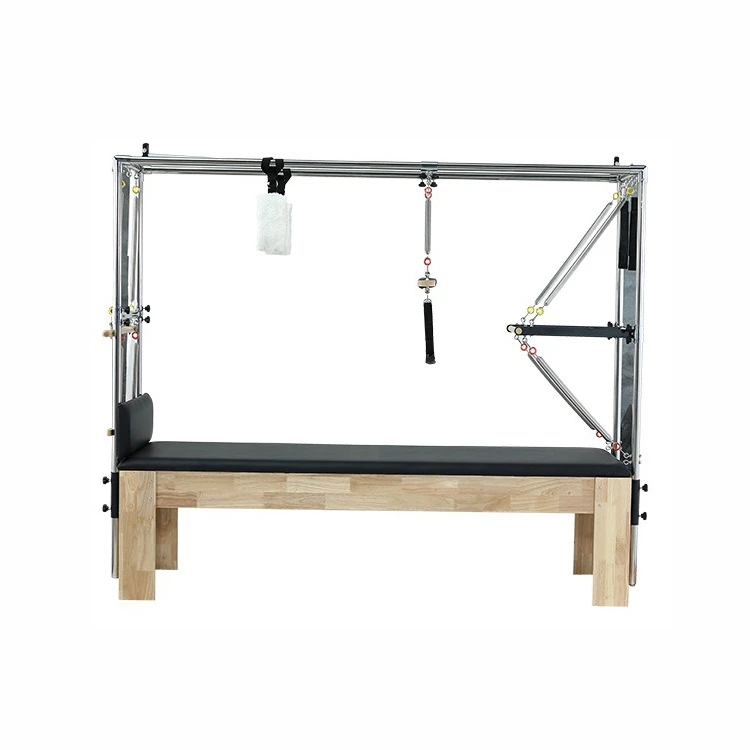
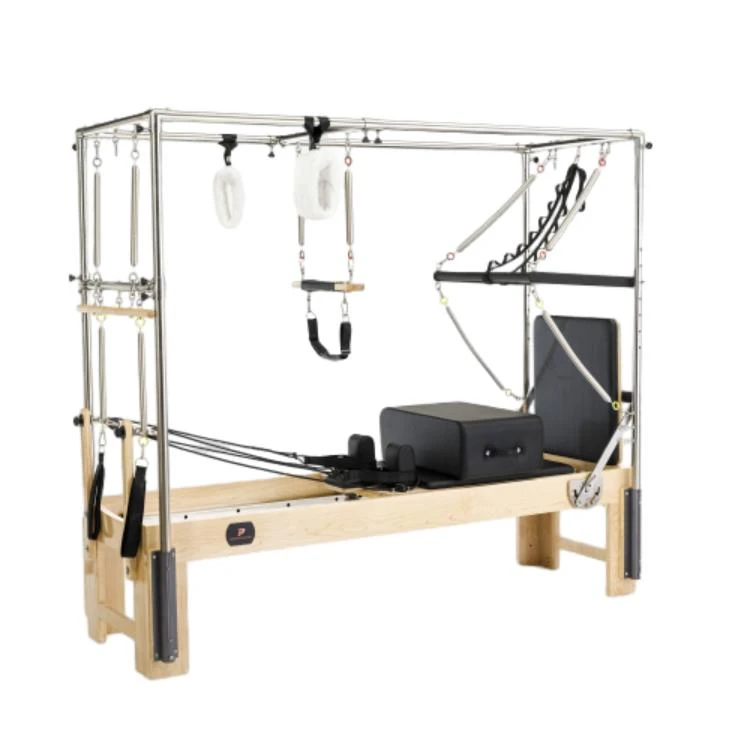
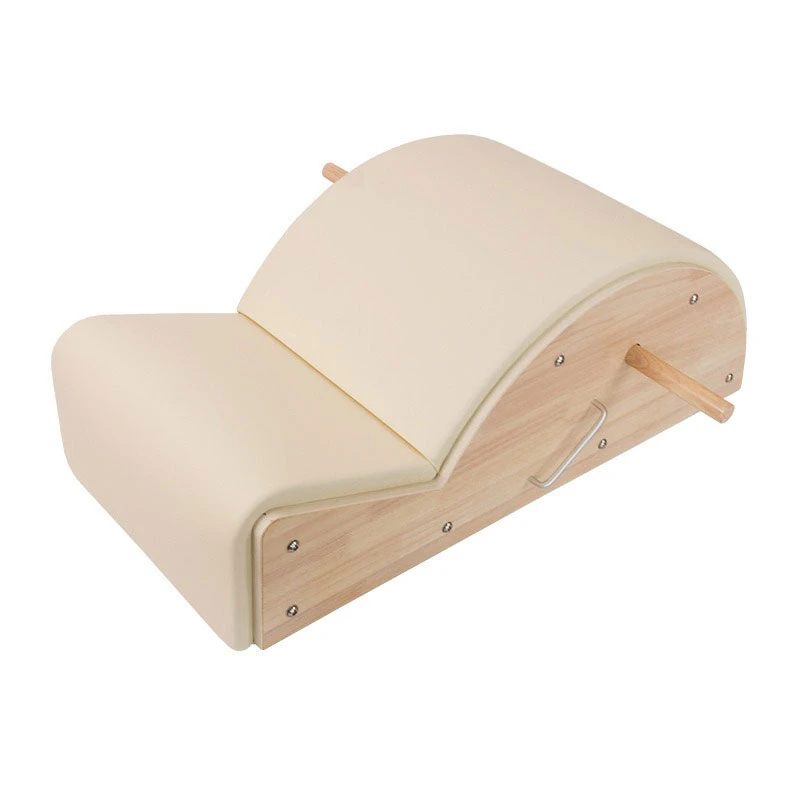
Specialized equipment like reformers, Swiss balls, and resistance bands assist in safely loading muscles, enabling diverse movement options.
Mini Takeaway:
Remedial Pilates turns exercise into a precise science of healing, combining personalized assessments with controlled, adaptable movements and breathwork.
Real-World Applications: Bringing Relief Globally
This modality finds use in multiple contexts. In the NHS (UK), many physiotherapy clinics embed remedial Pilates in post-surgery rehab to regain mobility. In Australia, elderly care centers incorporate it to reduce fall risk and improve balance.
Even in corporate wellness programs across North America and Europe, remedial Pilates helps desk workers counteract ergonomic stresses leading to chronic neck or back pain.
Sports injury clinics worldwide rely on it for targeted muscle retraining post-injury—speeding up return to play safely.
As an example, a community health project in New Zealand used remedial Pilates to help people recovering from serious car accidents regain muscle function, reporting significant improvements in quality of life over 6 months.
Advantages and Long-Term Benefits
- Reduced Pain and Improved Function: Clients often experience lasting pain relief and enhanced movement confidence.
- Cost-Effective: Prevents chronic problems that otherwise incur high healthcare costs.
- Non-Invasive and Safe: Minimal injury risk compared to aggressive treatments or surgeries.
- Empowering: Clients learn body awareness, boosting mental and emotional wellbeing.
- Sustainability: Encourages lifelong habits supporting healthy movement and posture.
Product Specifications for a Typical Remedial Pilates Equipment Set
| Equipment | Material | Dimensions | Weight | Purpose |
|---|---|---|---|---|
| Reformer Machine | Steel frame, wooden platform | Approx. 2m x 0.7m x 0.4m | ~40 kg | Resistance & motion control |
| Swiss Stability Ball | Anti-burst PVC | Diameter 65–75 cm | ~1.5 kg | Balance & core activation |
| Resistance Bands | Latex or synthetic rubber | Varied lengths & thicknesses | Light, portable | Muscle strengthening |
Leading Vendors Compared
| Vendor | Equipment Range | Customization | Price Range | Global Reach |
|---|---|---|---|---|
| PilatesPro Equip | Full range (Reformers, Chairs, Mats) | High (custom upholstery & frames) | $$$ | North America, Europe, Asia |
| CoreFit Supplies | Mid-range; mainly Reformers & Accessories | Moderate | $$ | Europe and Australia |
| HealWell Pilates | Basic equipment, focused on affordability | Low | $ | Asia, South America |
Future Trends & Innovations
Looking ahead, remedial Pilates is embracing digital transformation—virtual classes, wearable sensors that track muscle activation, and AI-guided personalized routines. There’s also an increasing push for eco-friendly materials in Pilates equipment, aligning with sustainable healthcare goals. Imagine reformers made from recycled wood composites or biodegradable resistance bands. Oddly enough, technology doesn't replace the human touch here but enhances it.
Challenges & Solutions
Access can be a barrier—skilled instructors and proper equipment aren’t always affordable or available in low-income regions. Plus, some patients must overcome initial reluctance due to pain or fear of movement. Solutions? Telehealth Pilates sessions are a promising approach, combined with community education to empower self-care, and partnerships with NGOs to supply equipment affordably. In real terms, careful instructor training remains critical.
FAQ: Frequently Asked Questions About Remedial Pilates
- What conditions benefit most from remedial Pilates?
Primarily musculoskeletal issues like chronic back pain, postural problems, joint instability, and rehabilitation after injuries. It’s great for neurological conditions too, such as stroke recovery. - How long does it take to see results?
While results vary by condition, many clients notice improved posture and decreased pain within 4–8 weeks of consistent practice. - Can remedial Pilates replace physiotherapy?
It complements physiotherapy rather than replaces it. Often used in tandem, remedial Pilates can extend therapeutic benefits by reinforcing movement control. - Is special equipment necessary?
While equipment enhances sessions, many remedial Pilates exercises can be done with mats and minimal props, making it accessible. - How do I find a qualified remedial Pilates instructor?
Look for instructors with certifications in clinical Pilates or working backgrounds in physiotherapy. Local health centers or professional directories can help.
Conclusion: Embrace Remedial Pilates for Lifelong Movement
Remedial Pilates is a beacon of holistic, patient-centered rehabilitation that’s gaining momentum worldwide. By focusing on alignment, strength, and mindful movement, it empowers people to take control of their recovery, reduces healthcare strain, and fosters sustainable wellness habits.
For those curious to explore this healing method more deeply, or professionals looking for accredited training, visit our website: https://www.pilatesports.com.
Whether you’re recovering from injury or aiming for better posture and balance, remedial Pilates offers a thoughtful, adaptable approach worth considering.
Sometimes, the simplest movements can lead to the most profound healing.
References
Latest news
-
Professional Pilates Cadillac Reformer for Sale and Buyer GuideNewsApr.16,2026
-
Professional Guide to Finding the Best Pilates Cadillac for SaleNewsApr.09,2026
-
Find the Perfect Cadillac Reformer Combo for Sale and Elevate Your Pilates PracticeNewsApr.07,2026
-
Choosing the Ideal Wooden Pilates Reformer Machine for Your Fitness JourneyNewsApr.04,2026
-
Choosing the Right Wooden Pilates Equipment for Studio and Home UseNewsMar.31,2026
-
Understanding the Versatility and Benefits of the Wood Reformer for PilatesNewsMar.28,2026
- Address
- Room 1601, 1302, Building A, Zijingguandi, Qiaodong District, Xingtai City, Hebei Province, China
- Sandra@raetin.com
- Phone
- +86 18231139331