
Comprehensive Guide to Reset Reformer: Benefits, Uses & Innovations
Reset Reformer: Revitalizing Fitness and Rehabilitation Worldwide
In today’s health-conscious world, equipment that offers both innovation and reliability is key — and the reset reformer fits this bill perfectly. Far more than just a Pilates tool, it’s become a global touchstone for physical therapy, athletic training, and wellness recovery. Understanding its design and application isn’t just a niche fitness curiosity; it actually connects deeply with growing demands in rehabilitation and holistic health worldwide.
Global Context: Why the Reset Reformer Matters Now
The global population is aging, chronic health conditions are rising, and post-injury rehabilitation needs are increasing dramatically. According to the World Health Organization, over 1 billion people require rehabilitation services worldwide (source: WHO Rehabilitation Fact Sheet). Meanwhile, the fitness industry’s pivot toward functional training and mind-body balance has made Pilates more popular than ever — especially devices like the reset reformer.
But here’s the kicker: many traditional rehabilitation tools can be bulky or limited in adaptability, often restricting patients' progress. The reset reformer addresses this gap by offering a versatile platform that enhances muscular control, flexibility, and balance — vital factors for both injury recovery and ongoing health.
Mini takeaway: The reset reformer's rise results from a real global shift towards integrative, functional wellness that meets both therapeutic and fitness demands.
What Is a Reset Reformer?
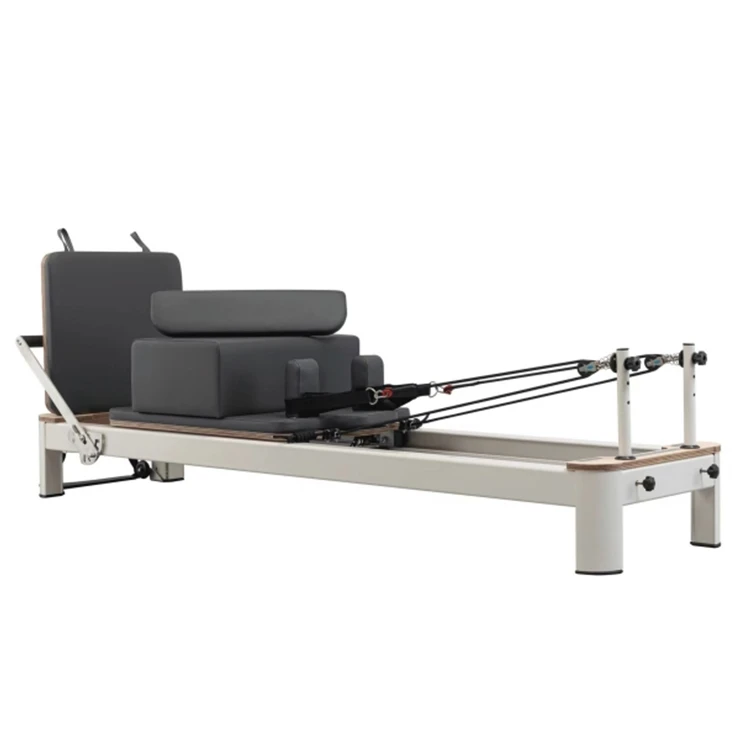
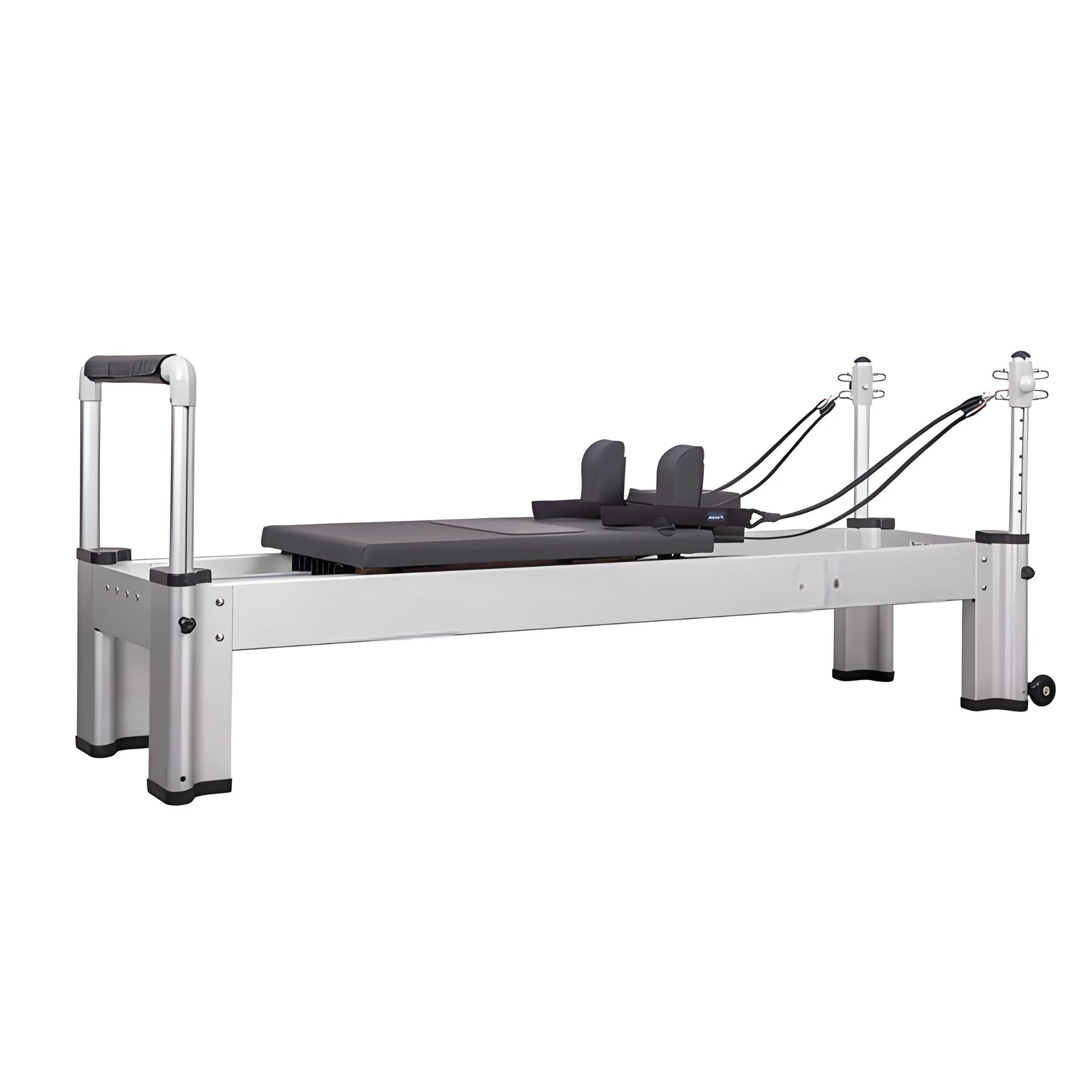
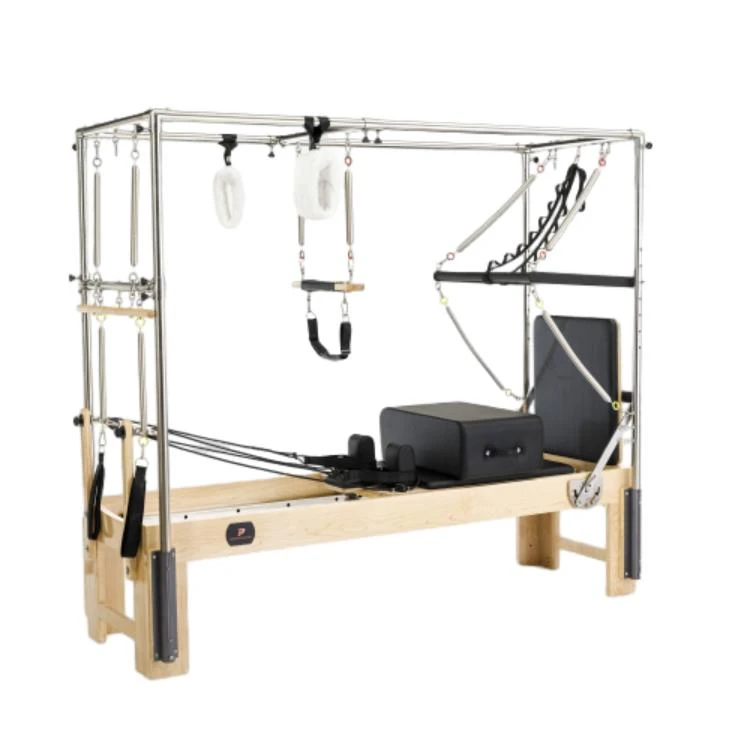
Simply put, a reset reformer is a state-of-the-art Pilates machine designed to provide resistance-based exercises via a sliding carriage, springs, ropes, and pulleys. The “reset” aspect usually refers to its enhanced adjustability and intelligent design geared toward resetting the body’s alignment and movement patterns during exercise.
Unlike conventional reformers, reset reformers incorporate ergonomic features and variable tension systems that can be customized to an individual’s physical needs. This makes them indispensable in physical therapy clinics, athletic training centers, and even homes aiming for professional-quality workouts or rehab.
Mini takeaway: The reset reformer is more than Pilates equipment — it’s a carefully engineered solution bridging fitness and rehab needs, adaptable to a variety of users.
Key Components of the Reset Reformer
1. Adjustable Resistance Springs
Unlike fixed resistance machines, these springs let practitioners calibrate tension precisely — critical for rehabilitation phases where subtle progression matters.
2. Sliding Carriage with Smooth Rails
The core of the machine moves fluidly to ensure proper movement mechanics, reducing strain and improving muscle engagement.
3. Ergonomic Footbar and Shoulder Blocks
Designed to secure the body safely and align joints properly, these features enable therapists to guide users effectively through exercises.
4. Rope and Pulley System
This component allows varied angle resistance and balanced muscle activation to enhance mobility and strength.
5. Durable Frame Materials
Typically, reset reformers boast a combination of solid wood or lightweight metals like aluminum, ensuring longevity while maintaining a sleek, professional profile.
Mini takeaway: These components combine thoughtfully to create a versatile, safe, and effective platform that’s much more than “just exercise gear.”
Reset Reformer Product Specifications
| Feature | Standard Model | Pro Model |
|---|---|---|
| Frame Material | Solid Maple Wood | Aluminum Alloy |
| Resistance Springs | 5 Springs, Variable Tension | 8 Springs, Ultra-Adjustable |
| Dimensions (LxWxH) | 90" x 26" x 14" | 90" x 27" x 15" |
| Max User Weight | 300 lbs | 400 lbs |
| Optional Features | Standard Ropes | Rotating Footbar, Digital Counter |
Global Applications & Use Cases
Across continents and industries, the reset reformer finds meaningful applications. In Europe and North America, it’s a staple in rehabilitation hospitals and sports injury centers, aiding in stroke recovery and athletic performance enhancement. Many physiotherapists argue it’s indispensable for retraining motor control after injury.
In parts of Asia and Australia, it’s used extensively in wellness resorts and community fitness classes, reflecting its versatility from rehab to general health improvement. Oddly enough, some NGOs have even incorporated forms of the reformer into remote health camps, thanks to its portability and modular components.
For fitness enthusiasts, the reset reformer supports a range of exercises from gentle stretching to strength training, making it suitable for varied user groups: from the elderly to professional dancers. The diversity is genuinely impressive.
Mini takeaway: From clinical settings to fitness studios, the reset reformer’s adaptability makes it a global fitness and rehab workhorse.
Vendor Comparison: Leading Reset Reformer Models
| Brand | Price | Warranty | Special Features | Best for |
|---|---|---|---|---|
| PureForm Pilates | $3,500 | 5 Years | Adjustable Carriage & Springs | Home and Small Studios |
| TheraMove Pro | $7,200 | 7 Years | Digital Range of Motion Tracker | Highly Specialized Therapy Clinics |
| ReformFit Elite | $5,800 | 6 Years | Rotating Footbar & Lightweight Frame | Fitness Centers & Dancers |
Advantages & Long-Term Value of Reset Reformers
- Cost Efficiency: While initial costs seem steep, the durability and multi-functionality reduce the need for additional equipment.
- Sustainability: Many reset reformers use eco-friendly woods and recyclable metals; some brands even source materials responsibly.
- Social Impact: Improves patient recovery rates and accessibility to functional exercise, promoting dignity and independence.
- Reliability: Tested repeatedly in clinical settings to handle daily intensive use without performance loss.
It’s not just the physical benefits — I find there’s also emotional value here. Patients often report feeling safer, more confident, even hopeful when they use a reset reformer as part of their recovery. Trust comes from precision and adaptability, and this equipment embodies both.
Mini takeaway: The reset reformer isn’t just an investment in equipment. It’s a long-term investment in well-being, sustainability, and quality care.
Future Trends & Innovations
Looking ahead, reset reformers are poised to integrate more digital tech — think apps that monitor form via sensors, AI-powered movement coaching, or blockchain-based maintenance logs. Modular designs that reduce shipping footprints are also gaining traction, tying into global sustainability goals (ISO 26000).
Additionally, there’s focus on incorporating green energy-powered manufacturing and sustainable material sourcing, reflecting broader fitness industry trends. Sometimes, the smallest ergonomic tweaks inspired by biomechanics research can drastically improve user outcomes, which experts are quite excited about.
Challenges & Expert Solutions
Despite their many strengths, reset reformers can be expensive and require professional guidance to maximize benefits. Accessibility is a barrier in lower-income regions. Also, improper use risks injury, underscoring the importance of expert instruction.
To counter these challenges, manufacturers offer training certification programs, and non-profits occasionally subsidize reformer installations in underserved communities. There’s also an emerging market for durable, affordable variants aimed at beginners, which might pave a more inclusive path forward.
FAQ: Reset Reformer Explained
- What makes a reset reformer better than a traditional Pilates reformer?
- The reset reformer typically offers enhanced adjustability, ergonomic features, and modular components that can be tailored for injury rehabilitation, performance training, or general wellness — making it more versatile than traditional designs.
- How long do reset reformers usually last in clinical or home settings?
- With proper care, high-quality reset reformers can last 10+ years due to their durable materials and maintenance options. Warranty terms usually range from 5 to 7 years, reflecting this longevity.
- Are reset reformers suitable for seniors or those with limited mobility?
- Absolutely. Because of their adjustable resistance and safety features, reset reformers are widely used in geriatric rehabilitation and senior fitness programs to improve balance, strength, and mobility.
- Can NGOs import reset reformers for disaster recovery health programs?
- While importing specialized equipment may involve regulatory hurdles, many vendors now offer international shipping and technical support, making it feasible for NGOs to deploy reset reformers in remote or disaster-affected areas.
Conclusion: Why Investing in Reset Reformers Makes Sense
To sum it up, reset reformers are more than fancy exercise machines; they represent a harmonization of innovation, health science, and human-centric design. They are making physical therapy and fitness more accessible, safer, and adaptable across the globe — from clinical rehab wards to luxury fitness hubs.
If you’re interested in transforming your fitness or rehabilitation journey, or equipping your clinic with reliable, modern reformers, visit our website: reset reformer for expert guidance and premium options.
Reflecting on the reset reformer's journey, it’s fascinating how an apparatus rooted in 20th-century Pilates philosophy continues evolving with technology and global health demands — a testament to the power of thoughtful design and care.
Latest news
-
Professional Pilates Cadillac Reformer for Sale and Buyer GuideNewsApr.16,2026
-
Professional Guide to Finding the Best Pilates Cadillac for SaleNewsApr.09,2026
-
Find the Perfect Cadillac Reformer Combo for Sale and Elevate Your Pilates PracticeNewsApr.07,2026
-
Choosing the Ideal Wooden Pilates Reformer Machine for Your Fitness JourneyNewsApr.04,2026
-
Choosing the Right Wooden Pilates Equipment for Studio and Home UseNewsMar.31,2026
-
Understanding the Versatility and Benefits of the Wood Reformer for PilatesNewsMar.28,2026
- Address
- Room 1601, 1302, Building A, Zijingguandi, Qiaodong District, Xingtai City, Hebei Province, China
- Sandra@raetin.com
- Phone
- +86 18231139331