
Reformer Align Pilates: The Smart Way to Enhance Posture and Prevent Injuries
Getting to Know Reformer Align Pilates: Why It’s Worth Your Attention
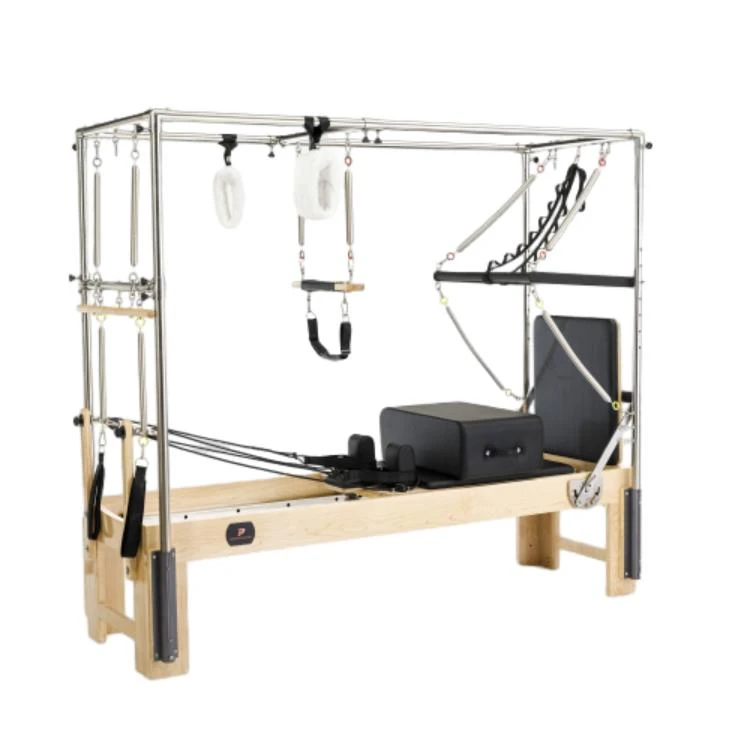
Reformer align pilates isn’t just a trendy workout buzzword—it’s a focused approach to working with the reformer machine that emphasizes optimal body alignment and movement efficiency. Globally, this matters a lot because people's posture, injury risks, and even athletic performance can depend on how well they engage with this practice. For many, reformer align pilates offers not only better control but also a mindful way to prevent pain and enhance strength over time.
Understanding reformer align pilates is key if you’re a fitness professional, rehab specialist, or just an enthusiast eager for sustainable progress. Plus, it connects into broader health and wellness trends worldwide, with more people looking for low-impact yet effective exercise methods.
Why Reformer Align Pilates Has a Global Stage
If you peek at the numbers, the global wellness industry is booming — valued at over $4.5 trillion in recent years according to the Global Wellness Institute. A good chunk of that comes from mindful movement disciplines like Pilates. The ISO standards for fitness equipment also increasingly highlight safety and alignment-centric designs in reformer machines.
Yet, a frustrating challenge persists — how do you ensure users across diverse skill levels actually align their bodies correctly on the reformer? Bad posture doesn't just mean less results; it can cause real injuries. So, reformer align pilates comes in as a sort of “quality control” method, helping instructors and practitioners worldwide address this head on.
What Exactly Is Reformer Align Pilates?
Simply put, reformer align pilates is an approach that integrates alignment principles into classic Pilates reformer exercises. Instead of rushing through repetitions or focusing only on resistance, practitioners concentrate on spine neutrality, joint stacking, and balanced muscle recruitment.
This dedication to proper posture and biomechanical efficiency mirrors a wider shift in fitness and rehabilitation toward prevention rather than cure. Given the rise of sedentary lifestyles globally, and postural complaints reported by millions, reformer align pilates plays a modern role: it’s not just exercise but a proactive movement education.
Core Components of Reformer Align Pilates
1. Precision of Movement
Precision isn’t Pilates fluff — it’s the foundation. Each movement is controlled, deliberate, and focused on kinesthetic awareness. Practitioners learn to feel their alignment and adjust mid-move if necessary, which is a skill in itself.
2. Spine Neutrality
Keeping the spine 'neutral' means neither excessively arched nor flat against the reformer carriage. This reduces stress on vertebral joints and encourages balanced muscular engagement. Many people realize only after several sessions how their everyday posture can improve.
3. Balanced Muscle Activation
The idea is to recruit muscles evenly — no overworking one group and neglecting others. This balance minimizes compensations or movement patterns that lead to pain or injury down the line.
4. Breath and Core Connection
Breath is more than oxygen delivery. In reformer align pilates, it’s a tool to coordinate core engagement with movements, enhancing stability and control.
5. Feedback and Adjustment
Instructors or even video feedback systems guide users on how to "correct" alignment during exercises — a little tweak here, a reposition there.
Mini takaway: At its heart, reformer align pilates is about marrying movement smarts with machine precision — making every rep count.
How Reformer Align Pilates Commands Real-World Attention
This method isn’t a one-off niche trend. Across hospitals, rehab clinics, private studios, and athletes’ training rooms, it’s gaining traction. For example:
- Rehabilitation Centers in Europe: Post injury or surgery, patients use reformer align pilates for controlled muscle retraining.
- Sports Institutes in North America: Elite athletes incorporate alignment-focused Pilates to prevent injury and optimize flexibility.
- Wellness Clinics in Asia: Addressing rising back pain cases among office workers through tailored reformer align classes.
Oddly enough, some remote wellness retreats have also started leveraging reformer align Pilates through online coaching — the digital fitness wave blending with bodily awareness.
Here’s What You Gain from Embracing Reformer Align Pilates
- Improved Posture — Feeling taller, more balanced, less strain in everyday activities.
- Pain Relief — Correcting faulty movement patterns takes pressure off joints.
- Enhanced Movement Efficiency — You use less energy moving better.
- Injury Prevention — Reliable alignment acts as an invisible shield.
- Mindful Awareness — Building mental focus alongside physical gains.
Many say it’s a long-term investment in quality of life, not just a quick fix workout. The way it supports dignity and empowerment through movement—especially for those recovering from injury—is deeply satisfying and kind of inspiring.
Looking Ahead: Trends Transforming Reformer Align Pilates
The future is exciting. Here’s a brief peek:
- Smart Reformers: Embedded sensors and AI coaching analyze alignment real-time.
- Sustainable Materials: More eco-friendly machine designs using bamboo, recycled metals, and organic fabrics.
- Virtual Reality Integration: Immersive environments to guide reformer work with engaging feedback.
- Holistic Wellness Approaches: Integration with mindfulness apps and wearable tech syncing breath and muscle activity.
In essence, technology meets tradition, making reformer align Pilates increasingly accessible and precise.
Challenges People Face — And How to Beat Them
It’s not all smooth sailing. Some common hurdles:
- Learning Curve: Beginners sometimes struggle remembering alignment cues, leading to sloppy form.
- Equipment Cost: Quality reformers with alignment features aren’t cheap.
- Instructor Availability: Not all instructors emphasize alignment properly.
But these can be overcome with patient coaching, affordable rental programs, and online education platforms that spread alignment principles widely.
Specification Table: A Typical Reformer Align Pilates Machine Model
| Feature | Specification |
|---|---|
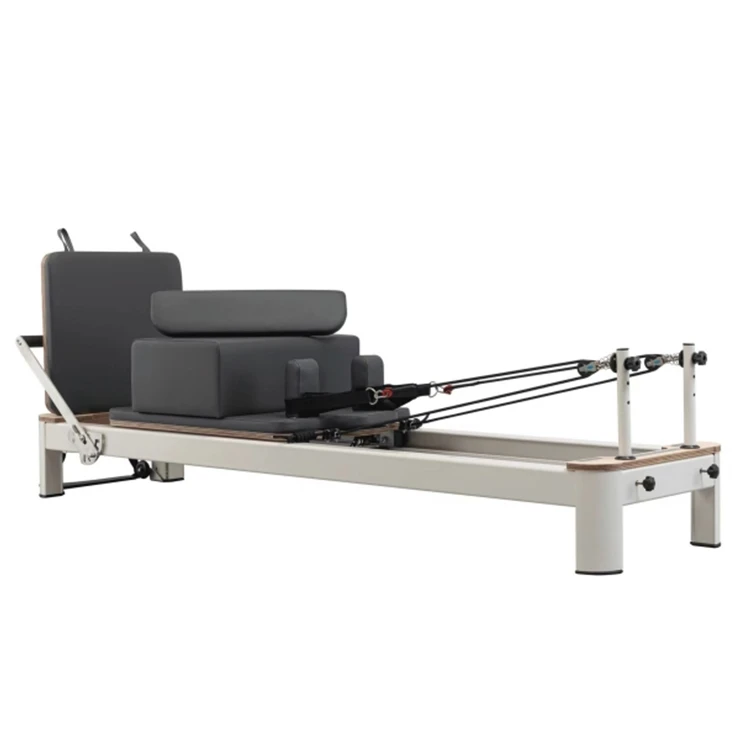
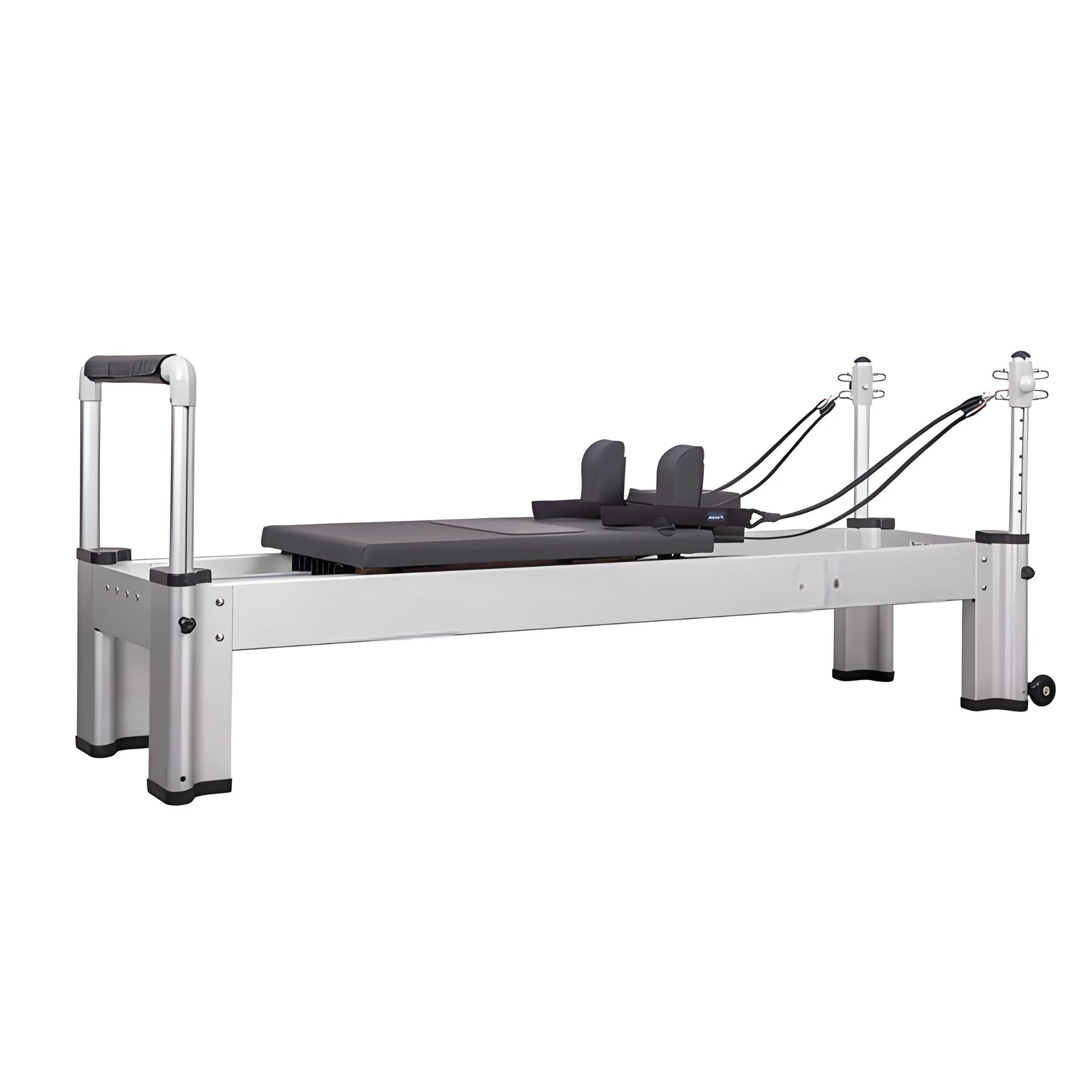
| Dimensions | 250 cm x 60 cm x 30 cm |
| Max User Weight | 150 kg (330 lbs) |
| Frame Material | Reinforced aluminum with bamboo accents |
| Spring Resistance Levels | 7 adjustable tension springs |
| Technology Features | Bluetooth sensor feedback, mobile app sync |
| Price Range | $3,000 - $5,500 |
Vendor Comparison: Reformer Align Pilates Machines
| Brand | Durability | User Friendliness | Technology Integration | Price |
|---|---|---|---|---|
| AlignPro | High (Aluminum/Bamboo) | Very Easy | Full sensor suite | $4500 |
| PilatesCore | Medium (Steel frame) | Moderate | Basic app sync | $3200 |
| FlexAlign | High (Composite Frame) | Easy | Integrated VR options | $5400 |
Common Questions About Reformer Align Pilates
1. What makes reformer align pilates better than traditional Pilates?
While traditional Pilates often focuses on movement patterns, reformer align pilates puts extra emphasis on body alignment and real-time feedback. This approach reduces the likelihood of injury, improves posture, and can accelerate results by ensuring muscles engage properly. It’s more mindful—and frankly, smarter—especially for those working through rehab or chronic imbalances.
2. Can beginners safely practice reformer align pilates at home?
Technically yes, but it’s recommended to start with professional guidance—either in-person or through online resources like reformer align pilates coaching platforms. Proper setup and alignment cues are crucial since incorrect form on the reformer can cause strain. Once the basics are locked down, home practice becomes effective and safe.
3. How long does a reformer align pilates session usually last?
Sessions typically run between 45 to 60 minutes, balancing warm-up, precise movement work, and cooldown. It’s enough time to focus on detailed alignment without getting fatigued or sloppy.
4. Who benefits most from reformer align pilates?
Everyone from athletes to seniors can benefit, but it’s particularly helpful for people with postural issues, those recovering from injuries, or individuals looking for low-impact, mindful exercise that addresses muscle imbalances.
5. Is reformer align pilates equipment portable for travel or studio hopping?
While traditional reformers are bulky, newer models focusing on alignment often include foldable or modular components, making transport easier. Some vendors even offer rental or lightweight travel versions.
Wrapping It Up with a Thought
Reformer align pilates isn’t just about moving on a piece of equipment; it’s about rethinking how we engage with our bodies in a global context. Whether you're a therapist addressing chronic pain or someone just wanting better posture, this method bridges science with everyday movement. For deeper insights or to explore quality reformer align pilates classes and equipment, do check out reformer align pilates. There’s a lot to gain from moving smarter—not just harder.
References
Latest news
-
Professional Pilates Cadillac Reformer for Sale and Buyer GuideNewsApr.16,2026
-
Professional Guide to Finding the Best Pilates Cadillac for SaleNewsApr.09,2026
-
Find the Perfect Cadillac Reformer Combo for Sale and Elevate Your Pilates PracticeNewsApr.07,2026
-
Choosing the Ideal Wooden Pilates Reformer Machine for Your Fitness JourneyNewsApr.04,2026
-
Choosing the Right Wooden Pilates Equipment for Studio and Home UseNewsMar.31,2026
-
Understanding the Versatility and Benefits of the Wood Reformer for PilatesNewsMar.28,2026
- Address
- Room 1601, 1302, Building A, Zijingguandi, Qiaodong District, Xingtai City, Hebei Province, China
- Sandra@raetin.com
- Phone
- +86 18231139331