
Comprehensive Guide to Pilates Reformer Series: Benefits & Innovations
Discovering the Pilates Reformer Series: More Than Just Fitness Equipment
If you’ve ever dipped a toe into Pilates, chances are you’ve encountered the pilates reformer series. It’s not just a collection of workout machines, but rather a window into how exercise equipment can empower bodies worldwide. On a global scale, Pilates has surged as a preferred method for rehabilitation, fitness, and even mental focus. The reformer, a hallmark of Pilates innovation, offers resistance, support, and versatility – hallmarks that have kept it at the forefront of the discipline for nearly a century.
Why does it matter beyond studios and gyms? Because understanding the pilates reformer series reveals a lot about how precision engineering and human-centered design come together to improve wellbeing. This machine series unlocks a wide range of benefits — from injury recovery to enhanced athletic performance — and getting familiar with it can help fitness professionals, rehab specialists, and even casual practitioners pick smarter, more effective equipment.
The Global Context: Why the Pilates Reformer Series Matters Today
Here’s an interesting fact: according to the International Health, Racquet & Sportsclub Association (IHRSA), Pilates studios have grown by over 10% annually in regions spanning North America, Europe, and parts of Asia. The pilates reformer series plays a starring role in this boom — especially as populations become more aware of posture-related ailments and the benefits of low-impact training. The World Health Organization also emphasizes physical activity’s importance for reducing chronic disease risk, which Pilates addresses well.
Yet, despite its rise, there remains a problem. Traditional Pilates reformers were often bulky, expensive, and tailored to only a few exercise styles. Smaller studios or personal users sometimes hesitate to invest without understanding which model best fits their needs — which leads to underutilization. The demand for adaptable, durable, and accessible reformers is steadily increasing worldwide.
Mini takeaway:
With surging global fitness trends and health priorities shifting, the pilates reformer series must evolve to meet user diversity and delivery challenges.
What Exactly Is the Pilates Reformer Series?
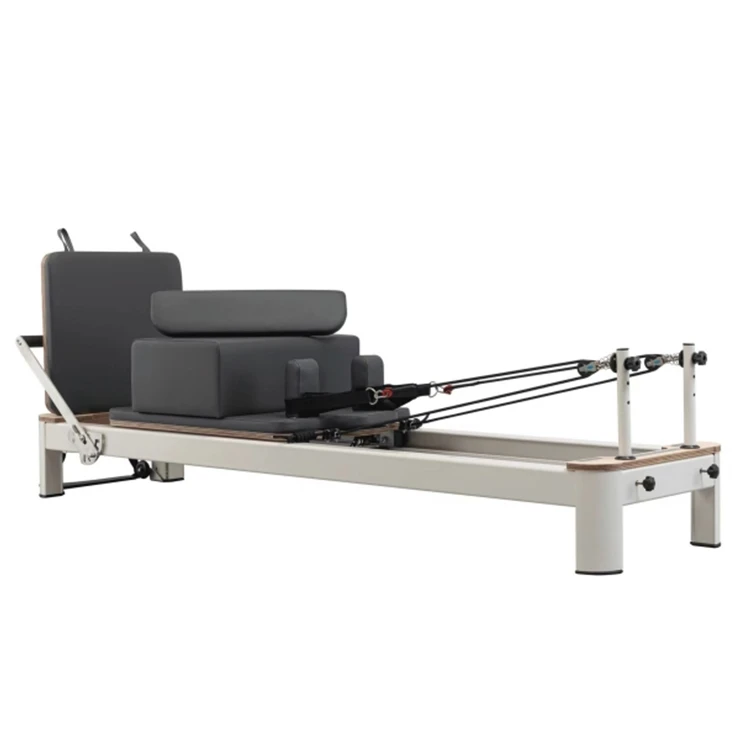
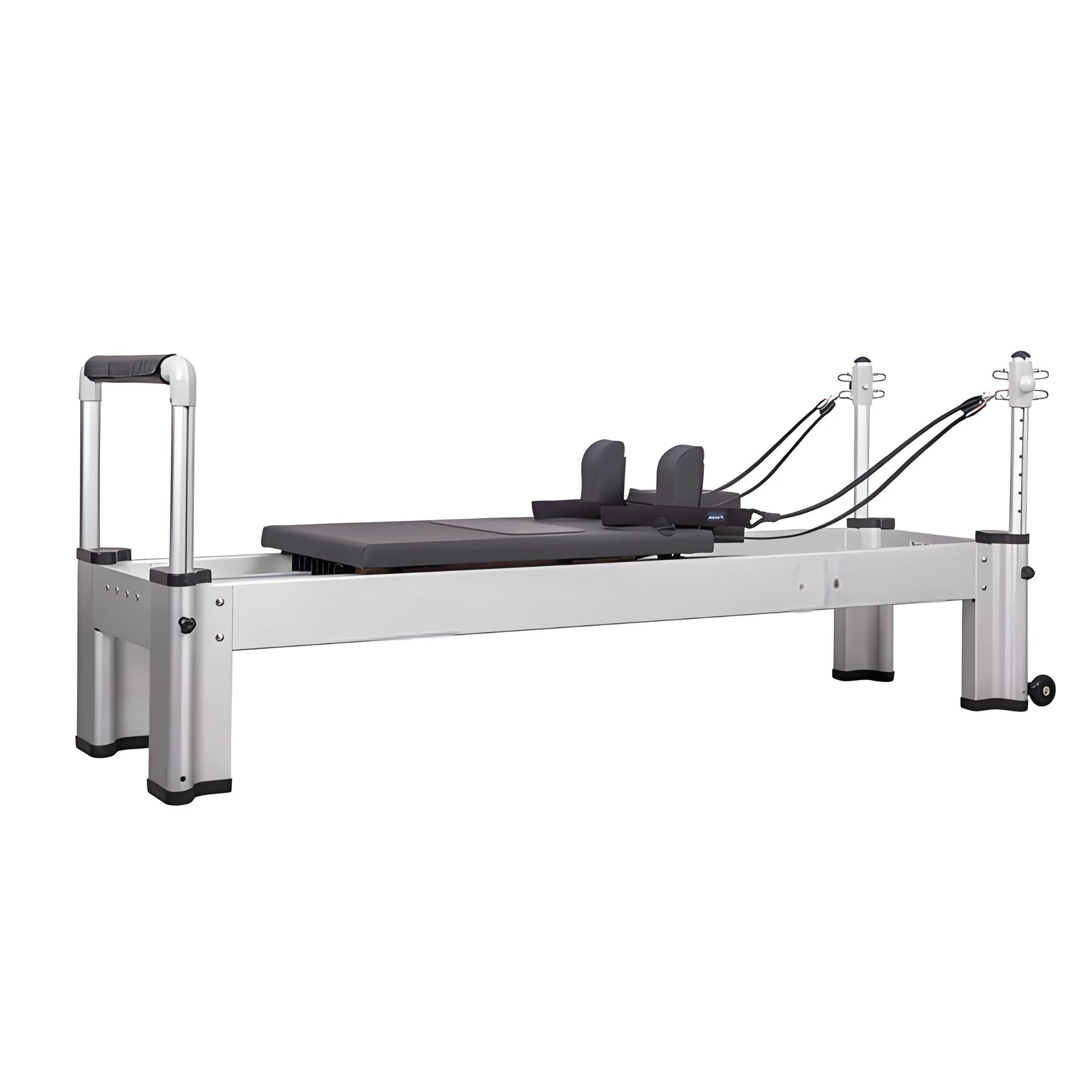
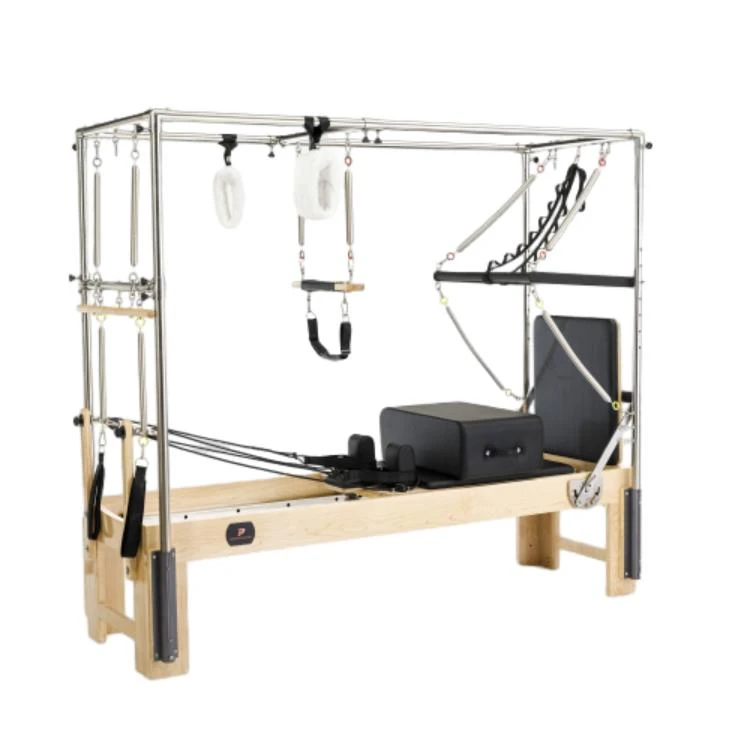
Simply put, a pilates reformer series is a line of Pilates apparatus machines that use springs, pulleys, and platforms to enable controlled resistance workouts. Invented by Joseph Pilates in the early 20th century, these machines support exercises that enhance core strength, flexibility, balance, and precise muscle control.
But it goes beyond just exercise. In contemporary health industries, these reformers assist physical therapists rehabilitating injuries with graduated resistance and stability training. For dancers and athletes, reformers provide a customizable challenge that helps prevent injury and optimize movement efficiency. Humanitarian rehabilitation programs even incorporate compact reformer models to assist in areas where traditional gym access is limited.
Key Components of the Pilates Reformer Series
1. Durability and Material Quality
A solid reformer must balance strength and lightweight design. Manufacturers often use birch or maple wood for frames combined with stainless steel hardware. Upholstery also needs to be both comfortable and easy to sanitize — especially in shared environments like studios.
2. Adjustable Resistance System
Resistance springs are the heart of every reformer. In a typical pilates reformer series, varying spring tensions allow users from beginners to pros to customize workout intensity precisely. Some recent models incorporate magnetic or hydraulic resistance, which feels smoother and quieter.
3. Portability and Space Efficiency
Smaller studios and home users prize folding or compact reformers that can fit in apartments. A few advanced units also feature detachable parts, making transportation practical, especially for instructors who travel.
4. Versatility in Exercise Options
With add-on accessories such as jump boards, straps, and box attachments, the reformer series adapts to a wide range of routines. This modularity keeps workouts fresh and targets different muscle groups effectively.
5. User-Friendly Design
Ease of adjustment, intuitive instruction guides, and ergonomic padding are crucial. For newcomers, a machine that’s straightforward to operate significantly increases confidence and regular use.
Mini takeaway:
Whether for a clinic or a home gym, these core elements define a quality pilates reformer — supporting durability, adaptability, and user comfort.
See How It's Used Globally: Pilates Reformer Series in Action
Take a European rehabilitation center, for example — they’ve integrated reformers into post-stroke therapy routines, thanks to their ability to mimic balanced, controlled movements essential for regaining motor skills. In the US, boutique studios lean heavily on pilates reformer series models that fuse classic mechanics with digital trackers, offering clients feedback to monitor progress.
Meanwhile, in Asian markets, where space is often limited, compact, foldable reformers have grown in popularity. Some NGOs working in refugee camps have even used custom lightweight reformers for physical therapy, helping displaced citizens maintain health with minimal infrastructure.
| Specification | Standard Model | Pro Series | Compact Edition |
|---|---|---|---|
| Frame Material | Hardwood Birch | Maple Wood + Steel | Aluminum Alloy |
| Resistance Type | Spring-based | Hybrid Spring-Magnetic | Gas Hydraulic |
| Dimensions (L×W×H) | 7ft × 2.5ft × 1.5ft | 7.5ft × 2.7ft × 1.7ft | 5ft × 2ft × 1.3ft |
| Weight | 55 kg | 65 kg | 22 kg |
| Price Range | $2,200–$2,800 | $3,500–$4,200 | $1,500–$1,800 |
Comparing Top Vendors for Pilates Reformer Series
| Vendor | Product Range | Price Competitiveness | Innovation Features | Warranty & Support |
|---|---|---|---|---|
| PilatesPro | Basic to Premium Machines | Mid-Range | Magnetic Resistance System | 5 Years + Onsite |
| CoreBalance | Compact & Travel Models | Budget-Friendly | Lightweight Portable Design | 3 Years Standard |
| FlexFit Gear | Professional Studio Lines | High-End | Smart Tracking & App Integration | 7 Years, VIP Support |
The Long-Term Advantages of Investing in a Pilates Reformer Series
Speaking practically and emotionally, investing in a pilates reformer series offers longevity and versatility — machines that adapt as your skills grow. Financially, these machines reduce reliance on multiple smaller tools or personal trainers and provide consistent, measurable progress tracking. Many therapists I’ve spoken with underline the dignity patients regain when they can actively engage in rehab exercises that work gently but effectively.
Moreover, the sustainability element is growing stronger. Brands adopt eco-friendly wood sourcing and non-toxic finishes. Plus, the physical safety offered by stable reformers reduces injury risk compared to free weights or machines lacking guided resistance.
Future Trends & Innovations in Pilates Reformer Series
We’re on the cusp of an exciting phase. For example, several companies are exploring smart reformers with IoT capabilities, so your workout data syncs with apps and health monitors seamlessly. Additionally, the push towards greener manufacturing using recycled materials or bioplastics is gathering momentum.
Automation in tension controls and virtual reality sessions designed around reformers hint at a future where Pilates is more interactive and customizable than ever… For injury-prone or elderly populations, this might transform rehabilitation.
Common Challenges and How to Overcome Them
Owning and using a reformer isn’t without its hurdles. Equipment cost remains a barrier for many individuals. Space limitations in urban dwellings can also deter ownership. Maintenance and learning curve — although minor — are often cited.
To overcome these, many vendors now offer leasing programs or financing options. Foldable or “hybrid” machines target space concerns. Plus, the rise of online tutorials and live instructor sessions tackles the usability challenge head-on.
FAQ: What People Commonly Ask About Pilates Reformer Series
Q1: What makes the pilates reformer series stand out compared to other Pilates equipment?
A1: The reformer series offers a dynamic resistance environment through adjustable springs and pulley systems, unlike static mats. This allows for a wider exercise range, tailored difficulty, and better muscle engagement, making workouts both effective and safe.
Q2: How portable are reformers in the series for personal or small studio use?
A2: Many modern reformers, especially compact or travel editions in the series, fold or disassemble. They can weigh under 25 kg and fit into small spaces, making them ideal for home gyms or instructors on the move.
Q3: Are pilates reformer machines eco-friendly?
A3: Increasingly, yes. Manufacturers adopt sustainably sourced woods, water-based finishes, and recyclable metal components. This “green” trend helps reduce the environmental footprint of these long-lasting machines.
Q4: Can beginners safely use these reformers at home without supervision?
A4: With proper instruction, absolutely. Many reformers come with beginner guides and video tutorials. However, it’s recommended to take initial lessons to learn proper form and prevent injury.
Final Thoughts: Why the Pilates Reformer Series Is Worth Your Attention
Whether you’re a fitness professional, a therapy patient, or someone just curious about improving your physical health, the pilates reformer series offers smart flexibility wrapped in thoughtful design. It’s a piece of equipment that grows with you, combining history, science, and innovation. Want to explore further? Feel free to dive into our pilates reformer series collections — your body will thank you.
References
Latest news
-
Professional Pilates Cadillac Reformer for Sale and Buyer GuideNewsApr.16,2026
-
Professional Guide to Finding the Best Pilates Cadillac for SaleNewsApr.09,2026
-
Find the Perfect Cadillac Reformer Combo for Sale and Elevate Your Pilates PracticeNewsApr.07,2026
-
Choosing the Ideal Wooden Pilates Reformer Machine for Your Fitness JourneyNewsApr.04,2026
-
Choosing the Right Wooden Pilates Equipment for Studio and Home UseNewsMar.31,2026
-
Understanding the Versatility and Benefits of the Wood Reformer for PilatesNewsMar.28,2026
- Address
- Room 1601, 1302, Building A, Zijingguandi, Qiaodong District, Xingtai City, Hebei Province, China
- Sandra@raetin.com
- Phone
- +86 18231139331