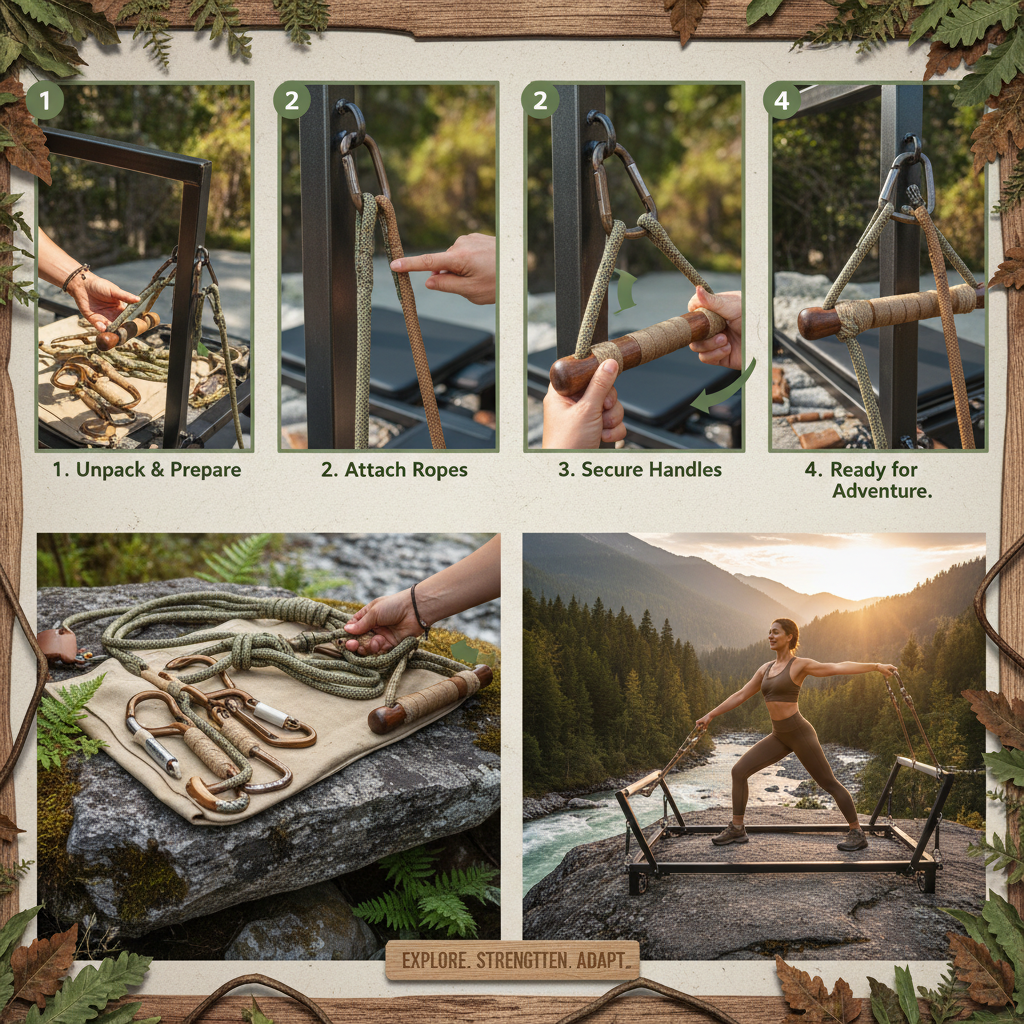
Selecting the right Pilates equipment is often a pivot point between a mediocre home workout and a professional-grade transformation. For those looking to reformer machine buy options, the challenge lies not in finding a machine, but in identifying one that balances structural integrity with the precise resistance needed for therapeutic and athletic growth.
The current market is saturated with varying materials—from lightweight aluminum to heavy hardwoods—and a wide array of spring tensions. This divergence means that a machine designed for a high-traffic commercial studio may be overkill for a residential setting, while a budget-friendly home unit might lack the stability required for advanced athletic maneuvers.
To navigate these choices, it is essential to evaluate the mechanical synergy between the carriage, the spring system, and the frame. This guide analyzes the critical factors of equipment selection, ensuring that your investment aligns with your specific physiological goals and space constraints.


A Pilates reformer is essentially a bed frame with a sliding carriage, powered by a set of springs. The primary mechanical goal is to provide a smooth, consistent resistance that mimics gravity or adds to it, allowing the user to perform exercises with controlled precision. The alignment of the tracks and the quality of the rollers determine whether the movement feels fluid or jittery.
Beyond the carriage, the integration of accessories like the footbar, shoulder rests, and headrests allows the machine to adapt to different body types. In professional manufacturing, such as the processes used by Raetin, these components are not merely additive but are integrated into the structural load-bearing design to prevent warping under heavy use.
The choice between wooden and aluminum frames is often debated based on aesthetics, but the practical differences are significant. Hardwoods like maple, birch, and oak are prized for their natural dampening properties, which absorb some of the vibration during intense movements, providing a "softer" feel. For instance, Raetin utilizes GLC maple wood specifically to ensure that the frame remains stable and resistant to environmental moisture over years of service.
Aluminum and steel frames, conversely, offer a more modern, industrial look and are generally lighter, making them preferable for those who need to move their equipment. However, the structural rigidity of a high-quality wooden frame often provides a more grounded experience during high-resistance work, as there is less "flex" in the chassis compared to thin-walled aluminum.
Regardless of the frame, the internal components must be uncompromising. The use of 304 imported springs is a critical benchmark, as these alloys resist corrosion and maintain their tension coefficient far longer than generic steel springs, which tend to lose elasticity and "set" over time.
Resistance in a reformer is not linear in the way a dumbbell's weight is. Because springs provide tension based on their displacement, the difficulty of an exercise changes throughout the range of motion. This requires a sophisticated spring array—typically a combination of heavy, medium, and light springs—to accommodate everything from deep core stability to explosive leg work.
The efficacy of a reformer depends on the "tension curve." High-grade springs must offer a consistent resistance profile without abrupt jumps in tension, ensuring that the muscular engagement remains fluid and the joints are protected from sudden shocks.
When evaluating equipment, users should look for machines that allow for easy spring switching without compromising the carriage's balance. A poorly designed spring system can cause the carriage to "drift" or slide unevenly, which disrupts the user's proprioception and can lead to improper form.
In a commercial environment, equipment is subjected to constant stress. A studio-grade reformer must prioritize durability and ease of maintenance. This involves using industrial-grade upholstery that resists sweat and oils, as well as reinforced joints that can withstand thousands of cycles of carriage movement daily.
Evaluating these machines requires looking at qualitative indices: stability under load, noise levels during operation, and the precision of the adjustments. A machine that rattles or squeaks not only disrupts the session but often indicates a failure in the tolerance of the moving parts.
The deployment of Pilates equipment varies wildly depending on the setting. In a professional studio, the focus is on versatility and throughput, often requiring a fleet of identical machines for group classes. In contrast, a home gym setup prioritizes a compact footprint and aesthetic integration. This is where the "tower" combo becomes valuable, merging a reformer with a Cadillac-style frame to provide a full suite of exercises in a single station.
For physical therapy centers, the requirements shift toward accessibility and precise control. Clinical settings often require equipment that can be easily modified for patients with limited mobility, emphasizing the need for customized solutions. The ability to tailor the machine—from the upholstery color to the specific spring weights—allows providers to create an environment that reduces patient anxiety and maximizes therapeutic output.
We are seeing a shift toward "hybridization" in the Pilates world. Users are no longer satisfied with a single-purpose machine. This has led to the rise of multi-functional apparatus, such as the Pilates Cadillac Bed and the Reformer Combo, which allow for a seamless transition between different modalities of movement.
Technologically, there is an increasing emphasis on "ergonomic precision." This means that the geometry of the machine is being refined to better support the natural curvature of the spine. The integration of components like the Pilates Spine Corrector alongside the reformer is becoming standard for those seeking a holistic approach to postural correction.
Furthermore, sustainability is entering the conversation. The preference for FSC-certified hardwoods and non-toxic, medical-grade upholstery reflects a broader industry trend toward environmentally conscious manufacturing. Quality is now measured not just by how long a machine lasts, but by the sustainability of the materials used to build it.
When preparing to reformer machine buy, the decision should be based on a weighted matrix of needs. A beginner may prioritize price and ease of use, while a seasoned instructor will prioritize the nuance of the spring tension and the durability of the frame.
The trade-off between cost and quality is most evident in the "hidden" components. Lower-cost machines often use generic springs and lower-grade plywood, which can lead to structural failure or an inconsistent workout experience. Investing in a machine with CE certification and a proven track record of quality inspection—from raw material to final assembly—is a risk-mitigation strategy.
Ultimately, the goal is to find a machine that disappears during the workout. The best equipment does not distract the user with noise or instability; it provides a transparent medium through which the user can focus entirely on their breath and movement.
| Evaluation Factor | Home Grade | Studio Grade | Clinical Grade |
|---|---|---|---|
| Frame Material | Aluminum/Plywood | Hardwood/Steel | Reinforced Hardwood |
| Spring Quality | Standard Carbon Steel | 304 Imported Alloy | Precision-Tuned Alloy |
| Usage Capacity | 1-2 hours/day | 8-12 hours/day | High-Frequency Variable |
| Upholstery | Standard Vinyl | Anti-microbial Leather | Medical-grade Hypoallergenic |
| Adjustability | Fixed/Limited | Comprehensive | Fully Customized |
| Weight Capacity | Moderate | High | Extra-High/Stabilized |
The difference lies primarily in vibration dampening, stability, and longevity. Wooden frames, especially those made from hardwoods like maple or oak, offer superior stability and absorb shocks more effectively, which is often preferred for high-resistance exercises. Aluminum frames are lighter and more portable, making them a better choice for home users with limited space or those who need to move the equipment. However, for a professional studio, hardwood is generally the gold standard for its durability and feel.
Look for the material specification of the springs. High-quality reformers use 304 imported springs or specialized alloys that maintain their tension over hundreds of thousands of cycles. If a manufacturer does not specify the spring material, they are likely using generic carbon steel, which is prone to rusting and losing its "snap" over time. A quality system should provide a smooth, linear resistance without any sudden jerks or audible clicking during the carriage movement.
For users seeking a comprehensive Pilates experience, a combo is highly valuable. It merges the functionality of a reformer with a Cadillac tower, allowing you to perform hanging exercises, stretching, and resistance work that a standard reformer cannot accommodate. If you have the space and budget, it eliminates the need to buy separate apparatus like a Cadillac bed or a ladder barrel, effectively turning your workout area into a full-service studio.
Regular maintenance includes cleaning the carriage rails to remove dust and debris, which ensures smooth gliding. Depending on the design, some rails may require a light application of silicone-based lubricant. Additionally, springs should be visually inspected for any signs of wear or over-stretching. Upholstery should be wiped down with a non-abrasive, pH-neutral cleaner to prevent the material from cracking, especially in high-humidity environments.
Yes, reformers are widely used in clinical settings for rehabilitation. Their ability to provide adjustable, low-impact resistance allows patients to rebuild strength and mobility without putting excessive stress on joints. For clinical use, it is recommended to choose a machine with highly customizable options, such as adjustable headrests and a wide range of spring tensions, to accommodate different stages of recovery and various patient needs.
Verify the manufacturer's certifications (such as CE) and their quality control process. Ensure they provide a clear warranty on the frame and the springs. It is also critical to check the lead time and shipping protection; equipment should arrive on pallets with reinforced cartons to prevent warping during transit. Finally, evaluate the after-sales support—having a professional technical team available for installation and troubleshooting is essential for maintaining studio operations.
Investing in a Pilates reformer is a commitment to long-term physical health and precision movement. By shifting the focus from price to material science—evaluating the grade of the hardwood, the alloy of the springs, and the precision of the mechanical tolerances—buyers can ensure they acquire a tool that supports their growth rather than limiting it.
Whether you are equipping a high-end studio or a dedicated home space, the synergy between a stable frame and a responsive resistance system is what defines a professional experience. Prioritize equipment that balances aesthetic elegance with industrial-grade durability to ensure your practice remains uninterrupted for years to come.