In the evolving landscape of fitness studio management and home gym organization, the exercise ball wall holder has emerged as a critical component for optimizing spatial efficiency. As professional Pilates and yoga studios integrate more diverse equipment, the challenge of managing oversized stability balls often leads to cluttered floors and safety hazards. By transitioning these tools from the floor to the wall, facility managers can create a streamlined environment that enhances both aesthetics and operational flow.
Beyond simple storage, implementing a high-quality exercise ball wall holder represents a commitment to professional standards and user safety. When stability balls are left scattered, they are prone to punctures, collect dust, and can cause trip-and-fall accidents in high-traffic areas. A dedicated wall-mounted system ensures that equipment is stored securely, remains visible for easy access, and preserves the structural integrity of the balls by preventing them from being crushed under other gear.
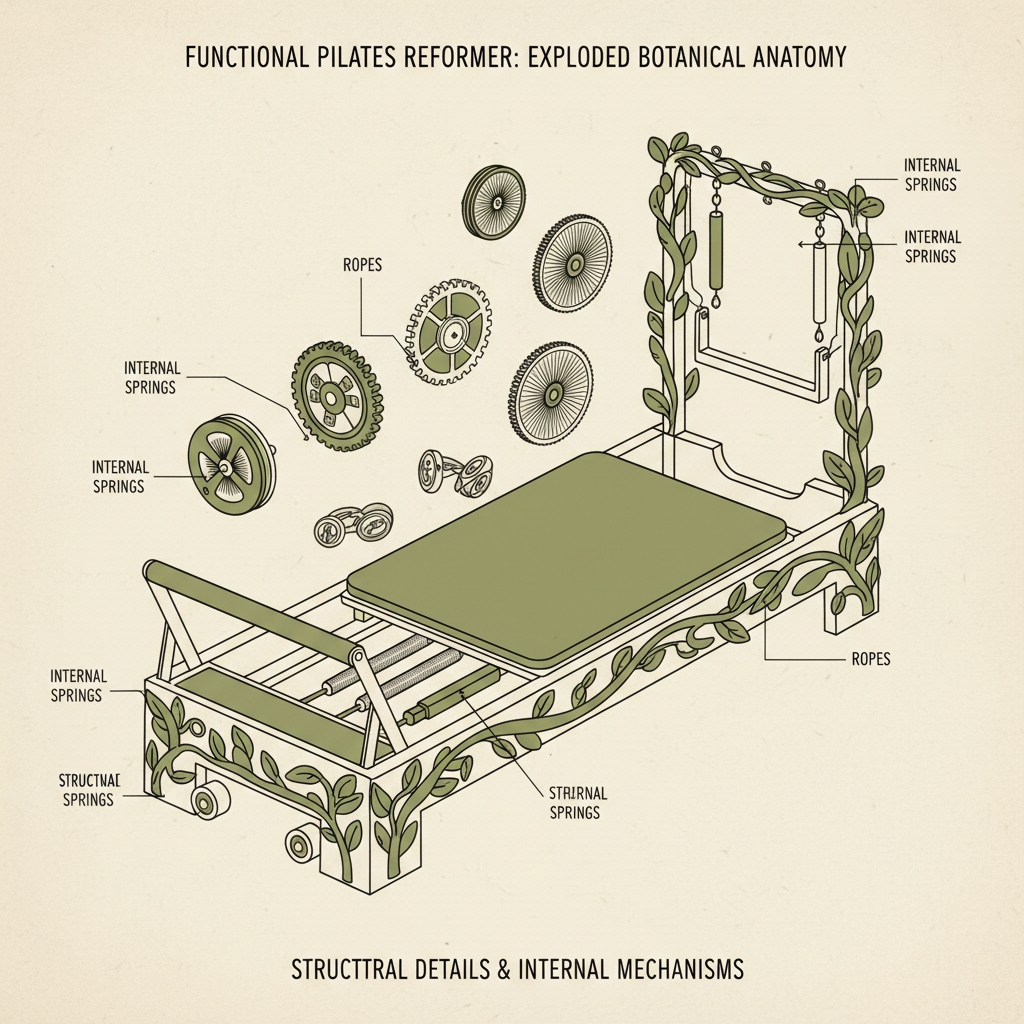
For enthusiasts of Pilates Cadillac Beds, Pilates Reformers, and other specialized apparatus, the integration of a wall-mounting solution completes the ecosystem of a high-end studio. Whether in a commercial health club or a private residence, the exercise ball wall holder bridges the gap between industrial-grade utility and modern interior design, ensuring that the pursuit of wellness is supported by a structured and organized physical environment.
Global Relevance of Exercise Ball Wall Holder Systems
On a global scale, the fitness industry has seen a massive shift toward holistic health, with a surge in the adoption of Pilates and stability training. According to industry trends aligned with ISO quality standards for sports equipment, the demand for specialized storage has grown proportionally to the increase in home gym installations. The exercise ball wall holder is no longer a luxury but a necessity for maintaining hygiene and organization in urban environments where square footage is at a premium.
In regions like North America and Europe, where boutique fitness studios are proliferating, the need for a scalable storage solution is paramount. The challenge lies in the inherent bulkiness of stability balls, which often contradict the minimalist aesthetic of modern studios. By utilizing a wall-mounted approach, businesses can maximize their usable floor area, allowing for more equipment like the Pilates Chair or Ladder Barrel, thereby increasing the revenue potential per square foot.
Defining the Modern Exercise Ball Wall Holder
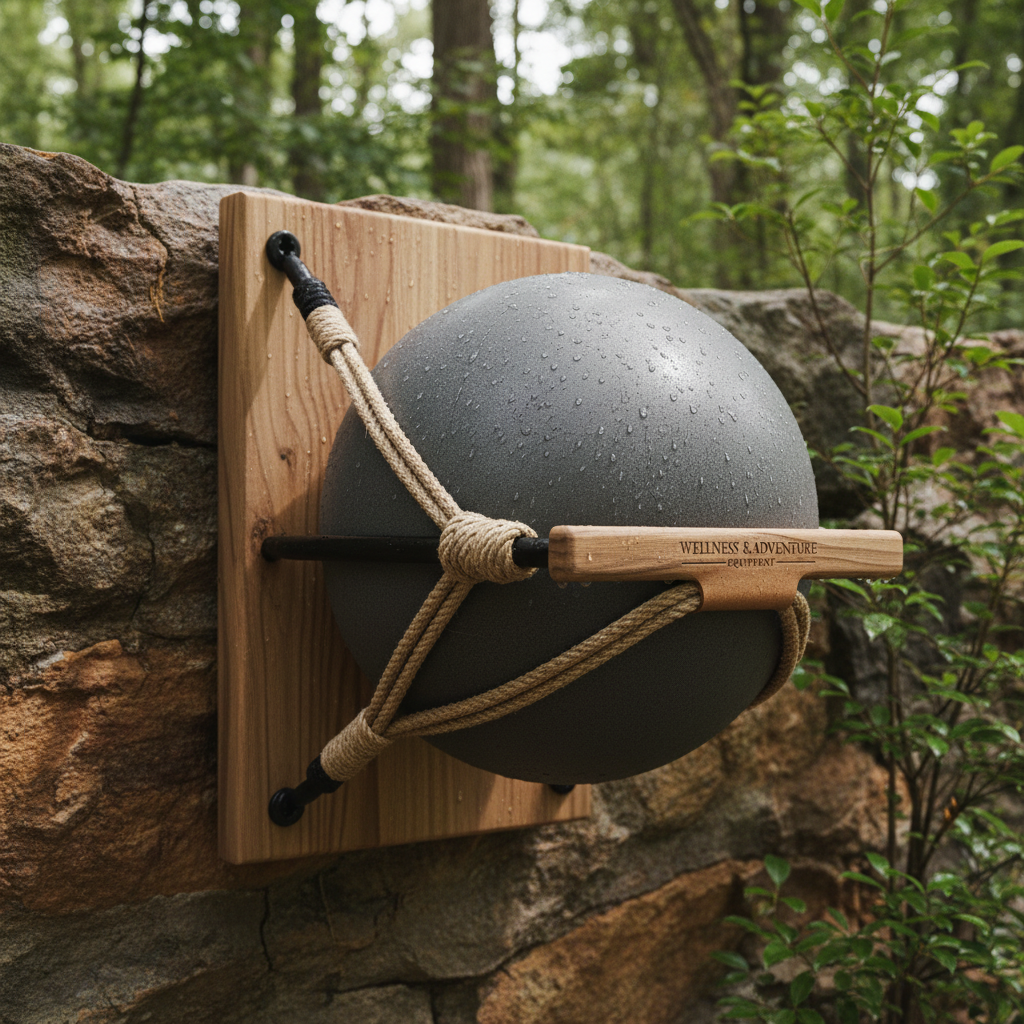
At its core, an exercise ball wall holder is a specialized mounting bracket designed to securely cradle stability balls, yoga balls, or physiotherapy balls against a vertical surface. Unlike floor racks, which still occupy valuable ground space, the wall holder utilizes the vertical dimension of a room, effectively removing the "rolling hazard" from the equation. These holders are typically engineered from high-strength steel, reinforced plastics, or sustainable hardwoods, depending on the intended environment.
In the context of modern industrial design, these holders represent a shift toward "smart storage." They are designed to accommodate various ball diameters—typically ranging from 55cm to 85cm—ensuring versatility for different user heights and exercise intensities. The connection to humanitarian and health needs is evident in physical therapy clinics, where accessibility and a clear path for patients with limited mobility are non-negotiable safety requirements.
Furthermore, the integration of these holders into a comprehensive Pilates studio setup ensures that the equipment remains in a "ready-state." When a ball is stored in a dedicated holder, it is less likely to be deflated by heavy objects leaning against it or contaminated by floor-level debris, extending the lifespan of the equipment and reducing long-term replacement costs for the facility owner.
Core Components and Design Factors
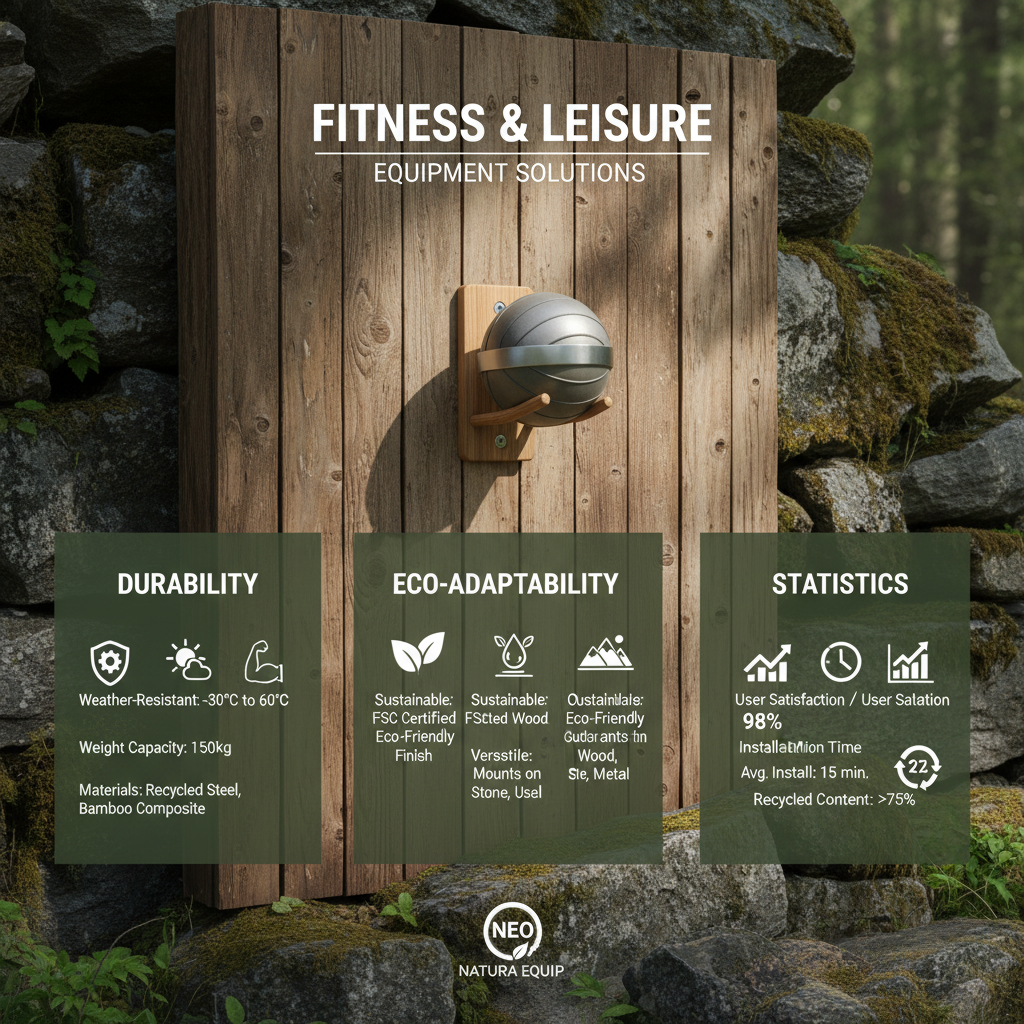
Durability is the primary factor when selecting an exercise ball wall holder. Because these holders must support the weight of the ball plus the force exerted during quick retrieval, the load-bearing capacity of the bracket and the quality of the wall anchors are critical. Industrial-grade powder coating is often applied to metal holders to prevent corrosion and scratching of the ball's surface.
Scalability and versatility allow a facility to grow without needing to redesign its storage. A modular exercise ball wall holder system can be expanded as more students join a class or as a home gym evolves. The ability to adjust the height and spacing of the holders ensures that both children and adults can safely reach the equipment without overstretching.
Cost efficiency is achieved not through the cheapest initial purchase, but through the longevity of the product. A well-engineered holder reduces the frequency of ball replacements by preventing punctures and deformation. When combined with high-end apparatus like a Pilates Spine Corrector, these organized storage solutions contribute to a professional atmosphere that justifies premium membership pricing in commercial settings.
Practical Applications Across Fitness Industries
The application of the exercise ball wall holder spans various professional sectors. In high-end Pilates studios, they are often installed in grids to organize balls by size and color, allowing instructors to quickly assign the correct tool to a client. In corporate wellness centers, these holders help maintain a tidy environment that encourages employees to utilize the space during short breaks without feeling overwhelmed by cluttered equipment.
Beyond the commercial gym, these solutions are vital in medical rehabilitation centers. In post-injury recovery zones, clear walkways are essential for patients using walkers or wheelchairs. By lifting stability balls off the floor, clinics can adhere to strict safety regulations while still providing the necessary tools for core strengthening and balance training.
Effectiveness Comparison of Exercise Ball Wall Holder Designs
Long-Term Value and Safety Advantages
The long-term value of investing in a professional exercise ball wall holder extends beyond simple organization. From a logical perspective, it reduces liability; fewer obstacles on the floor mean fewer potential lawsuits related to accidents. From an emotional perspective, a clean and organized studio fosters a sense of tranquility and trust, signaling to the client that the facility is managed with precision and care.
Furthermore, sustainability is a key advantage. By preventing balls from rolling into high-traffic zones where they can be stepped on or punctured by sharp objects, the holder significantly reduces waste. In an era where eco-friendly gym management is becoming a standard, extending the lifecycle of PVC and rubber equipment is a tangible contribution to environmental sustainability.
Innovations in Storage Materials and Ergonomics
Recent trends in the manufacturing of the exercise ball wall holder are leaning toward the use of aerospace-grade aluminum and recycled polymers. These materials provide a superior strength-to-weight ratio, allowing the holders to be sleeker and less intrusive while supporting heavier, oversized balls. Digital transformation is also entering the space, with some high-end studios implementing "smart racks" that track equipment usage via RFID tags.
Ergonomic advancements have led to the development of "soft-touch" linings. By adding silicone or rubberized inserts to the contact points of the holder, manufacturers have eliminated the risk of surface abrasion on expensive, anti-burst balls. This attention to detail ensures that the equipment is not just stored, but preserved.
Additionally, the move toward "universal fitting" means that a single holder can now accommodate multiple sizes of balls through a sliding mechanism. This innovation reduces the need for multiple types of brackets and simplifies the installation process for gym owners who may change their equipment inventory over time.
Overcoming Installation and Capacity Challenges
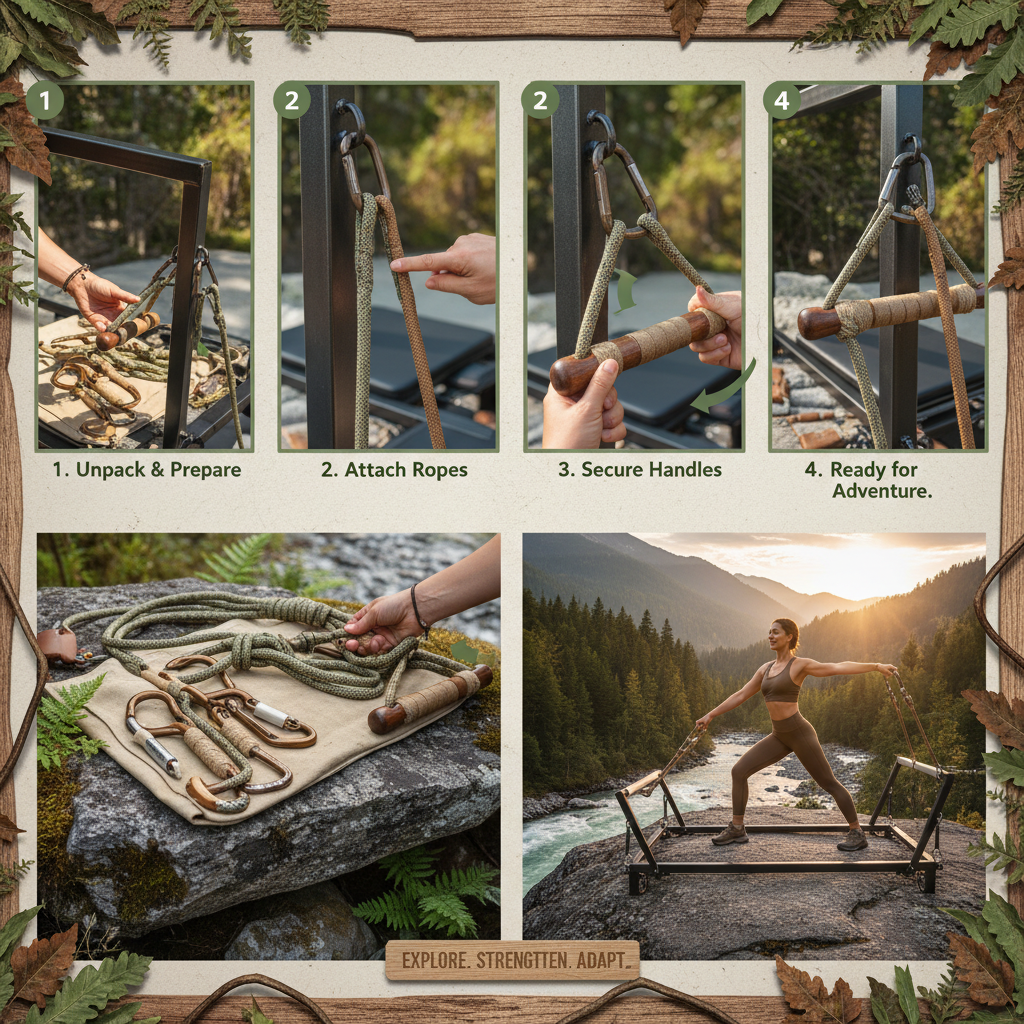
One of the most common challenges in implementing an exercise ball wall holder is the variation in wall materials. Installing brackets into drywall requires different anchoring systems than installation into concrete or brick. Expert insight suggests the use of toggle bolts for hollow walls and expansion anchors for solid masonry to ensure the holder does not sag over time under the weight of the equipment.
Another limitation is the capacity planning for large classes. If a studio has twenty students each needing a ball, a linear arrangement may not be sufficient. The solution lies in staggered vertical mounting, which allows for a higher density of storage without making the balls difficult to retrieve. This "honeycomb" approach maximizes wall utility.
Finally, for those in rented spaces where drilling into walls is prohibited, innovative "tension-pole" systems have emerged. These provide the same benefits as a wall holder—lifting the balls off the floor—while remaining completely non-destructive to the facility's infrastructure.
Analysis of Exercise Ball Wall Holder Installation and Performance Metrics
| Wall Material |
Recommended Anchor |
Stability Score (1-10) |
Installation Ease |
| Drywall/Plaster |
Heavy-duty Toggle Bolt |
7 |
Moderate |
| Concrete |
Expansion Sleeve Anchor |
10 |
Difficult |
| Wood Studs |
Wood Screw (3") |
9 |
Easy |
| Brick/Masonry |
Plastic Wall Plug |
8 |
Moderate |
| Metal Frame |
Self-Tapping Screw |
8 |
Easy |
| Plywood Panel |
Countersunk Screw |
9 |
Easy |
FAQS
No, provided you choose a holder with rounded edges or silicone linings. High-quality exercise ball wall holder systems are specifically designed to distribute the weight of the ball evenly, preventing the flat spots or "dents" that occur when balls are stored on the floor under other equipment.
Most professional holders are designed for standard sizes (55-85cm). However, adjustable models allow you to tweak the grip width. We recommend checking the specific diameter range of your holder to ensure a snug fit that prevents the ball from slipping out while remaining easy to remove.
Wall holders are superior for maximizing floor space and improving safety. Floor racks, while useful, still create a footprint that can obstruct movement during a session. For studios utilizing Reformers and Cadillac Beds, wall-mounting is the optimal choice to keep the workout zone clear and professional.
A single bracket is designed for one ball. However, when installed in a series, the limit is determined by your wall's load-bearing capacity rather than the holder itself. For high-capacity needs, we suggest spacing holders 12-18 inches apart vertically to ensure easy retrieval.
For basic wood or drywall installation, a standard drill and screwdriver are sufficient. However, for concrete or brick walls, a hammer drill and masonry bits are required to ensure the anchors are secure and the system remains stable under daily use.
Yes, industrial-grade exercise ball wall holder units are constructed from reinforced steel and are more than capable of supporting the heavier, high-burst-strength balls used in clinical rehabilitation settings.
Conclusion
In conclusion, the implementation of an exercise ball wall holder is a strategic upgrade for any fitness environment, blending safety, efficiency, and professionalism. By addressing the logistical challenge of oversized equipment, these systems not only free up valuable floor space but also protect the longevity of the equipment and the safety of the users. From the choice of materials to the precision of installation, every detail contributes to a more streamlined and inspiring wellness space.
Looking forward, as the integration of Pilates and stability training continues to grow globally, the demand for smarter, more ergonomic storage solutions will only increase. We encourage studio owners and home gym enthusiasts to move beyond makeshift storage and invest in dedicated wall-mounting systems. By doing so, you create a professional ecosystem that supports a higher standard of health and organization. Visit our website for more professional equipment solutions: www.pilatesports.com