
Pilates Reformer with Trampoline – The Ultimate Hybrid Fitness and Rehab Device
Discovering the Pilates Reformer with Trampoline: Why It’s Gaining Global Attention
If you’re into fitness or rehabilitation, you’ve likely heard of a Pilates reformer. But add a trampoline to the mix, and suddenly we’re talking about a device that’s catching attention worldwide for its versatility and unique approach to movement training. The pilates reformer with trampoline isn’t just a fancy mashup; it’s an innovation helping people improve balance, core strength, and agility in a low-impact way, which makes it especially popular in the rehab world, home gyms, and professional studios alike.
Globally, the rise in fitness-conscious lifestyles, paired with climbing awareness of injury prevention, has fueled interest in hybrid equipment. According to the World Health Organization, one in three adults globally is insufficiently active, contributing to health costs and reduced productivity. Tools like the reformer with trampoline provide a fun, functional solution to get people moving without strain. Simple, effective, and somewhat playful — it’s a workout and therapy device rolled into one.
Mini takeaway: The Pilates reformer with trampoline fits perfectly in a world demanding healthier, smarter, and engaging exercise options that support recovery and overall wellness.
Introduction: The Global Fitness and Wellness Context
Fitness industries worldwide are shifting; innovation leads the way as people seek more personalized and enjoyable workouts. Interestingly, the global fitness market, worth over $100 billion USD as of 2023 (source: Statista), shows rapid growth in Pilates equipment sales — and the reformer is at the forefront. However, many traditional Pilates reformers offer limited dynamic movement, which the integration of a trampoline changes profoundly.
This hybrid equipment is addressing a prevalent challenge: how to improve mobile stability and cardiovascular engagement simultaneously without overstressing the joints. In aging populations—expected to make up over 21% of the global populace by 2050 (UN data)—low-impact, multi-dimensional workouts like those provided by the reformer with a trampoline are more than just trendy; they’re essential.
Mini takeaway: Pilates reformers with trampolines help fill a gap where traditional workouts miss: safe, functional, full-body conditioning that meets demographic and global health shifts.
What Exactly Is a Pilates Reformer with Trampoline?
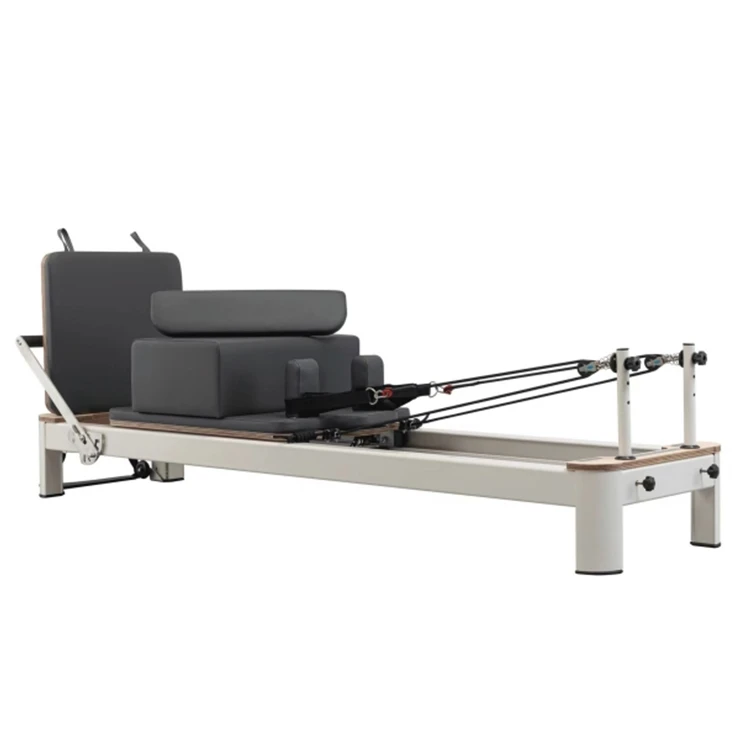
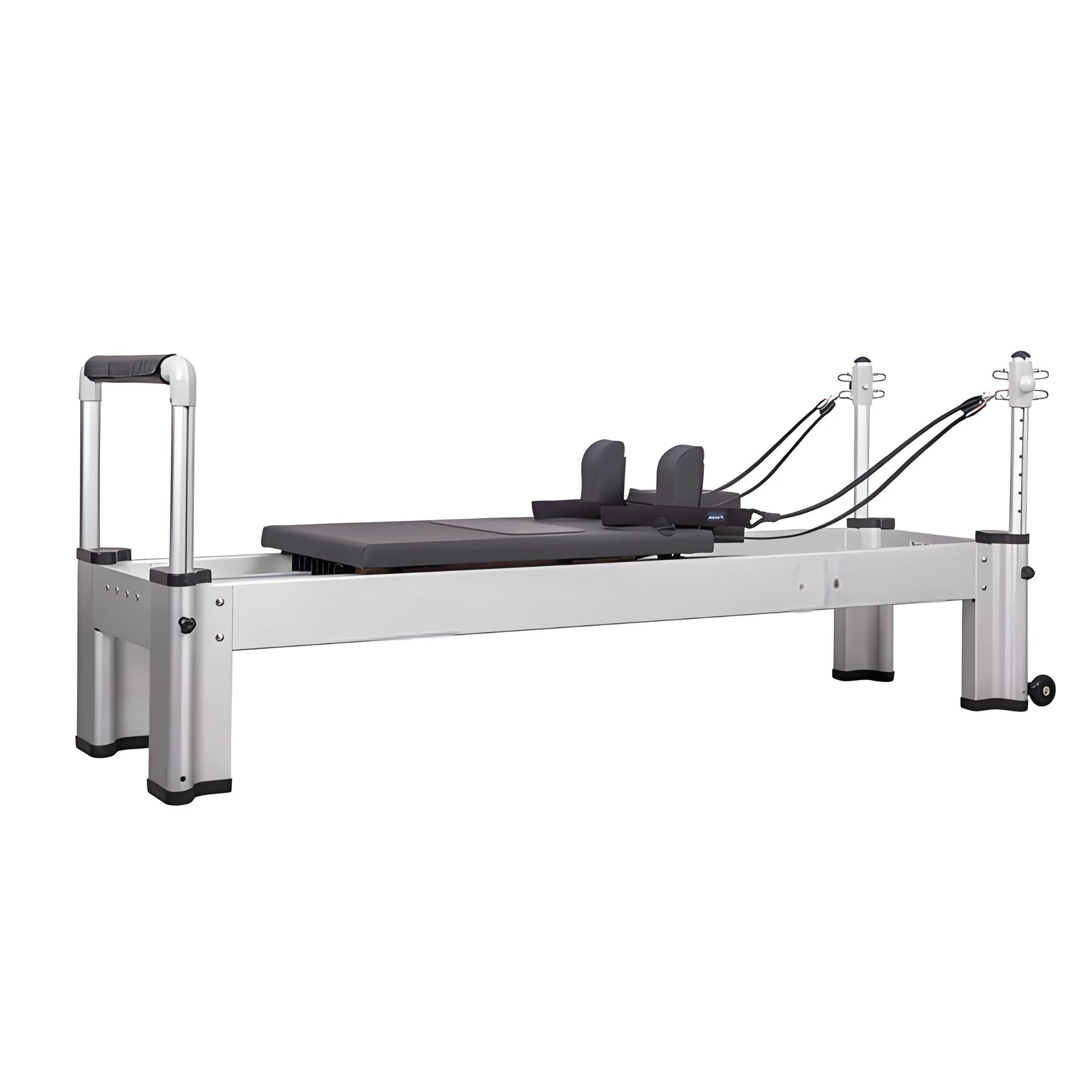
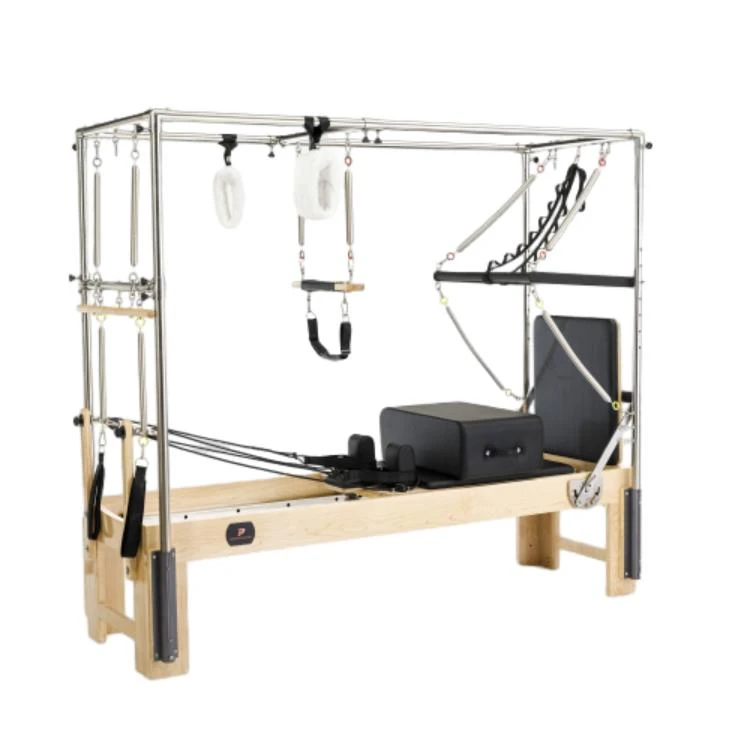
At its core, a Pilates reformer with trampoline combines the classic reformer platform—known for its sliding carriage, adjustable springs, and pulleys—with a miniature trampoline surface typically placed on or incorporated within the reformer carriage. This adds a spring-loaded bounce that enhances plyometric exercises and dynamic balance work.
The connection to industries beyond fitness is pretty striking. Physical therapy clinics, sports rehabilitation centers, and even eldercare facilities use these machines because they encourage proprioceptive training (improving body awareness) and neuromuscular coordination. It’s modern exercise meeting healthcare needs in a neat package.
Core Components of the Pilates Reformer with Trampoline
1. Stability and Support System
The reformer's frame is built to withstand diverse user weights while maintaining a secure, wobble-free experience. Manufacturers often use powder-coated steel or reinforced aluminum for that sturdy but smooth sliding carriage.
2. The Trampoline Surface
Unlike a standalone trampoline, the tiny rebound surface here must have calibrated elasticity—too soft and it loses effectiveness; too stiff and it strains joints. High-quality micro-bungee or latex springs often provide the “just-right” bounce.
3. Adjustable Resistance Settings
This is a deal-breaker for adaptability. Resistance springs can be dialed up or down, tailoring workouts from beginner rehabilitation to intense athletic training. Flexibility in resistance means the reformer remains relevant as users progress.
4. Safety Features
Safety is paramount. Rounded edges, non-slip foot bars, padded platforms, and secure straps make this equipment accessible not just to gym athletes but also to seniors and recovering patients.
5. Portability and Space Efficiency
While traditional Pilates reformers can be bulky, hybrid models are increasingly designed to fold or be compact — ideal for smaller studios and home gyms.
Mini takeaway: The blend of durability, bounce, adaptability, safety, and portability gives the reformer-trampoline combo its unique punch in the fitness and rehab worlds.
Global Applications and Use Cases
- Rehabilitation Clinics: Physical therapists use the reformer with trampoline to expedite recovery from ankle sprains, knee surgeries, and even neurological injuries thanks to enhanced balance training.
- Fitness Studios: Urban gyms from New York to Tokyo incorporate this equipment to add dynamic fun and results-driven workouts for Pilates enthusiasts.
- Senior Care Facilities: Improving gait and preventing falls among the elderly is a massive concern. This hybrid machine offers a safe, engaging option that addresses these exactly.
- Sports Training Centers: Athletes benefit from its plyometric and balance challenge to optimize performance without impact.
Oddly enough, in some countries with limited gym infrastructure, portable Pilates reformers with trampolines are being donated by NGOs to community centers to encourage functional fitness, underscoring its blend of accessibility and effectiveness.
| Feature | Specification |
|---|---|
| Frame Material | Powder-coated steel or aluminum alloy |
| Trampoline Surface | Micro-bungee fabric with latex springs |
| Resistance Springs | 5 levels, adjustable |
| Max User Weight | 300 lbs (136 kg) |
| Dimensions (L×W×H) | 84” × 24” × 14” (213 × 61 × 36 cm) |
| Weight | 45 lbs (20.4 kg) |
Advantages & Long-Term Value of Pilates Reformer with Trampoline
The benefits are kind of like a two-for-one deal. For one, low impact means less joint wear, which is increasingly important for sustaining an active lifestyle into later years. The trampoline adds that extra dimension of fun — something many users report keeps them coming back. Emotionally, that’s huge: motivation often hinges on enjoyment.
Technically, the versatility to combine traditional Pilates strength training with agility and plyometrics leads to better movement patterns and injury resilience. Plus, investing in a hybrid device can reduce the need for multiple single-use machines.
Long term, studios and individuals appreciate that it complements standard workouts and therapies but also keeps pace as goals evolve — a truly sustainable fitness investment.
Future Trends & Innovations in Pilates Equipment Design
Looking forward, manufacturers are working on integrating smart sensors to track movement quality, offering instant biofeedback to users and instructors alike. The rise of eco-conscious consumers also pushes material innovation towards recycled, sustainable composites rather than metals or synthetics that carry higher environmental footprints.
Moreover, digital transformation means hybrid devices like the reformer with trampoline could eventually come paired with augmented reality (AR) programs, projecting exercise guidance or virtual coaching onto the device or nearby screens.
Automation for adjusting resistance or tension remotely is another likely enhancement, making setup simpler and more precise.
Challenges & Solutions
Certainly, the hybrid's complexity sometimes intimidates new users, especially those unfamiliar with Pilates principles. The learning curve can delay adoption. Providers have tackled this by developing beginner-friendly programs and online tutorials — you might also check local certified training courses for hands-on instruction.
Another challenge is price: more parts and customization mean costlier equipment than standard reformers or simple trampolines. Yet, many users say the added versatility justifies the investment over time.
FAQ: Common Questions About Pilates Reformer with Trampoline
- Q1: Is the Pilates reformer with trampoline safe for beginners?
- A: Yes! While it looks advanced, beginners are encouraged to start with low bounce settings and under guided instruction to build confidence and control.
- Q2: Can it help with rehabilitation after injury?
- A: Absolutely. Its low-impact nature and balance challenges make it ideal for physical therapy, especially for lower limb and core recovery.
- Q3: How much space do I need for this hybrid equipment?
- A: Typically, it requires a space slightly larger than a yoga mat (about 7 feet by 3 feet), making it suitable for home gyms and studios alike.
- Q4: How durable is the trampoline surface compared to a standalone trampoline?
- A: The surface is designed for controlled rebound, which often extends lifespan due to less brutal impact and specialized materials engineered for consistent tension.
- Q5: Where can I buy a high-quality Pilates reformer with trampoline?
- A: Reliable vendors include both specialist Pilates equipment manufacturers and select fitness brands. We’ll dive into a quick comparison below.
| Vendor | Price Range | Features | Warranty | Best For |
|---|---|---|---|---|
| Pilatech Pro | $2,500 - $3,000 | Adjustable bounce, steel frame, modular accessories | 5 years | Studios & Professionals |
| BounceFit Essentials | $1,700 - $2,100 | Lightweight, foldable, beginner friendly | 3 years | Home Use & Rehab |
| FlexJump Performance | $3,200 - $3,700 | Smart sensor integration, high resistance range | 7 years | Athletes & Advanced Users |
Conclusion: Why the Pilates Reformer with Trampoline Could Be Your Next Best Move
In summary, pairing the agility and bounce of a trampoline with the controlled strength of a Pilates reformer creates a surprisingly powerful tool. It meets diverse needs from rehabilitation to elite athletic training with safety and fun factored in. The future looks bright, with tech-enhanced and eco-friendly models just around the corner.
If you’re intrigued and want to explore your options, a good starting point is to visit pilates reformer with trampoline, where you’ll find in-depth info and the latest models for all skill levels.
Whether for rehab, fitness, or curiosity, this hybrid machine might just reshape your idea of movement.
References
Latest news
-
Professional Pilates Cadillac Reformer for Sale and Buyer GuideNewsApr.16,2026
-
Professional Guide to Finding the Best Pilates Cadillac for SaleNewsApr.09,2026
-
Find the Perfect Cadillac Reformer Combo for Sale and Elevate Your Pilates PracticeNewsApr.07,2026
-
Choosing the Ideal Wooden Pilates Reformer Machine for Your Fitness JourneyNewsApr.04,2026
-
Choosing the Right Wooden Pilates Equipment for Studio and Home UseNewsMar.31,2026
-
Understanding the Versatility and Benefits of the Wood Reformer for PilatesNewsMar.28,2026
- Address
- Room 1601, 1302, Building A, Zijingguandi, Qiaodong District, Xingtai City, Hebei Province, China
- Sandra@raetin.com
- Phone
- +86 18231139331