
Pilates Machine Gym: Innovative Fitness Meets Rehab & wellness
Discovering the Pilates Machine Gym: A Global Wellness Revolution
At first glance, "pilates machine gym" might just sound like another fitness fad. But peel back the layers, and it’s a fascinating intersection of health, technology, and global wellness culture. Pilates, with its roots in early 20th-century physical therapy, evolved from mat workouts to specialized machine-based regimens, offering precision, adaptability, and targeted muscle engagement.
Why does this matter on a global scale? Because the pilates machine gym concept responds to the rising worldwide demand for effective, low-impact workouts suitable for all ages — and as countries deal with aging populations and chronic health conditions, the value of such machines is only growing. Understanding pilates machine gyms isn't just fitness trivia; it taps into questions about sustainable wellness, rehab innovations, and how modern gyms are adapting equipment to meet real-world needs.
The Global Pulse: Why Pilates Machine Gyms Matter Today
There’s no denying it: The global fitness market is exploding, expected to hit USD 105 billion by 2027, according to Statista. Pilates gyms with machine setups form a niche, but a potent one. According to the World Health Organization, sedentary lifestyles contribute to nearly 5 million deaths yearly due to cardiovascular disease alone, motivating billions to seek movement-friendly solutions.
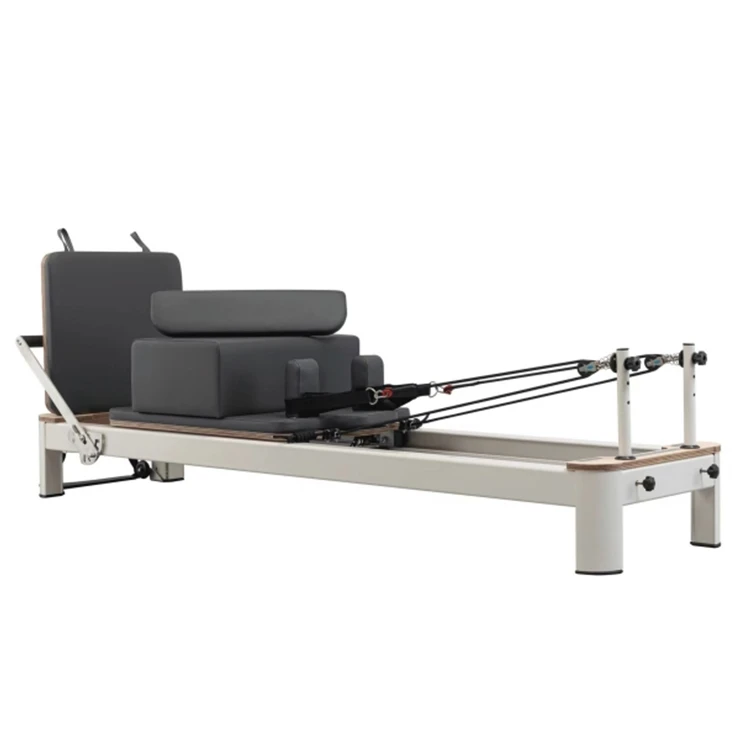
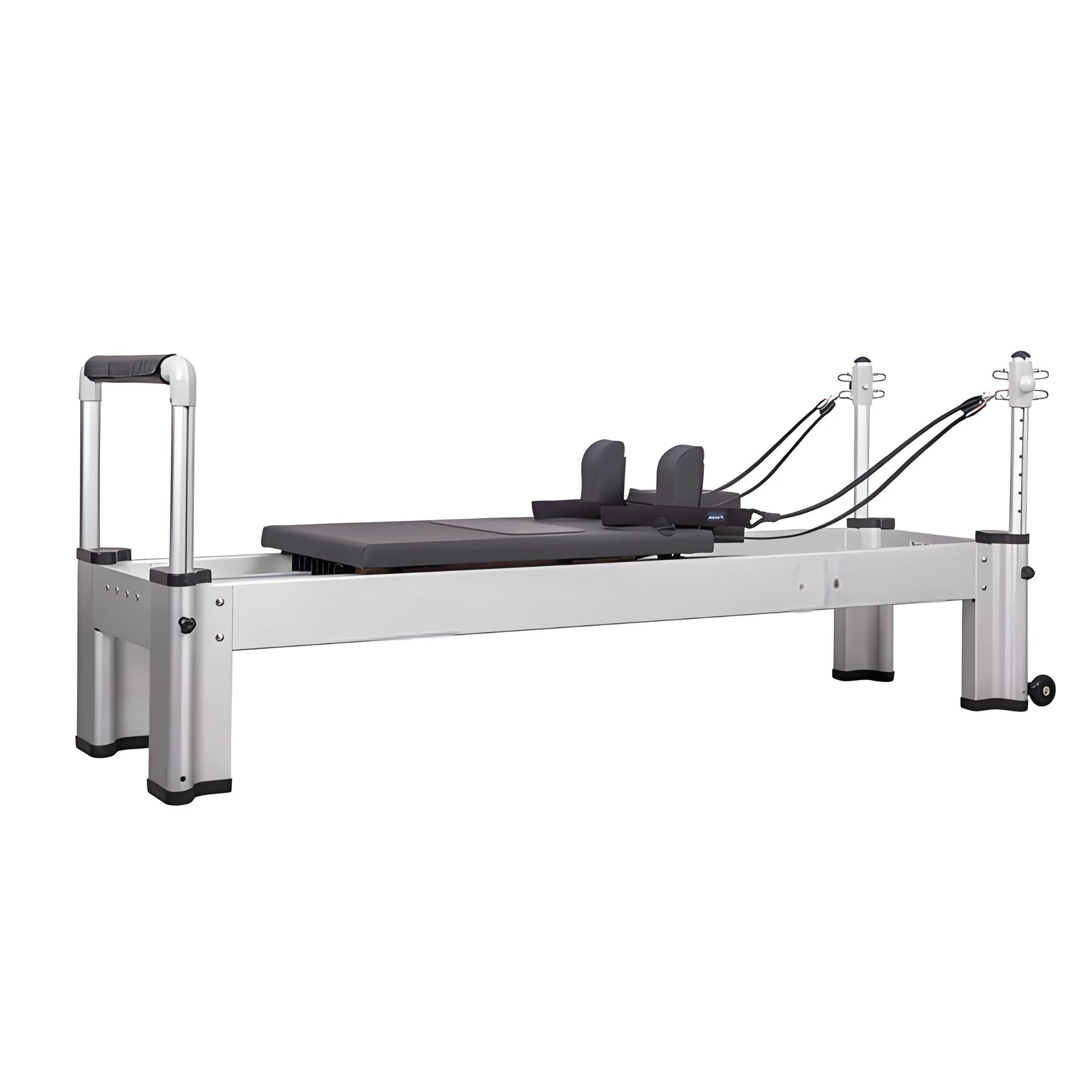
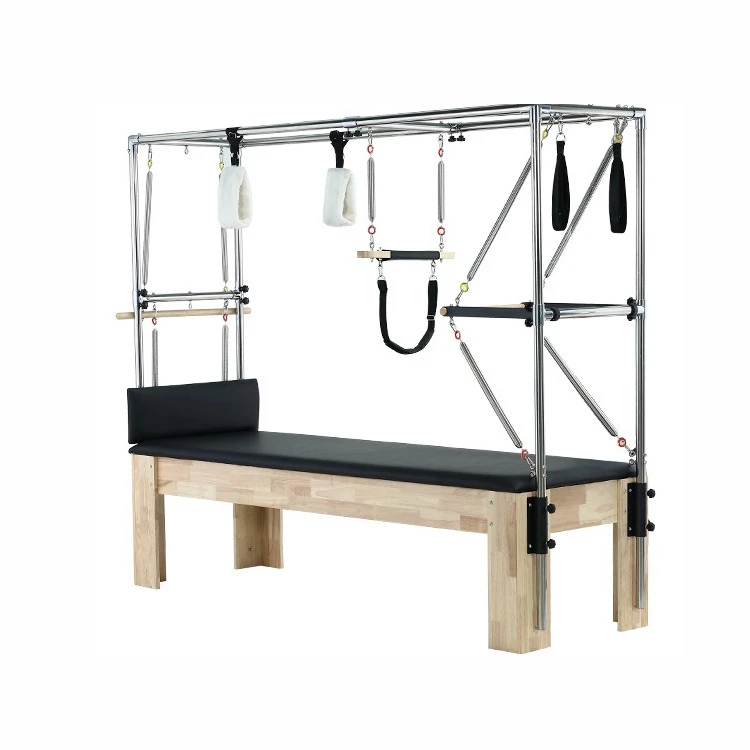
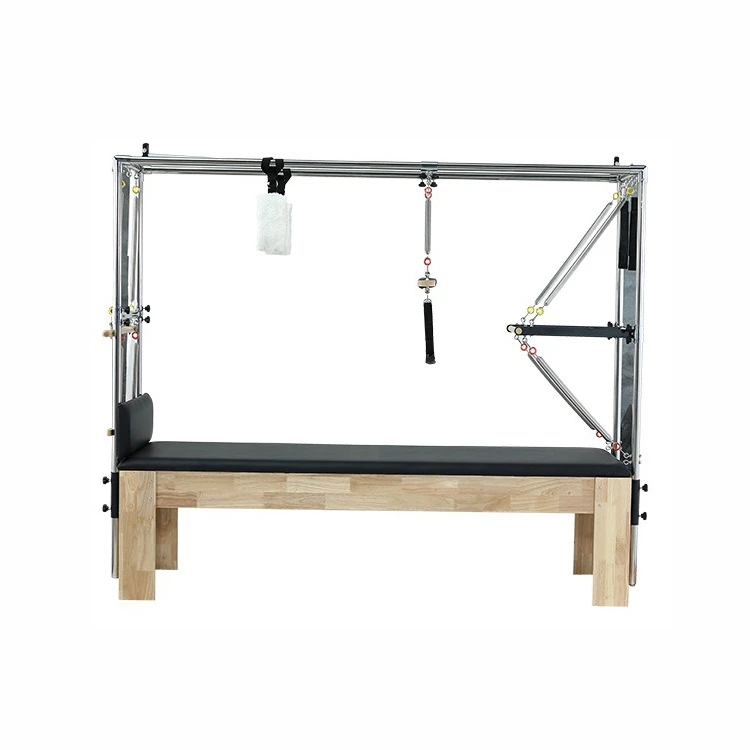
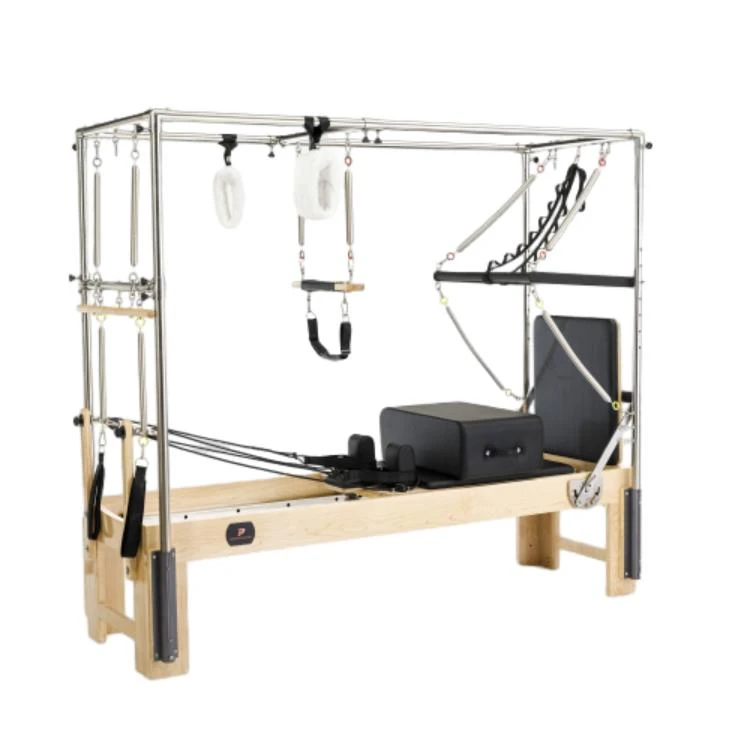
However, traditional gyms tend to emphasize lifting or high-impact cardio, often sidelining those with joint issues or rehabilitation needs. Here, pilates machine gyms step up. They offer low-impact resistance training with spring-loaded apparatus like the Reformer, Cadillac, or Wunda Chair, minimizing injury risk while enhancing flexibility and core strength.
So, the challenge pilates machines address isn't just fitness — it’s about inclusivity and rehabilitation, offering a pathway to wellness across demographics, exercise levels, and physiological conditions.
What Exactly Is a Pilates Machine Gym?
Simply put, a pilates machine gym integrates traditional Pilates exercises with specialized equipment designed to provide adjustable resistance and support. Unlike mat-based Pilates, which relies on body weight and gravity, machine Pilates uses apparatus made from springs, pulleys, and bars to target muscles precisely.
These fitness studios focus predominantly on machinery, creating an environment where users can personalize workouts to their strength, flexibility, and endurance. In industrial terms, these gyms are highly adaptable — suitable for rehabilitation centers, sports facilities, and even corporate wellness programs. The humanitarian angle is evident in physical therapy clinics worldwide, where pilates machines offer effective recovery options for injured or disabled individuals.
Key Components of Pilates Machines
- Adjustable Resistance Springs – Mechanically calibrated to increase or decrease workout intensity.
- Sliding Carriages or Platforms – Facilitate gliding motions, essential for fluid, controlled exercises.
- Straps and Pulleys – Allow upper and lower body targeting with balanced tension.
- Stable Frames – Typically built from wood or metal, ensuring durability and safety.
Decoding the Core Factors of a Pilates Machine Gym
1. Durability and Build Quality
Most pilates machines balance wood elegance and sturdy metals like stainless steel. This combination creates a machine that’s not only functional but can sustain continuous gym use — kind of like furniture that doubles as fitness equipment. Many experts notice those well-engineered frames last over 15 years if maintained correctly. This longevity matters because in commercial gym setups, replacement costs can throw budgets off track.
2. Customization and Scalability
Whether you cater to Olympic athletes or seniors recovering from injury, machines that adjust tension and positions via springs and straps are a must. The adaptability makes the pilates machine gym model scalable—from boutique studios to large wellness centers accommodating dozens at a time.
3. Cost Efficiency
At first, some gym owners hesitate because pilates machines can have an upfront price of around $3,000 to $7,000 each. But since they host a wide range of exercises and user profiles, they often reduce the need for multiple other machines. From a long-term perspective, you’re investing in versatility, which also boosts member retention.
4. Safety Features
Spring-loaded resistance can be intimidating for newcomers, so ergonomic design elements and user instruction are critical. Machines often include padded areas, smooth sliding parts, and clearly marked adjustment settings to mitigate injury risk.
5. Space and Design Considerations
Compared to elliptical machines or treadmills, pilates machines do require a bit more floor space. However, their sleek designs often double as fitness studio décor — adding an element of calm and professionalism rather than clunky machinery chaos.
Global Applications and Real-World Use Cases
From California’s chic pilates machine gym studios that serve celebrities, to Scandinavian rehabilitation centers aiding injury recovery with machine Pilates, the reach is broad. In Asia, urban wellness centers integrate machines to counteract sedentary lifestyles intensified by desk work cultures. Australia’s growth in aging populations led to government-funded pilot programs using modular pilates gyms in community centers to foster safe activity and strength building among seniors.
Even sports teams worldwide leverage machine Pilates to improve athletes' core strength and injury resilience—the New Zealand Rugby team being a notable example.
Humanitarian fields have begun using portable Pilates machine gyms for trauma recovery post-natural disasters, particularly in regions where traditional gym infrastructure isn't feasible.
Advantages and Long-term Value of Pilates Machine Gym Solutions
- Comprehensive Muscle Engagement: Offers focused strengthening that traditional gyms sometimes miss.
- Enhanced Safety and Injury Prevention: Low-impact machines make exercise accessible to all.
- Emotional and Mental Benefits: The mindful movement that Pilates encourages supports stress reduction and body awareness.
- Durability and Longevity: High-quality machines mean less frequent replacement, a logical money-saver.
- Community Building: Many pilates machine gyms foster tight-knit groups and repeat clientele, helping with business sustainability.
Looking Ahead: Future Trends in Pilates Machine Gym Industry
The future feels exciting. We see smart resistance settings responding to biometric feedback, integrating AI and cloud connectivity so trainers can remotely adjust machines or analyze progress. Eco-conscious materials are making waves, replacing heavy woods with recycled composites and biodegradable plastics without sacrificing durability.
Virtual reality integration offers “immersive” Pilates experiences, layering guided coaching and ambient environments in studio or home set-ups. On a policy level, the wellness industry is increasingly recognized by global bodies like ISO for standards in equipment safety and efficacy, spurring innovation and trust.
Challenges and How the Industry is Addressing Them
Cost remains the biggest barrier for many potential gym owners and users. While the equipment is versatile, affordability drops off for smaller or community-based centers. To bridge this gap, rental programs and financing options are gaining popularity — something I’ve personally noticed in urban areas where startups want Pilates machine gyms but lack capital.
Technical know-how is another hurdle. Proper instructor training programs and certification schemes are expanding, making sure users get maximum benefit and minimal injury risk. Plus, machine designs are trending more user-friendly, with simpler adjustment mechanics and clearer user interfaces.
Frequently Asked Questions About Pilates Machine Gyms
- Q: How does a pilates machine gym differ from a traditional gym?
- A: Unlike traditional gyms focusing on cardio or weightlifting, pilates machine gyms emphasize controlled, low-impact resistance training using specialized apparatus, making it suitable for rehab and flexibility.
- Q: Are pilates machine gyms suitable for elderly or injured individuals?
- A: Absolutely. The adjustable resistance and supportive design make the machines ideal for seniors, injury recovery, and those with limited mobility.
- Q: What kind of maintenance do pilates machines require?
- A: Periodic checks on springs and sliding parts, cleaning upholstery, and verifying safety settings usually keep machines in top shape. Most vendors provide maintenance guides.
- Q: Can I integrate pilates machines into a multi-function fitness center?
- A: Yes, many gyms successfully combine pilates apparatus alongside cardio and weight sections to offer comprehensive fitness solutions.
- Q: How can I find certified instructors for pilates machine gyms?
- A: Look for certifications from recognized bodies like the Pilates Alliance International, or industry-approved training academies. Many vendors offer partnerships with instructor networks.
Product Specification Table: Common Pilates Machine Features
| Feature | Typical Specification | Notes |
|---|---|---|
| Frame Material | Maple Wood & Stainless Steel | Durable and aesthetic |
| Resistance Springs | 5 - 12 Springs Adjustable | Variable tension levels |
| Sliding Carriage Size | 70" L x 24" W | Allows smooth gliding movement |
| Max User Weight | 300 lbs (136 kg) | Supports wide range of users |
| Safety Features | Non-slip Surfaces, Padding | Essential for injury prevention |
Vendor Comparison: Leading Pilates Machine Providers
| Brand | Price Range | Customization Options | Warranty | Ideal For |
|---|---|---|---|---|
| Balanced Body | $4,000 - $6,500 | Wide spring tension choices, adjustable platform | 5 years | Professional studios, rehab centers |
| Merrithew | $3,500 - $7,000 | Ergo-adjust handles, multiple frame finishes | 3 years | Boutique gyms, home users |
| Stamina | $1,200 - $2,500 | Basic spring system, fixed frame | 1 year | Entry-level, home use |
Final Thoughts: Why the Pilates Machine Gym Stands Out
From a personal perspective, the pilates machine gym is more than just equipment—it’s an invitation to move thoughtfully, respect your body’s limits and ambitions, and join a worldwide movement toward holistic wellness. It’s a corner where health technology meets tradition, exactly the kind of elegant fusion modern lifestyles crave. Curious? Visit our website at pilates machine gym for more insights and gear up for a smarter workout.
References
Latest news
-
Professional Pilates Cadillac Reformer for Sale and Buyer GuideNewsApr.16,2026
-
Professional Guide to Finding the Best Pilates Cadillac for SaleNewsApr.09,2026
-
Find the Perfect Cadillac Reformer Combo for Sale and Elevate Your Pilates PracticeNewsApr.07,2026
-
Choosing the Ideal Wooden Pilates Reformer Machine for Your Fitness JourneyNewsApr.04,2026
-
Choosing the Right Wooden Pilates Equipment for Studio and Home UseNewsMar.31,2026
-
Understanding the Versatility and Benefits of the Wood Reformer for PilatesNewsMar.28,2026
- Address
- Room 1601, 1302, Building A, Zijingguandi, Qiaodong District, Xingtai City, Hebei Province, China
- Sandra@raetin.com
- Phone
- +86 18231139331