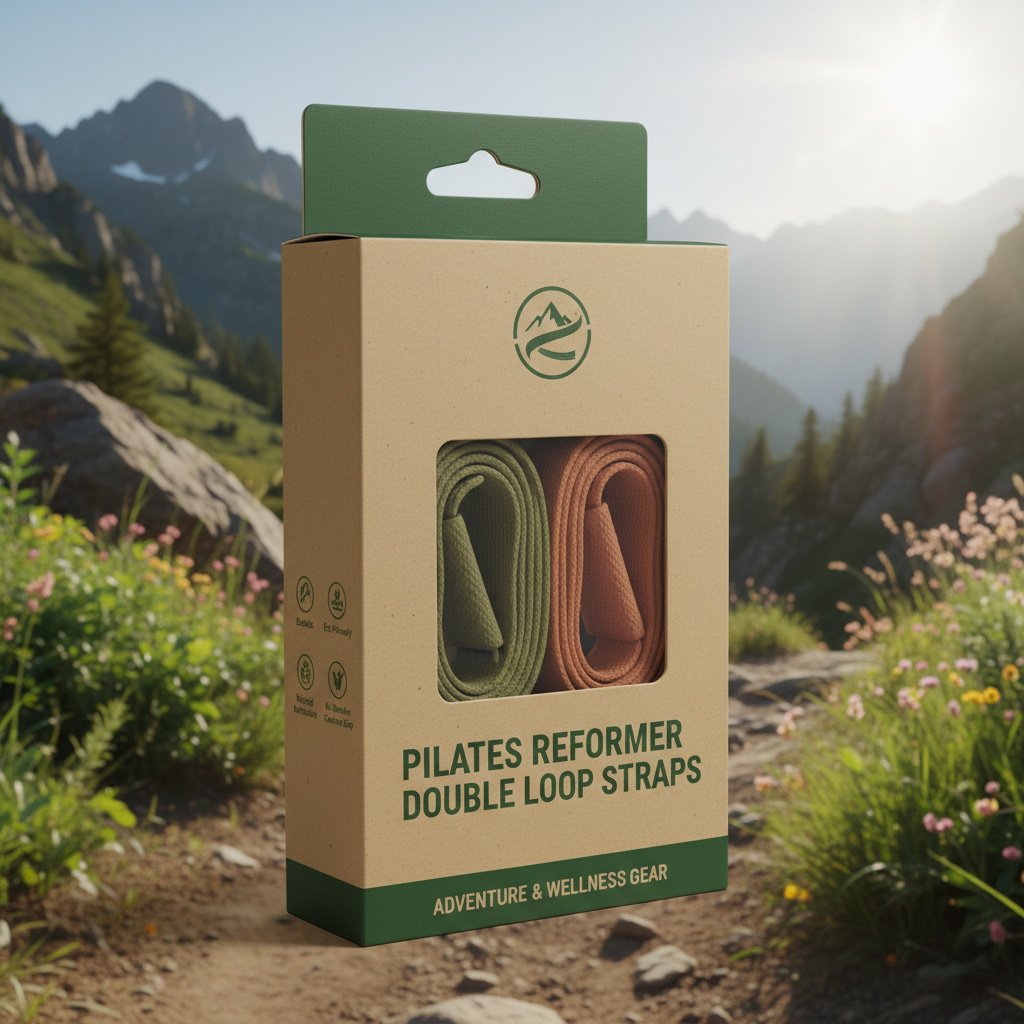
Pilates reformer straps are essential components in a comprehensive Pilates practice, offering a versatile way to modify exercises and increase the challenge for practitioners of all levels. They represent a significant evolution in Pilates equipment, expanding the possibilities for resistance, assistance, and overall workout customization. Understanding the nuances of these straps – their materials, functionality, and proper application – is crucial for both instructors and individuals seeking to maximize the benefits of reformer Pilates. They've become increasingly sophisticated over the years, reflecting advancements in materials science and a deeper understanding of biomechanics.
The global Pilates industry is experiencing substantial growth, driven by increasing awareness of its health benefits and a growing emphasis on functional fitness. According to recent reports, the Pilates market is projected to reach billions of dollars in the coming years, with reformer Pilates being a significant contributor to this expansion. This growth necessitates a robust supply chain for high-quality accessories like pilates reformer straps, ensuring accessibility and safety for a wider audience. Demand for these straps is also fueled by the rise of boutique fitness studios and the increasing popularity of online Pilates classes.
Pilates reformer straps aren't just about adding resistance; they’re about precise control and mindful movement. They allow users to isolate specific muscle groups, improve posture, and enhance core strength. Properly utilizing these straps requires a foundational understanding of Pilates principles and careful attention to alignment. The availability of diverse strap options – varying in length, width, and material – allows for tailored exercises catering to individual needs and fitness goals.
Introduction: Global or Industry Context
The use of pilates reformer straps extends far beyond specialized studios; they're increasingly integrated into physiotherapy clinics, athletic training facilities, and even home fitness routines globally. The demand for effective rehabilitation tools and accessible fitness solutions drives this widespread adoption. Statistics show a growing number of individuals seeking low-impact exercise options, and Pilates, facilitated by reformer straps, directly addresses this need. This trend is amplified by an aging population seeking to maintain mobility and prevent age-related decline.
The Pilates industry, valued at multi-billion dollars, relies heavily on the consistent quality and innovation of supporting equipment like pilates reformer straps. Disruptions in the supply chain – whether due to material shortages or geopolitical factors – can significantly impact the availability and cost of these essential accessories. Ensuring sustainable manufacturing practices and ethical sourcing of materials is becoming increasingly important for both consumers and industry stakeholders.
A key challenge facing the industry is ensuring consistent quality control across various manufacturers. The varying quality of pilates reformer straps can pose safety risks and hinder effective training. There's a growing need for standardized testing and certification processes to guarantee that straps meet specific safety and performance requirements. This is further complicated by the rise of counterfeit products and the need to educate consumers about identifying genuine, high-quality straps.
Definition & Meaning
Pilates reformer straps, also known as loop straps or foot straps, are adjustable straps used on Pilates reformers to secure the hands or feet during exercises. They provide a point of resistance or assistance, enabling a wider range of movements and modifications. These straps are typically made from durable nylon webbing and feature adjustable buckles for a customized fit. They’re integral to unlocking the full potential of the reformer, allowing users to target specific muscle groups with precision.
In the context of modern fitness and rehabilitation, pilates reformer straps bridge the gap between traditional mat Pilates and more advanced resistance training. They enable individuals with varying levels of strength and flexibility to participate effectively in Pilates exercises. For those recovering from injuries, the straps can provide crucial support and controlled resistance to aid in the healing process.
Their importance extends beyond simply adding resistance; they fundamentally change how exercises are performed, promoting correct alignment and enhancing neuromuscular control. They are not simply accessories, but rather, integral components that facilitate a deeper and more effective Pilates experience. Understanding their proper use is crucial for both instructors and practitioners to avoid injury and maximize results. pilates reformer straps are readily available in numerous configurations.
Key Factors or Core Components
Durability: The lifespan of pilates reformer straps is paramount. High-quality straps are constructed from robust materials, such as heavy-duty nylon webbing, capable of withstanding repeated stress and stretching. Reinforced stitching and durable buckles are also essential for ensuring longevity. A compromised strap can pose a safety hazard during exercise.
Adjustability: Versatility is key. Straps must offer a wide range of adjustability to accommodate users of different heights, foot sizes, and exercise requirements. Quick-release buckles and easy-to-adjust loops are crucial features. The more granular the adjustability, the more tailored the exercise can become.
Grip & Comfort: The texture and material of the straps directly impact grip and comfort. Non-slip surfaces prevent slippage during exercises, enhancing safety and control. Padding or cushioning can improve comfort, especially during exercises that place pressure on the feet or hands. Materials should also be hypoallergenic to avoid skin irritation.
Load Capacity: Pilates reformer straps must be capable of withstanding significant tension and weight. A higher load capacity ensures safety and reliability, particularly for users performing more challenging exercises. Manufacturers should clearly specify the maximum load capacity of their straps.
Compatibility: Compatibility with different reformer models is a crucial consideration. Straps should be designed to easily attach to and detach from a wide range of reformers, offering versatility and convenience. Universal designs minimize the need for multiple sets of straps.
Global Applications & Use Cases
Pilates reformer straps are ubiquitous in Pilates studios worldwide, from New York City to Tokyo. They form the core of countless exercise routines, catering to a diverse clientele ranging from professional athletes to individuals recovering from injuries. The use of these straps is not limited to private studios; they are increasingly integrated into large-scale fitness chains and community centers.
In the realm of physiotherapy, pilates reformer straps are invaluable tools for rehabilitation. They assist in restoring range of motion, strengthening weakened muscles, and improving postural alignment. Physiotherapists utilize straps to tailor exercises to specific patient needs, accelerating recovery and minimizing pain. This application is prominent in countries with advanced healthcare systems, such as Canada and Germany.
Athletic training facilities frequently employ pilates reformer straps to enhance performance and prevent injuries. Athletes across various disciplines – from dancers to runners – use straps to improve core strength, flexibility, and neuromuscular control. The precision and control offered by reformer Pilates, facilitated by these straps, translate to improved athletic performance and reduced risk of injury. In remote industrial zones, these are used for preventative injury programmes for workers.
Pilates Reformer Strap Usage by Exercise Type
Advantages & Long-Term Value
The cost-effectiveness of high-quality pilates reformer straps is undeniable. While initial investment might be slightly higher compared to cheaper alternatives, the durability and longevity of premium straps translate to long-term savings. Reduced replacement frequency and minimized risk of injury contribute to overall cost savings.
From a sustainability perspective, investing in durable straps reduces waste. Fewer replacements mean less material consumption and a smaller environmental footprint. Manufacturers committed to ethical sourcing and sustainable manufacturing practices further enhance the environmental benefits. Pilates reformer straps that are built to last represent a conscious choice towards responsible consumption.
Future Trends & Innovations
The integration of smart technology into pilates reformer straps is an emerging trend. Sensors embedded within the straps can track movement patterns, provide real-time feedback, and personalize workout experiences. This data-driven approach can optimize exercise technique and enhance results.
Materials science is also playing a crucial role in innovation. Researchers are exploring bio-based and recycled materials for strap construction, reducing reliance on petroleum-based plastics and minimizing environmental impact. These materials offer comparable strength and durability while promoting sustainability.
Challenges & Solutions
One common challenge is ensuring consistent strap length across different reformers. Slight variations in reformer dimensions can necessitate frequent adjustments, disrupting the flow of exercise. A solution is the development of universally adaptable straps with a wider range of adjustability.
Another challenge is addressing the risk of strap slippage, particularly during dynamic exercises. Incorporating textured or grippy materials into the strap design can significantly enhance grip and prevent slippage, improving safety and control. Regular inspection and maintenance of straps are also essential to identify and address any signs of wear or damage.
Counterfeit products pose a significant threat to consumer safety and brand reputation. Implementing robust anti-counterfeiting measures, such as unique serial numbers and tamper-evident packaging, can help consumers identify genuine products and avoid purchasing substandard imitations.
Summary of Pilates Reformer Strap Quality Assessment
| Material Composition |
Adjustability Range (cm) |
Load Capacity (kg) |
Grip Level (1-10) |
| High-Density Nylon |
80-120 |
150 |
9 |
| Polyester Blend |
70-110 |
120 |
7 |
| Recycled Nylon |
75-115 |
130 |
8 |
| Standard Nylon |
60-100 |
100 |
6 |
| Bio-Based Nylon |
85-125 |
140 |
8.5 |
| Reinforced Polyester |
70-105 |
110 |
7.5 |
FAQS
To maintain hygiene and prolong the lifespan of your pilates reformer straps, hand washing is recommended. Use a mild detergent and lukewarm water. Avoid harsh chemicals or bleach. Rinse thoroughly and air dry completely, away from direct sunlight. Regular cleaning prevents the buildup of sweat and bacteria, ensuring a safe and comfortable workout experience. Spot cleaning can address minor stains.
The frequency of replacement depends on usage and wear and tear. Inspect your straps regularly for signs of fraying, tearing, or weakening buckles. If you notice any damage, replace the straps immediately to avoid injury. As a general guideline, straps used frequently may need replacing every 6-12 months, while those used less often can last longer.
Not necessarily. While many straps are designed to be universally compatible, some reformers may require specific strap configurations. Always check the manufacturer's recommendations for your reformer model to ensure compatibility. Using incompatible straps can compromise safety and functionality.
High-density nylon is widely considered the most durable material for pilates reformer straps. It offers excellent resistance to stretching, tearing, and abrasion. Reinforced stitching and robust buckles further enhance durability. Recycled nylon is a more sustainable option that still provides excellent performance.
Pilates reformer straps typically feature adjustable buckles or loops. To adjust the length, simply unfasten the buckle or loop and reposition it to the desired length. Ensure that the strap is securely fastened before beginning your workout. Double-check the adjustments before each use.
Yes, pilates reformer straps can be adapted for various exercises, including stretching, resistance training, and rehabilitation exercises. Their versatility makes them valuable tools for a wide range of fitness activities. However, always ensure that the straps are used appropriately and safely for the intended exercise.
Conclusion
Pilates reformer straps represent a vital component of a complete Pilates practice, offering versatility, customization, and enhanced exercise benefits. From their role in rehabilitation to improving athletic performance, these straps are integral to a wide range of fitness applications. Understanding their key features, proper usage, and future trends is crucial for both instructors and practitioners. Investing in high-quality straps ensures safety, longevity, and optimal results.
Looking ahead, the integration of smart technology and sustainable materials will likely shape the future of pilates reformer straps. Continued innovation in design and manufacturing will address existing challenges and further enhance the overall Pilates experience. Embracing these advancements will empower individuals to achieve their fitness goals and unlock the full potential of reformer Pilates. For quality pilates reformer straps, visit our website: www.pilatesports.com.