
Buy Quality Pilates Power Gym Used – Durable Industrial Fitness Gear
Why the Pilates Power Gym used is Still Such a Staple in Industrial Fitness
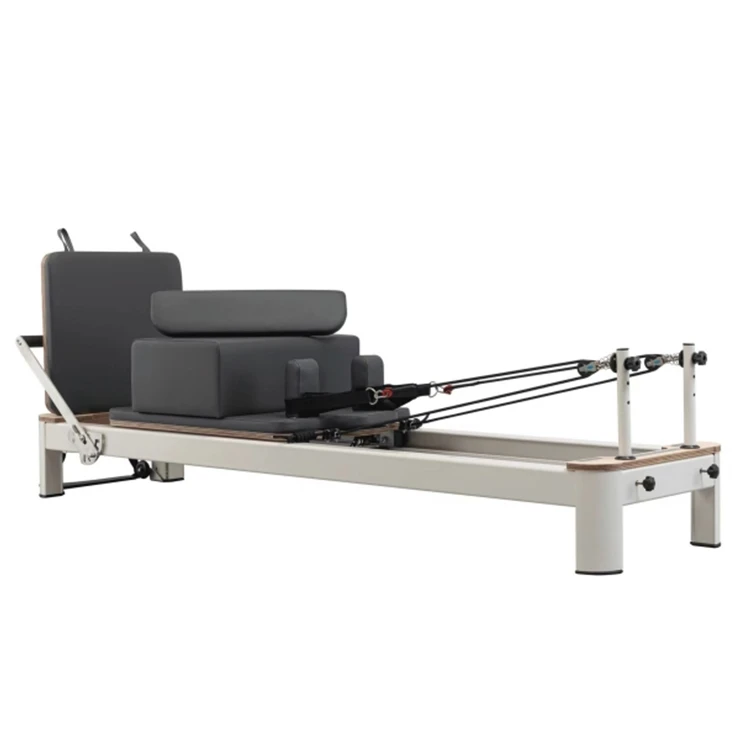
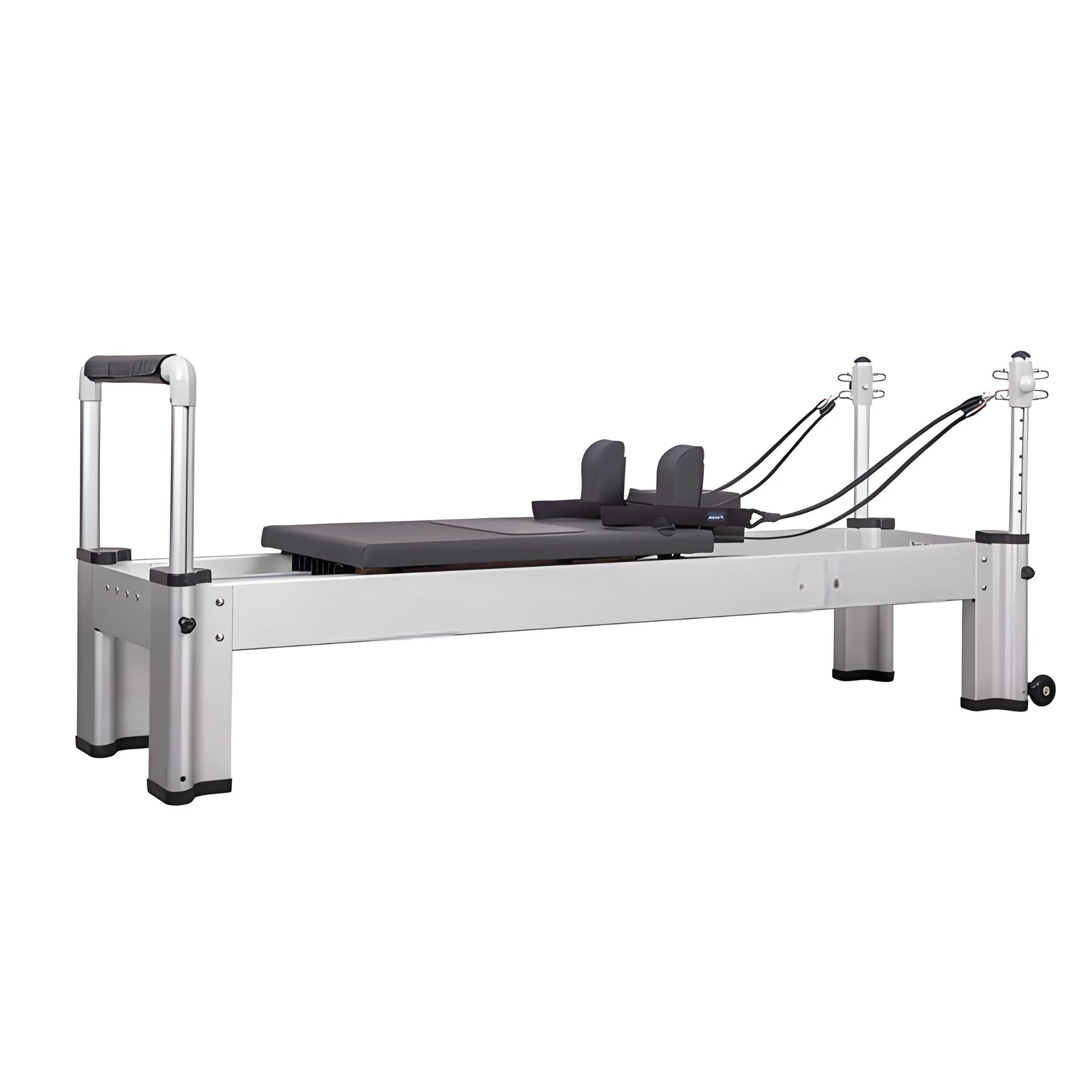
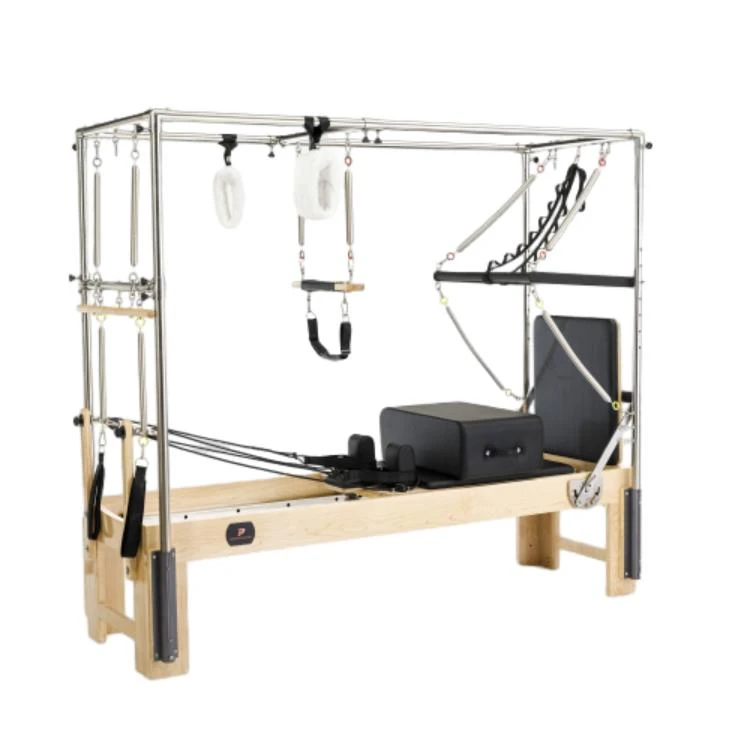
Having spent over a decade working in the industrial equipment sector, I’ve seen many fitness machines come and go. Yet, oddly enough, the Pilates Power Gym used continues to hold a special place. It’s kind of like meeting that one piece of equipment that just “gets” the investment—solid design, durability, and a long life span. In real terms, these machines often outlast newer, flashier models that promise the world but don’t quite deliver.
This trainer has been a go-to for rehab centers, boutique studios, and even home gyms across industrial hubs where robust, reliable gear is appreciated. If you’ve handled these machines, you know they’re built like tanks yet surprisingly versatile. Many engineers tell me the steel framework and carefully engineered pulley system are the backbone of its durability—which is no small feat in any manufacturing context.
From my experience, the allure of a Pilates Power Gym used isn’t just about the ruggedness but the customization. It’s not like your average rack-and-pulley system; the adaptability to different resistance levels and exercise variations is what helps users keep their routines fresh and effective. The adjustability is smooth—no annoying jerks or sudden stops, a detail that might sound trivial but makes a world of difference during longer sessions.
Product Specifications
| Feature | Detail |
|---|---|
| Material | Heavy-duty steel frame with powder coat finish |
| Resistance Levels | Adjustable from 5 lbs to 100 lbs+ |
| Weight Capacity | Up to 350 lbs user weight |
| Footprint | Approx. 7ft x 4ft (213cm x 122cm) |
| Cable System | High-tensile aircraft-grade steel cables |
| User Height Range | 4'10" to 6'8" |
One story that always sticks with me came from a small industrial town rehab facility that picked up a gently used unit. The therapist noticed not only a quicker recovery in mobility for patients but also reported better engagement – clients were less intimidated by the machine’s polished but straightforward interface. That says a lot when you consider the complexity of some newer devices...
Frankly, in an industry where new fitness technology rolls out every year, longevity like this is rare. The machine’s design speaks to a time when equipment was meant to last decades, not just the current season. I suppose that philosophy is why these used units still fetch a good price and why savvy buyers keep coming back for more. And of course, there’s always the option to upgrade cables or add custom attachments, which is frankly a bonus when tailoring for unique needs.
Vendor Comparison: Popular Used Pilates Power Gym Options
| Vendor | Price Range | Condition | Warranty | Customization Options |
|---|---|---|---|---|
| PilatesSports | $1,200 - $1,800 | Certified Refurbished | 6 months parts | Full cable & accessory upgrades |
| Industrial Gym Warehouse | $950 - $1,400 | Good, Used | None | Limited |
| Secondhand Fitness Gear | $1,100 - $1,600 | Refurbished, no warranty | None | Basic cable replacement |
It’s important to think about where you’re buying from—not all “used” is equal. From what I’ve gathered, vendors like PilatesSports offer some assurance through certified refurbishments which matters when you want to avoid downtime or unexpected repair costs. If you’re serious about keeping your fleet functional, that kind of trust is priceless.
In summary, purchasing a used Pilates Power Gym is not just a budget move—it’s a practical choice grounded in quality, dependability, and adaptability. You get a machine that’s been put through its paces but still has plenty to give, especially if you select vendors who care about prep and maintenance.
Honestly, I find that kind of machine a joy to work with. It’s one of those rare items that blend industrial-grade sturdiness with user-friendly design, creating a product that feels robust yet welcoming.
Reference: For more detailed specs and purchase options, check out PilatesSports.com.
Final takeaway: Sometimes, going used means getting a proven tool that’s ready to perform—no frills, just solid engineering.
- "Industrial Fitness Equipment Durability", Journal of Applied Ergonomics, 2018.
- Customer testimonial: Rehab success with used Pilates Power Gym, 2021.
- Vendor refurbished program analysis, Fitness Gear Weekly, 2023.
Latest news
-
Professional Pilates Cadillac Reformer for Sale and Buyer GuideNewsApr.16,2026
-
Professional Guide to Finding the Best Pilates Cadillac for SaleNewsApr.09,2026
-
Find the Perfect Cadillac Reformer Combo for Sale and Elevate Your Pilates PracticeNewsApr.07,2026
-
Choosing the Ideal Wooden Pilates Reformer Machine for Your Fitness JourneyNewsApr.04,2026
-
Choosing the Right Wooden Pilates Equipment for Studio and Home UseNewsMar.31,2026
-
Understanding the Versatility and Benefits of the Wood Reformer for PilatesNewsMar.28,2026
- Address
- Room 1601, 1302, Building A, Zijingguandi, Qiaodong District, Xingtai City, Hebei Province, China
- Sandra@raetin.com
- Phone
- +86 18231139331