
Best Pilates Reformer for Home Use – Expert Industrial Insights
Pilates Reformer for Home Use: A Practical Insider’s Take
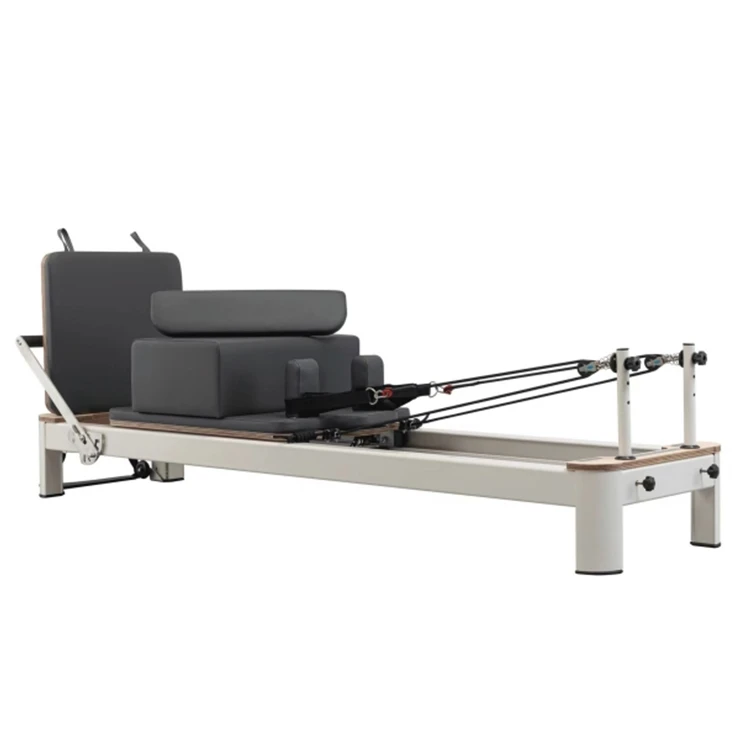
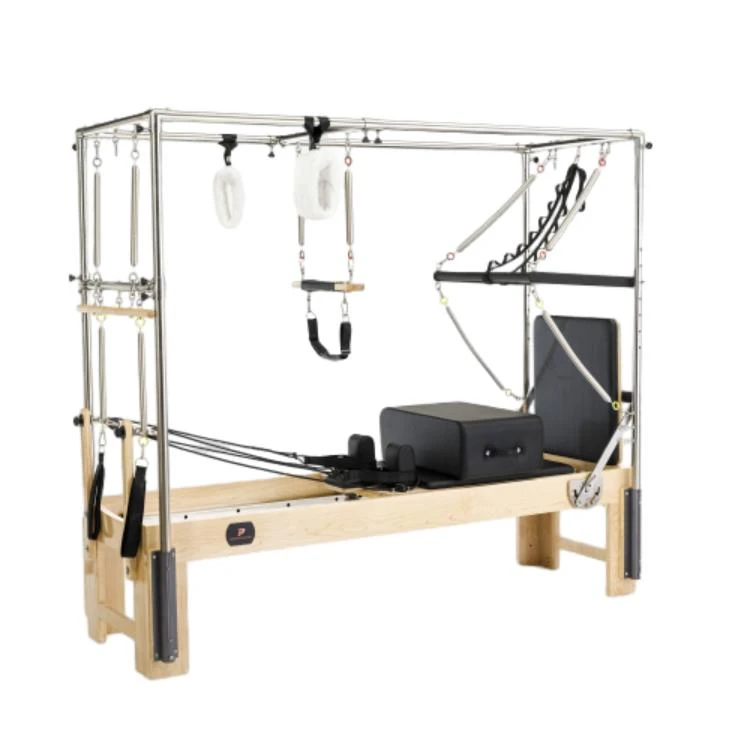
Having spent years in the industrial equipment scene, I’m always intrigued when a tool that’s typically kind of bulky and specialized finds a way into home life. Take the pilates reformer for home use, for example: what started as a gym staple now has players designing versions that fit right in your living room. Frankly, it’s a blend of ergonomic design, sturdy engineering, and a slice of wellness trends all rolled into one.
So why has this piece of equipment, which, if you asked me a decade ago, felt more like an industrial frame than something one could easily tuck in a hallway, become a home essential? Well, a few factors. First off, engineers and designers have adapted materials — switching heavy solid woods for a mix of lightweight metals and composites that still feel rock-solid, but don’t demand a forklift to install. Then there's the rise in at-home fitness, which only escalated post-pandemic. People want quality without sacrificing space.
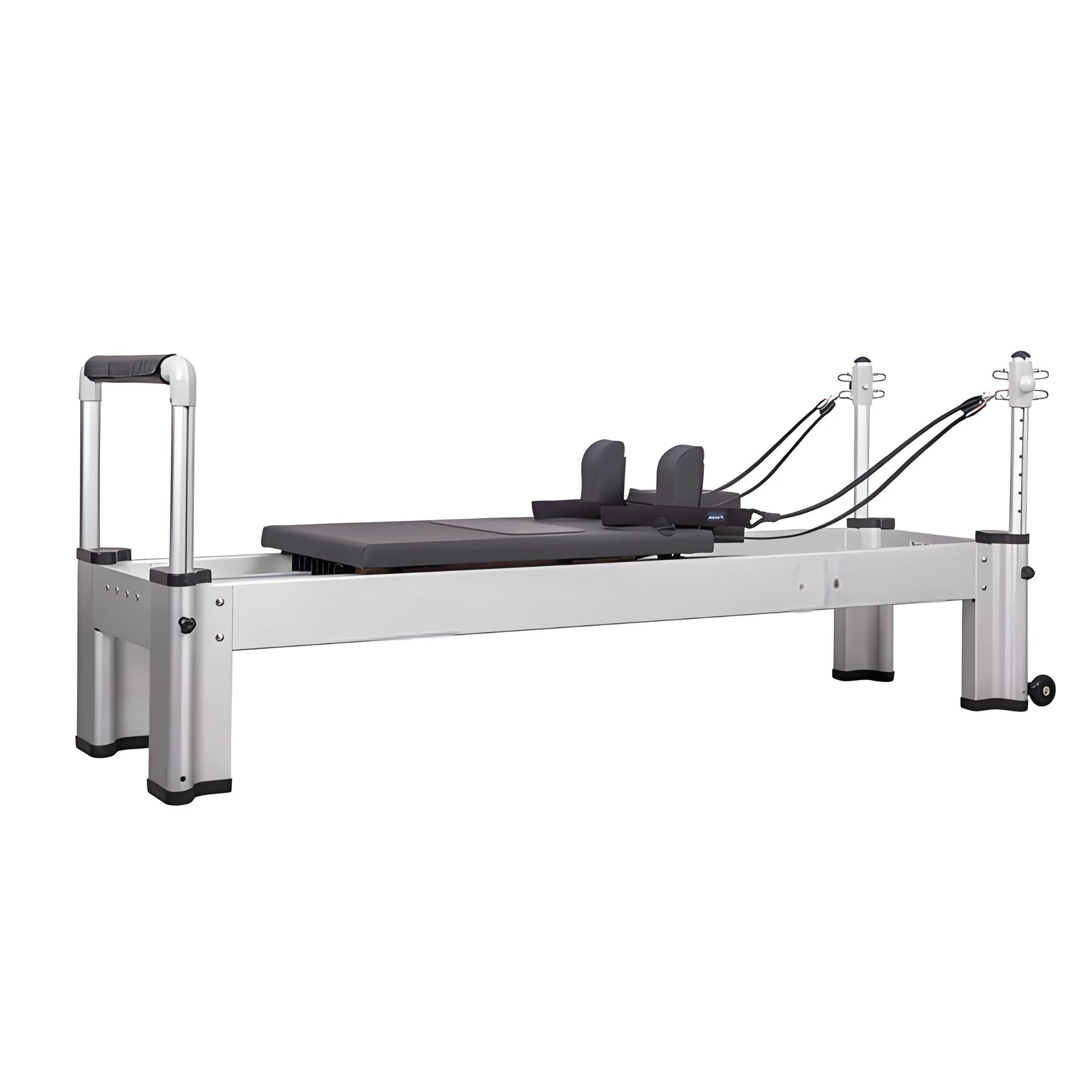
Material-wise, many reformers use aircraft-grade aluminum combined with tempered steel parts to ensure durability without unnecessary weight. The craftsmanship here reflects years of testing—these machines can withstand hundreds of thousands of cycles, occasionally with custom tension springs that you can swap in and out depending on your workout intensity. It’s a bit like tuning a bike, you know? Precision matters.
Speaking of customization, I once chatted with a small-scale manufacturer who emphasized that “every client’s home environment is unique” — so they offer modular frames and adjustable carriages, meaning the reformer can serve a complete beginner or somebody training at a semi-professional level. It’s all about making that gym experience as authentic as possible, without the extra commute.
In terms of usage, a pilates reformer isn’t just about core strengthening or toning. It encourages fluid, controlled motion, better alignment, and frankly, it’s a great way to calm your mind. Oddly enough, while designers worked hard to make these devices compact, they’ve also ensured the platforms provide enough space for varied exercises. It feels balanced, like a finely-tuned machine — which makes sense given the engineering pedigree behind it.
| Specification | Details |
|---|---|
| Frame Material | Aluminum alloy with steel reinforcements |
| Dimensions (L x W x H) | 54" x 24" x 14" (foldable options available) |
| Weight | Approx. 45 lbs (light for the class) |
| Max User Weight | 300 lbs |
| Resistance Levels | 5 adjustable spring tension settings |
| Accessories | Foot bar, shoulder rests, straps included |
Now, because I’m the kind of person who likes options laid out clearly (maybe the years in industrial equipment made me fastidious), here’s a quick head-to-head comparison of some leading vendors focusing on home-use reformers. It’s surprising how varied the approach can be.
| Brand | Build Material | Foldability | Max Weight (lbs) | Approx. Price |
|---|---|---|---|---|
| PilateSport | Aluminum & Steel | Yes | 300 | $1,200 |
| HomeForm | Wood & Steel | No | 280 | $1,050 |
| FitHome | Steel Composite | Yes | 310 | $1,400 |
I remember a client mentioning how switching from a traditional gym model to a compact home reformer changed her workout experience — especially because the machine felt tailored to her space and comfort, rather than the other way around. It makes you wonder about the subtle ways engineering meets wellness here.
To wrap up, if you’re looking for something reliable and thoughtfully designed for your home, it pays to consider not just the specs but the brand’s approach to customization and durability. The market’s evolving fast, and frankly, it’s refreshing to see something so robust yet elegant enter everyday spaces.
Oddly enough, what feels like industrial engineering on a smaller scale seems to be shaping the next wave of home fitness — and I’m curious to see where it goes from here.
– Reflection by someone who's seen machines go from plants to parlors
References:
- Industry materials and stress testing standards for fitness equipment, Equipment Engineering Review, 2023.
- Consumer trends in at-home fitness equipment post-2020, Wellness Insights, 2022.
- Interviews with small-scale manufacturers of Pilates reformers, Fitness Tech Journal, 2023.
Latest news
-
Professional Pilates Cadillac Reformer for Sale and Buyer GuideNewsApr.16,2026
-
Professional Guide to Finding the Best Pilates Cadillac for SaleNewsApr.09,2026
-
Find the Perfect Cadillac Reformer Combo for Sale and Elevate Your Pilates PracticeNewsApr.07,2026
-
Choosing the Ideal Wooden Pilates Reformer Machine for Your Fitness JourneyNewsApr.04,2026
-
Choosing the Right Wooden Pilates Equipment for Studio and Home UseNewsMar.31,2026
-
Understanding the Versatility and Benefits of the Wood Reformer for PilatesNewsMar.28,2026
- Address
- Room 1601, 1302, Building A, Zijingguandi, Qiaodong District, Xingtai City, Hebei Province, China
- Sandra@raetin.com
- Phone
- +86 18231139331