
Tower Pilates Machine: Compact, Versatile Fitness Equipment for Home & Studio
Understanding the Tower Pilates Machine: A Modern Twist on Fitness
Worldwide, the demand for innovative, space-efficient workout equipment is growing fast, and tower pilates machines have stepped into the spotlight for good reasons. Originally designed to marry the therapeutic benefits of Pilates with compact usability, these machines now serve diverse populations — from urban dwellers in Tokyo apartments to wellness centers in Berlin. But why does this niche fitness tool matter globally? Simply put, as people seek wellness routines that fit tight schedules and smaller living spaces, the tower pilates machine offers a smart solution that blends resistance training, core strengthening, and stretching into one compact frame.
Besides the obvious health perks, understanding this equipment matters because fitness trends increasingly lean on versatility and sustainability — two global priorities echoed in health reports by the World Health Organization and ISO fitness equipment standards. In a world adapting to remote work, fluctuating gym access, and heightened health awareness, the tower pilates machine represents a convergence of design ingenuity and human wellness needs.
Context Matters: Why Tower Pilates Machines Are Gaining Worldwide Attention
Global fitness equipment sales surpassed $15 billion in 2023, with a clear spike in compact, home-friendly gear, according to industry data analyzed by the International Health, Racquet & Sportsclub Association (IHRSA). The tower pilates machine, as a category, sits at this intersection. Unlike bulky gym apparatus, these machines respect smaller living spaces while still offering a full-body workout experience.
Moreover, as the United Nations promotes healthier lifestyles worldwide (especially post-pandemic), devices that easily integrate into daily routines carry distinct advantages. Think about office workers in cramped city apartments, or rehab patients needing gentle but effective resistance — the tower pilates machine answers many challenges in one elegant frame.
So, What Exactly Is a Tower Pilates Machine?
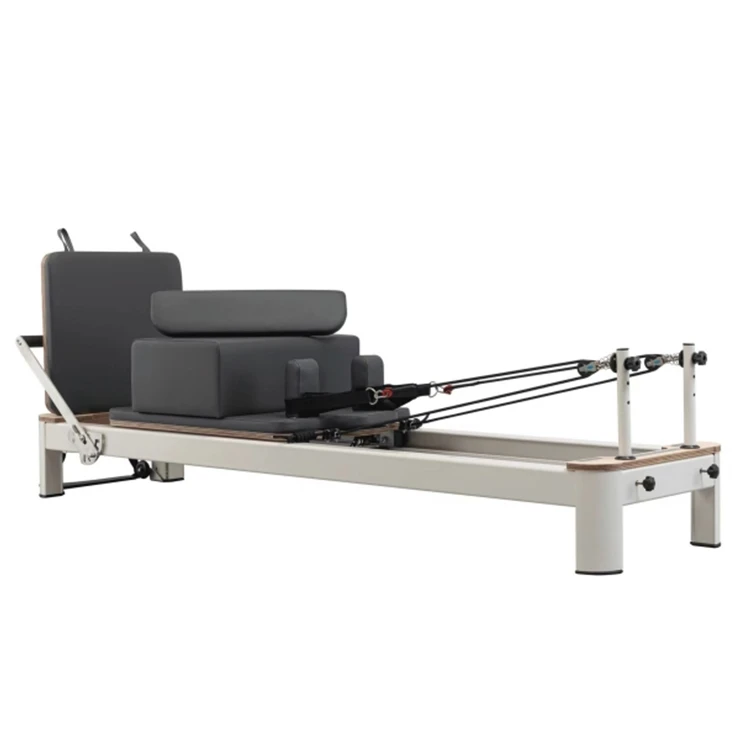
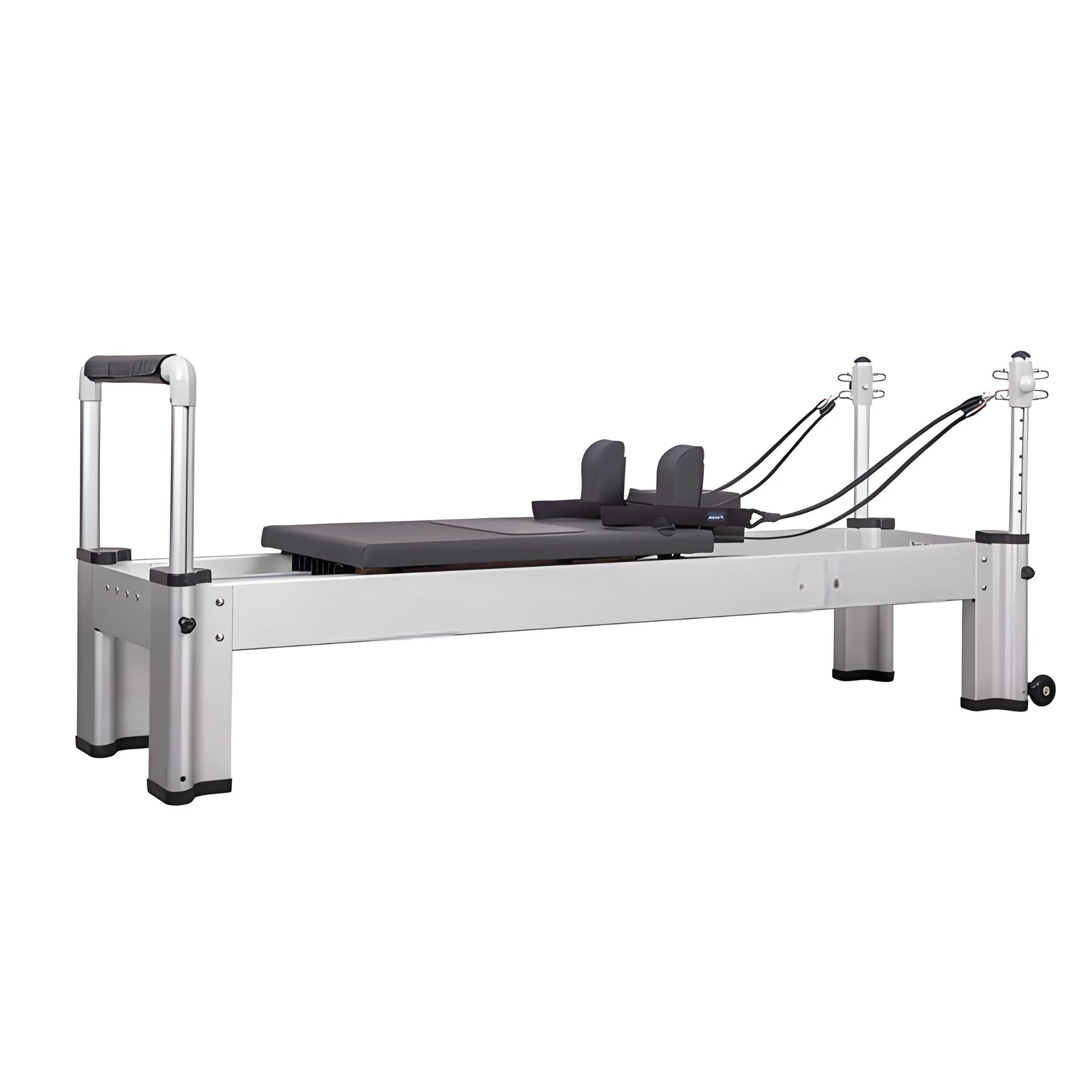
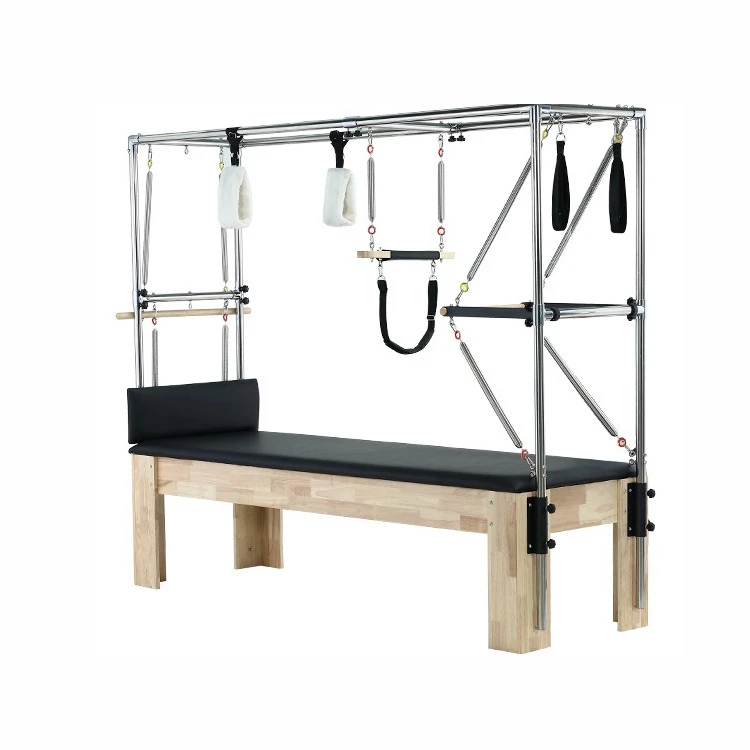
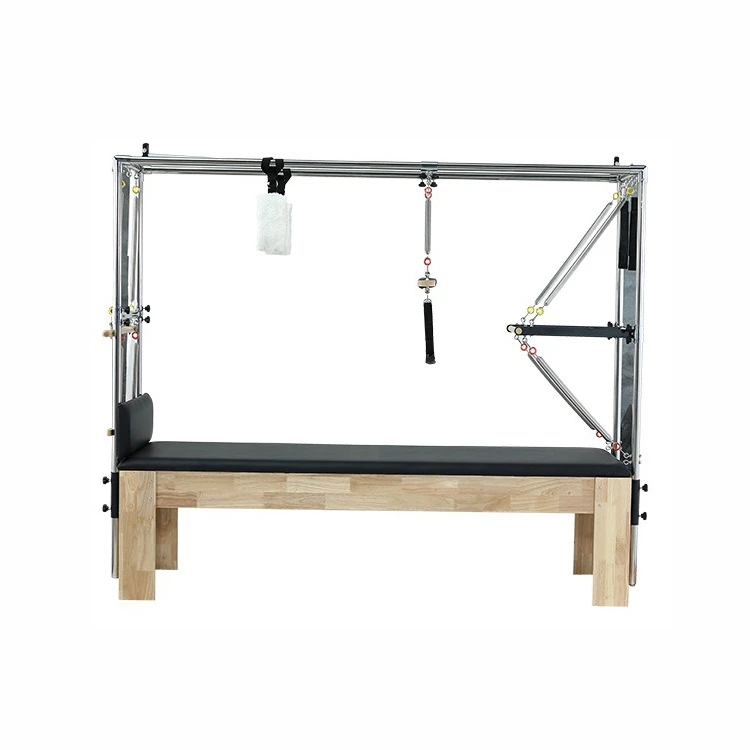
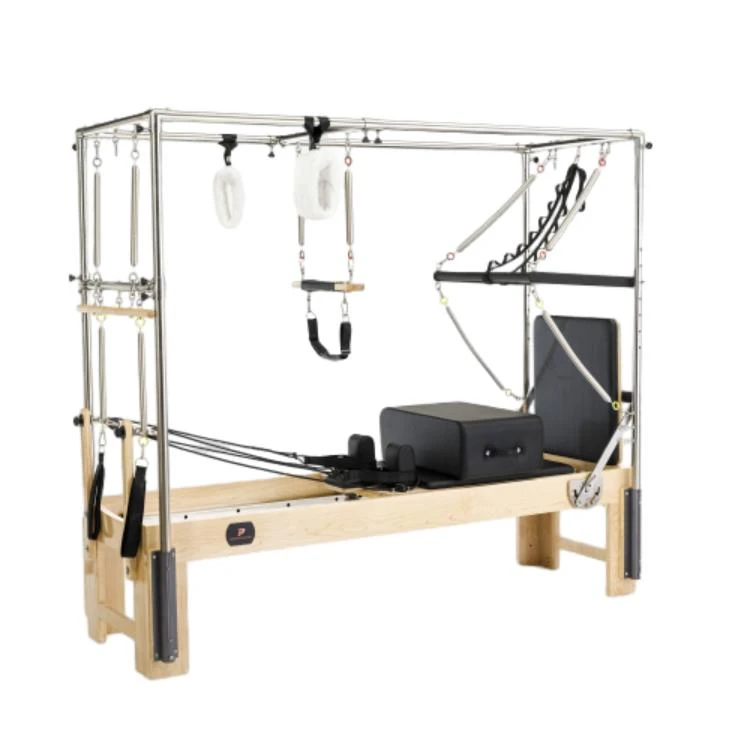
Put simply, a tower pilates machine is a vertical training apparatus made up of a spring-loaded frame, adjustable bars, and often a padded mat, designed primarily for Pilates-based exercises.
It’s a functional evolution of classic Pilates reformers, offering exercises that improve flexibility, posture, muscle tone, and core strength. The tower integrates resistance springs and pulleys to diversify movement options, making it suitable for physical therapy, athletic training, and general fitness.
Interestingly, the design also aligns with humanitarian and rehabilitation needs — users with limited mobility, injury recovery programs, and even senior fitness classes can adapt it effectively, making the device more than a luxury tool.
Core Components That Define the Tower Pilates Machine
1. Compact Frame & Build Quality
Unlike traditional reformers that demand horizontal space, the tower pilates machine stretches vertically — think of it as a “fitness wall.” The materials usually blend hardwood or sturdy metal with high-tension springs, and padding that's antimicrobial. Many engineers say durability is critical, especially as weight-bearing exercises rely on calibrated tension systems.
2. Adjustable Resistance Springs
These springs allow the user to customize the workout intensity. Whether recovering from injury or pushing for athletic performance, adjustability means the machine caters to novices and pros alike.
3. Versatile Attachments & Accessories
Handles, bars, straps, and loops — they come with the tower normally and enhance targeting different muscle groups. Oddly enough, such a small device carries a mini gym’s worth of exercise potential.
4. Portability & Setup
Many modern towers fold or come with casters, making them transportable for trainers or home users. This portability ties directly to the sustainability trend: longer-lasting, adaptable equipment that fits evolving user needs.
5. Safety Features
Soft padding, spring guards, and secure locking mechanisms reduce injury risk — important because the controlled resistance is only as good as the machine’s safety design.
Mini takeaway: The tower pilates machine is a marvel of design — compactness meets customizable workout versatility, melding safety and endurance in a single piece.
Where in the World Is the Tower Pilates Machine Making a Difference?
This machine is no longer niche. In European physical therapy clinics, it accelerates rehab for sports injuries. Down under in Australia, boutique studios swear by it for tailored group classes. Meanwhile, remote industrial work zones in Canada are adopting them to help workers stay active during long shifts.
In rehabilitation centers across the U.S., therapists use the towers to offer low-impact, adjustable resistance training, promoting faster recovery with less strain.
Moreover, the rise of digital fitness platforms in Asia — from Seoul to Mumbai — integrates tower workouts in hybrid online-offline programs, capitalizing on its minimal space requirement.
Product Specification Table
| Specification | Details |
|---|---|
| Frame Material | Hardwood with steel reinforcement |
| Weight | Approx. 40 kg (88 lbs) |
| Spring Resistance Levels | 5 adjustable tension springs |
| Dimensions (folded/unfolded) | 180 x 60 x 35 cm / 180 x 60 x 90 cm |
| Maximum User Weight | 120 kg (265 lbs) |
| Portability | Foldable with caster wheels |
Comparing Tower Pilates Machine Vendors
| Vendor | Key Features | Price Range | Warranty |
|---|---|---|---|
| Pilatech Solutions | Eco-friendly wood, modular attachments | $1200 - $1500 | 2 years |
| FitTower Corp. | Heavy-duty steel, electronic spring tension | $1400 - $1700 | 3 years |
| BodyBalance Pro | Portable foldable design, online training included | $1000 - $1300 | 1 year |
Why Are Tower Pilates Machines Such a Smart Investment?
The value extends beyond functionality. First, there's the financial side: buying one tower machine replaces the need for multiple separate devices, translating to cost efficiency in studios and homes alike. Sustainability plays a role too — many vendors use renewable materials and design for durability over disposables or energy-heavy gadgets.
Socially, they empower users to take control of fitness routines safely at home or in clinics. Emotionally, it feels like owning a personal wellness coach standing steady against a wall; ready whenever the day demands some stretching or strengthening.
Innovations on the Horizon
Looking ahead, expect towers infused with smart tech — think sensors that track form, resistance adjustments triggered by AI, and integration with wellness apps. Green manufacturing practices are becoming the norm. Material science advancements hint at ultra-lightweight composites, making portability effortless while boosting strength.
Additionally, customization is gaining traction. Users might soon tailor their towers with modular parts shipped on demand or upgraded spring packs to adapt as fitness levels evolve.
Imagine owning a device that evolves as you do.
Addressing the Challenges
That said, tower pilates machines aren’t without hurdles. For newbies, set-up and understanding resistance levels can be intimidating. Shipping bulkier units internationally can also hit logistical snags, bumping up costs.
Experts suggest partnering with certified trainers for first-use orientation. Vendors addressing these concerns often offer detailed video tutorials, quick-start guides, and virtual coaching to smooth adoption.
Frequently Asked Questions About Tower Pilates Machines
- Q: How does a tower pilates machine differ from a traditional reformer?
- A: The tower pilates machine is more vertical and compact, designed for space efficiency and versatility, using springs and pulleys typically attached to a vertical frame instead of horizontal sliders found on reformers.
- Q: Can beginners safely use a tower pilates machine at home?
- A: Absolutely. Many devices come with adjustable resistance levels and come bundled with instructional guides or online training, making it accessible for users new to Pilates.
- Q: Are tower pilates machines suitable for injury rehabilitation?
- A: Yes. Physical therapists often use them because they allow controlled resistance and gentle, guided movements, aiding muscle recovery and rebuilding strength safely.
- Q: What kind of maintenance do these machines require?
- A: Regular inspection of springs and frame for wear, wiping down padding to maintain hygiene, and occasional lubrication of moving parts keep the machine in top shape.
- Q: How portable is the equipment if I want to move it between rooms?
- A: Many modern models fold and include wheels, making it surprisingly easy to transport within a home or studio, which is great for multi-use spaces.
Wrapping Up: The Last Word on Tower Pilates Machines
Overall, the tower pilates machine embodies a clever balance between tradition and innovation, wellness and practical living, fitness and sustainability. If you’ve ever wished for a complete Pilates experience without needing a ton of space or pricey memberships, this device could be the game-changer.
Want to explore your options? Check out tower pilates machine selections and start a smarter fitness journey today.
Quick Takeaway:
Compact, versatile, and user-friendly — tower pilates machines fit today’s fitness needs like a glove. Whether for rehab, home workouts, or professional studios, they’re reshaping how we think about body conditioning.
References:
Latest news
-
Professional Pilates Cadillac Reformer for Sale and Buyer GuideNewsApr.16,2026
-
Professional Guide to Finding the Best Pilates Cadillac for SaleNewsApr.09,2026
-
Find the Perfect Cadillac Reformer Combo for Sale and Elevate Your Pilates PracticeNewsApr.07,2026
-
Choosing the Ideal Wooden Pilates Reformer Machine for Your Fitness JourneyNewsApr.04,2026
-
Choosing the Right Wooden Pilates Equipment for Studio and Home UseNewsMar.31,2026
-
Understanding the Versatility and Benefits of the Wood Reformer for PilatesNewsMar.28,2026
- Address
- Room 1601, 1302, Building A, Zijingguandi, Qiaodong District, Xingtai City, Hebei Province, China
- Sandra@raetin.com
- Phone
- +86 18231139331