
Reformer Stand Guide: Stability, Materials, and Global Use Cases Explained
Understanding the Reformer Stand: A Stable Base for Pilates & Beyond
If you’ve ever stepped into a Pilates studio, you might have noticed the sturdy platform holding the iconic reformer machine—this is the reformer stand. But why does it matter? Why should we care about the foundation beneath our workout or rehabilitation equipment? Well, oddly enough, the reformer stand plays a crucial role in ensuring safety, stability, and effectiveness for millions of users worldwide. Whether in specialized studios, clinics, or even home gyms, understanding the key aspects of reformer stands reveals how such seemingly simple elements underpin broader industry and wellness benefits.
Global Context: Why the Reformer Stand Holds Weight Across Markets
The global Pilates equipment market is expected to surge past $1.1 billion by 2028, according to recent industry reports. Behind this growth lies increasing health awareness and rehabilitation needs. However, a surprising challenge persists: many Pilates setups ignore the importance of a proper base, risking machine instability and injury.
Organizations like the International Organization for Standardization (ISO) emphasize equipment safety standards—yet many practitioners overlook reformer stands as more than just a frame. Frankly, accommodating user weight ranges from 100 to 300 pounds and dynamic movement requires a durable, well-engineered platform.
In real terms, without a solid reformer stand, performance suffers, equipment wear accelerates, and user confidence drops. So, understanding this component is more than niche — it’s a global health and safety concern in the fitness industry.
Defining the Reformer Stand: What Is It Exactly?
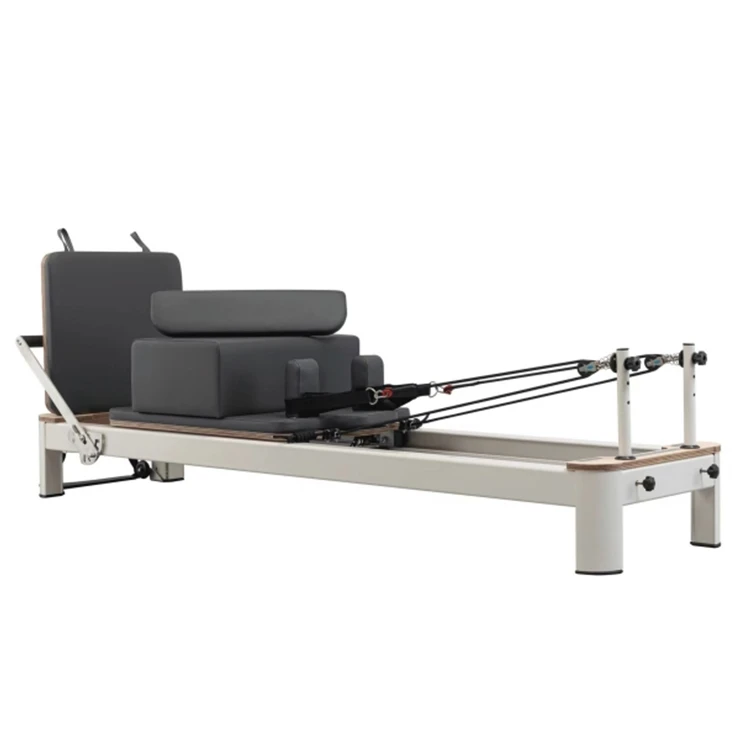
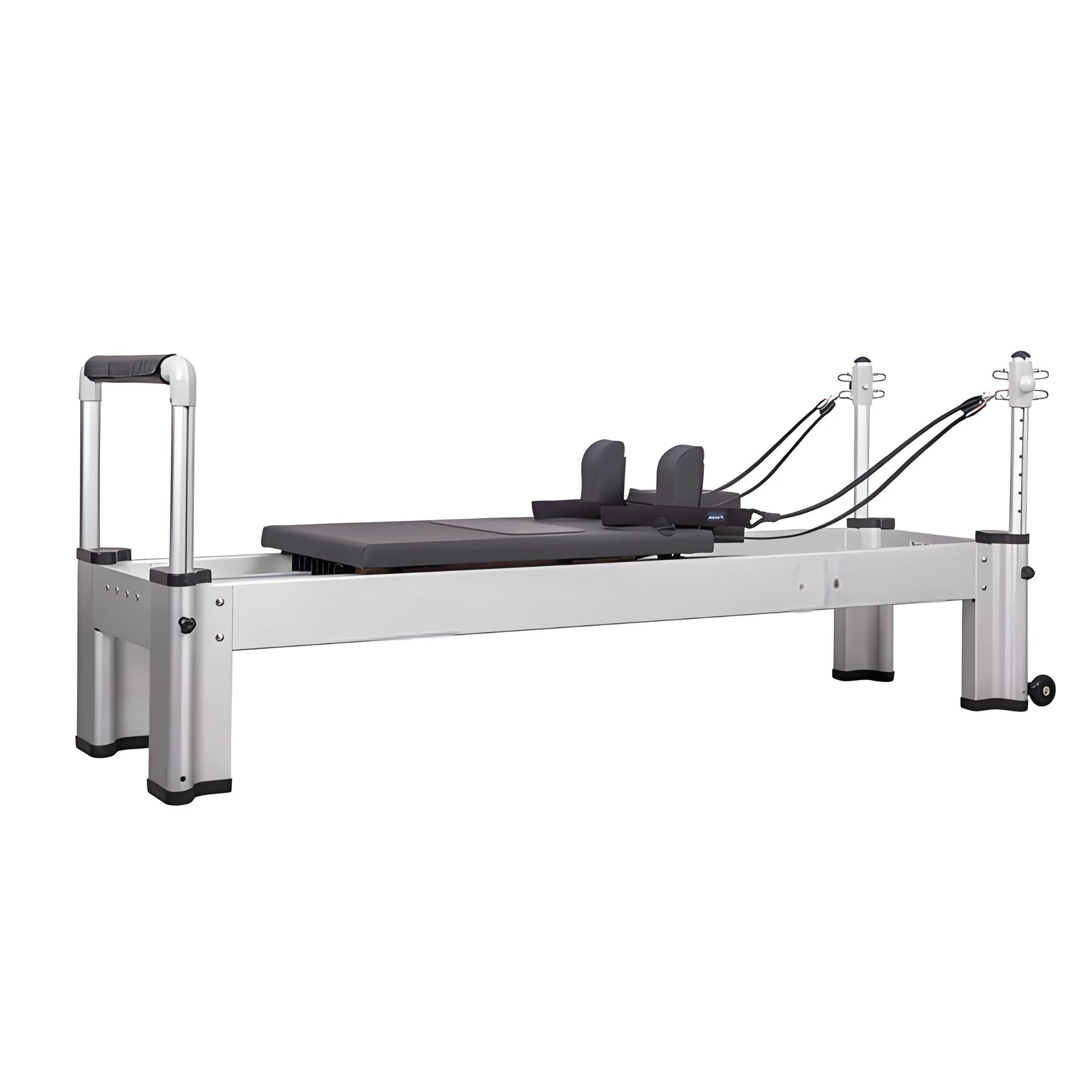
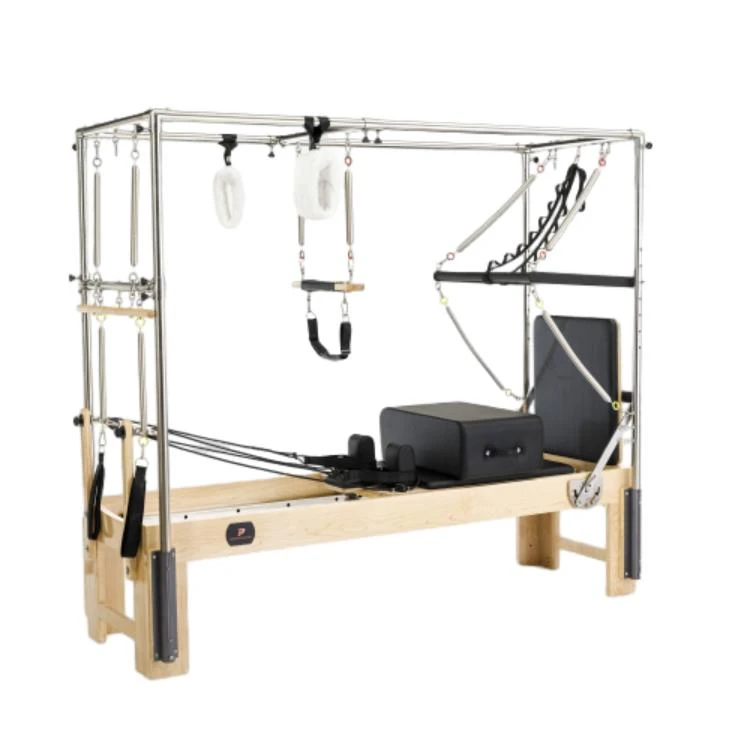
Simply put, a reformer stand is the supporting platform or frame upon which a Pilates reformer machine rests. Think of it as the skeleton that stabilizes the moving parts—the carriage, straps, springs—making sure everything stays aligned and secure during exercises.
Modern reformer stands are usually crafted from hardwood, steel, or composite materials, balancing durability with aesthetics. Interestingly, their design also allows for modularity and portability, sometimes folding or disassembling for transport.
In broader industry terms, the reformer stand links biomechanics with product engineering, increasingly necessary for rehabilitative, therapeutic, or athletic uses worldwide.
Key Factors Shaping a Quality Reformer Stand
1. Durability & Material Quality
Quality stands generally use kiln-dried hardwood like maple or ash, or powder-coated steel. Durability ensures resistance to wear from repeated motion and heavy loads—users with different body weights and workout intensities count on this longevity.
2. Stability & Safety
Stability is non-negotiable. Anti-slip pads, rubber feet, and a well-balanced frame design prevent wobbling during dynamic reformer exercises. Oddly enough, even the floor surface can dramatically change perceived stability, so the stand must compensate or adapt.
3. Portability & Assembly
Some stands come with modular assembly or foldability for trainers and studios on the move. While stability is critical, ease of transport becomes a selling point for professionals traveling for workshops or home users shifting spaces.
4. Aesthetic Finish
Smooth finishes, rounded edges, and tasteful materials matter too—it affects client perception and overall studio ambiance. This emotional impact feeds into trust and brand reputation.
5. Weight Capacity
It might surprise you, but the maximum user weight the stand can support (including user, equipment, and any added resistance) is a core design element. Manufacturers often test stands to comply with international safety requirements.
Product Specification Snapshot
| Feature | Typical Range | Example Model |
|---|---|---|
| Material | Hardwood / Steel | Maple Wood Frame |
| Weight Capacity | 250-350 lbs | 300 lbs Max Load |
| Dimensions (LxW xH) | 60" x 24" x 10"-12" | 60" x 24" x 11" |
| Portability | Fixed / Foldable | Foldable Steel Frame |
| Finish | Non-toxic Varnish / Powder Coated | Eco-friendly Varnish |
Global Applications and Use Cases
The importance of reformer stands spans continents and sectors. In North America and Europe, boutique Pilates studios insist on premium stands to guarantee client safety and a polished experience. In Asia and Australia, mobile physical therapists appreciate foldable stands that let them bring Pilates-based rehab right to patients’ homes.
Oddly enough, in remote or resource-limited regions, sturdy reformer stands are repurposed for rehabilitation in post-injury clinics, supported by NGOs. For example, in parts of Eastern Europe and Latin America, organizations add these stands to community health centers to aid mobility-impaired patients.
Hospitals increasingly integrate Pilates reformers on stands into their recovery programs, recognizing the low-impact yet effective nature of the exercises for frail or elderly patients. In industrial zones, workers use reformer stands to build core strength and prevent musculoskeletal disorders on the job.
Advantages & Long-Term Value of Using the Right Reformer Stand
- Safety: A well-built stand reduces risk of tipping or wobbling, critical to avoid injury.
- Longevity: Protects the reformer machine’s structural integrity, lowering repair or replacement costs.
- Emotional Trust: Clients feel more confident and comfortable, increasing adherence to fitness or rehab programs.
- Sustainability: Durable materials and eco-friendly finishes reduce environmental footprint.
- Innovative Potential: Modular designs open doors to custom setups, adaptable for evolving needs.
Future Trends in Reformer Stand Design
Looking ahead, the reformer stand will likely see exciting innovations: use of sustainable bio-composites replacing traditional hardwood, embedded sensors tracking usage and stability, and possibly integration with digital fitness platforms for real-time feedback.
Green manufacturing processes and circular economy principles guide the next wave of design, ensuring equipment remains environmentally responsible while meeting increasing global Pilates demand.
Challenges and How Experts Are Tackling Them
Common challenges include balancing portability without sacrificing stability, and keeping costs reasonable while using premium materials. Some engineers explore hybrids—lightweight metal frames with wooden accents—offering the best of both worlds.
Additionally, user education about proper floor placement and maintenance is crucial. As one Pilates instructor put it, “Even the best reformer stand won't perform well on slick tile without anti-slip protection.”
Vendor Comparison: Popular Reformer Stand Models
| Vendor | Material | Portability | Weight Capacity | Price Range |
|---|---|---|---|---|
| PureMotion | Maple Wood | Fixed | 300 lbs | $700-$900 |
| FlexCore | Powder-coated Steel | Foldable | 280 lbs | $600-$800 |
| EcoFit | Bamboo Composite | Semi-portable | 250 lbs | $650-$850 |
Frequently Asked Questions About Reformer Stand
Q1: Why is a reformer stand necessary? Can't the reformer sit directly on the floor?
A1: While it’s possible, reformer stands stabilize the machine, prevent wobbling, and protect floors. They also help maintain correct machine height for user comfort and safety, which enhances workout quality.
Q2: How do I maintain my reformer stand to ensure longevity?
A2: Regularly check for loose screws, clean surfaces with mild soap, avoid excessive moisture, and ensure anti-slip pads are intact. Treat wooden stands with appropriate varnish or oil as recommended.
Q3: Are foldable reformer stands as stable as fixed ones?
A3: Modern foldable designs often incorporate locking mechanisms and reinforced joints to ensure stability comparable to fixed stands. However, fixed stands generally offer maximum rigidity and may suit heavy rehab use better.
Q4: Can I customize a reformer stand for my studio's aesthetics?
A4: Many manufacturers offer custom finishes, colors, and wood types to match branding or interior design, enhancing client experience and studio ambiance.
Q5: Where can I find reliable reformer stands for international shipping or export?
A5: Companies specializing in Pilates equipment often provide international shipping and support. Check certification compliance with your country’s safety standards and consult with vendors experienced in cross-border logistics.
Conclusion: Why the Reformer Stand Deserves Your Attention
Summing up, the humble reformer stand is more than just a base; it’s the guardrail of safe, effective Pilates training and rehab. Investing time and care into choosing the right stand ensures durability, user safety, and long-term value. If you’re looking to upgrade or purchase quality reformer stands, why not start with a trusted resource? Visit our website: reformer stand for a curated selection tailored to meet diverse needs and budgets.
References
Latest news
-
Professional Pilates Cadillac Reformer for Sale and Buyer GuideNewsApr.16,2026
-
Professional Guide to Finding the Best Pilates Cadillac for SaleNewsApr.09,2026
-
Find the Perfect Cadillac Reformer Combo for Sale and Elevate Your Pilates PracticeNewsApr.07,2026
-
Choosing the Ideal Wooden Pilates Reformer Machine for Your Fitness JourneyNewsApr.04,2026
-
Choosing the Right Wooden Pilates Equipment for Studio and Home UseNewsMar.31,2026
-
Understanding the Versatility and Benefits of the Wood Reformer for PilatesNewsMar.28,2026
- Address
- Room 1601, 1302, Building A, Zijingguandi, Qiaodong District, Xingtai City, Hebei Province, China
- Sandra@raetin.com
- Phone
- +86 18231139331