
Reformer Pilates Every Day - Benefits, Trends, and Expert Insights
Reformer Pilates Every Day: Embracing a Balanced Body and Mind
In our fast-paced, digitally-demanding world, finding time for purposeful movement and mindful exercise feels more like a luxury than a necessity. But oddly enough, adopting practices like reformer pilates every day is not just about fitness fads; it’s increasingly a global wellness trend with real physical and mental payoffs. So what exactly is reformer Pilates, why is doing it daily gaining traction, and how can it truly benefit people worldwide? Let’s unpack that.
Why Does Reformer Pilates Matter Globally?
At first glance, Pilates might seem like a boutique workout heavily favored in urban fitness studios. However, the broader context shows a growing need for low-impact, rehabilitation-friendly exercises as populations live longer and grapple with chronic ailments like back pain, arthritis, and sedentary-induced stiffness. The World Health Organization (WHO) estimates that musculoskeletal conditions affect over 1.7 billion people worldwide, contributing heavily to reduced mobility and quality of life.
Reformer Pilates—practiced daily—offers a practical response to such challenges, reinforcing core strength and improving posture with minimal strain. On a macro level, initiatives encouraging accessible Pilates could help reduce healthcare burdens in aging societies, improve worker productivity, and foster mental well-being. In fact, a shift towards such mindful movement techniques aligns with ISO standards promoting holistic health practices internationally.
Understanding Reformer Pilates Every Day
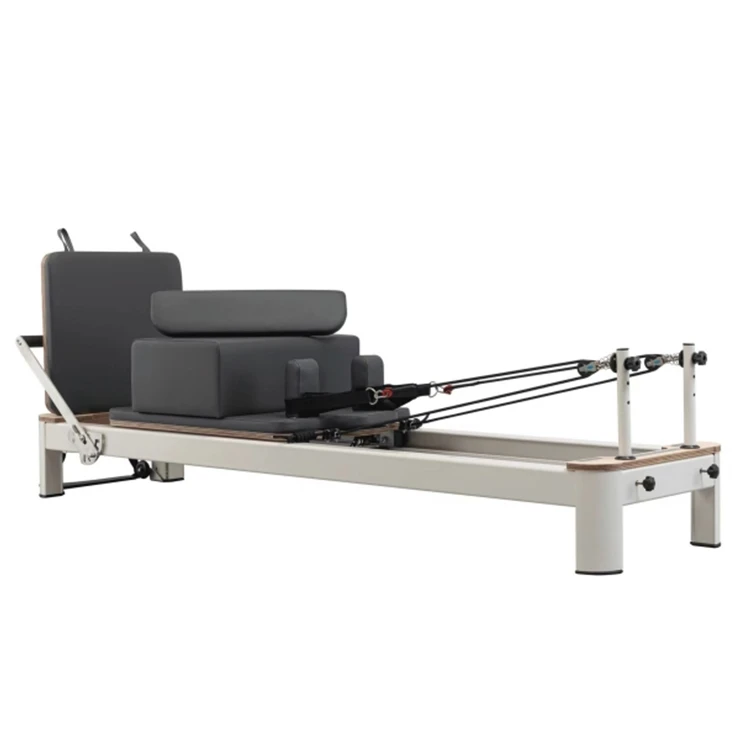
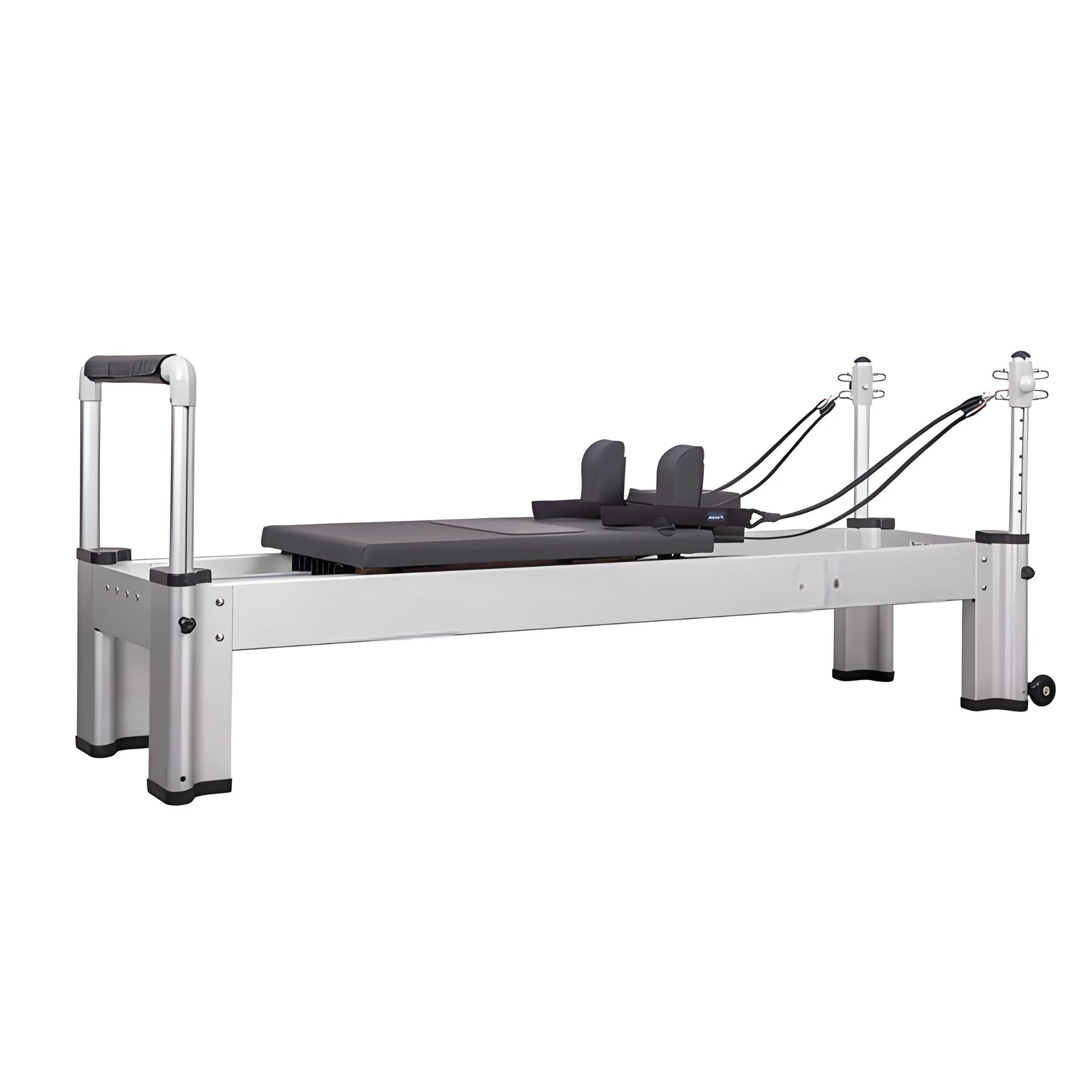
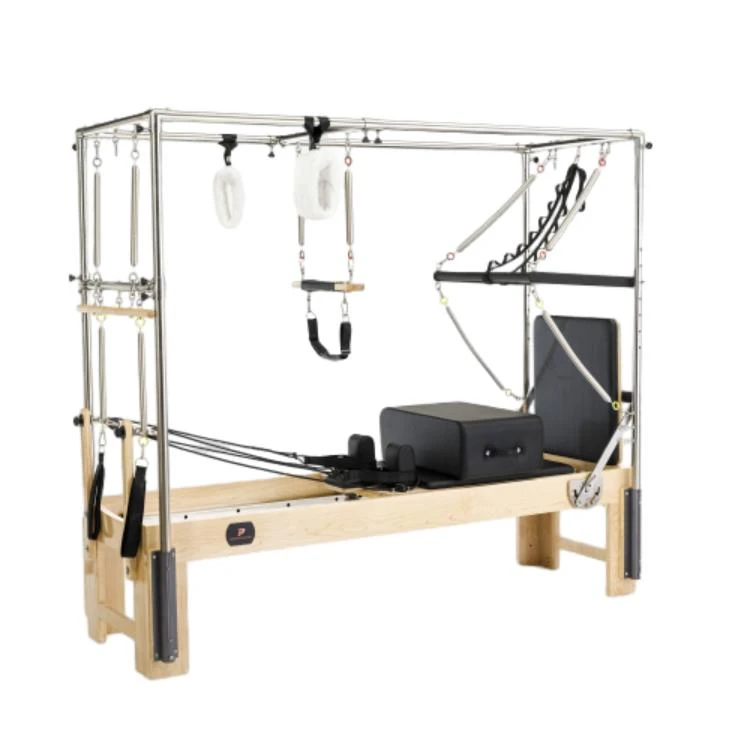
At its core, reformer Pilates involves using a specialized apparatus—the Pilates reformer—which incorporates springs, ropes, and a gliding platform to create resistance-focused exercises. This equipment allows for a versatile, low-impact workout that targets the whole body, improving flexibility, balance, strength, and even coordination.
Doing reformer Pilates every day means integrating consistency: a routine practice that favors not only physical conditioning but also mental focus and body awareness. This daily practice aids in injury prevention, rehabilitation, and stress relief, making it valuable for athletes, office workers, seniors, and even physically challenged individuals alike.
Key Components of Daily Reformer Pilates Practice
1. Precision and Alignment
Reformer Pilates emphasizes precise movements and alignment, which build deep, functional strength. This precision supports better posture and helps correct muscular imbalances—a common source of chronic pain.
2. Resistance and Load Control
The reformer’s adjustable springs provide customizable resistance, making workouts scalable to individual needs. This resistance is key to enhancing strength without stressing joints.
3. Flexibility and Range of Motion
Because the reformer supports smooth, controlled motion through a wide range of angles, it helps increase flexibility and joint mobility, essential for longevity and ease of movement.
4. Mind-Body Connection
Reformer Pilates encourages mindful breathing and focus, which can lower stress hormones and improve mental clarity. This mind-body synergy enhances overall wellness.
5. Accessibility and Rehab Potential
Unlike many high-impact fitness regimes, reformer Pilates suits many fitness levels and can be adapted for rehabilitation, making it an inclusive wellness tool.
Reformer Pilates in Action: Global Use Cases
From rehabilitation centers in Canada to wellness retreats in Australia, reformer Pilates is deployed widely. For example, in Scandinavian countries, daily Pilates is increasingly part of workplace health programs to combat sedentary office syndrome. Meanwhile, post-injury clinics in the United States use reformer Pilates for gentle mobility recovery.
In regions with aging populations—like Japan and parts of Europe—daily reformer Pilates practice helps maintain independence and reduces fall risk. Oddly enough, even corporate wellness initiatives in emerging markets are adopting Pilates as a retention and productivity booster.
Benefits and Long-Term Value of Daily Reformer Pilates
- Physical Health: Stronger core muscles, enhanced posture, reduced risk of injury.
- Emotional Well-being: Stress relief and improved mental clarity through mindful movement.
- Sustainability: Long-lasting joint health and mobility preservation.
- Cost-effectiveness: Reduced healthcare costs tied to chronic pain and mobility issues.
Frankly, the emotional payoffs of feeling grounded and safe in one’s body are just as vital as the physical ones. Many practitioners describe reformer Pilates as a personal sanctuary that builds trust and dignity through empowered movement.
Future Trends and Innovations
The reformer Pilates world is evolving. New models incorporate smart sensors to track motion precision and offer real-time feedback, linking fitness with digital transformation. Sustainable materials like bamboo and recycled plastics are emerging in reformer manufacturing, echoing green energy trends. There’s even interest in virtual reality enhancements to guide daily sessions remotely—ideal for those in isolated or underserved regions.
Common Challenges & Practical Solutions
One obstacle? Class availability and equipment cost. Pilates reformers can be expensive and require specialized instruction. However, several organizations are addressing this through affordable rental programs and online classes, democratizing access. Another hurdle is maintaining motivation for daily practice, which experts say improves dramatically with community support—think group classes or social media groups encouraging consistency.
Frequently Asked Questions About Reformer Pilates Every Day
- Is it safe to do reformer Pilates every day?
- Generally, yes. Because reformer Pilates is low impact and adjustable, daily sessions focusing on different muscle groups or light stretching can be safe. However, beginners should start gradually and consult instructors to avoid overuse injuries.
- How long does a typical daily reformer Pilates session last?
- Sessions often range from 20 to 60 minutes, depending on individual goals and fitness levels. Even short daily sessions can deliver health benefits when done consistently.
- Can reformer Pilates help with chronic back pain?
- Yes, daily reformer Pilates improves core strength and spinal alignment, which are key factors in reducing chronic back pain. It is often recommended by physical therapists as part of rehabilitation.
- Do I need prior Pilates experience to start daily reformer workouts?
- No, beginners can start with guided sessions and light resistance. The reformer’s versatility accommodates a wide range of skill levels.
- Where can I find reformer Pilates programs tailored for daily practice?
- Many studios and online platforms offer programs specifically designed for daily reformer Pilates, often with progressive plans that build gradually to support consistency and avoid burnout.
Product Specification: Popular Pilates Reformer Models
| Model | Resistance Springs | Frame Material | Dimensions (L×W×H) | Weight Capacity |
|---|---|---|---|---|
| Balanced Body Allegro 2 | 5 adjustable springs | Aluminum frame | 87"×25"×10" | 400 lbs |
| Stott Pilates SPX Max | 5 calibrated springs | Steel frame | 90"×26"×12" | 375 lbs |
| Peak Pilates Pro Model Reformer | 8 color-coded springs | Wood frame | 86"×24"×12" | 350 lbs |
Vendor Comparison: Reformer Pilates Equipment Providers
| Vendor | Pricing Range | Warranty | Customer Support | Sustainability Initiatives |
|---|---|---|---|---|
| Balanced Body | $2,700 - $4,200 | 5 years | 24/7 online, phone support | Uses recycled materials in packaging |
| Stott Pilates | $3,000 - $5,000 | 3 years | Business hours phone & email | Ongoing development of biodegradable components |
| Peak Pilates | $2,200 - $3,800 | 4 years | Email and chat support | Focus on sustainable wood sourcing |
In real terms, committing to reformer Pilates every day can feel transformative. The blend of strength, flexibility, and mindfulness uniquely supports holistic health — and frankly, it’s pretty adaptable to anyone’s schedule.
For anyone ready to explore this invigorating routine, why not start today? Remember, consistency is more powerful than intensity. And if you’re curious about next steps or professional programs, visit reformer pilates every day for a comprehensive guide.
References
Latest news
-
Professional Pilates Cadillac Reformer for Sale and Buyer GuideNewsApr.16,2026
-
Professional Guide to Finding the Best Pilates Cadillac for SaleNewsApr.09,2026
-
Find the Perfect Cadillac Reformer Combo for Sale and Elevate Your Pilates PracticeNewsApr.07,2026
-
Choosing the Ideal Wooden Pilates Reformer Machine for Your Fitness JourneyNewsApr.04,2026
-
Choosing the Right Wooden Pilates Equipment for Studio and Home UseNewsMar.31,2026
-
Understanding the Versatility and Benefits of the Wood Reformer for PilatesNewsMar.28,2026
- Address
- Room 1601, 1302, Building A, Zijingguandi, Qiaodong District, Xingtai City, Hebei Province, China
- Sandra@raetin.com
- Phone
- +86 18231139331