
Reformer Pilates Beds: Benefits, Global Use, and Innovations in Fitness Equipment
Reformer Pilates Beds: Revolutionizing Core Strength and Flexibility Training
In today’s health-conscious world, finding equipment that promotes holistic fitness and rehabilitation is increasingly important. Reformer Pilates beds have become a cornerstone in studios and homes alike, offering a unique blend of strength, flexibility, and balance training. Globally, this equipment isn't just popular among fitness enthusiasts but is also gaining traction in physical therapy and wellness industries due to its adaptability and effectiveness.
Understanding reformer Pilates beds is valuable because they address a universal need: safe, low-impact exercise that targets multiple muscle groups, enhancing posture and reducing injury risk. Plus, their design and function reflect intriguing engineering solutions that marry tradition with innovation.
Global Importance of Reformer Pilates Beds
According to the World Health Organization, physical inactivity is one of the top global health concerns, contributing to chronic conditions like heart disease and diabetes. Pilates, especially reformer Pilates, offers a modifiable, accessible solution. The reformer bed allows controlled resistance and precise movements, making it ideal for a variety of populations, from athletes to seniors recovering from injuries.
Fitness markets worldwide are expected to grow steadily, with wellness equipment playing a vital role. Reformer Pilates beds form a critical segment within this trend, particularly in countries with aging populations, like Japan and parts of Europe. The challenge remains how to design beds that are durable yet portable, cost-effective yet premium — a balance some manufacturers are still striving for.
What Exactly Are Reformer Pilates Beds?
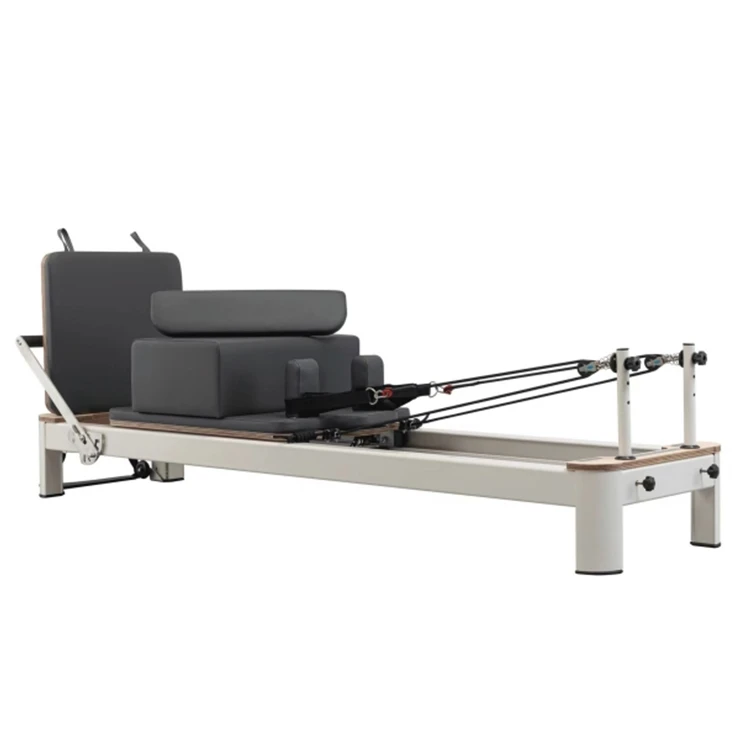
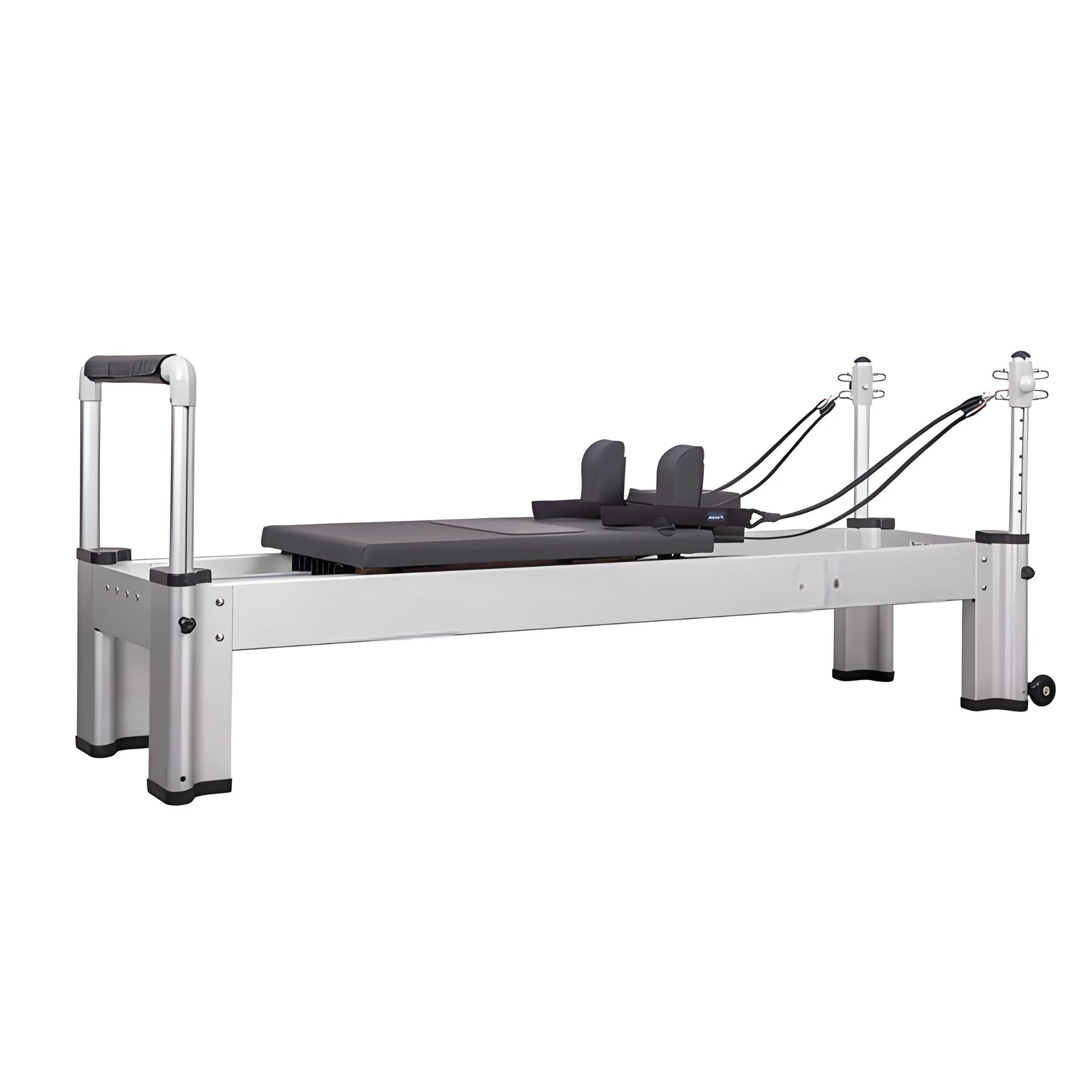
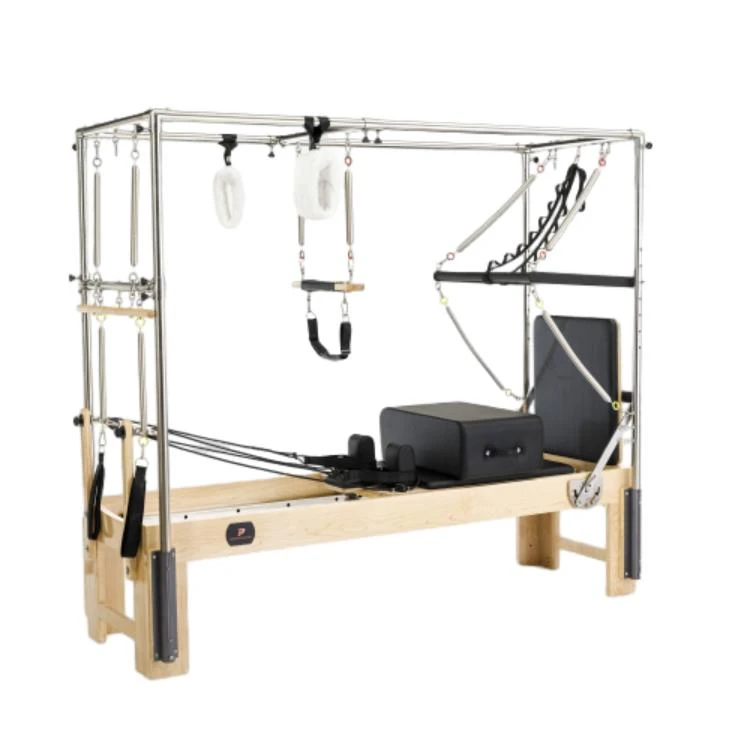
Simply put, a reformer Pilates bed is a sliding platform — commonly known as the carriage — attached to springs that provide adjustable resistance. Originally inspired by Joseph Pilates’ early 20th-century designs, modern reformers have evolved into sophisticated machines combining wood, metal, and often eco-friendly materials.
Users lie, sit, or stand on the carriage while performing exercises that improve muscle engagement, alignment, and coordination. The reformer's versatility means it supports rehabilitation, athletic training, and general fitness alike.
Core Components of Reformer Pilates Beds
- Durability: High-quality wood and metal construction can support extensive use in clinics or gyms. Longevity matters here.
- Adjustability: Springs of varying tension and movable foot bars allow customized resistance, suiting different strength levels.
- Comfort: Cushioned platforms and ergonomically designed straps enhance user experience and prevent injury.
- Portability: Lightweight models exist but tend to compromise some functionality—ideal for home use or traveling instructors.
- Maintenance: Easy-to-clean surfaces and replaceable parts keep equipment hygienic and functional for years.
These factors contribute directly to how reformer Pilates beds perform in real-world scenarios — whether in an intense rehab program or a quiet morning Pilates class at home.
Product Specifications at a Glance
| Feature | Typical Range | Remarks |
|---|---|---|
| Length | 7–8 feet (210–244 cm) | Standard for adult use |
| Width | 22–26 inches (56–66 cm) | Enough space for varied exercises |
| Spring Resistance | Light to heavy (color-coded) | Adjustable for personalized workouts |
| Weight Capacity | 250–350 lbs (113–159 kg) | Varies by model and material quality |
| Materials | Wood, aluminum, stainless steel | Eco-friendly woods increasingly popular |
Global Applications & Use Cases
Reformer Pilates beds aren’t just for elite gyms or wellness centers in metropolitan hubs. Oddly enough, they’re also gaining favor in rehabilitation clinics across Europe and North America, where chronic pain and mobility issues are pressing concerns.
In countries like Australia and Canada, physiotherapists use reformers to help clients recover from sports injuries, joint replacements, and neurological conditions more safely than free-weight resistance training. The controlled environment lowers injury risk while promoting strength.
Meanwhile, remote wellness retreats in Southeast Asia are adopting lighter, portable reformers for clients seeking mindful fitness amidst nature. And social enterprises in urban U.S. neighborhoods use them as part of community health programs aimed at reducing sedentary lifestyles and boosting mental well-being.
Vendor Comparison Table
| Brand | Material Quality | Price Range | Portability | Warranty |
|---|---|---|---|---|
| Balanced Body | Premium hardwood & stainless steel | $3,000–$4,500 | Limited, heavy | 5 years |
| AeroPilates | Aluminum & synthetic | $1,200–$2,200 | Yes, foldable | 2 years |
| Peak Pilates | Wood & steel with eco-foam cushions | $2,500–$3,800 | Moderate weight | 3 years |
Advantages & Long-Term Value of Reformer Pilates Beds
Choosing reformer Pilates beds offers several benefits — logically and emotionally. Cost-wise, while initial investment might seem steep compared to mats or dumbbells, the longevity and versatility justify this price. The equipment supports over 500 different exercises, ensuring varied workouts.
From a sustainability point of view, many manufacturers now use responsibly sourced wood and recyclable metals, aligning with growing environmental concerns. The social impact is notable too: Pilates promotes confidence and independence, key for rehabilitation and mental health.
Users often report a sense of trust and safety, knowing the machine controls movement and reduces injury risks. That psychological comfort can’t be underestimated, especially for older adults or those recovering from surgery.
Future Trends & Innovations
Innovation in reformer Pilates beds is accelerating. I’ve noticed companies experimenting with carbon fiber to lighten weight without compromising strength. Digital integration — like sensor-enabled reformers that track movement and provide live feedback — is already beginning to shape the user experience.
Additionally, green certifications and lifecycle analyses are pushing manufacturers to optimize materials and production. This aligns with global sustainability policies, such as ISO 14001 environmental management standards.
Challenges & Solutions
Of course, there are challenges. The size and weight make transport difficult and sometimes limit home users. Maintenance can also be an issue; springs wear out and strains can occur if parts aren’t replaced on time.
Some studios have tackled this by choosing modular units or partnering with warranty-focused vendors who offer on-demand parts delivery. Others invest in training to maintain equipment properly, ensuring safety and longevity.
FAQ: Frequently Asked Questions About Reformer Pilates Beds
- Q: Are reformer Pilates beds suitable for beginners?
- A: Absolutely. The adjustable resistance springs allow customization to individual strength levels, making reformers accessible for all, from novices to advanced users.
- Q: How much space is needed for a reformer at home?
- A: Typically, you’ll need about 8 feet in length and 3 feet in width to comfortably use the reformer, including space to move around it.
- Q: Can reformer Pilates beds help with injury rehabilitation?
- A: Yes, many physical therapists use reformers because their controlled movements help improve muscle strength and joint mobility safely.
- Q: How often should the springs and straps be replaced?
- A: Spring and strap lifespan depends on usage, but many recommend inspections every 6 months and replacements every 1–2 years for heavily used machines.
- Q: Are portable reformers as effective as standard ones?
- A: Portable reformers are great for travel or small spaces but often have less resistance range and fewer stability features than full-sized versions.
Conclusion: Embracing the Reformer Pilates Bed Lifestyle
To wrap up, reformer Pilates beds offer a compelling mix of versatility, safety, and effectiveness that few other fitness tools can match. They support a broad spectrum of users, from elite athletes to people on rehabilitation journeys, and are embedded in a global wellness movement backed by science and innovation.
Whether you're a fitness professional, health care provider, or just someone seeking improved body awareness, investing in quality reformer Pilates beds pays off in long-term health dividends. Curious? Visit our website to explore our range and find the perfect fit for your lifestyle.
Mini Takeaway: Reformer Pilates beds are not just fitness equipment—they’re gateways to sustainable health, rehabilitation, and mindful movement accessible worldwide.
References
Latest news
-
Professional Pilates Cadillac Reformer for Sale and Buyer GuideNewsApr.16,2026
-
Professional Guide to Finding the Best Pilates Cadillac for SaleNewsApr.09,2026
-
Find the Perfect Cadillac Reformer Combo for Sale and Elevate Your Pilates PracticeNewsApr.07,2026
-
Choosing the Ideal Wooden Pilates Reformer Machine for Your Fitness JourneyNewsApr.04,2026
-
Choosing the Right Wooden Pilates Equipment for Studio and Home UseNewsMar.31,2026
-
Understanding the Versatility and Benefits of the Wood Reformer for PilatesNewsMar.28,2026
- Address
- Room 1601, 1302, Building A, Zijingguandi, Qiaodong District, Xingtai City, Hebei Province, China
- Sandra@raetin.com
- Phone
- +86 18231139331