
Nov . 30, 2025 23:15
Back to list1111
Reformer Machine for Pilates – The Ultimate Guide to Benefits and Buying Tips
Reformer Machine for Pilates: What It Is and Why It’s Gaining Global Attention
If you’re even a little bit interested in fitness, rehabilitation, or mindful movement practices, you’ve probably heard of the reformer machine for Pilates. This isn’t just some niche equipment stacked in boutique studios; it’s a global phenomenon with increasing relevance in health, wellness, and physical therapy sectors everywhere. Simply put, a Pilates reformer is a device that uses springs, pulleys, and a gliding carriage to provide resistance and support during exercise. Why does it matter on a global scale? Well, movement is universal — and so are issues like postural problems, chronic pain, and the need for rehabilitation after injury. With the rise of sedentary lifestyles, aging populations, and a greater emphasis on preventative healthcare, understanding how tools like the reformer machine improve body mechanics is more important than ever. Knowing the benefits of reformer machines helps not just fitness pros, but also healthcare providers, workplace wellness programs, and even insurance companies looking to support long-term health.The Global Context: Pilates Reformer Machines in Today’s Health Industry
Here’s where it gets interesting: The global fitness equipment market, according to the World Bank, is expected to grow dramatically in the next decade, closely tied to evolving consumer health awareness. Pilates equipment, including reformer machines, is a substantial slice of that pie — especially in North America, Europe, and increasingly Asia-Pacific. The UN’s Sustainable Development Goals emphasize good health and wellbeing, which dovetails quite nicely with Pilates reformer adoption worldwide. The machines provide low-impact, customizable workouts that support rehabilitation, injury prevention, and pain management. This is critical because musculoskeletal conditions are among the leading causes of disability globally — think back pain, arthritis, or postural imbalances that quietly erode quality of life. Unfortunately, many people either don’t have access to quality rehabilitation or tend to disregard physical therapy regimes. Here, a reformer machine bridges the gap: it’s a piece of equipment that can be adapted for everyone from elite athletes to elderly patients — enabling guided, effective movement that can be done consistently.What Exactly Is a Reformer Machine for Pilates?
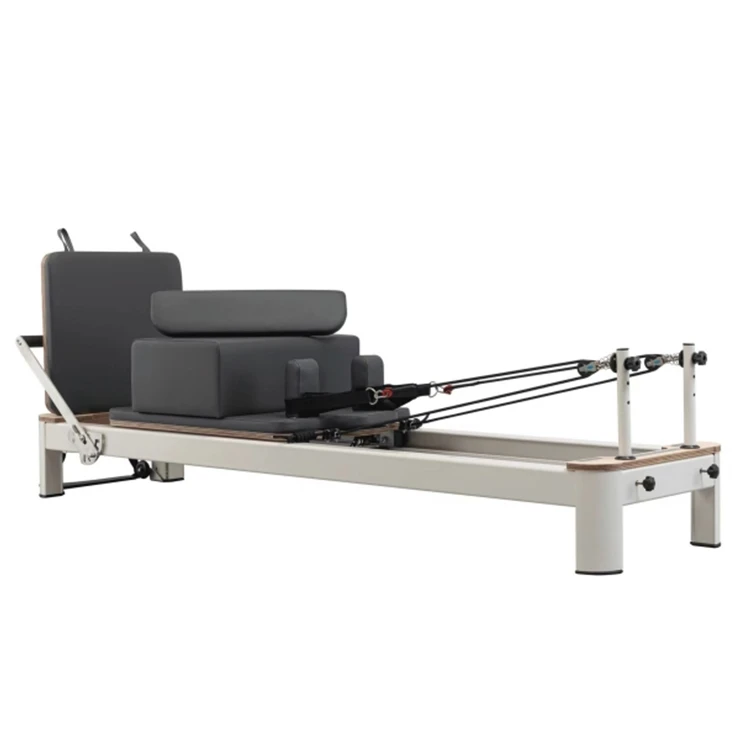
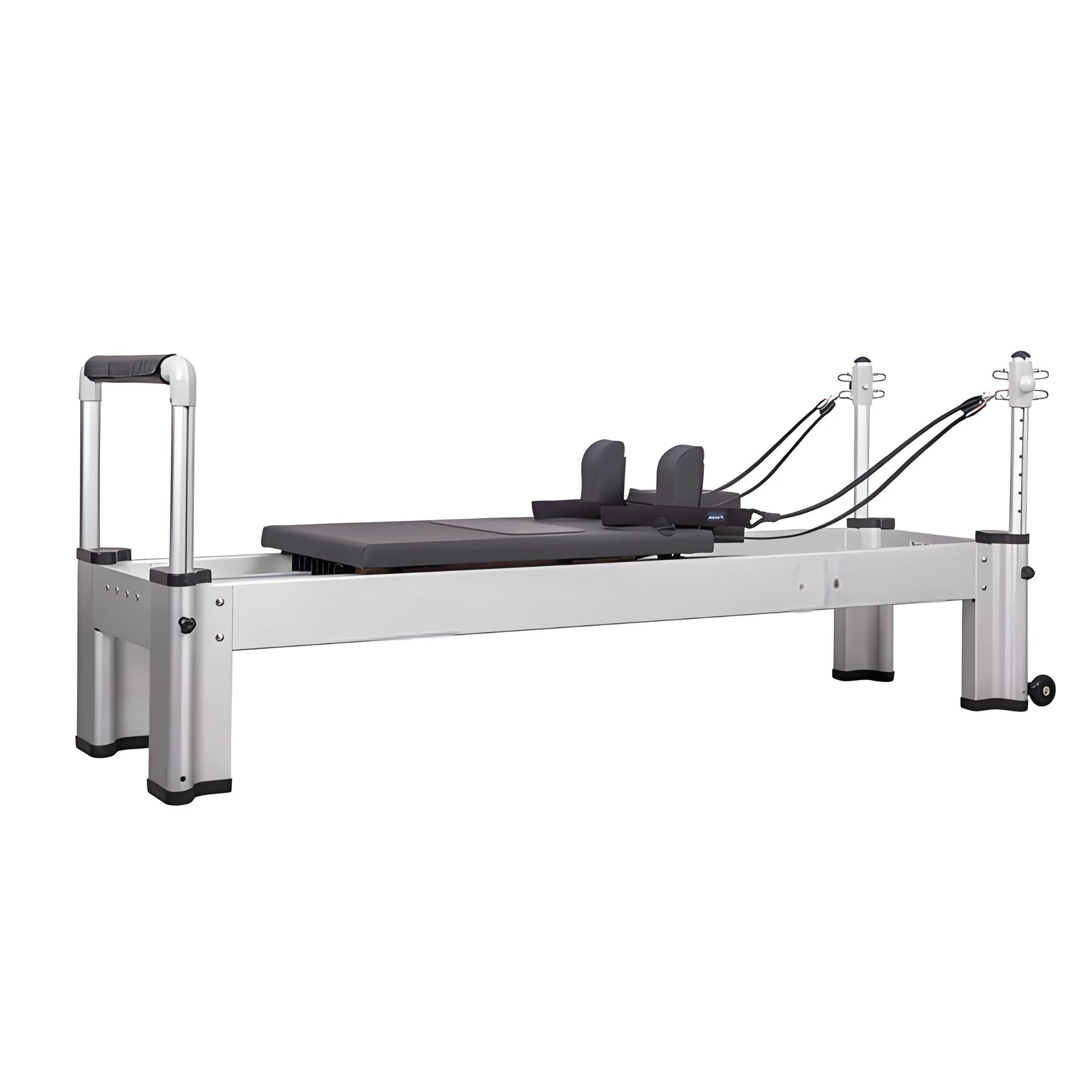
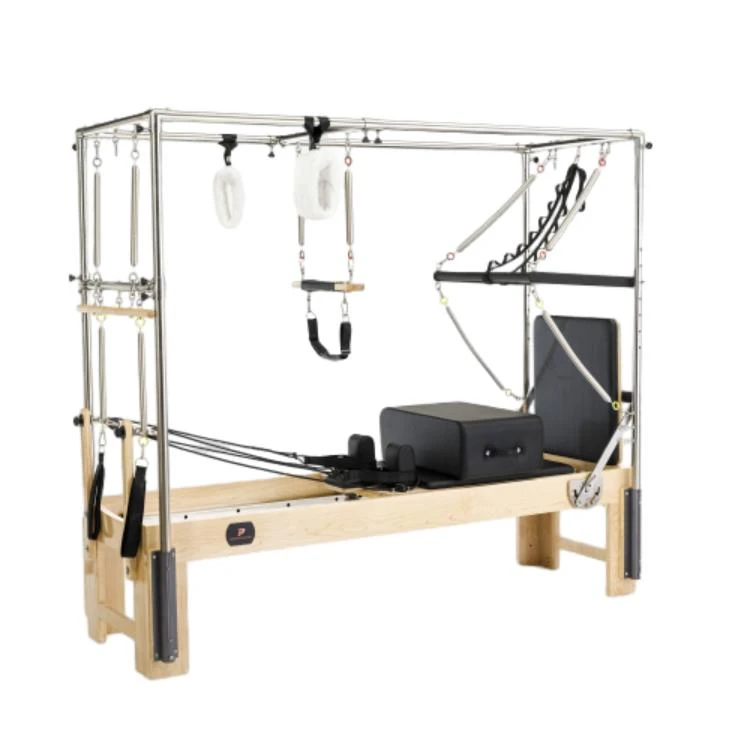
In its simplest terms, the reformer machine for Pilates is a sleek, rectangular frame outfitted with a sliding platform (the carriage), adjustable springs that provide resistance, ropes or straps for pulling motions, and various add-ons like foot bars or shoulder rests. Invented by Joseph Pilates back in the early 20th century, its design encourages core strength, flexibility, balance, and body awareness with precision. You might ask - why use this over just a mat or free weights? The answer lies in control and alignment. The reformer machine offers guided, controlled resistance while supporting the spine and joints. It's that gentle but effective push-and-pull action that engages stabilizing muscles often overlooked in traditional workouts. Given the rising rates of workplace sedentary patterns and chronic fatigue syndromes, the reformer machine fits well into modern rehab protocols and corporate wellness programs — kind of like a swiss army knife for improving movement mechanics and injury resilience.Key Factors That Make Reformer Machines Stand Out
1. Durability and Build Quality
Many engineers and Pilates instructors emphasize the importance of materials — typically heavy-duty aluminum or steel frames with hardwood platforms. This ensures the reformer can withstand daily use, whether in a busy gym or clinical rehab center.2. Adjustability and Versatility
The springs’ tension can be customized, making the machine suitable for beginners, postpartum clients, or seasoned athletes recovering from injury. The carriage’s smooth motion allows a broad spectrum of exercises, adapting to different body types and therapy goals.3. Cost Efficiency Over Time
While initial investment may seem steep compared to simple gym tools, the long-term payback is solid. Multiple users can do vastly different workouts, reducing the need for additional equipment. Plus, many facilities find reformer machines extend client retention because of their results-driven approach.4. Ergonomic Design
Good reformers incorporate padded shoulder blocks, easy-to-reach foot bars, and smooth glide systems to minimize injury risk and maximize comfort. This lowers the injury turnover rate in gyms and rehab centers — something often overlooked when buying equipment.5. Portability and Space Efficiency
In urban areas or smaller studios, foldable or compact models make it feasible to include reformers without sacrificing floor space.Applications Around the World: Who’s Using Reformer Machines?
From bustling urban centers in London to community wellness clinics in Melbourne, reformer machines are everywhere. Hospitals increasingly integrate Pilates into their physical therapy regimens, using reformers to help stroke patients regain movement or assist back pain sufferers. Sports teams—whether in football clubs in the US or soccer academies in Brazil—use reformers for injury prevention and core strengthening. Even corporate wellness programs are jumping on board; some tech companies offer reformer sessions onsite for employees to combat sedentary strain. In developing regions, NGOs consider incorporating such equipment in rehabilitation centers post-disaster (after earthquakes or conflicts) — pairing with expert guidance to restore mobility and dignity for affected populations. It’s a beautiful example of how sophisticated fitness tools can have very human, practical benefit.Mini takeaway:
The reformer machine for Pilates is not only a fitness tool but a versatile device spanning rehab, sports, and wellness globally — contributing tangibly to health outcomes.Advantages & Long-Term Value of Reformer Machines
Besides improving strength and flexibility, reformers boost body awareness and balance — skills we all need more of in the modern world. Cost-wise, they can reduce injuries by guiding safer movement patterns, save money on future healthcare, and improve clients’ trust and motivation. Emotionally, users report feeling more in tune with their body, which fosters confidence and reduces stress. Behaviorally, the machine encourages consistency, as exercises can be adapted and tracked for progress. I’ve noticed clients who felt stuck in traditional routines suddenly find new excitement with reformer sessions. Overall, it’s an investment in durable health, not a quick fix.Innovations on the Horizon
Manufacturers are exploring eco-friendly materials, like sustainably sourced wood and recycled metals, aligning with global sustainability goals. Digital integration is rising, too — with interactive screens built into reformers that guide users through custom workouts or track rehabilitation milestones. Automation may streamline coaching features, helping remote users maintain motivation when in-person sessions aren’t possible. Green energy-powered production lines and modular designs could make reformers more affordable and accessible in emerging markets.Challenges & How the Industry Is Tackling Them
One hurdle is the upfront cost and training required for proper use. Not every gym or clinic can afford multiple machines or certified instructors right away. To overcome this, many companies offer rental programs, financing plans, or online certification courses for trainers. Another issue is space — not everyone has room for bulky equipment. This leads to innovations in compact, foldable reformers, opening doors for home users. Finally, inconsistent quality among vendors can confuse buyers — which makes trustworthy comparisons vital.Product Specifications: A Sample Pilates Reformer Machine
| Feature | Specification |
|---|---|
| Frame Material | Powder-coated steel & hardwood |
| Dimensions (LxW) | 85" x 27" |
| Weight Capacity | Up to 300 lbs |
| Spring Resistance Levels | 5 levels adjustable |
| Additional Features | Foldable frame, padded carriage, rope attachments |
| Warranty | 3 years limited |
Comparing Top Reformer Machine Vendors
| Vendor | Price Range | Material Quality | Warranty | Extra Features |
|---|---|---|---|---|
| PilatesPro | $1,600 - $2,000 | High-grade aluminum & wood | 5 years | Digital workout app included |
| CoreFit | $1,300 - $1,700 | Steel frame, hardwood platform | 3 years | Foldable design |
| FlexiMove | $1,000 - $1,400 | Steel frame, composite decking | 2 years | Compact size, lightweight |
Frequently Asked Questions about Reformer Machines for Pilates
Q1: How long does it take to see results from using a reformer machine for Pilates?A: Generally, you can expect noticeable improvements in flexibility, core strength, and posture within 4 to 6 weeks of consistent use (2-3 sessions per week). Of course, results depend on your starting point, exercise intensity, and technique.
Q2: Can reformer machine workouts help with lower back pain?
A: Yes, many physical therapists incorporate Pilates reformer exercises into back pain rehabilitation programs. The controlled movements strengthen the core muscles that support the spine, reducing strain. However, always consult a professional before starting.
Q3: What makes a good Pilates reformer machine for home use?
A: For home workouts, look for a compact, easy-to-store machine with adjustable resistance. Padded carriage and smooth gliding are key to safety and comfort, especially for beginners. Budget and warranty coverage also matter.
Q4: Are Pilates reformer machines suitable for older adults?
A: Absolutely. Their adjustable resistance and low-impact design make reformers ideal for seniors focused on maintaining mobility, balance, and muscle tone while minimizing joint stress.
Q5: How do I maintain and clean a Pilates reformer machine?
A: Regularly wipe down pads and rails with a damp cloth and mild detergent. Check springs and ropes for wear monthly. Lubricate moving parts per manufacturer recommendations to keep smooth operation.
Wrapping It Up: Why Investing in a Reformer Machine Makes Sense
In the grand scheme, the reformer machine for Pilates is more than fancy gym equipment — it’s a tool that empowers movement, healing, and improved quality of life. It meets a real global need for affordable, adaptable, and effective physical health solutions. For those curious to explore this versatile machine and boost their wellbeing, check out reliable sources and reformer machine for Pilates suppliers that match your needs. At the end of the day, getting the right reformer is an investment in your long-term health and happiness. And that feels like a win all around.References
Latest news
-
Professional Pilates Cadillac Reformer for Sale and Buyer GuideNewsApr.16,2026
-
Professional Guide to Finding the Best Pilates Cadillac for SaleNewsApr.09,2026
-
Find the Perfect Cadillac Reformer Combo for Sale and Elevate Your Pilates PracticeNewsApr.07,2026
-
Choosing the Ideal Wooden Pilates Reformer Machine for Your Fitness JourneyNewsApr.04,2026
-
Choosing the Right Wooden Pilates Equipment for Studio and Home UseNewsMar.31,2026
-
Understanding the Versatility and Benefits of the Wood Reformer for PilatesNewsMar.28,2026
Hot Products
Newsletter
Get the latest updates and offers...
Contact
We are always ready to help you.There are many ways to contact you.You may drop us on line. Give us a
call or send a an email.choose what suits you most.
- Address
- Room 1601, 1302, Building A, Zijingguandi, Qiaodong District, Xingtai City, Hebei Province, China
- Sandra@raetin.com
- Phone
- +86 18231139331