
Reformer Exercise Equipment: Key Benefits, Global Use & Future Trends
Understanding Reformer Exercise Equipment: Why It’s a Game-Changer in Wellness
Reformer exercise equipment might sound like something exclusive to fancy Pilates studios, but its significance goes far beyond the gym walls. Globally, this specialized apparatus is shaping the way people approach fitness, rehabilitation, and even wellness therapy in both personal and clinical spaces. So why does it matter? In a world that’s increasingly health-conscious and mobility-focused, understanding how these machines work and the benefits they bring can tremendously improve the way we manage physical health across ages and abilities.
According to the Global Wellness Institute, the wellness industry is expected to exceed $7 trillion by 2025 — and reformer exercise equipment is a cornerstone segment within that. Its role in injury recovery, strength training, and improving functional movement is now more valuable than ever, especially as sedentary lifestyles and chronic pain affect millions worldwide.
The Global Scene: Why Reformer Equipment Holds Industrial and Humanitarian Weight
It might seem odd to call workout gear “globally relevant” beyond personal health, but reformers tick a lot of boxes in larger contexts. For example, as more professionals incorporate ergonomics and preventive medicine into workplace health strategies, reformers help reduce long-term injury risks and boost productivity.
Data from the World Health Organization suggests that musculoskeletal conditions are one of the leading causes of disability worldwide, affecting over 1.71 billion people. Reformer machines, with their versatile resistance and controlled movement options, offer a practical response to this challenge. Even humanitarian organizations incorporate these devices in rehabilitation centers supporting survivors of disasters or conflict, where structured, low-impact exercise improves recovery outcomes.
What Exactly Is Reformer Exercise Equipment?
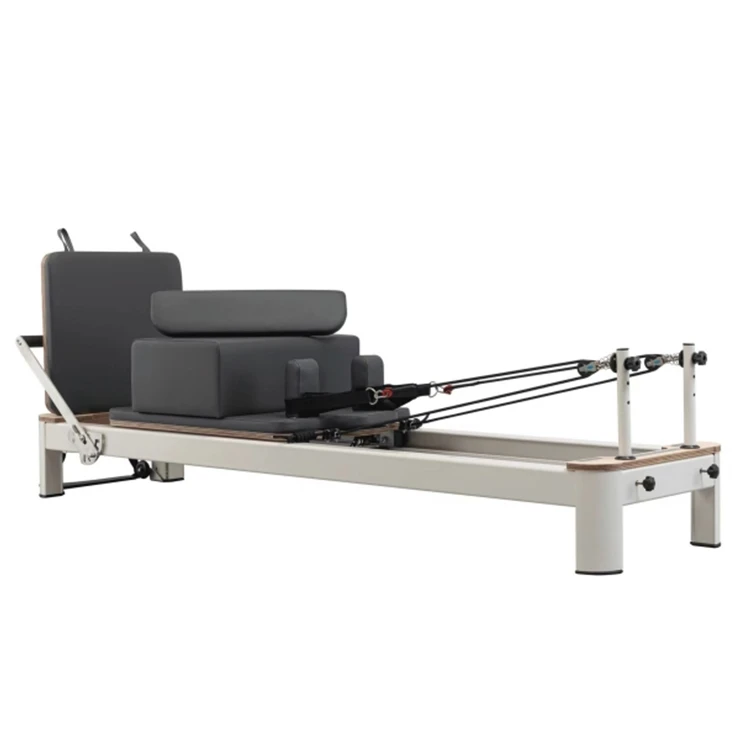
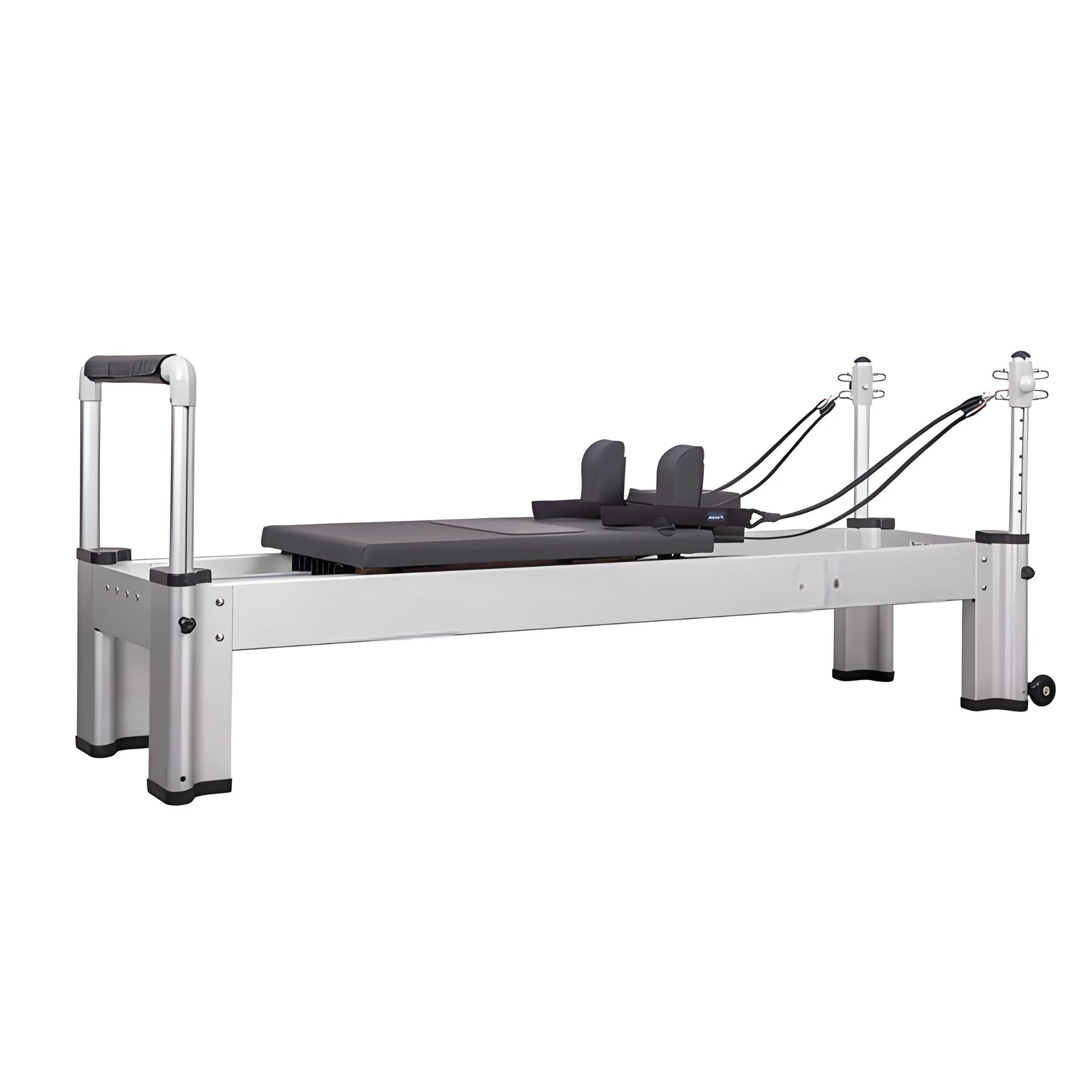
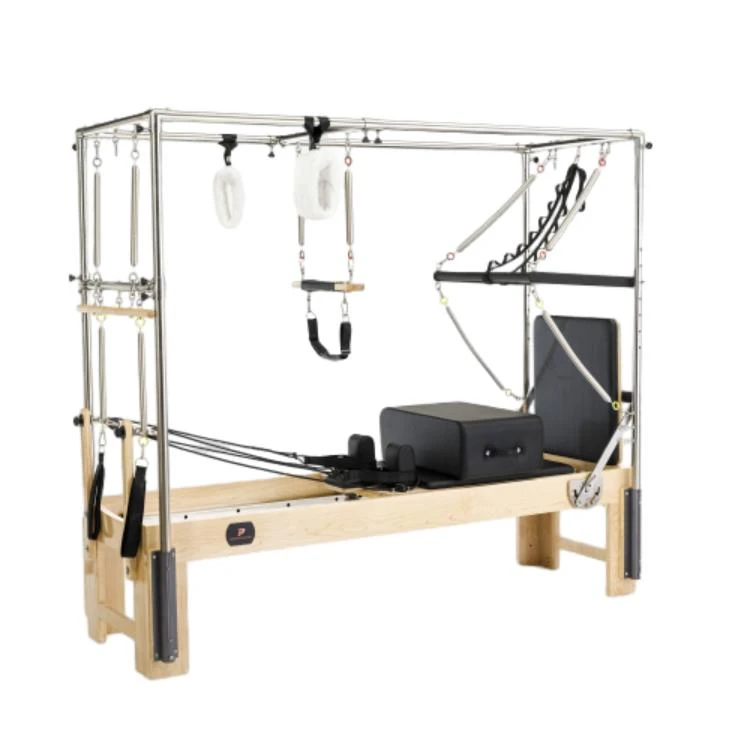
At its core, reformer exercise equipment is a Pilates apparatus featuring a sliding carriage, adjustable springs for resistance, ropes, and pulleys that create a uniquely controlled resistance environment. It’s designed to support body weight using springs rather than just gravity or free weights, allowing for smooth, low-impact workouts that target strength, balance, flexibility, and postural control.
While originating from the Pilates method created by Joseph Pilates nearly a century ago, the reformer has evolved into an impactful piece of modern exercise technology. Whether in clinical therapy settings or luxury gyms, these machines help users improve muscular imbalances and rehabilitate with precision — qualities that make them valuable far beyond casual fitness.
Core Components That Make Reformer Equipment Effective
1. Durability and Build Quality
A solid frame made of wood or aluminum ensures stability and longevity — which is crucial for both daily users and clinics requiring reliable equipment. Many models feature high-grade upholstery and corrosion-resistant metals to endure rigorous use.
2. Adjustable Resistance Mechanism
The signature spring system offers a variety of tensions that suit beginners and advanced users alike. This adjustability translates to customized workouts and therapy sessions tailored to specific strength levels or injury needs.
3. Ergonomics and Comfort
Padded carriages, smooth gliding tracks, and easy-to-grip ropes enhance user comfort, encouraging longer and safer sessions. This design focus supports postural alignment and correct technique, which are key in avoiding injury.
4. Portability and Scalability
Some reformer models come with foldable frames or compact builds, making them easier to transport or fit into smaller spaces — important for mobile therapy units or home setups.
5. User Interface and Accessories
Advanced machines might include digital feedback systems or attachable accessories like jump boards and boxes to expand exercise variety, especially favored in rehab clinics for versatile programming.
How Reformer Exercise Equipment Is Used Worldwide
From Pilates studios in New York to rehabilitation centers in rural India, reformer equipment proves versatile. In developed urban areas, wellness enthusiasts harness these machines for targeted strength training and injury prevention. Meanwhile, in rehabilitative care situations—such as post-stroke recovery programs in Europe or injury management in Australian clinics—they’re integral to patient-centered therapies.
On the humanitarian front, NGOs employ portable reformer setups in disaster-stricken zones where conventional exercise spaces are unavailable. This low-impact, adjustable resistance equipment helps displaced people maintain muscle tone and mobility safely.
- North America: operational in sports therapy and aging population fitness care.
- Europe: popular in clinical rehabilitation and preventive health programs.
- Asia-Pacific: growing adoption in wellness tourism and recovery centers.
- Africa & Latin America: experimental use in community health initiatives.
| Product Specification | Standard Reformer | Compact Model | Therapy Grade |
|---|---|---|---|
| Frame Material | Aluminum | Wood & Aluminum | Stainless Steel |
| Resistance Springs | 5 Tension Levels | 3 Tension Levels | 7 Tension Levels |
| Weight Capacity | 300 lbs | 250 lbs | 350 lbs |
| Dimensions (LxW xH) | 90 x 28 x 15 inches | 72 x 26 x 14 inches | 96 x 30 x 16 inches |
| Accessories Included | Straps, Foot Bar | Straps | Straps, Jump Board, Box |
The Long Game: Why Invest in Reformer Exercise Equipment?
The benefits of reformer exercise equipment span a wide spectrum. From a cost perspective, investing in a machine that lasts years and supports diverse needs — from professional clinics to home fitness — makes financial sense. Sustainability also plays a role; many manufacturers use eco-friendly woods and recyclable materials now, reducing environmental footprints.
Socially, these machines support dignity and independence. Whether it’s elderly users regaining mobility or injured athletes rebuilding strength, reformers inspire trust and progress through safe, measured movement. Emotional wellness rides alongside physical gains, as users appreciate the calm and control Pilates offers.
What the Future Holds: Innovations on the Horizon
Tech-savvy reformer models are incorporating digital tracking and AI coaching, tailoring workouts in real-time and providing immediate feedback on form. Imagine a reformer that “knows” your precise range of motion and resistance needs — that’s not far off.
Sustainability emphasises smart materials: recycled metals, sustainable hardwoods, and even bio-based plastics are seeing increasing use. Additionally, compact, foldable, and lightweight designs will make medical and wellness equipment more accessible globally.
The Road Ahead: Common Challenges and Smart Solutions
Despite their many qualities, reformer machines have challenges — chiefly cost barriers, transport difficulty, and user training complexity. Some models are pricey, which limits access in less affluent areas. Basic instruction is often needed to avoid injury, requiring skilled trainers or therapists on hand.
To solve these, manufacturers and service providers offer modular options, rental programs, and online training aids. NGOs and clinics sometimes partner to distribute mass-usage, ruggedized machines paired with remote coaching. Overcoming these hurdles makes reformers an even stronger global wellness tool.
Frequently Asked Questions About Reformer Exercise Equipment
- What should I consider when choosing reformer equipment for home use?
- Focus on size, weight capacity, and resistance options. Space constraints might mean opting for compact or foldable models. Additionally, check user reviews on durability and ease of adjustment to ensure the machine suits your fitness goals.
- How does reformer equipment aid in injury rehabilitation?
- Its adjustable resistance and controlled movement promote gentle strengthening without strain. Physical therapists can tailor programs for mobility restoration, muscle balance, and posture correction, making it ideal for post-injury or post-surgery care.
- Is reformer exercise equipment suitable for seniors?
- Absolutely. The low-impact nature and customizable resistance levels make reformers excellent for improving balance, flexibility, and muscle tone safely. Many rehab centers incorporate them specifically for older adults.
- Can reformer machines be used remotely or in mobile clinics?
- Yes. Compact and foldable reformer designs facilitate transport, and when paired with digital training tools, they allow therapists to guide patients remotely. This is gaining traction in humanitarian and rural health projects.
- Are there eco-friendly options available?
- Many brands now prioritize sustainable materials and eco-conscious manufacturing. If environmental impact is important to you, look for certifications or brands advertising reclaimed wood frames or recyclable parts.
Wrapping Up
It’s fair to say that reformer exercise equipment isn’t just for Pilates aficionados. It’s a powerful, versatile piece of technology that intersects fitness, medical rehab, and global health solutions. From elite clinics to humanitarian relief centers, these machines are helping people regain strength, dignity, and independence worldwide.
If you’re curious to dive deeper or want to explore a variety of reformer equipment options, check out our extensive collection here: reformer exercise equipment.
Here’s to better movement — one well-crafted session at a time.
References:
1. Global Wellness Institute Report, 2023
2. World Health Organization, Musculoskeletal Disorders Fact Sheet, 2024
3. Joseph Pilates’ original work and modern rehabilitation literature (various)
Latest news
-
Professional Pilates Cadillac Reformer for Sale and Buyer GuideNewsApr.16,2026
-
Professional Guide to Finding the Best Pilates Cadillac for SaleNewsApr.09,2026
-
Find the Perfect Cadillac Reformer Combo for Sale and Elevate Your Pilates PracticeNewsApr.07,2026
-
Choosing the Ideal Wooden Pilates Reformer Machine for Your Fitness JourneyNewsApr.04,2026
-
Choosing the Right Wooden Pilates Equipment for Studio and Home UseNewsMar.31,2026
-
Understanding the Versatility and Benefits of the Wood Reformer for PilatesNewsMar.28,2026
- Address
- Room 1601, 1302, Building A, Zijingguandi, Qiaodong District, Xingtai City, Hebei Province, China
- Sandra@raetin.com
- Phone
- +86 18231139331