
Professional Pilates Reformer Machine – Ultimate Guide for Fitness and Rehab
Understanding the Professional Pilates Reformer Machine: More Than Just a Fitness Tool
At first glance, you might see a professional Pilates reformer machine as simply a sophisticated bench on springs. But to the growing number of studios, rehabilitation centers, and fitness enthusiasts worldwide, this equipment is a cornerstone of wellness and recovery. The global wellness economy is worth trillions now, and knowing how key devices like the reformer influence strength, flexibility, and injury prevention sheds light on why this particular piece of equipment matters beyond the workout.
Why is it so significant globally? Apart from fitness, the professional Pilates reformer machine addresses vital challenges in physical therapy and holistic body mechanics. Around the world, aging populations and sedentary lifestyles fuel a surge in musculoskeletal issues. Ergo, equipment that improves posture and mobility—while adaptable enough for rehabilitation—is incredibly timely.
Mini takeaway: The professional Pilates reformer machine blends fitness and therapy, directly addressing modern health needs with a practical, proven approach.
Global Relevance: A Rising Star in Health and Wellness
It’s quite fascinating — according to the Global Wellness Institute, the wellness economy grew 12.8% between 2017 and 2023 (that’s roughly $7 trillion). A chunk of that comes from fitness equipment sales and rehabilitation devices. Now pilates, with roots back in the early 20th century, has surged in popularity worldwide. The professional Pilates reformer machine sits at the center of this movement, especially in the US, Europe, and increasingly in Asia-Pacific markets.
On a broader scale, these machines help reduce the burden on healthcare by promoting preventive care and effective rehabilitation. For example, people recovering from sports injuries or managing chronic pain often use reformers — their dynamic resistance settings offer gentle yet effective muscle engagement without strain. So the ‘challenge’ here, if you want to call it that, is designing a machine tough enough for heavy use but versatile for diverse users. That’s where the professional Pilates reformer machine really shines.
What Exactly Is a Professional Pilates Reformer Machine?
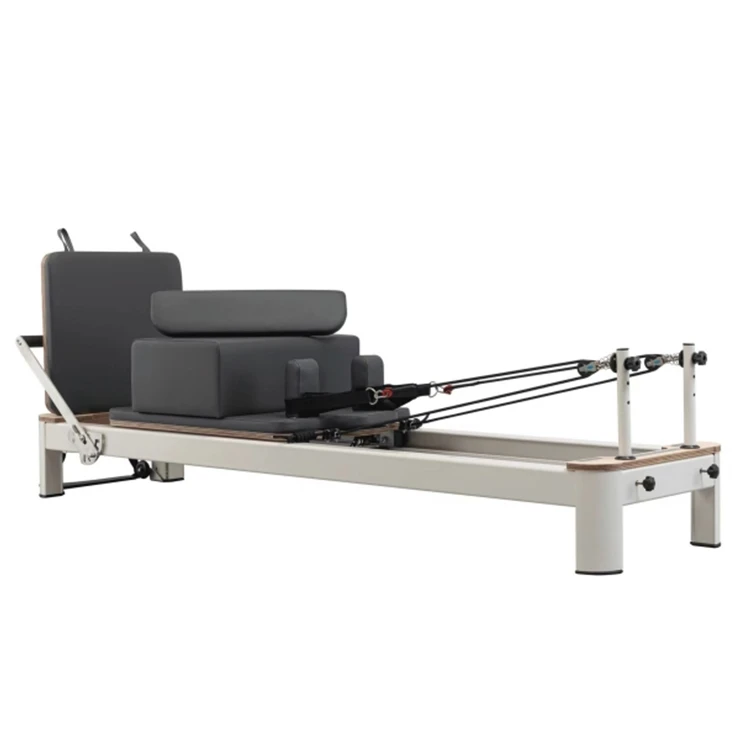
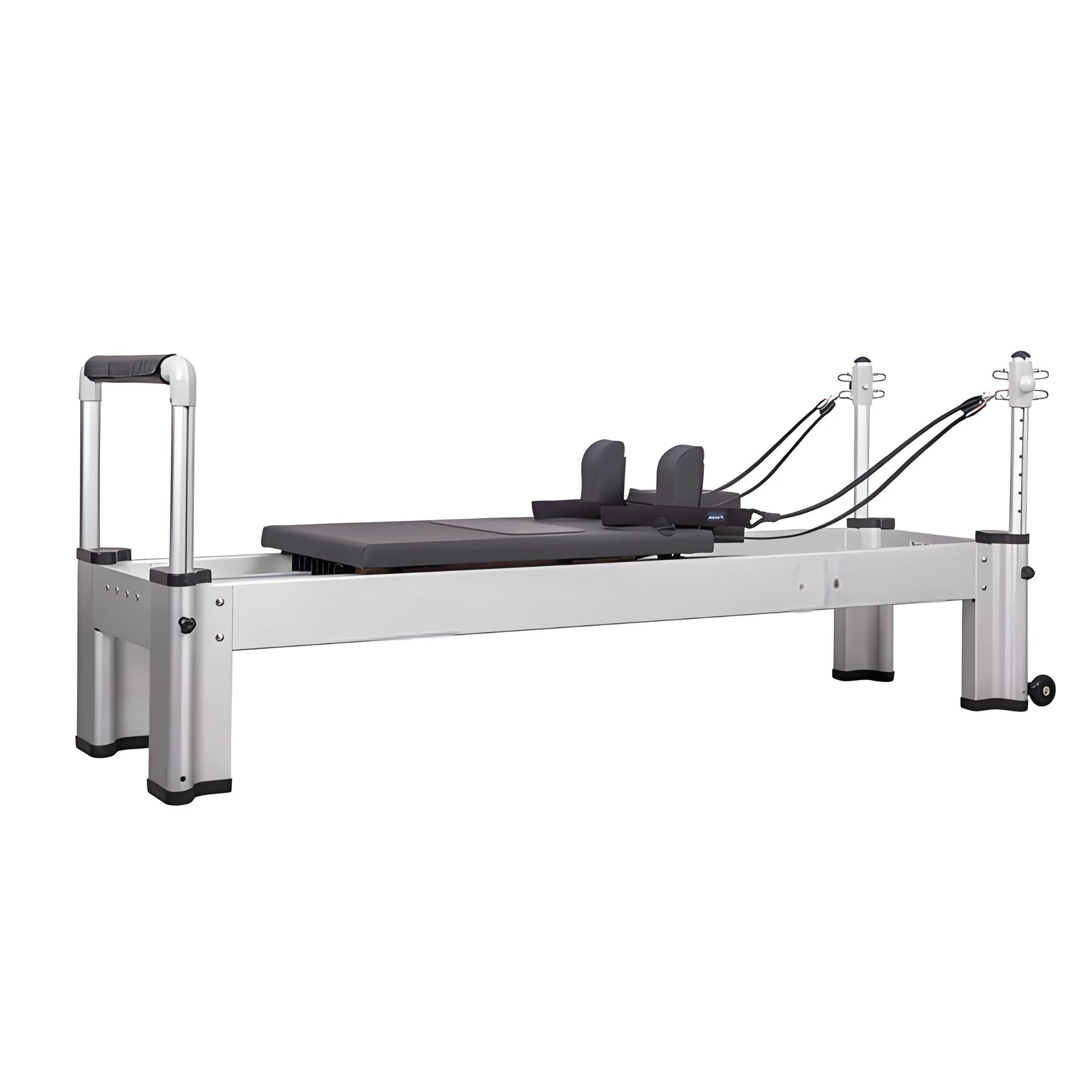
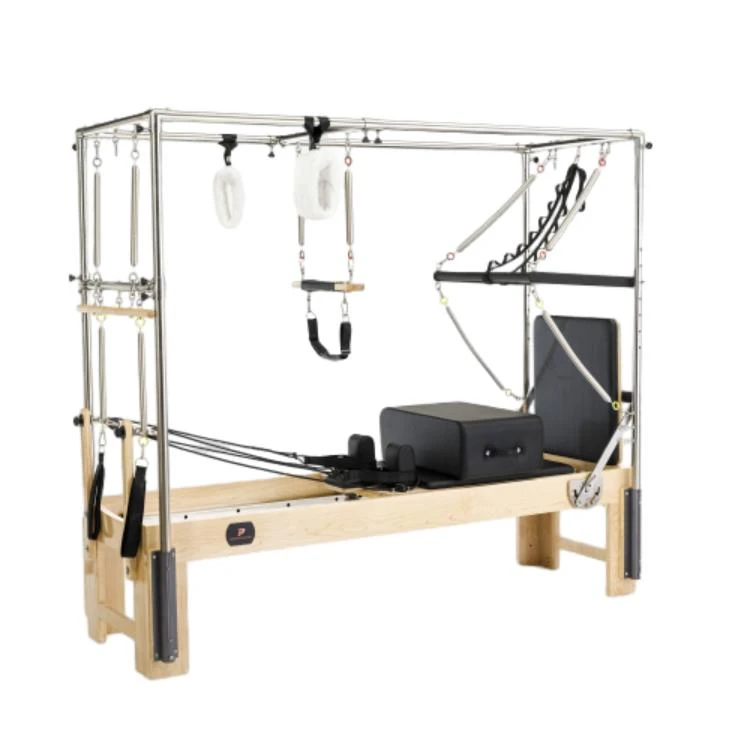
Simply put, it’s a specialized apparatus designed to provide adjustable resistance through springs, pulleys, and a sliding carriage for performing Pilates exercises. The professional qualifier means it's intended for continuous use in studios or clinics, with sturdier materials and advanced features like adjustable foot bars, shoulder rests, and even digital tracking options.
The connection to industry and humanitarian needs might seem subtle, but it’s real. For example, in rehabilitation, these machines offer targeted muscle conditioning and postural correction. They fit perfectly into the wellness industry’s broader ecosystem, which now spans physical therapy centers, athletic training facilities, and health-focused resorts.
Key Components of the Professional Pilates Reformer Machine
Durability and Build Quality
Surprisingly enough, many engineers emphasize that the strength of the frame defines the whole machine's longevity. Materials vary: common frames use aluminum or hardwood, but premium machines employ aircraft-grade aluminum for a balance of durability and lightness.
Adjustable Resistance
Springs create variable tension offering a range of resistance levels. This feature adapts workouts seamlessly from beginner mobility exercises to advanced muscle toning.
Comfort and Ergonomics
Professional models come fitted with padded carriages, ergonomic shoulder rests, and adjustable foot bars—key for user safety and comfort during extended sessions.
Customization and Accessories
Extra straps, jump boards, and even electronic tracking devices may come standard or optional, allowing trainers to fine-tune workouts or monitor performance metrics.
Portability and Footprint
While some high-end reformers are quite hefty, recent trends lean toward compact and foldable designs offering studio flexibility without sacrificing stability.
Maintenance and Serviceability
Because these machines are used extensively, vendor support and easy maintenance (e.g., replacing springs or upholstery) are crucial practical considerations.
| Specification | Standard Professional Reformer | Premium Model |
|---|---|---|
| Material | Hardwood frame | Aircraft-grade aluminum |
| Resistance Levels | 5 springs adjustable | 7 springs + digital control |
| Weight Capacity | 275 lbs (125 kg) | 350 lbs (160 kg) |
| Dimensions | 84" x 27" x 14" | 85" x 28" x 14" |
| Extras | Basic straps, foot bar | Jump board, monitor, adjustable shoulder rests |
Mini takeaway: The professional Pilates reformer machine successfully balances engineering quality with user comfort and versatility, proving essential for both fitness pros and therapists alike.
Global Applications and Real-World Use Cases
If you ask a dozen pilates instructors worldwide, you’ll find a surprising variety of applications. In North America and Europe, professional reformer machines are staples in studios and rehab clinics treating everything from back pain to post-stroke recovery. Meanwhile, in parts of Asia-Pacific, rehab centers embrace them to address postural health amid rising screen-time-related issues.
Interestingly, NGOs focused on injury recovery and mobility improvement in post-disaster zones are starting to use portable reformer-type machines. It feels like a perfect fit: compact, durable, and widely beneficial.
In sports medicine, teams from soccer clubs in the UK to basketball leagues in the US equip athletes with machines to enhance recovery workouts. So you see — it’s not just Pilates enthusiasts. It’s a quiet revolution in movement therapy.
Advantages and Long-Term Value You Can't Ignore
- Cost-effectiveness: Compared with ongoing physical therapy costs, investing in high-quality reformer equipment quickly pays off.
- Sustainable health benefits: Improved posture, muscle balance, and injury prevention are proven outcomes.
- Emotional impact: Users often report increased confidence and a sense of control over their bodies and recovery.
- Reliability: Designed for continuous professional use, these machines withstand heavy session loads.
It’s not just money saved, but the empowerment—the trust in progressive technology helping individuals maintain an active, independent lifestyle.
Looking Forward: What’s Next For Pilates Reformer Machines?
Don’t be surprised if future professional Pilates reformer machines come with integrated AI sensors to monitor real-time biomechanics or even virtual coaching overlays. Sustainable materials are also trending, with manufacturers experimenting with bio-based polymers and recycled metals.
Digital transformation is reality here. Imagine a compact reformer at home connected to apps that track progress or provide remote correction — a blend of hands-on physical work and tech-savvy interaction.
Challenges and How the Industry is Responding
One ongoing challenge is balancing portability with robustness. Many want machines lightweight enough to move between rooms or events, yet also stable and durable for daily rigorous use. Manufacturers are tackling this using modular designs and new lightweight alloys.
Another hurdle? Cost barriers for smaller studios or individual practitioners. Some vendors now offer leasing or rental models, making professional models accessible without upfront hefty investment.
FAQ: Your Top Questions about Professional Pilates Reformer Machines
- What makes a professional Pilates reformer machine different from a home model?
- Professional machines are built with sturdier frames, higher weight capacities, adjustable ergonomic features, and often offer more resistance options. They endure frequent daily use in studios better than most home models designed for lighter use.
- How do you maintain a reformer for long-lasting performance?
- Regular cleaning of padding, lubricating moving parts, and inspecting springs for wear will keep the machine in top condition. Many manufacturers also offer service packages or parts replacements to extend lifespan.
- Is investing in a professional reformer machine worth it for small Pilates studios?
- Yes, because the durability and versatility maximize client satisfaction and reduce costly repairs over time. Leasing options can ease initial costs.
- Can reformer workouts help with chronic pain or injuries?
- Absolutely. The adjustable resistance and low-impact nature make it ideal for rehabilitative exercises tailored by therapists.
- Where can I find high-quality professional Pilates reformer machines?
- You can check trusted vendors online or connect with professional pilates reformer machine suppliers who offer a range of models suited to different needs.
| Vendor | Price Range | Warranty | Key Feature | Customer Rating |
|---|---|---|---|---|
| PilatesPro Gear | $2500 - $3500 | 5 years | Customizable resistance springs | 4.6/5 |
| CoreFit Equipment | $3000 - $4200 | 7 years | Lightweight aluminum frame | 4.8/5 |
| MotionFlex | $2200 - $3200 | 3 years | Integrated digital coaching | 4.4/5 |
Wrapping Up: Why the Professional Pilates Reformer Machine is a Smart Investment
In real terms, the professional Pilates reformer machine is more than gym equipment — it’s a multi-functional tool that supports wellness, recovery, and physical empowerment globally. Whether in a bustling studio, a cozy rehab clinic, or a remote area benefiting from physical therapy, these machines deliver real results.
Thinking of stepping up your fitness or professional service offerings? Visit professional pilates reformer machine suppliers and take a closer look. You’ll find options tailored exactly to your needs, durable enough to last years, and designed to keep you moving healthy and strong.
And if you’re curious about the future of fitness tech, the Pilates reformer is an inspiring example of how tradition and innovation can dance together without missing a beat.
References
Latest news
-
Professional Pilates Cadillac Reformer for Sale and Buyer GuideNewsApr.16,2026
-
Professional Guide to Finding the Best Pilates Cadillac for SaleNewsApr.09,2026
-
Find the Perfect Cadillac Reformer Combo for Sale and Elevate Your Pilates PracticeNewsApr.07,2026
-
Choosing the Ideal Wooden Pilates Reformer Machine for Your Fitness JourneyNewsApr.04,2026
-
Choosing the Right Wooden Pilates Equipment for Studio and Home UseNewsMar.31,2026
-
Understanding the Versatility and Benefits of the Wood Reformer for PilatesNewsMar.28,2026
- Address
- Room 1601, 1302, Building A, Zijingguandi, Qiaodong District, Xingtai City, Hebei Province, China
- Sandra@raetin.com
- Phone
- +86 18231139331