
Professional Pilates Aluminium Reformer | Durable & Sleek
Introduction to Advanced Pilates Reformer Technology and Market Trends
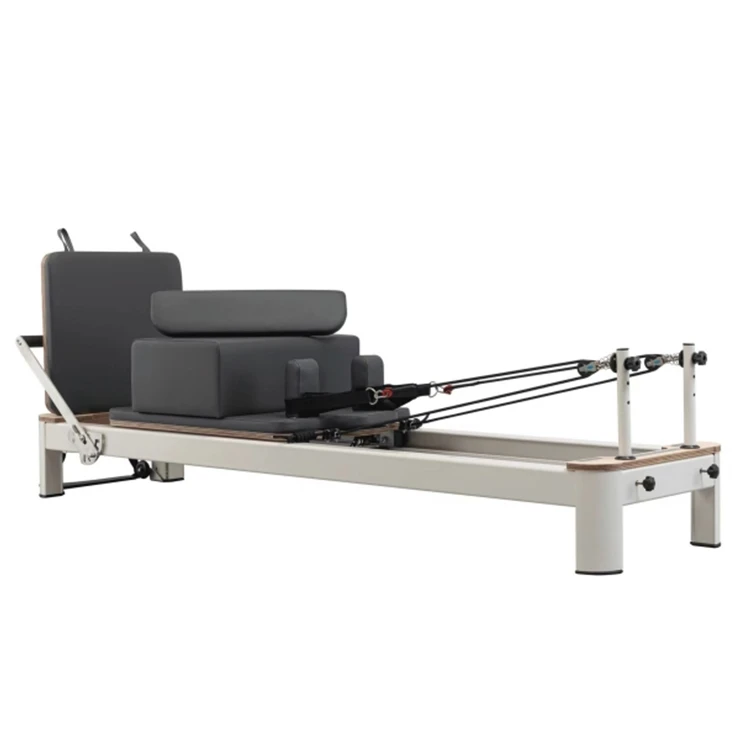
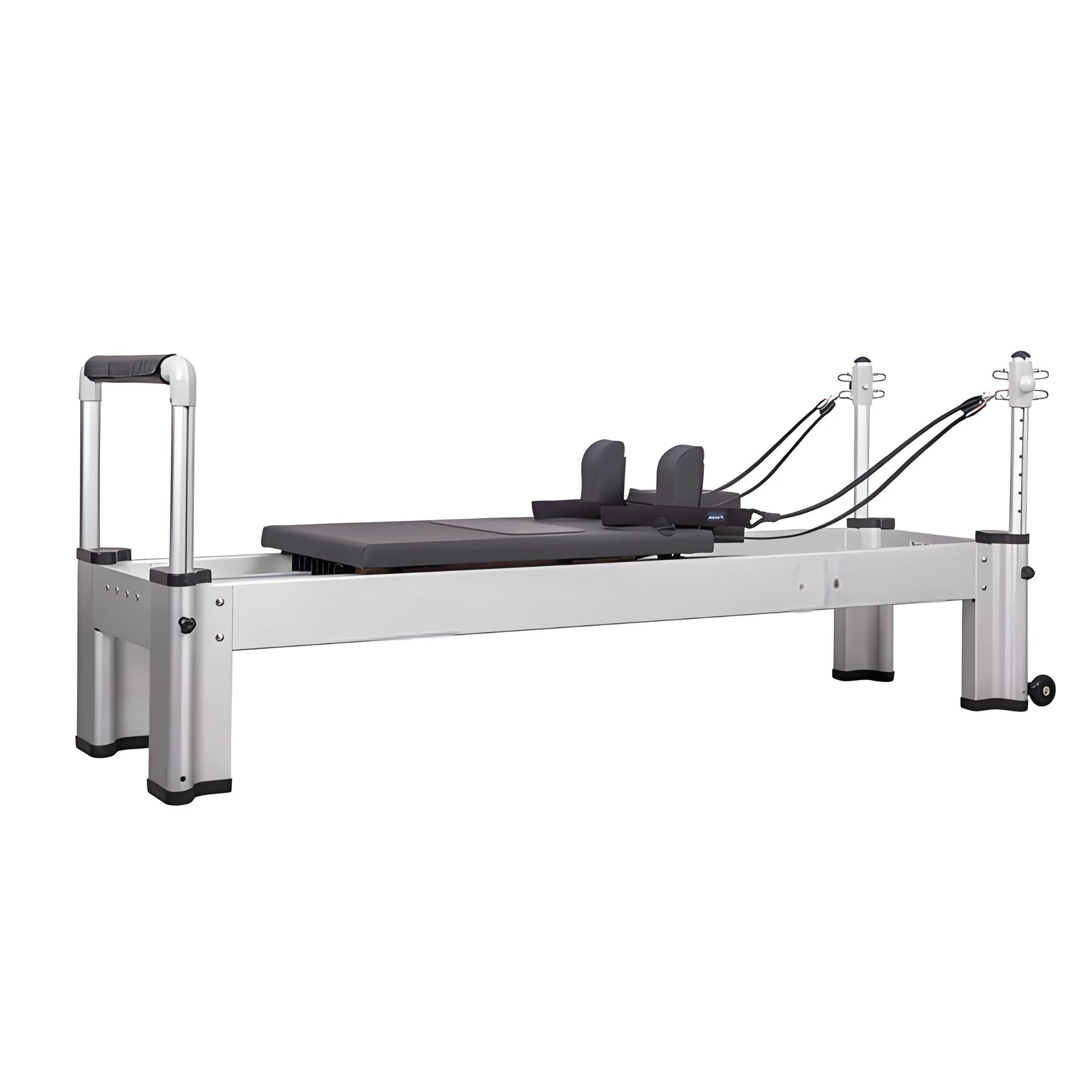
The evolution of fitness technology has brought about significant advancements in Pilates equipment, driving demand for high-performance, durable, and aesthetically superior machines. At the forefront of this innovation is the pilates aluminium reformer, a sophisticated piece of exercise apparatus engineered to meet the rigorous demands of professional studios, rehabilitation centers, and high-end home gyms. Unlike traditional wooden models, aluminum reformers offer a blend of lightweight portability, exceptional durability, and precision engineering that sets a new industry benchmark.
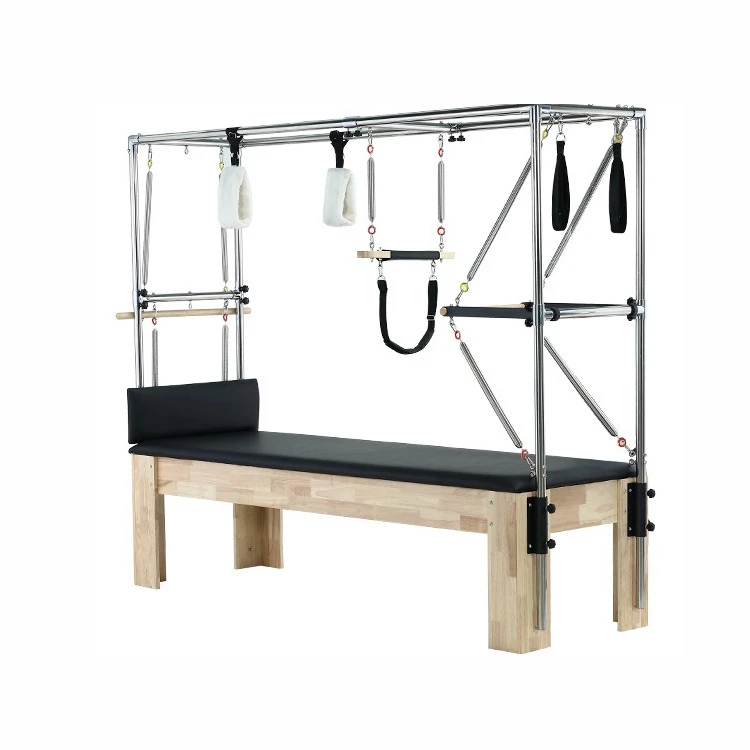
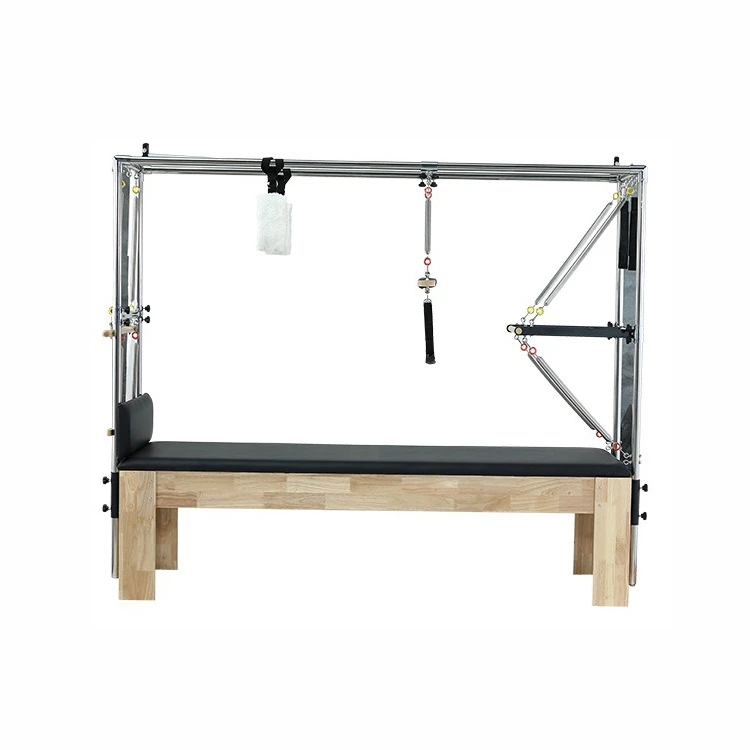
The global Pilates equipment market is experiencing robust growth, projected to reach over USD 2.3 billion by 2027, with a CAGR of approximately 7.5% from 2022. This growth is fueled by increasing health consciousness, the rising popularity of Pilates for core strength and rehabilitation, and technological advancements. Within this dynamic landscape, a clear trend towards premium, low-maintenance, and versatile equipment is discernible. While various types of pilates machines exist, including Cadillac, Chairs, and Barrels, the reformer remains the cornerstone of Pilates practice, and the shift towards aluminum constructions signifies a commitment to long-term performance and user experience. The market segments benefiting from these advancements include commercial fitness facilities, physical therapy clinics, and the burgeoning luxury home fitness sector, all requiring equipment that withstands intensive use while providing superior biomechanical support.
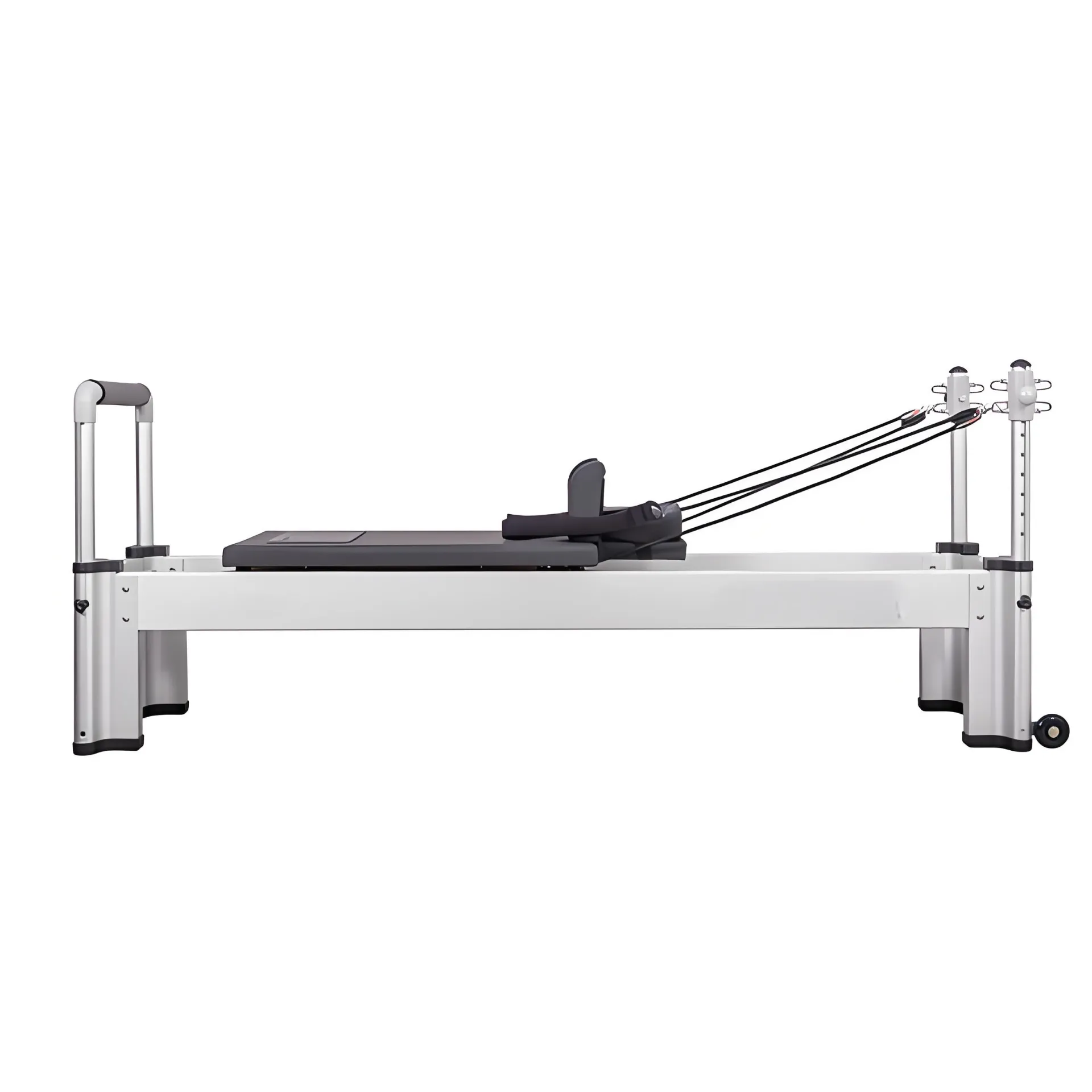
Technical Specifications and Design Principles
The design philosophy behind a modern pilates aluminium reformer prioritizes structural integrity, operational fluidity, and ergonomic adaptability. Critical components include aircraft-grade aluminum frames, precision-machined carriages, and an advanced spring system. Aluminum, particularly alloys such as 6061-T6 or 7075, is chosen for its superior strength-to-weight ratio, excellent corrosion resistance, and ability to be extruded and CNC machined to incredibly tight tolerances.
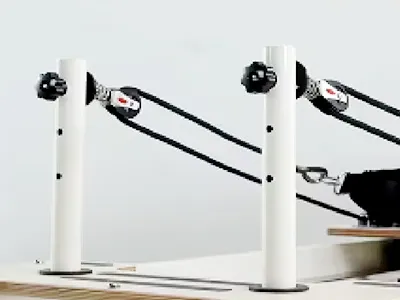
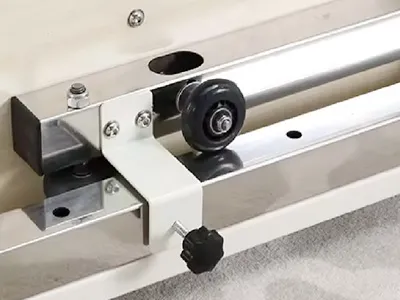
The carriage system, often equipped with eight-wheel constant velocity mechanisms, utilizes sealed bearings to ensure an exceptionally smooth, quiet, and consistent glide. This reduces friction and wear, extending the machine's operational lifespan. Adjustable components, such as footbars, spring resistance, and shoulder rests, are designed for quick, secure adjustments, accommodating a diverse range of user heights and physical capabilities. Upholstery is typically marine-grade vinyl, chosen for its durability, hygiene, and resistance to wear and tear in high-traffic environments.
Product Specification Table: Pilates Aluminum Alloy Reformer
Manufacturing Process and Quality Assurance
The production of a high-quality pilates aluminium reformer involves a precise multi-stage manufacturing process, ensuring both aesthetic appeal and structural integrity.
Process Flow:
- Material Sourcing & Selection: High-grade aluminum ingots or extrusions are rigorously inspected for metallurgical composition and purity, ensuring compliance with international standards such as ASTM B221 (for extruded bars, rods, wire, shapes) or relevant ISO standards for raw materials.
- Precision Cutting & Forming: Aluminum profiles are cut to exact specifications using automated saws. Complex parts, like the carriage tracks or specialized connectors, undergo CNC machining to achieve micron-level precision, critical for smooth operation and perfect alignment.
- Welding & Assembly of Frame: Frame components are carefully joined using TIG (Tungsten Inert Gas) welding, known for its strong, clean welds and minimal distortion. Robotic welding systems may be employed for consistency. Post-welding, frames are inspected for structural integrity and dimensional accuracy.
- Surface Treatment: The aluminum frame undergoes anodizing, an electrochemical passivation process that increases the thickness of the natural oxide layer on the metal surface. This enhances corrosion resistance, wear resistance, and allows for various aesthetic finishes, preventing oxidation and maintaining a pristine look.
- Component Manufacturing: Springs are manufactured from high-tensile steel, often nickel-plated for corrosion resistance and calibrated for precise resistance levels. Upholstery is cut and sewn, often with reinforced stitching, using durable, easy-to-clean materials. Wheels, bearings, ropes, and other accessories are also produced or sourced under strict quality controls.
- Final Assembly: All sub-components are integrated. This includes attaching the carriage, spring system, footbar, risers, and pulleys. Each connection point is checked for proper torque and alignment.
- Testing & Quality Control: Every reformer undergoes rigorous testing. This includes load testing for carriage and frame integrity (e.g., 2x maximum user weight), functional testing of all moving parts (smoothness, noise levels), spring calibration verification, and safety checks for pinch points or sharp edges. Products must comply with international safety standards like CE EN 957-1/2 for stationary training equipment and potentially ISO 20957 for general fitness equipment.
- Packaging: Reformers are securely packed, often using custom-fit foam and reinforced cartons, to prevent damage during transit.
The typical service life of a well-maintained pilates aluminium reformer in a commercial setting is 10-15 years, significantly longer than many alternative materials due to aluminum's inherent durability and resistance to environmental factors. For home use, this lifespan can extend even further.
Application Scenarios and Technical Advantages
The inherent design and material advantages of the pilates aluminium reformer make it suitable for a broad spectrum of application scenarios, from high-traffic commercial environments to specialized therapeutic settings.
Key Application Scenarios:
- Commercial Pilates Studios: The robust construction and easy maintenance make aluminum reformers ideal for intensive daily use in bustling studios. Their modern aesthetic also aligns with contemporary studio designs, attracting a discerning clientele.
- Physical Therapy and Rehabilitation Clinics: Precision engineering ensures consistent resistance and smooth movement, critical for controlled therapeutic exercises. The inherent stability and customizable adjustments support patients with varying mobility needs, aiding in recovery from injuries or managing chronic conditions.
- High-End Home Gyms: For individuals seeking professional-grade equipment for personal use, aluminum reformers offer durability, aesthetic appeal, and often space-saving features (e.g., vertical storage or folding designs for portable models).
- Educational Institutions: Pilates certification programs and university sports science departments benefit from the reliable performance and longevity of these machines for training future instructors and conducting biomechanical research.
Technical Advantages:
- Exceptional Durability and Longevity: Aluminum frames are highly resistant to impact, scratches, and bending, far surpassing the resilience of wood frames in high-usage environments. Anodization further protects against corrosion, making them suitable for humid climates or areas where equipment might be frequently cleaned with disinfectants.
- Lightweight and Portability: While sturdy, aluminum is significantly lighter than steel, and often lighter than solid hardwoods used in pilates wood reformer models. This facilitates easier repositioning, especially for models designed with wheels or folding mechanisms, enhancing versatility in studio layouts or multi-purpose spaces.
- Precision and Consistency: CNC machined aluminum components allow for extremely tight tolerances, ensuring perfect alignment of tracks and wheels. This translates to an ultra-smooth, silent, and consistent carriage glide, which is paramount for effective Pilates instruction and therapeutic outcomes.
- Hygienic and Easy Maintenance: Non-porous anodized aluminum surfaces are inherently more hygienic and easier to clean and disinfect compared to natural wood, which can absorb moisture and require more specialized care.
- Modern Aesthetic: The sleek, metallic finish of aluminum offers a contemporary, tech-savvy look that complements modern interior designs, appealing to clients who value cutting-edge equipment and aesthetics.
Vendor Comparison and Customized Solutions
When investing in high-end Pilates equipment, a thorough vendor comparison is essential. Key factors include build quality, range of features, warranty, after-sales support, and customization options. While many manufacturers offer different types of pilates machines, the differentiation often lies in the engineering details and material choice.
Pilates Aluminium vs. Wood Reformer Comparison:
Customized Solutions:
Understanding that specific B2B clients have unique requirements, many manufacturers offer extensive customization options for the pilates aluminium reformer. These can include:
- Frame Finishes: Beyond standard anodized finishes, options may include powder coating in specific brand colors or brushed metallic effects.
- Upholstery Colors and Materials: A wide palette of marine-grade vinyls or specialty antimicrobial fabrics can be selected to match studio aesthetics or clinical hygiene requirements.
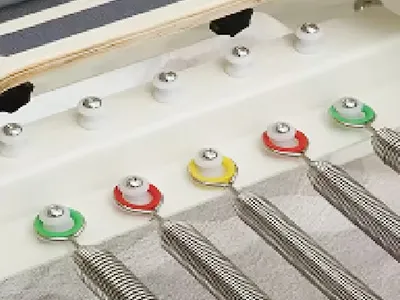
- Spring Configurations: While standard sets are common, clients can often specify different spring resistances or quantities to cater to specific training methodologies or rehabilitation needs.
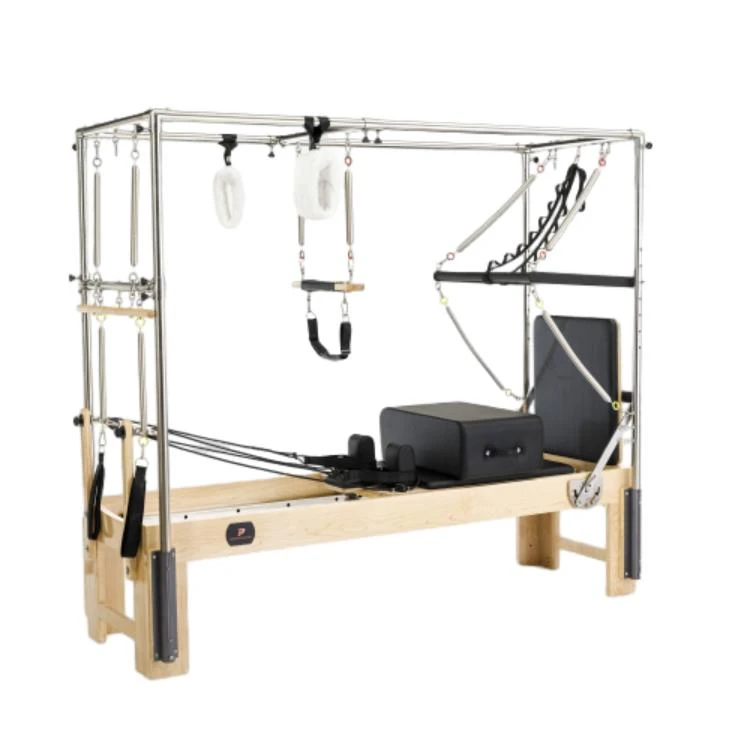
- Accessory Integration: Customization may extend to integrated jump boards, reformer boxes, sitting boxes, or even specialized trapeze bars and push-through bars for comprehensive functionality, aligning with the "Trapeze Reformer Push-Through Bar" aspect of the product name.
- Branding: Integration of company logos or specific markings on the frame or upholstery to reinforce brand identity.
Application Case Studies and Customer Experience
Case Study 1: High-Volume Commercial Pilates Studio
"CoreStrength Elite," a prominent Pilates studio in Sydney, Australia, recently upgraded its entire fleet of 15 reformers to a custom pilates aluminium reformer model. Facing constant wear and tear with their previous equipment, the studio sought a solution that offered enhanced durability, minimal maintenance, and a modern aesthetic that matched their brand. The new aluminum reformers, with their reinforced frames and marine-grade upholstery, have significantly reduced maintenance downtime and cleaning efforts. Client feedback has been overwhelmingly positive, citing the smoother carriage glide and the sleek, professional appearance of the new machines. "Our instructors report superior performance, and clients appreciate the premium feel and quiet operation," notes Studio Manager, Emily R. "The investment has already paid off in increased client satisfaction and operational efficiency."
Case Study 2: Specialist Rehabilitation Clinic
"Movement Recovery Centre," a physical therapy clinic specializing in post-operative and chronic pain management, integrated five aluminum reformers into their rehabilitation protocols. The clinic's physiotherapists emphasized the need for precise, consistent resistance and robust build quality to accommodate diverse patient needs, from gentle mobilization to strengthening exercises for professional athletes. The fine-tuned spring system and easy adjustability of the aluminum reformers have proven invaluable. Dr. Alex Chen, Lead Physiotherapist, states, "The stability and precision of these reformers allow us to tailor exercises with exactitude, crucial for patient progress and safety. The hygienic surfaces are also a major benefit in our clinical environment." The reformers have facilitated faster recovery times and broader exercise prescriptions, leading to improved patient outcomes.
"The performance of our new Pilates aluminum reformers is exceptional. The quiet operation and robust construction have significantly elevated our client experience and streamlined our studio operations. A truly professional-grade investment."
— David L., Owner, Urban Pilates Studio
Authoritativeness and Trustworthiness
Our commitment to quality is underpinned by rigorous adherence to international standards and a transparent approach to product information and customer support. Our pilates aluminium reformer products are manufactured under ISO 9001 certified facilities, ensuring consistent quality management systems. They also hold CE certification, signifying compliance with European Union safety, health, and environmental protection requirements. With over 15 years of experience in producing premium fitness equipment, our brand has become a trusted partner for hundreds of commercial studios and healthcare facilities globally. Our partnerships extend to leading fitness professionals and industry associations, further validating our expertise and product reliability.
Frequently Asked Questions (FAQ):
What is the expected lifespan of the aluminum reformer?
With proper maintenance, our aluminum reformers are designed for a service life of 10-15 years in commercial settings, and even longer for personal home use, thanks to the durable aluminum frame and high-quality components.
How easy is it to maintain the aluminum frame?
The anodized aluminum frame is exceptionally low-maintenance. It can be easily cleaned with a damp cloth and mild, non-abrasive cleaner. Its non-porous surface resists sweat and common cleaning agents, ensuring hygiene and longevity.
Are customization options available for bulk orders?
Yes, we offer extensive customization options for bulk orders, including specific frame finishes, upholstery colors, spring configurations, and branding integration to meet your unique studio or facility requirements. Please contact our sales team for detailed consultation.
Lead Time, Warranty, and Customer Support:
- Lead Time: Standard lead time for in-stock models is 2-4 weeks. For customized or large bulk orders, lead times typically range from 6-10 weeks, depending on the complexity and volume. Expedited shipping options are available upon request.
- Warranty: We provide a comprehensive 10-year warranty on the aluminum frame and structural components, and a 2-year warranty on all moving parts and upholstery, demonstrating our confidence in product durability and quality.
- Customer Support: Our dedicated customer support team is available Monday to Friday, 9:00 AM to 5:00 PM (GMT), via phone, email, and live chat to assist with technical queries, parts ordering, and service requests. We also offer installation guides and virtual setup support.
Conclusion
The pilates aluminium reformer represents a significant advancement in fitness equipment, offering a compelling combination of durability, precision, modern aesthetics, and ease of maintenance. For B2B decision-makers in commercial fitness, rehabilitation, and luxury hospitality sectors, investing in these advanced machines ensures long-term value, superior user experience, and operational efficiency. As the fitness industry continues to evolve, the demand for high-performance equipment that stands the test of time and intensive use will only grow, solidifying the aluminum reformer's position as a premium choice.
References
- Grand View Research. (2022). Pilates Equipment Market Size, Share & Trends Analysis Report.
- International Organization for Standardization. (2020). ISO 9001: Quality management systems — Requirements.
- European Committee for Standardization. (2014). EN 957-1: Stationary training equipment – Part 1: General safety requirements and test methods.
- ASTM International. (2020). ASTM B221: Standard Specification for Aluminum-Alloy Extruded Bars, Rods, Wire, Shapes, and Tubes.
Latest news
-
Professional Pilates Cadillac Reformer for Sale and Buyer GuideNewsApr.16,2026
-
Professional Guide to Finding the Best Pilates Cadillac for SaleNewsApr.09,2026
-
Find the Perfect Cadillac Reformer Combo for Sale and Elevate Your Pilates PracticeNewsApr.07,2026
-
Choosing the Ideal Wooden Pilates Reformer Machine for Your Fitness JourneyNewsApr.04,2026
-
Choosing the Right Wooden Pilates Equipment for Studio and Home UseNewsMar.31,2026
-
Understanding the Versatility and Benefits of the Wood Reformer for PilatesNewsMar.28,2026
- Address
- Room 1601, 1302, Building A, Zijingguandi, Qiaodong District, Xingtai City, Hebei Province, China
- Sandra@raetin.com
- Phone
- +86 18231139331