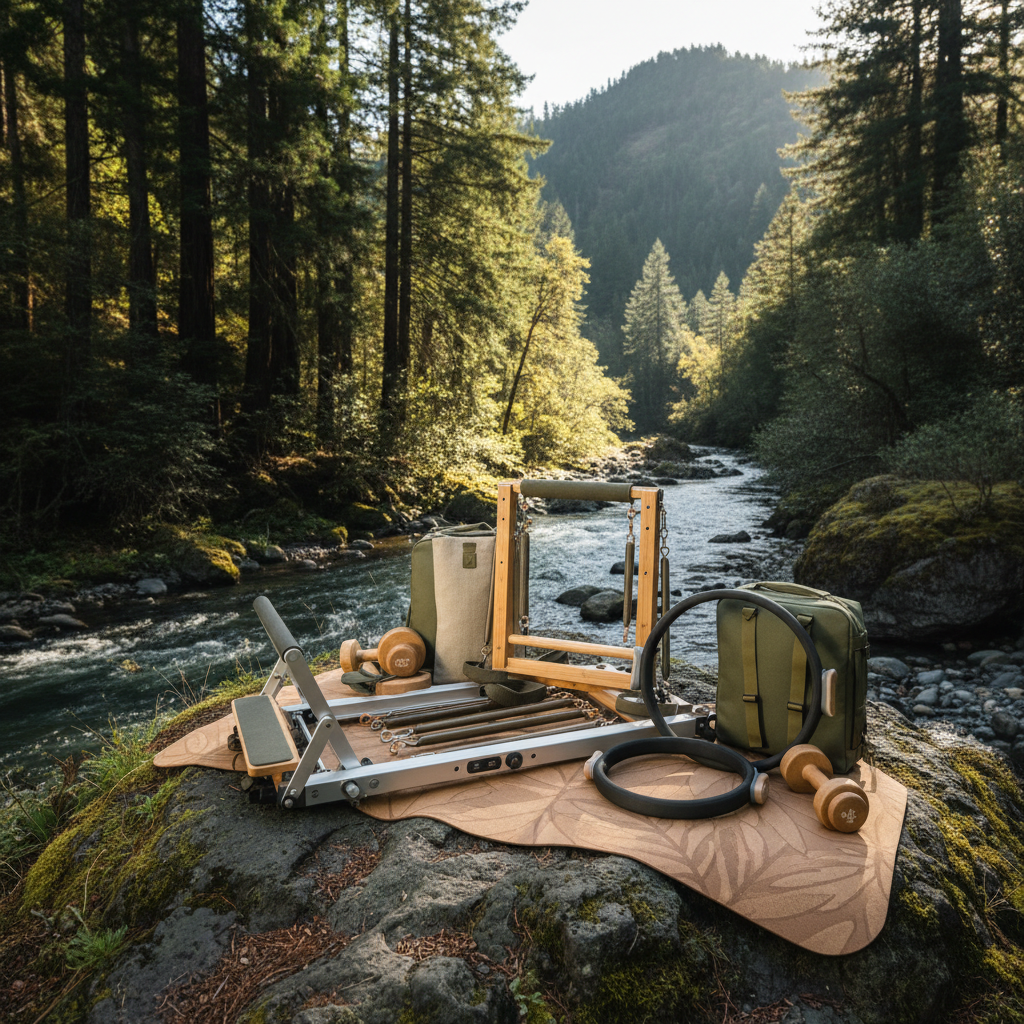
Integrating high-quality exercise ball equipment into a wellness routine has evolved from a niche fitness trend into a global standard for musculoskeletal health. These versatile tools are no longer just gym accessories but are essential instruments for improving core stability, enhancing balance, and facilitating physical rehabilitation across various demographics.
The global shift toward preventative healthcare and ergonomic workplace solutions has accelerated the demand for professional-grade exercise ball equipment. As sedentary lifestyles become more prevalent, the need for dynamic seating and active recovery tools has pushed manufacturers to innovate with burst-resistant materials and ergonomic designs that support the natural curvature of the spine.
Understanding the nuances of exercise ball equipment—from the technical specifications of PVC materials to their application in conjunction with Pilates Cadillac Beds and Reformers—allows practitioners to maximize their physical output while minimizing the risk of injury. By bridging the gap between simple stability and complex functional movement, these tools provide a foundation for long-term athletic longevity.
Global Relevance of Exercise Ball Equipment
On a global scale, the adoption of exercise ball equipment has mirrored the rise of the "Active Aging" movement. According to health data trends aligned with ISO standards for fitness equipment, there is a significant correlation between the use of unstable surface training and a reduction in fall-related injuries among elderly populations in Europe and North America.
Beyond the gym, these tools have entered the corporate sector to combat the "sitting disease" identified by various occupational health organizations. By replacing traditional chairs with stability balls, companies are seeing a measurable increase in employee engagement and a decrease in reported chronic lower back pain, proving that functional equipment is a necessity for the modern workspace.
Defining Modern Exercise Ball Equipment
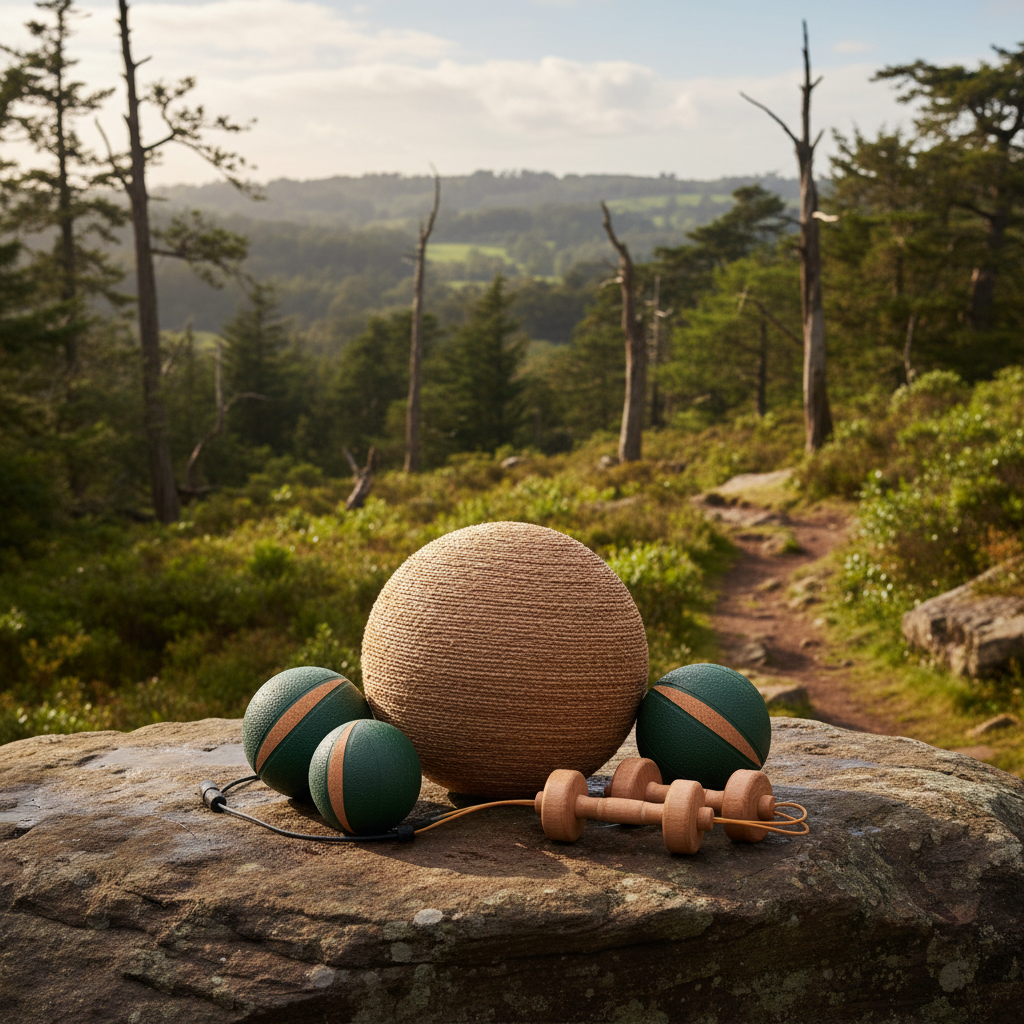
At its core, exercise ball equipment refers to a category of inflatable, air-filled spheres designed to create an unstable surface that forces the body to engage stabilizing muscles. While they appear simple, professional-grade versions are engineered from high-density, anti-burst PVC to ensure user safety even under extreme pressure or accidental punctures.
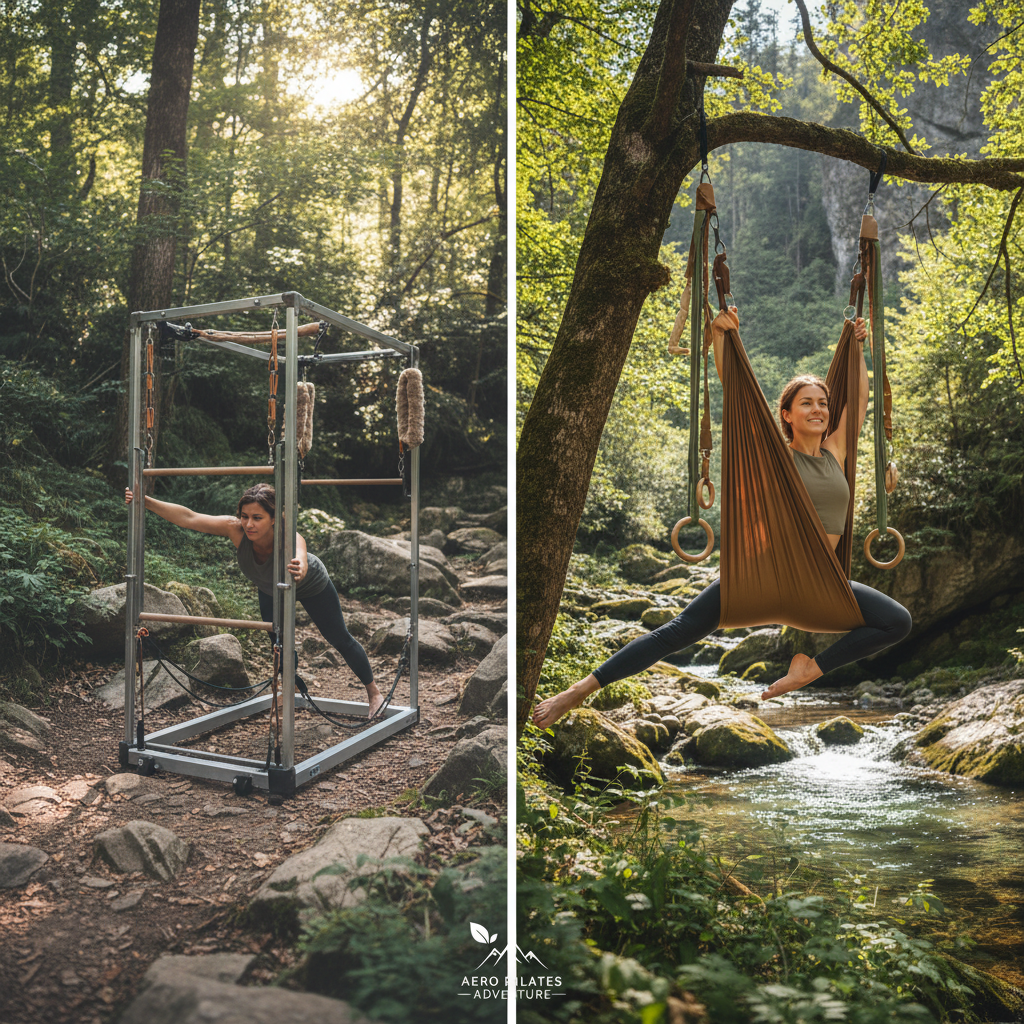
In the context of modern sports science, this equipment serves as a bridge between static stretching and dynamic strength training. When integrated with other apparatus like the Pilates Reformer or Spine Corrector, these balls allow for a multi-planar range of motion that traditional weights cannot replicate, facilitating deep core activation and joint mobilization.
From a humanitarian and healthcare perspective, these tools are invaluable in physical therapy clinics worldwide. Their portability and versatility make them ideal for low-cost, high-impact rehabilitation programs in underserved regions, allowing patients to regain motor control and balance through a series of scalable, low-impact movements.
Core Components of Quality Equipment
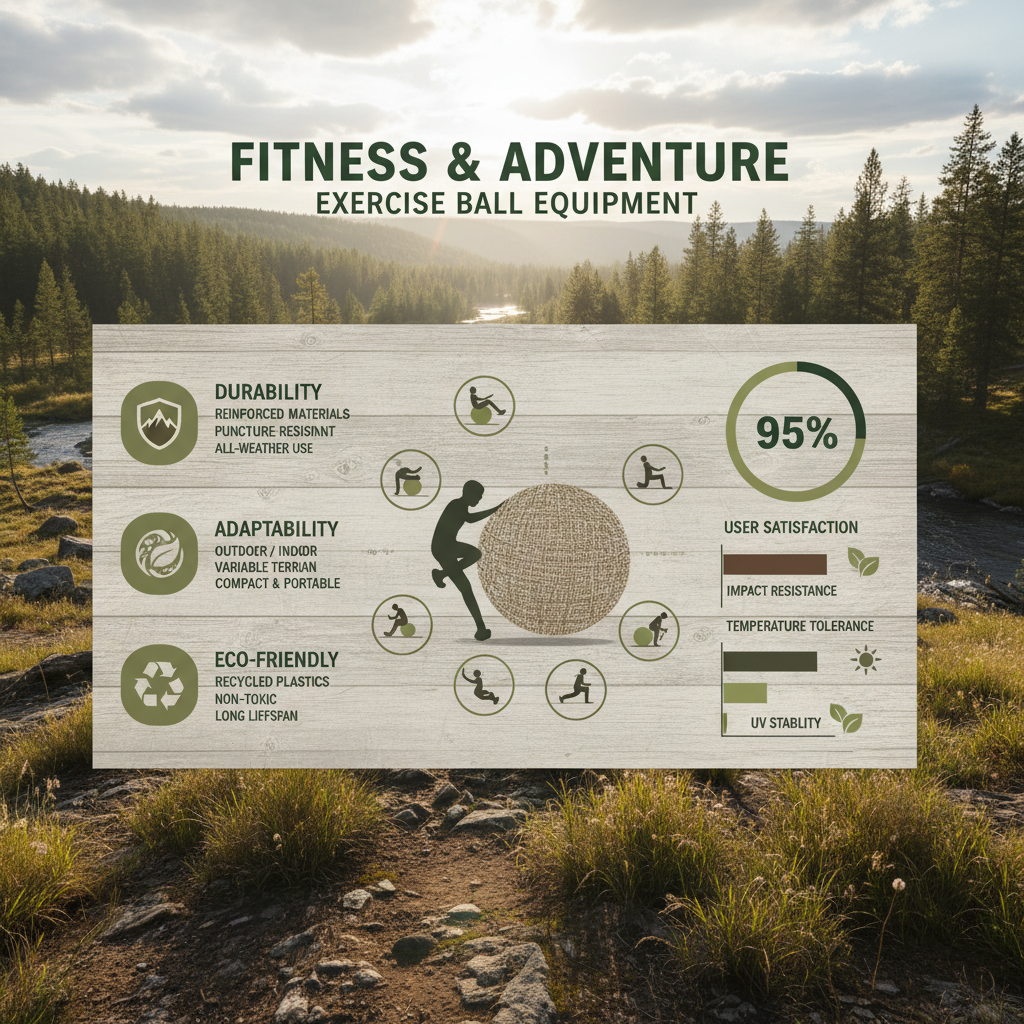
Durability is the primary benchmark for any professional exercise ball equipment. The use of anti-burst technology ensures that if the material is compromised, the ball deflates slowly rather than popping violently, which is a critical safety requirement for commercial fitness centers and home users alike.
Scalability in sizing is another essential factor. Different diameters (typically ranging from 45cm to 75cm) are engineered to match the user's height and the specific goal of the exercise, whether it is deep pelvic floor activation or full-body stability work during advanced Pilates sequences.
Material biocompatibility and grip texture also play a vital role. High-end equipment features a non-slip matte finish that prevents the ball from sliding on hardwood or tile floors, providing the necessary friction for safe execution of planks, bridges, and balance-based rotations.
Practical Applications and Use Cases
The application of exercise ball equipment extends far beyond basic abdominal crunches. In professional athletic training, these tools are used for "proprioceptive training," where athletes improve their brain-body connection by performing movements on an unstable base, thereby reducing the risk of ankle and knee sprains during high-impact sports.
In clinical settings, such as post-surgical rehabilitation in remote industrial zones or specialized sports clinics, stability balls are used to re-educate the core muscles after spinal surgery. By introducing controlled instability, therapists can gradually increase the difficulty of a patient's routine, moving from seated balance to full-body integration.
Effectiveness Comparison of Exercise Ball Equipment Types
Long-Term Value and User Benefits
The long-term value of investing in premium exercise ball equipment lies in its ability to provide a low-impact alternative to traditional weightlifting. By reducing the compressive load on the joints while increasing the demand on the stabilizer muscles, users can achieve significant strength gains without the wear and tear associated with high-impact machinery.
Emotionally, the use of these tools fosters a sense of mindfulness and body awareness. The constant micro-adjustments required to maintain balance on a ball promote a state of "active concentration," which reduces stress and enhances the psychological connection between mental intent and physical execution, leading to a more holistic sense of well-being.
Future Innovations in Fitness Tools
The future of exercise ball equipment is moving toward "smart" integration. We are seeing the emergence of balls embedded with pressure sensors and haptic feedback systems that connect to mobile apps, providing real-time data on balance distribution and posture correction during a workout.
Sustainability is also driving material innovation. The industry is shifting away from traditional PVC toward biodegradable, eco-friendly elastomers that maintain the same burst-resistant properties but leave a significantly smaller carbon footprint. This transition aligns with global green energy goals and the demand for sustainable manufacturing.
Furthermore, automation in design—such as 3D-printed internal structures—will allow for "variable tension" balls. These future tools will be able to change their firmness dynamically based on the user's weight or the specific phase of the exercise, offering a customized experience that was previously impossible with air-filled equipment.
Overcoming Common Implementation Challenges
One of the most common challenges with exercise ball equipment is the "learning curve" associated with balance. Many beginners experience frustration or instability, which can lead to improper form. The solution lies in a tiered approach: starting with the ball against a wall for support before moving to open-space exercises.
Another limitation is the tendency for users to over-inflate the ball, which can actually reduce its effectiveness for certain stability exercises. Expert insights suggest using a calibrated pump to ensure the ball maintains a slight "give," allowing for the natural movement of the pelvis and spine during complex Pilates maneuvers.
Finally, storage and maintenance often pose hurdles in small home environments. The industry has responded by developing higher-quality, compact deflation valves and durable carrying cases, ensuring that professional equipment can be easily transported and stored without losing its structural integrity over time.
Analysis of Exercise Ball Equipment Performance and Safety Metrics
| Equipment Material |
Burst Resistance Score |
Stability Rating |
Eco-Friendliness |
| Standard PVC |
7/10 |
6/10 |
Low |
| Anti-Burst PVC |
10/10 |
8/10 |
Medium |
| Eco-Elastomer |
9/10 |
9/10 |
High |
| Medical Grade TPE |
8/10 |
10/10 |
Medium |
| Reinforced Rubber |
9/10 |
7/10 |
Low |
| Hybrid Composite |
10/10 |
9/10 |
Medium |
FAQS
Generally, users under 5'4" should opt for a 55cm ball, those between 5'5" and 5'9" typically use 65cm, and those over 5'10" should use 75cm. The goal is to ensure that when you sit on the ball, your hips are slightly higher than your knees, forming a 90-degree angle for optimal spinal alignment and core engagement.
Yes, anti-burst technology is highly recommended. While a standard ball may pop suddenly if punctured, anti-burst material deflates slowly. This prevents sudden falls that could lead to wrist or head injuries, making it a critical safety feature regardless of whether the ball is used in a gym or a living room.
It can be a great supplement. Using a stability ball for 1-2 hours a day encourages "active sitting," which engages the core and reduces lower back pressure. However, it is not recommended for 8 full hours as the lack of back support can lead to fatigue; alternating between a standard ergonomic chair and a ball is the best approach.
You should check the pressure weekly or before every intense workout session. Temperature changes can cause the air inside to expand or contract, affecting the ball's stability. A slightly under-inflated ball can be too unstable, while an over-inflated one can be too hard and lack the necessary cushioning for the spine.
Many people with back injuries benefit from stability balls, but it is crucial to consult a physician or physical therapist first. Under professional guidance, these tools are excellent for gentle mobilization and core strengthening, but incorrect form on an unstable surface can potentially exacerbate certain disc issues.
Avoid using harsh chemical solvents which can degrade the PVC or elastomer. Use a damp cloth with mild soap and water to wipe down the surface after use. To maintain the shape, store the ball in a cool, dry place away from direct sunlight, as UV rays can cause the material to become brittle over time.
Conclusion
In summary, exercise ball equipment represents a powerful intersection of ergonomic engineering and physical therapy. From enhancing core stability and proprioception to providing sustainable solutions for workplace wellness, these tools offer immense long-term value. By prioritizing durability, anti-burst safety, and proper sizing, users can transform their fitness journey into a safer, more efficient experience that supports the body's natural mechanics.
Looking forward, the integration of smart technology and biodegradable materials will continue to elevate the standard of fitness equipment. Whether you are a professional athlete, a rehabilitation patient, or a corporate professional, incorporating high-quality stability tools into your daily routine is a strategic investment in your long-term health. To explore professional-grade equipment and elevate your practice, visit our website: www.pilatesports.com.