
Pilates Reformer Price Guide – What You Need to Know Before Buying
Understanding Pilates Reformer Price: What You’re Really Paying For
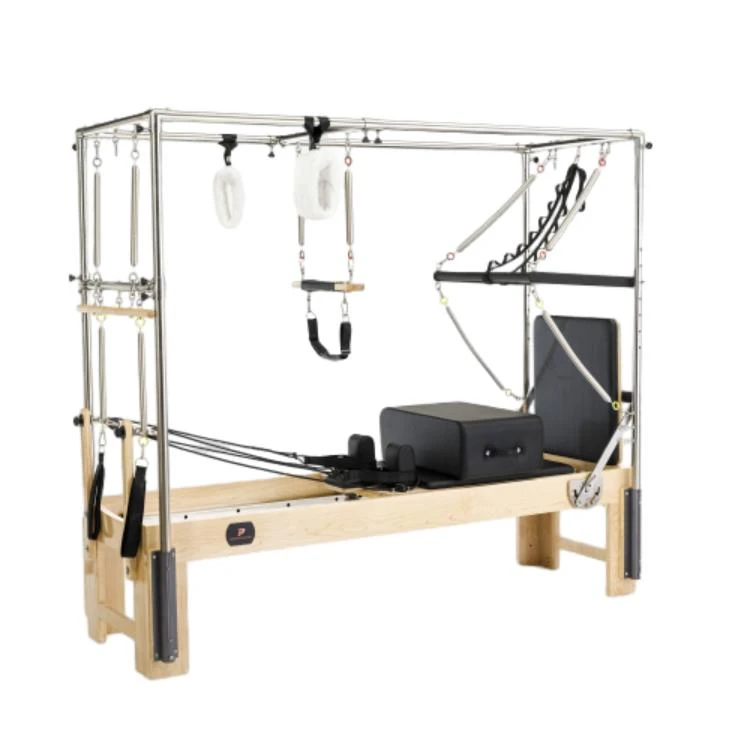
Having spent well over a decade in the industrial equipment sector, I’ve seen my fair share of product pricing puzzles — and the Pilates reformer price question is no different. On the surface, it might seem like you’re just buying a hoop or a fancy bed for exercises, but trust me, there’s an entire engineering story behind those frames, springs, and straps.
When I first came across Pilates reformers during an industry trade show, I was frankly impressed by their build quality. It feels deceptively simple — a sliding carriage, resistance springs, and a few straps — but the level of material craftsmanship, testing, and ergonomic design is quite involved. Many engineers I’ve spoken with point out the importance of durability and smooth, precise motion, which is often what justifies the price.
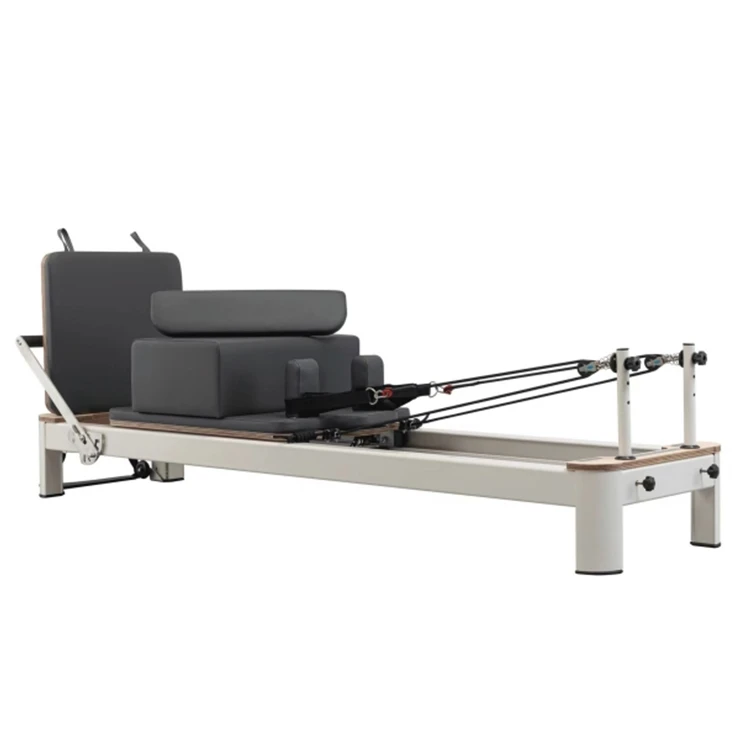
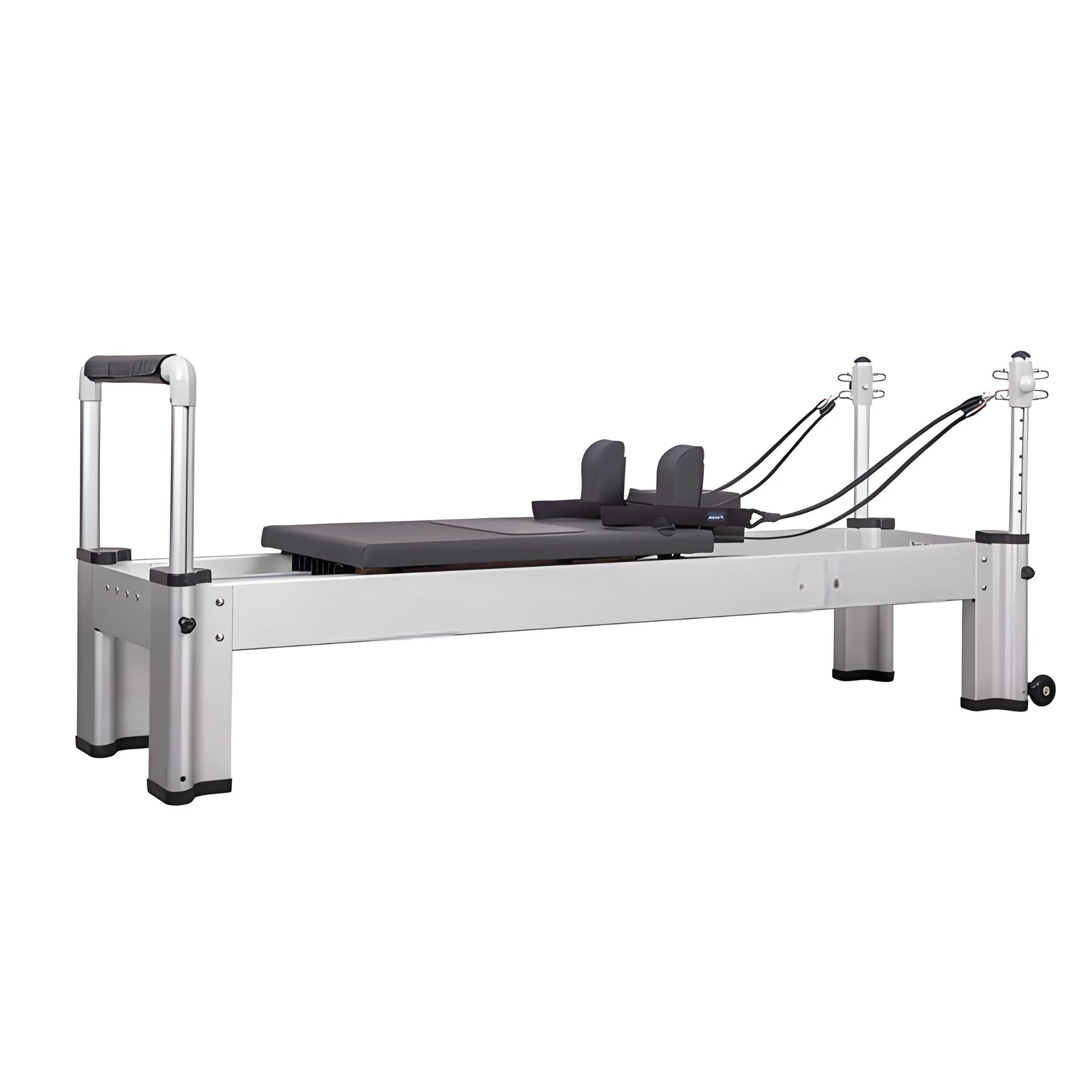
To frame things properly, Pilates reformers vary widely, from budget-friendly models under $800 to premium options hitting four figures. The price depends largely on quality of materials (think: solid wood vs. aluminum frames), type of resistance springs, adjustability features, and sometimes even design collaborations with well-known Pilates instructors.
Key Product Specifications of Typical Pilates Reformer Models
| Feature | Standard Model | Premium Model |
|---|---|---|
| Frame Material | Aluminum | Hardwood (maple/oak) |
| Resistance Springs | Steel, 5 levels | Titanium coated, 7 levels |
| Carriage Pads | Foam | Memory foam with antimicrobial cover |
| Weight Capacity | 250 lbs | 350 lbs |
| Dimensions (LxW) | 80 x 26 inches | 84 x 28 inches |
Oddly enough, while price tags may startle some, they tend to reflect the engineering precision and safety testing synonymous with industrial manufacturing standards. Depending on whether the reformer is intended for home use, studio athletic training, or rehab, customization plays a huge role — like adjustable foot bars, sliding resistance changes, or even digital tracking in the rare high-end models. I recall a Pilates studio owner mentioning how switching from a low-cost setup to a premium hardwood reformer seriously upped client satisfaction and retention. That sort of feedback is gold in my book.
Comparing Top Pilates Reformer Vendors
| Vendor | Price Range | Materials | Notable Features | Warranty |
|---|---|---|---|---|
| PilatesPorts | $900 - $1,800 | Aluminum, Solid Wood | Modular parts, customizable springs | 5 years frame |
| StudioFit | $700 - $1,200 | Aluminum, Composite | Lightweight, entry-level models | 3 years frame |
| ReformX | $1,500 - $2,200 | Hardwood, Carbon Fiber | High-end design, digital integration | 7 years frame |
Now, if I may lend a bit of practical wisdom: sometimes this equipment isn’t just about hitting the gym — it’s about rehabilitation, or even long-term investment in health. The feel of a sturdy frame, the smooth glide of the carriage, or even the tactile quality of the straps makes a surprising difference in user experience. One coach told me, “It’s like driving a well-tuned car versus a clunky old van.” Totally makes sense, no?
Ultimately, when you look at Pilates reformer price, think of it as paying for engineering, testing, and health benefits wrapped in beautiful, functional design. Frankly, if it keeps you moving and thriving, that price can feel quite fair.
For anyone dipping their toes into Pilates equipment, take a minute to consider your usage needs and budget. It’s not just a purchase — it’s choosing a partner for your wellness journey.
A small personal note: I once visited a rehab center where a mid-range reformer literally helped someone walk again. That’s a powerful reminder of why these machines matter beyond price tags.
Takeaway: Investing in a quality Pilates reformer means more than just spending—it’s about lasting performance and real health benefits.
References:
1. Pilates Equipment Durability Reports (Industry Insight Magazine, 2022)
2. User Experience Feedback from Pilates Instruction Professionals (Pilates Association Journal, 2023)
3. Material Science in Exercise Equipment (Engineering Review, 2021)
Latest news
-
Professional Pilates Cadillac Reformer for Sale and Buyer GuideNewsApr.16,2026
-
Professional Guide to Finding the Best Pilates Cadillac for SaleNewsApr.09,2026
-
Find the Perfect Cadillac Reformer Combo for Sale and Elevate Your Pilates PracticeNewsApr.07,2026
-
Choosing the Ideal Wooden Pilates Reformer Machine for Your Fitness JourneyNewsApr.04,2026
-
Choosing the Right Wooden Pilates Equipment for Studio and Home UseNewsMar.31,2026
-
Understanding the Versatility and Benefits of the Wood Reformer for PilatesNewsMar.28,2026
- Address
- Room 1601, 1302, Building A, Zijingguandi, Qiaodong District, Xingtai City, Hebei Province, China
- Sandra@raetin.com
- Phone
- +86 18231139331