
Pilates Reformer Machine with Tower - Versatile Fitness & Rehabilitation Equipment
Understanding the Pilates Reformer Machine with Tower: More Than Just a Fitness Tool
At first glance, a pilates reformer machine with tower might seem like just another piece of fancy gym equipment, designed to sculpt your body. But peel back a layer, and it’s much more compelling. Globally, this machine offers both rehabilitative and strength-building benefits, connecting traditional Pilates principles with modern modular design. Especially as wellness industries grow and remote fitness solutions gain ground, knowing why this tool matters can make a surprising difference in health outcomes around the globe.
Global Relevance of the Pilates Reformer Machine with Tower
According to the World Health Organization, musculoskeletal disorders – from poor posture to chronic back pain – are rising worldwide, affecting productivity and overall quality of life. This is where the reformer machine with tower shines. Its adaptability for physical therapy and fitness aligns well with the increasing demand for inclusive and versatile exercise equipment. In fact, the wellness market has been growing steadily at about 7% annually, fueled by urban populations seeking convenient and effective ways to stay healthy indoors.
Despite the available technology, one of the biggest challenges industry professionals face is delivering equipment that's customizable enough for both casual users and medical rehabilitators. That’s the gap the reformer with tower aims to fill, bridging exercise science with affordability and durability.
Mini takeaway: The pilates reformer machine with tower isn’t just a niche item—it addresses a genuine global issue around movement, healing, and fitness, especially in urban and healthcare settings.
What Exactly Is a Pilates Reformer Machine with Tower?
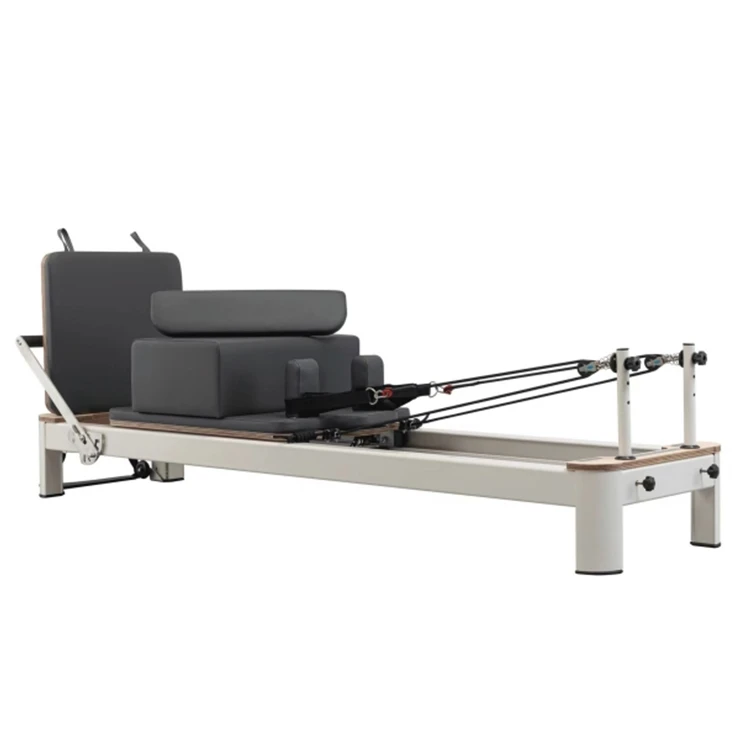
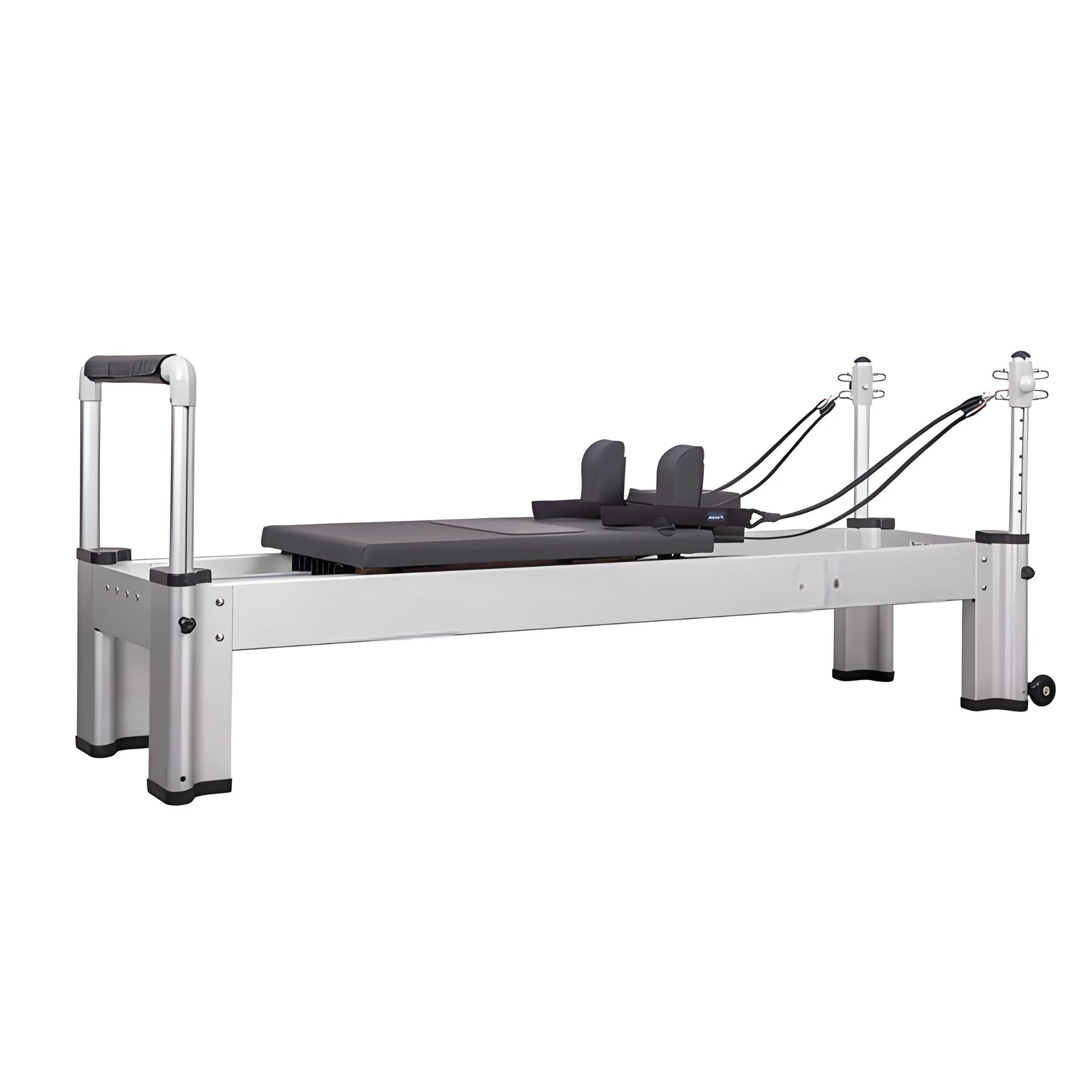
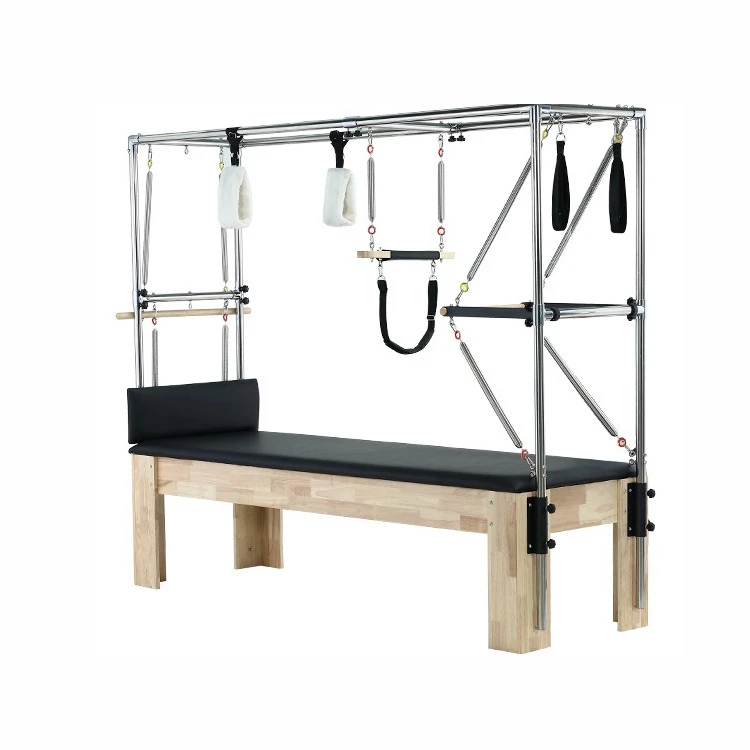
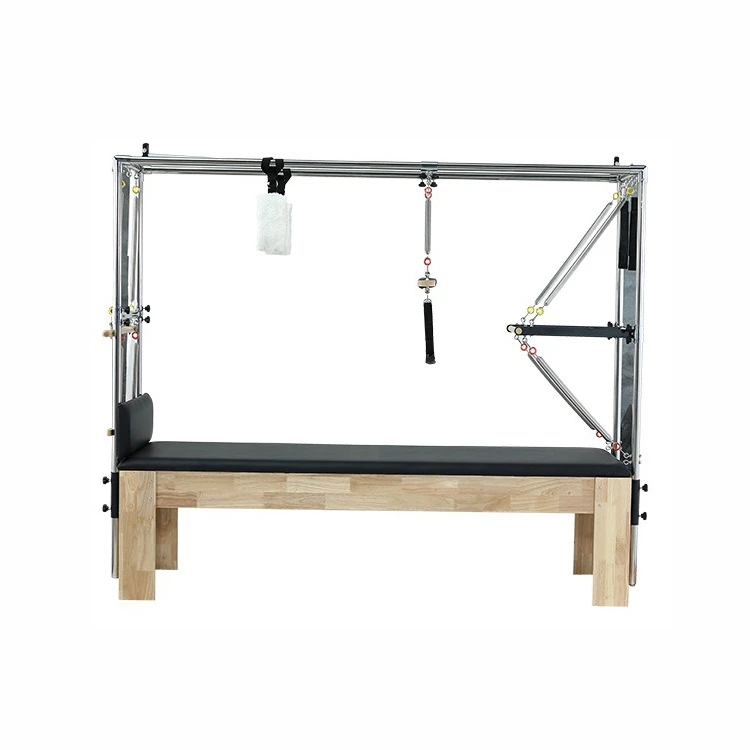
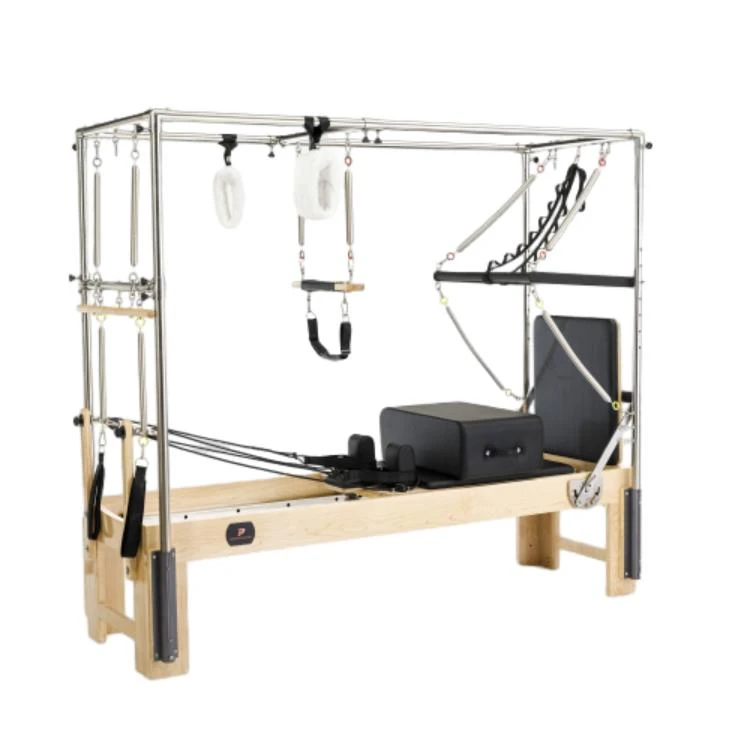
Simply put, it’s a Pilates reformer — a flat platform that moves along rails with adjustable springs and straps — but with an added “tower” frame. This tower, essentially a vertical attachment, introduces additional attachments like push-through bars, roll-down bars, and various pulleys to expand exercise options.
The result? A device capable not only of traditional reformer exercises but also integrated stretching, strength training, and even some balance work. This integration makes it particularly useful in physical therapy clinics as much as boutique fitness studios. It answers modern needs for multi-functionality in limited spaces, a feature especially prized in densely populated areas.
Connection to Industry and Health Needs
In real terms, the added tower translates to broader versatility — which means better rehabilitation potential for patients with distinct mobility challenges and a fresh set of exercises for fitness enthusiasts. Many practitioners hail the reformer with tower for allowing personalized adjustments that standard reformers can’t match.
Core Components of the Pilates Reformer Machine with Tower
1. Durability and Build Quality
Most reformer towers combine hardwood or aluminum frames with heavy-duty springs and nylon straps, aiming to balance longevity with user comfort. The tower attachments need to be sturdy yet adjustable—often made of powder-coated steel to resist wear and tear.
2. Adjustable Resistance System
Spring tension is where the magic happens. Multiple springs with graduated resistance levels help users customize workouts or therapies. It’s a design challenge to make these resistances smooth and consistent to avoid jolts — engineers spend a lot of time refining this.
3. Space Efficiency
The tower adds vertical functionality without requiring much floor space, an essential feature for urban fitness studios or compact rehab facilities. Some models fold or detach for easy storage (a feature widely appreciated).
4. User-Friendly Attachments
From push-through bars to arm pulleys, straps, and roll-down bars, the attachments must be easy to swap in and out. This modularity is a huge plus for multi-user environments.
5. Safety Features
Non-slip platforms, secure locking pins for spring changes, and padded surfaces reduce injury risks — key when machines are used by people recovering from injuries.
| Feature | Details |
|---|---|
| Frame Material | Powder-coated steel and hardwood |
| Dimensions | Approx. 86" L x 26" W x 84" H (tower included) |
| Weight Capacity | Up to 300 lbs |
| Number of Springs | 5–7 adjustable resistance springs |
| Attachments | Push-through bar, roll-down bar, arm and leg pulleys, boxes |
| Portability | Optional wheels, foldable tower designs available |
How the Pilates Reformer Machine with Tower Works Across the Globe
This versatile equipment finds use in many corners of the world—from upscale studios in New York and London to rehabilitation centers in Canada and physiotherapy departments in Japan. Oddly enough, its modular design suits even remote or space-limited clinics better than many other bulky machines do.
Hospitals in Europe increasingly integrate these machines for post-operative mobility training, while fitness chains in Australia use them for strength and flexibility classes. In South America, some NGO-run community centers leverage reformer towers to encourage therapeutic exercise among underserved populations, emphasizing low-impact injury prevention.
What strikes me is how it’s able to bridge the gap from elite athletic training to grassroots physical therapy without losing relevance.
Mini takeaway: The pilates reformer machine with tower's flexibility makes it a true global asset — adaptable from luxury gyms to community clinics.
Long-Term Benefits: Why Invest in This Equipment?
- Cost Efficiency: One machine does the work of several, reducing the need for multiple pieces of equipment.
- Health Impact: Supports rehabilitation, promotes posture correction, and prevents common musculoskeletal problems.
- Space Saving: Compact design fits even small practice rooms or home gyms.
- User Empowerment: Customizable resistance and attachments mean greater autonomy for users and trainers.
- Durability: Built to last with quality materials, reducing replacement costs.
Plus, there’s an emotional element—not many pieces of gym equipment can claim to restore dignity and independence to people recovering from injuries, but the reformer with tower often does just that.
Looking Ahead: The Future of Pilates Reformer Machine with Tower
Innovation in this space doesn’t stand still. Smart technology integrations, such as app-controlled resistance and exercise tracking, are beginning to appear. Sustainable materials like bamboo composites and recycled metals are also influencing design choices for greener equipment. And automation — think personalized resistance calibrations — may soon let machines “learn” preferred exercises per user.
Additionally, hybrid models that fold into compact cabinets or combine with other fitness systems are gaining momentum, responding to demands for portable yet professional-grade gear.
Challenges & How the Industry is Tackling Them
One ongoing challenge is the cost barrier—premium reformers with towers can be pricey for smaller studios. Manufacturers are exploring budget-friendly models without sacrificing quality and safety.
Another concern is proper user education. Even the best equipment is ineffective if not used correctly, so partnerships between manufacturers and certified instructors are increasing. Online tutorials paired with in-person sessions seem to offer the best results.
| Brand | Price Range | Material Quality | Special Features | Warranty |
|---|---|---|---|---|
| Balanced Body | $3,000–$4,500 | Top-grade aluminum & hardwood | Foldable tower, sleek design | 5 years |
| Peak Pilates | $2,800–$4,000 | Powder-coated steel frame | Interchangeable attachments | 3 years |
| Merrithew | $3,200–$4,200 | Solid hardwood & steel combo | Integrated exercise guide | 4 years |
Frequently Asked Questions About Pilates Reformer Machine with Tower
Q1: What’s the main advantage of having a tower on a Pilates reformer?
The tower adds vertical resistance options like push-through bars and pulleys, greatly expanding exercise variety beyond flat reformer work, making workouts more comprehensive and adaptable to different fitness or rehab goals.
Q2: Can beginners safely use a reformer with a tower?
Absolutely. Many machines feature adjustable resistance and instructional materials. However, beginners should ideally start under supervision to ensure correct form and avoid injury.
Q3: How portable are these machines for home use?
Some models come with wheels or foldable towers, making them easier to move or store. Still, they are larger than typical home gym gear, so consider space before purchasing.
Q4: Is the pilates reformer machine with tower suitable for post-injury rehab?
Yes, it’s widely used in physical therapy because of its adjustable resistance and controlled movement, which aid in gentle strengthening and flexibility restoration.
Q5: How should I choose the right reformer with tower brand?
Look for quality materials, warranty, availability of attachments, and consult user reviews. Also consider your budget and space constraints to find the best fit.
Conclusion: Making Movement Matter
So, the pilates reformer machine with tower isn’t just about fitness trends or niche workout fads. It’s a comprehensive device connecting tradition and innovation, therapy and strength, modest studios and sophisticated clinics. For anyone seriously invested in movement quality—whether you’re an instructor, a therapist, or a fitness enthusiast—embracing this tool makes sense.
Curious to see which model suits your needs? Take a look at our selection of pilates reformer machine with tower options and discover how a smart investment today can lead to lasting health benefits tomorrow.
References
Latest news
-
Professional Pilates Cadillac Reformer for Sale and Buyer GuideNewsApr.16,2026
-
Professional Guide to Finding the Best Pilates Cadillac for SaleNewsApr.09,2026
-
Find the Perfect Cadillac Reformer Combo for Sale and Elevate Your Pilates PracticeNewsApr.07,2026
-
Choosing the Ideal Wooden Pilates Reformer Machine for Your Fitness JourneyNewsApr.04,2026
-
Choosing the Right Wooden Pilates Equipment for Studio and Home UseNewsMar.31,2026
-
Understanding the Versatility and Benefits of the Wood Reformer for PilatesNewsMar.28,2026
- Address
- Room 1601, 1302, Building A, Zijingguandi, Qiaodong District, Xingtai City, Hebei Province, China
- Sandra@raetin.com
- Phone
- +86 18231139331