
Pilates Power Gym Price – Quality and Value Insight
Understanding the Pilates Power Gym Price in Today’s Market
Having spent more than a decade in industrial equipment—from heavy machinery to finely crafted workout apparatus—I’ve grown quite fond of gear that strikes the right balance between durability, design, and cost. When it comes to Pilates machines like the Power Gym, the price tag can feel a bit mysterious at first. Is it worth it? What drives the cost? Well, let me share some thoughts drawn from years of inspecting and testing equipment that, frankly, feels crafted to last.
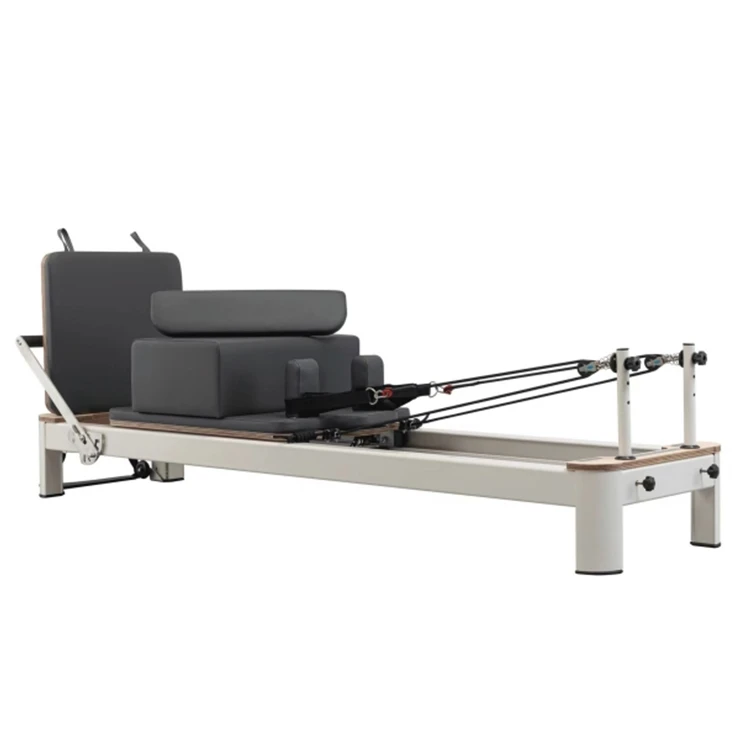
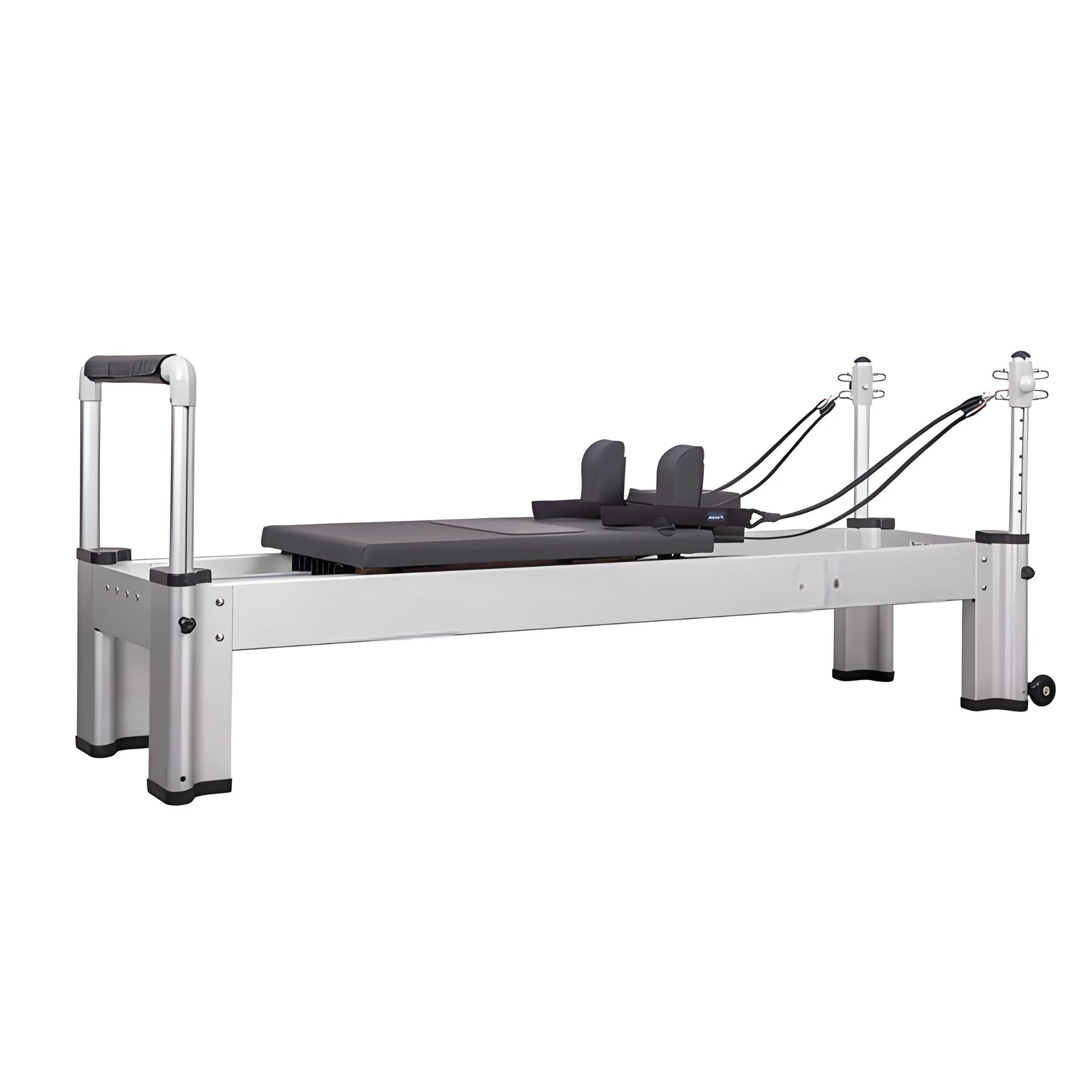
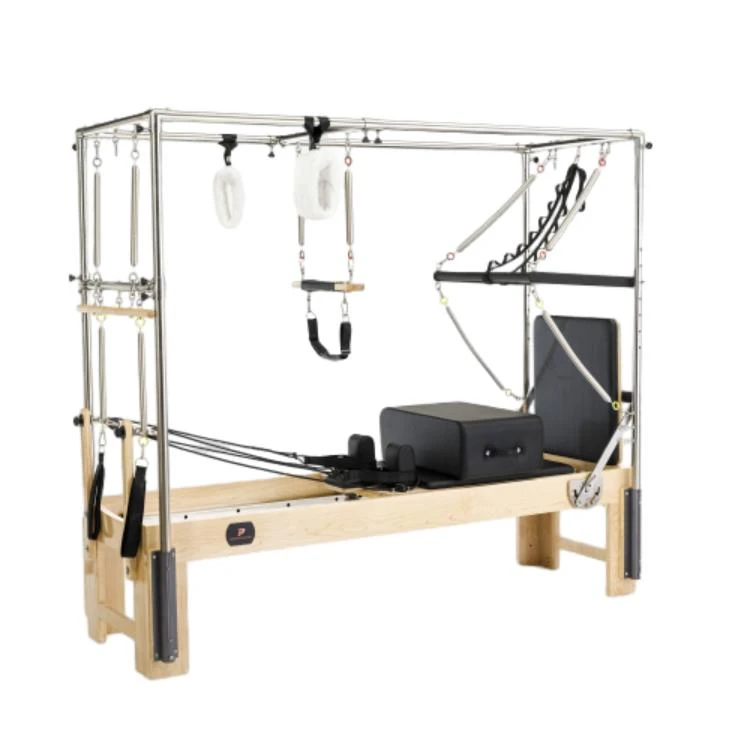
First off, the Pilates Power Gym isn’t your run-of-the-mill home exercise machine. Its build quality stands out right away — constant industrial-grade steel tubing with precision welding, smooth polyurethane rollers, and adjustable resistance settings crafted with smart engineering. These features matter because they directly impact not only the performance but also the long-term durability. I suppose someone unfamiliar might overlook these specs, seeing the “price” as just a number rather than an investment into quality.
In real terms, the Pilates Power Gym price hovers in the mid-to-high range compared to other Pilates machines. This is partly because it incorporates a modular design for customized workouts, a feature I personally appreciate. Many engineers I know describe this as a “powerful, versatile tool” rather than just equipment. Oddly enough, it’s rare to find this blend of user-friendly adjustments with such industrial robustness. It’s what makes it popular not only in studios but also with enthusiasts looking for serious home fitness solutions.
By way of anecdote, a Pilates instructor friend mentioned that after switching to this Power Gym, client retention improved since the machine addressed multiple core strengthening needs without causing strain. She said, “It feels sturdy and responsive, so people trust it.” That kind of feedback, grounded in real usage, often tells you more than glossy brochures.
| Feature | Specification |
|---|---|
| Frame Material | Powder-coated steel |
| Resistance Levels | 6 adjustable magnetic |
| Weight Capacity | 300 lbs (136 kg) |
| Dimensions (WxDxH) | 54 x 26 x 43 inches |
| Warranty | 5 years frame; 2 years parts |
But how does the Pilates Power Gym price compare to other vendors? Let’s lay it out plainly. I’ve found that while some brands push lower initial price points, you often sacrifice features or material quality. On the other hand, premium brands can be three times as expensive without offering meaningful additional benefits for the average user.
| Brand | Price Range | Key Strength | Warranty |
|---|---|---|---|
| Pilates Power Gym | $1,200–1,500 | Build quality & customization | 5 years frame |
| Brand A | $900–1,100 | Entry-level affordability | 2 years |
| Brand B | $2,800–3,500 | Luxury features & aesthetics | 7 years |
| Brand C | $1,600–2,200 | Advanced digital integration | 4 years |
So, if you ask me, the Pilates Power Gym price is balanced considering what you get — solid durability, a thoughtful warranty, and those features that don’t just look good on paper but perform reliably day in and day out. It’s the kind of machine you don’t just buy; you invest in. Naturally, if budget is tight, there are cheaper options, but I’ve seen how these often require quicker replacement or upgrades, costing more in the long run. Conversely, top-tier luxury brands... well, they often appeal more to style-conscious buyers than those chasing pure performance.
In all, entrusting your workout to a Pilates Power Gym means accepting not only the price but the promise of quality forged through years of industrial design and engineering know-how. Frankly, the price reflects that quite fairly.
What’s my final takeaway? For anyone serious about Pilates and durability, the Power Gym is worth every cent—in the way that good industrial equipment always is.
References:
1. Industry durability standards, ASTM
2. Customer reviews & reports, Pilatesports.com
3. Warranty coverage & materials testing, Manufacturer specs
Latest news
-
Professional Pilates Cadillac Reformer for Sale and Buyer GuideNewsApr.16,2026
-
Professional Guide to Finding the Best Pilates Cadillac for SaleNewsApr.09,2026
-
Find the Perfect Cadillac Reformer Combo for Sale and Elevate Your Pilates PracticeNewsApr.07,2026
-
Choosing the Ideal Wooden Pilates Reformer Machine for Your Fitness JourneyNewsApr.04,2026
-
Choosing the Right Wooden Pilates Equipment for Studio and Home UseNewsMar.31,2026
-
Understanding the Versatility and Benefits of the Wood Reformer for PilatesNewsMar.28,2026
- Address
- Room 1601, 1302, Building A, Zijingguandi, Qiaodong District, Xingtai City, Hebei Province, China
- Sandra@raetin.com
- Phone
- +86 18231139331